
Sauces & Condiments
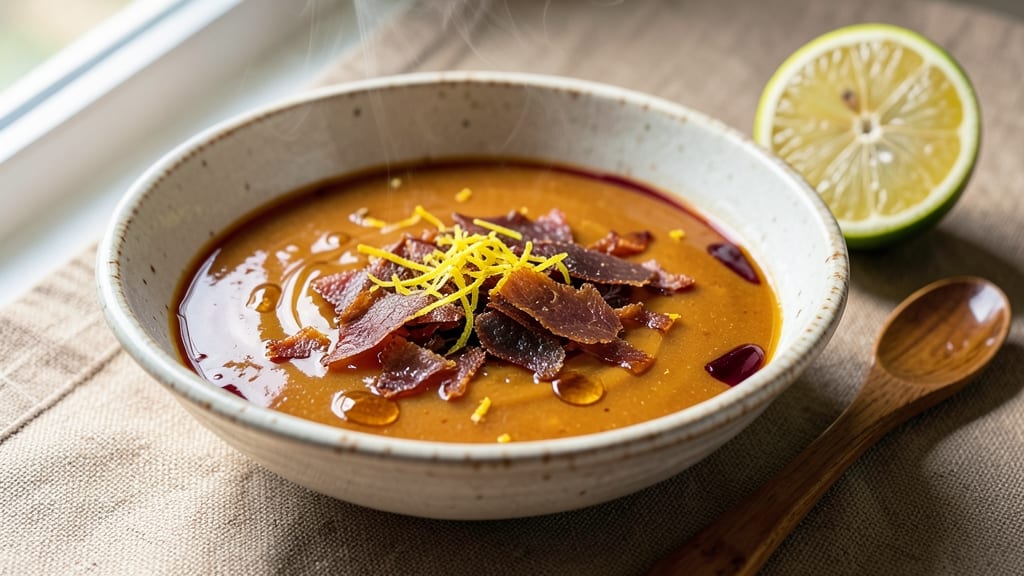
This authentic ponzu sauce recipe delivers the perfect balance of bright citrus and umami-rich soy—just like the version you'd find in a Tokyo izakaya.
The key lies in precise ratios of yuzu juice (or substitute with a mix of lemon, sudachi, or even orange), mirin, soy sauce, and a touch of vinegar that brightens every flavor.
Unlike bottled versions, this homemade sauce develops deeper complexity when rested, making it ideal for drizzling over sashimi, grilled fish, or even as a marinade for tofu.
The process is straightforward but requires patience: simmering the citrus juice, mirin, and soy sauce until slightly reduced, then straining for a silky texture. A splash of rice vinegar adds that signature tang, while a pinch of salt ensures the flavors harmonize.
The sauce keeps well in the refrigerator for up to 2 weeks, so you’ll always have that restaurant-quality drizzle on hand—no shortcuts, just authentic flavor.
What sets this ponzu apart is its versatility while staying true to tradition. The citrus notes cut through rich, fatty fish, while the soy and mirin add depth that transforms simple dishes into something special.
Whether you're serving it alongside fresh oysters, seared scallops, or even as a glaze for roasted vegetables, this sauce elevates every bite with its bright, balanced profile.
For best results, let the sauce rest for at least 30 minutes before using—this allows the flavors to meld and intensify. Store it in an airtight container in the fridge, and you’ll have a pantry staple that’s always ready to enhance your meals.
The secret to perfect ponzu? Precision in the ingredients and a little time to let the flavors shine.
Ingredients for authentic ponzu sauce
Eight ingredients for a sauce that tastes like Tokyo izakaya magic.
| Ingredient | Amount | Notes |
|---|---|---|
| Yuzu Juice 🍋 | ½ cup | Freshly squeezed or substitute with mix |
| Mirin 🍶 | ¼ cup | Sweet cooking rice wine |
| Rice Vinegar 🍶 | ¼ cup | Seasoned or plain |
| Soy Sauce 🥢 | ¼ cup | Japanese-style preferred |
| Granulated Sugar 🍯 | 2 tbsp | Or substitute with honey |
| Salt 🧂 | ½ tsp | Fine sea salt preferred |
| Dried Bonito Flakes 🐟 | 1 tbsp | For umami depth (optional) |
| Sudachi or Lemon Juice 🍋 | 2 tbsp | Substitute for yuzu if unavailable |
Yuzu is the star, but don't stress if you can't find it—sudachi or lemon juice works wonderfully. For the best mirin, Japanese brands like Kikkoman or Hirata are worth the splurge, but any quality mirin will do. The rice vinegar should be seasoned (like Kewpie), not plain. If you're feeling adventurous, grab some dried bonito flakes at an Asian market—they add that signature umami kick. For the sugar, I always grab the fine granulated kind (like Domino) so it dissolves smoothly.
No yuzu? Mix lemon and sudachi juice at a 2:1 ratio—sudachi has that perfect citrusy punch. Short on mirin? Substitute with 1 tbsp honey plus 1 tbsp water. The bonito flakes are optional but add depth—if you skip them, just increase the soy sauce by 1 tbsp. For the sugar, coconut sugar works too, though it's slightly coarser. The sauce thickens as it cools, so don't worry if it looks thin right after simmering. Strain it through a fine-mesh sieve for that silky texture—no clumps allowed!
This sauce tastes even better after resting—30 minutes minimum, overnight is ideal. Store it in a clean glass jar in the fridge for up to 2 weeks. The flavors deepen over time, so make extra if you can. Freezes beautifully for 3 months—just thaw in the fridge. A little goes a long way, so portion it out in small containers for easy drizzling. Trust me, you'll want this on hand for everything from sashimi to grilled fish.
Why You'll Love This Recipe
- Five-Ingredient Magic: I swear by this ratio of yuzu juice to mirin—it’s the secret to that perfect balance of bright citrus and sweet depth. No fancy techniques, just whisking together pantry staples until it sings.
- Citrus Kiss: That first sip? Tart, salty, and just sweet enough to make your taste buds do a happy dance. The yuzu juice cuts through everything like a knife, but the sugar and mirin smooth it out so it’s never overpowering.
- Weeknight Swiss Army: Slap it on grilled fish, drizzle it over ramen, or toss it with stir-fried veggies—this sauce is the MVP of lazy dinners. Honestly, I’ve used it for everything from sushi night to breakfast eggs, and it never lets me down.
- Makes More Than You Think: A little goes a long way, so you’ll end up with leftovers that last for days. I’ll be real: I’ve frozen batches for months, and it still tastes fresh. Budget win, flavor win.
Step-by-step instructions for authentic ponzu sauce
Here's how to craft this vibrant, balanced sauce with restaurant-quality depth.
Bloom the Bonito Flakes for Umami Depth
In a small saucepan, gently toast the 1 tablespoon dried bonito flakes over low heat for 30 seconds until they release their aroma. This step is crucial for building authentic umami flavor. Immediately remove from heat and let them steep in the 0.5 cup yuzu juice for 5 minutes—this infusion transfers their savory essence into the citrus base.
Strain through a fine-mesh sieve, pressing gently on the flakes to extract every last bit of flavor. Discard the solids and return the infused juice to your saucepan. The liquid should now carry a rich, slightly fishy aroma that's the heart of traditional ponzu. If you're skipping bonito, simply omit this step and proceed with the yuzu juice alone.
Combine Liquids and Simmer Gently
Add the 0.25 cup mirin, 0.25 cup rice vinegar, and 0.25 cup soy sauce to the infused yuzu juice. Stir gently to combine, then bring the mixture to a gentle simmer over medium-low heat. You'll notice the sauce begin to bubble softly—this is where the flavors start melding together.
Simmer uncovered for 8-10 minutes, allowing the liquid to reduce slightly while the sweetness of the mirin and acidity of the vinegar harmonize. The sauce should thicken just enough to coat the back of a spoon but remain pourable. Taste occasionally—you're aiming for a balance where the citrus brightness isn't overpowered by saltiness, and the sweetness enhances rather than dominates.
Sweeten and Season to Perfection
Remove the sauce from heat and whisk in the 2 tablespoons granulated sugar until completely dissolved. The sugar should melt instantly, creating a glossy sheen on the surface. Return the pan to low heat and add the 0.5 teaspoon salt, stirring constantly until fully incorporated.
For that final citrus boost, add the 2 tablespoons sudachi or lemon juice and stir well. The sauce should now have a vibrant golden color with a slight haze—this indicates proper emulsification. Taste again and adjust seasoning if needed: a pinch more salt for depth, or a splash of rice vinegar for extra brightness. The perfect ponzu should balance sweet, salty, sour, and umami in every spoonful.
Rest and Strain for Silky Texture
Transfer the sauce to a heatproof bowl and let it cool to room temperature. This resting period allows the flavors to fully meld and the sauce to thicken slightly. After 15-20 minutes, strain through a fine-mesh sieve into a clean jar or bottle, pressing gently on the solids to extract any remaining liquid.
The final sauce should be smooth, glossy, and perfectly balanced—ready to elevate everything from sashimi to grilled meats. For best results, use within 3 days or refrigerate for up to 1 week. The longer it sits, the more complex the flavors become, developing that authentic depth that makes ponzu truly special.
Pro Tips For Making Authentic Ponzu Sauce
- STRAIN TWICE: Yuzu juice is packed with pulp, and if you skip this, you’ll end up with a gritty sauce that ruins the texture. Use a fine-mesh sieve first, then a cheesecloth or coffee filter for that silky finish—trust me, your ponzu will taste smoother and brighter.
- DILUTE THE SOY: Soy sauce is salty and overpowering in this sauce. Start with half the recommended amount, taste as you go, and add the rest gradually—you can always adjust, but you can’t un-salt it. I’ve burned batches by rushing this step.
- WARM THE MIRIN: Cold mirin thins the sauce unevenly and dulls its sweetness. Heat it gently in a small saucepan until just warm to the touch (not boiling), then mix it in last. This keeps the ponzu balanced and prevents a cloying aftertaste.
- USE RAW SUGAR: Granulated sugar dissolves faster and smoother than brown or raw, but if you’re in a pinch, crush a small piece of rock sugar or even turbinado lightly—just make sure it’s fully dissolved. Undissolved sugar turns ponzu grainy, and nobody wants that.
Regional styles of this authentic ponzu sauce
Tokyo Izakaya Style
In Tokyo’s izakayas, ponzu is served as a dipping sauce for sashimi and grilled fish, where its bright citrus and umami balance shine.
The key difference here is the bonito flakes—traditional izakaya ponzu uses them for that signature dashi-like depth, while some modern versions skip them for a cleaner taste.
I always add them for authenticity, but if you're serving this to guests who dislike fishy notes, omit them and boost the soy sauce by 1 tablespoon instead. 🍣
Osaka-Style Ponzu
Osaka’s version leans sweeter and thicker, often used as a glaze for grilled meats or as a marinade. The secret? A higher sugar ratio—I’d increase the granulated sugar to 3 tablespoons and simmer the sauce longer (up to 15 minutes) to achieve that syrupy consistency.
Osaka cooks also frequently add grated daikon radish for texture, which you can stir in at the end if you want a thicker, more rustic sauce.
Kyoto’s Refined Approach
Kyoto’s ponzu is all about subtlety—less soy, more citrus, and a focus on yuzu’s natural brightness. Swap the sudachi for pure yuzu juice (if available) and reduce the soy sauce to 2 tablespoons.
Kyoto chefs also often add a pinch of sansho pepper (Japanese citrus pepper) for a fragrant kick. This version pairs beautifully with delicate dishes like hamachi (yellowtail) sashimi or steamed vegetables.
Okinawa’s Tropical Twist
Okinawa’s ponzu incorporates local citrus fruits like shikuwasa or katsumado, which have a tart, almost grapefruit-like flavor. For a regional twist, replace the sudachi with 2 tablespoons shikuwasa juice (or extra sudachi if unavailable) and add 1 teaspoon grated ginger for warmth.
This version works wonderfully with grilled mahi-mahi or spicy Okinawa soba noodles.
Modern Fusion Adaptations
Chefs today are playing with ponzu by adding unexpected ingredients—like a splash of sake (replace 1 tablespoon rice vinegar) or a dash of chili oil for heat. For a smoky version, simmer the sauce with 1 teaspoon toasted sesame seeds or a pinch of smoked paprika.
These adaptations keep the sauce’s core balance while adding exciting new layers. 🔥
Hawaiian Ponzu Hybrid
In Hawaii, ponzu often blends with local flavors like pineapple juice or lime. For a tropical version, replace 2 tablespoons sudachi with 2 tablespoons pineapple juice and add 1 teaspoon grated lime zest.
This works brilliantly with grilled ahi tuna or teriyaki-glazed chicken. The pineapple adds a sweet-tart contrast that’s perfect for island-style dishes.
Nutrition facts
Frequently asked questions
Can I substitute yuzu juice with other citrus?
For authentic ponzu, use a mix of sudachi (2 tbsp) and lemon juice (1 tbsp)—sudachi has that perfect citrusy punch. If unavailable, try 2 tbsp lime juice plus 1 tbsp orange juice for brightness. The key is balancing tartness with sweetness, so adjust sugar to taste after simmering.
Why does my ponzu taste too salty?
This usually happens if you didn't reduce the sauce enough or used extra soy sauce. To fix it, whisk in 1-2 tbsp extra mirin or rice vinegar to dilute the saltiness. For future batches, simmer the sauce longer (up to 12 minutes) to concentrate flavors before adding salt.
How long should I rest the ponzu before using?
Resting is crucial! Let the sauce sit for at least 30 minutes—this lets flavors meld. For deeper taste, refrigerate overnight. The longer it rests, the smoother and more complex it becomes. This is why homemade ponzu always tastes better than store-bought.
Can I make ponzu without bonito flakes?
Yes, but the umami depth will be less pronounced. Skip the bonito and increase soy sauce by 1 tbsp instead. For a vegan option, add 1 tsp dried shiitake powder (from dried mushrooms) to mimic the savory notes. The sauce will still be delicious—just slightly different in character.
What's the best way to store homemade ponzu?
Transfer to an airtight glass jar and refrigerate for up to 2 weeks. For longer storage, freeze in ice cube trays—thaw overnight in the fridge. The sauce thickens when cold, so stir before using. Pro tip: Keep a small jar in your fridge for easy drizzling over sashimi or grilled fish!