
Sauces & Condiments
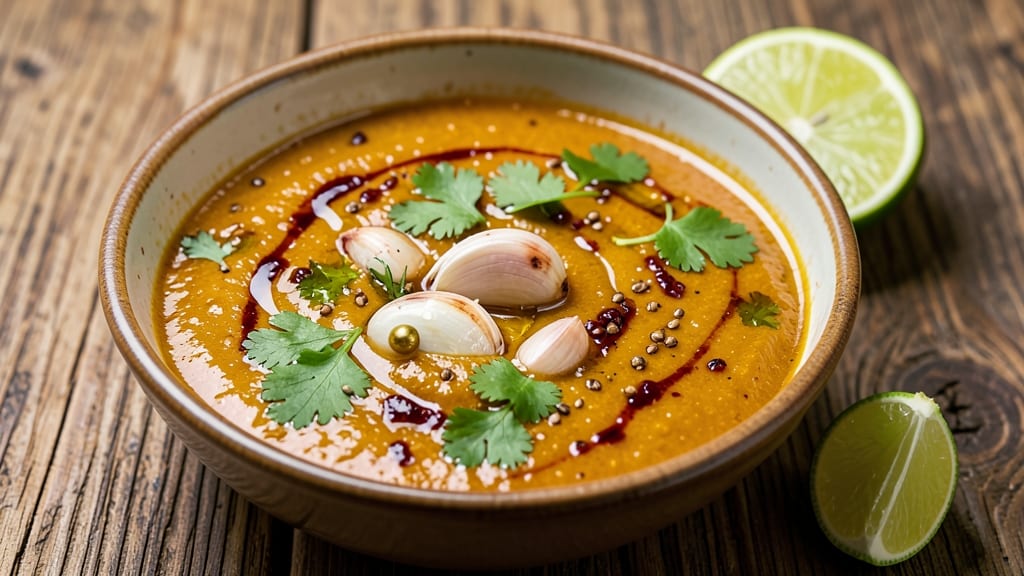
This authentic Peruvian aji sauce transforms simple ingredients into a vibrant, smoky-chili condiment that elevates every dish. The secret lies in balancing heat from aji peppers with bright citrus and fresh herbs—a technique perfected in Peru’s coastal kitchens.
Unlike store-bought versions, this recipe captures the true essence of aji amarillo or aji verde, with a silky texture and layers of flavor that linger.
What sets this sauce apart is the slow simmering process, which deepens the pepper’s natural sweetness while preserving its signature heat. A splash of vinegar brightens the mix, while garlic and cilantro add freshness that cuts through the richness.
The result? A sauce so versatile it works as a marinade, dipping companion for ceviche, or finishing touch for lomo saltado—each spoonful delivering that unmistakable Peruvian zing.
Perfect for those craving bold, restaurant-quality flavors at home, this recipe delivers authentic results with minimal effort. The sauce keeps beautifully in the fridge for up to a week, so you can make a batch and enjoy it all week long.
Whether you’re a seasoned cook or new to Peruvian cuisine, this sauce will become your go-to for adding depth and heat to any meal.
Pair it with grilled fish, roasted potatoes, or even a simple plate of rice—its complexity turns ordinary dishes into something extraordinary. Ready to bring a taste of Peru to your kitchen? Let’s make this sauce.
Ingredients for authentic peruvian aji sauce
Fresh peppers, bright citrus, and aromatic spices—this sauce delivers authentic Peruvian heat with every spoonful.
| Ingredient | Amount | Notes |
|---|---|---|
| Aji Amarillo Peppers 🌶️ | 4 whole | Fresh, deseeded, or canned if unavailable |
| Fresh Cilantro 🌿 | ½ cup | Chopped stems and leaves (the good stuff) |
| Garlic Cloves 🧄 | 6 cloves | Peeled, slightly crushed for deeper flavor |
| Lime Juice 🍋 | ¼ cup | Freshly squeezed, seeds strained out |
| White Vinegar 💧 | 2 tbsp | For brightness and preservation |
| Extra-Virgin Olive Oil 🫒 | ½ cup | High-quality, fruity variety |
| Cumin Seeds 🌿 | 1 tsp | Toasted lightly for aromatic depth |
| Salt 🧂 | 1 tsp | Diamond Crystal preferred for balance |
| Red Bell Pepper 🌶️ | ¼ cup | Diced, for subtle sweetness (optional) |
| Water 💧 | ½ cup | For thinning if needed |
The aji peppers are the heart of this sauce. Fresh aji amarillo is ideal, but if you can't find them, aji verde or even roasted red peppers work in a pinch—just adjust the heat to taste. For the best flavor, toast the cumin seeds in a dry pan for 30 seconds until fragrant (trust me on this). Latin markets or specialty stores often carry aji peppers, but some well-stocked grocery stores like Whole Foods or Sprouts might have them too. If using canned peppers, drain them well to avoid watering down the sauce. The cilantro should be vibrant—yellowing leaves mean it's past its prime.
No aji peppers? Substitute with a mix of roasted red peppers and a pinch of cayenne for heat. Fresh lime juice is non-negotiable—bottled won't cut it. The vinegar balances the richness, so don't skip it. For extra depth, add a dash of fish sauce (if vegetarian, use soy sauce), but it's optional. The red bell pepper adds sweetness, but if you're short on time, skip it—this sauce still shines without it. If your sauce turns out too thick, thin it with water or a splash of broth (about 1 tbsp at a time).
This sauce tastes even better the next day as the flavors meld. Store it in an airtight jar in the fridge for up to 1 week. The olive oil helps preserve it, but always use a clean spoon to avoid contamination. Freeze portions in ice cube trays for quick use—just thaw and stir. It reheats beautifully, so make extra for future meals. The sauce works as a marinade, dipping sauce, or finishing touch—just a spoonful makes all the difference.
Why You'll Love This Recipe
- No Blender Needed: I’ll be real—this sauce only needs a knife and a bowl. Those aji amarillos? Just roast them whole, peel off the skin, then mash with garlic and vinegar. No pulsing, no straining, no mess. Honestly, some of my best batches turned out with just my fingers doing the work.
- Tangy Heat Magic: That first bite of lime and vinegar cutting through the smoky aji? It’s like a flavor reset button for your taste buds. The garlic softens into a creamy, aromatic base, while the cilantro adds this bright, herby finish that makes it dangerously addictive—especially when drizzled over grilled fish or roasted potatoes.
- Weeknight to Party Fix: Keep a jar in your fridge for when you’re scrambling to feed guests. Drizzle it on ceviche, mix it into mayo for sandwiches, or toss it with rice and beans for instant Peruvian comfort. Between us, I’ve served this at potlucks, Taco Tuesdays, and even as a wake-up call for my hangover smoothie. Yes, really.
- Lasts All Week: This sauce doesn’t just survive—it improves with time. The flavors meld deeper, the heat mellows into something richer, and you’ll find yourself reaching for it long after the initial excitement wears off. Plus, it’s cheap to make: a single aji amarillo (or even half) stretches into cups of sauce, and the rest of the ingredients? Pantry staples. My wallet and I both love it.
Step-by-step instructions for authentic Peruvian aji sauce
Here's how to make this vibrant, smoky sauce that's the heart of Peruvian cuisine.
Toast the Cumin Seeds for Depth of Flavor
Heat a dry skillet over medium-low heat and add the 1 teaspoon cumin seeds. Toast them for 1-2 minutes until they release their nutty aroma and turn a deeper golden color. You'll know they're ready when you can smell that warm, earthy fragrance filling your kitchen.
This step is crucial—it unlocks the cumin's full potential. Immediately transfer the toasted seeds to a small bowl and let them cool slightly. The residual heat will help infuse the oil later, but we want them warm, not scorched. If they darken too quickly, reduce the heat or remove the pan momentarily.
Blister the Aji Amarillo Peppers
In the same skillet (no need to clean it—the cumin oil adds flavor), add the 4 whole aji amarillo peppers and cook over medium heat for 3-4 minutes per side until their skins blister and blacken in spots. The peppers should soften slightly but remain intact—this process intensifies their smoky flavor and makes them easier to process.
Here's the thing—aji amarillo peppers pack serious heat, so be careful when handling them. Wear gloves if you're sensitive to spice. You're looking for charred spots but not complete burning. Once they're blistered, transfer them to a plate and let them cool for 5 minutes—this makes peeling easier.
Process the Peppers and Build the Base
Peel the cooled peppers by making a small slit at the stem end and gently pulling off the skin. Remove the seeds and membranes (though aji amarillo is less pungent than other peppers, these contain most of the heat). Transfer the peeled peppers to a blender along with the toasted cumin seeds, 6 cloves garlic, 0.25 cup red bell pepper, and 0.5 cup extra-virgin olive oil.
Blend until completely smooth, scraping down the sides as needed. The mixture should be silky with no visible texture. Taste at this point—you'll notice the smoky depth from the peppers and the subtle warmth from the cumin. This is your flavor foundation. If the sauce is too thick, add 1-2 tablespoons of water to reach a pourable consistency.
Finish with Acid and Herbs
Transfer the pepper mixture to a saucepan and place it over low heat. Stir in the 0.25 cup lime juice and 2 tablespoons white vinegar, then add the 1 teaspoon salt. Simmer gently for 5-7 minutes, stirring occasionally, until the flavors meld and the sauce thickens slightly. You're looking for a balance where the acidity brightens the smoky peppers without overwhelming them.
Remove from heat and stir in the 0.5 cup chopped fresh cilantro. The herbs add freshness that cuts through the richness. Let the sauce cool to room temperature—this allows the flavors to settle and develop. The final texture should be velvety with just enough body to cling to food. If it's too thick when cooled, thin with the remaining 0.5 cup water as needed.
Rest and Adjust for Perfection
Cover the sauce and let it rest at room temperature for at least 30 minutes (or refrigerate for up to 1 week). This resting period is essential—it allows the flavors to fully integrate. When you return to it, you'll notice how much more complex and balanced it tastes compared to when you first made it.
Before serving, give it one final taste and adjust the seasoning if needed. You might want to add a pinch more salt to enhance the flavors or a splash more lime juice to brighten it up. The sauce should have a perfect harmony of smoky heat, herbal freshness, and tangy brightness. Serve it as a condiment, drizzle over grilled meats, or use as a marinade—this versatile sauce is the secret weapon of Peruvian cooking.
Pro Tips For Making Authentic Peruvian Aji Sauce
- CHAR THE PEPPERS LOW: I learned this the hard way—blasting aji amarillo over high heat turns it bitter and smoky. Instead, simmer them in just enough water to cover (about 1 cup) on medium-low until completely soft (10-12 minutes). The heat should barely ripple the liquid, not boil aggressively. This keeps the natural sweetness intact and prevents that harsh, burnt edge.
- PEEL GARLIC AFTER COOKING: Sounds weird, but it works: Add whole garlic cloves to the pepper mixture while simmering, then peel them right after turning off the heat. The skin slips off effortlessly, and the garlic absorbs the aji’s depth without burning. Skip the raw mincing—it releases bitter oils that overpower the sauce.
- STRAIN THE OIL: After blending, let the sauce sit for 5 minutes, then pour it through a fine-mesh sieve lined with cheesecloth. The oil rises to the top with all the sediment—skim and save it. Reuse that golden liquid for roasting veggies or drizzling over ceviche; it’s the real flavor carrier. (Yes, even if you’re impatient like me.)
- USE AGED VINEGAR: White vinegar straight from the bottle can taste harsh in aji sauce. Swap it for aged white vinegar (like 1-year-old) or even a splash of apple cider vinegar—it adds complexity without overpowering the peppers. Add it last, just before blending, to preserve brightness. I was skeptical until I tried it; the sauce tastes finished, not raw.
Best sauces and condiments for authentic peruvian aji sauce
Classic Aji Amarillo
This is the most traditional version, using aji amarillo peppers for that signature golden hue and mild-to-medium heat. The sauce gets its depth from slow simmering with garlic, lime juice, and olive oil, creating a velvety texture perfect for drizzling over ceviche or lomo saltado.
I like to add a pinch of fish sauce (½ tsp) for umami richness—it’s a common secret in Peruvian kitchens. 🌶️
Spicy Aji Verde
For those who love heat, swap the aji amarillo for aji verde peppers (or a mix of both). These peppers are hotter and more pungent, so use 3 peppers instead of 4 and remove more seeds.
The sauce will have a brighter, grassier flavor—ideal for spicy anticuchos or grilled shrimp. Add 1 tsp smoked paprika to deepen the smokiness. 🔥
Creamy Huancaína Style
This richer variation blends the aji sauce with ½ cup sour cream or Mexican crema for a silky, cooling contrast. Perfect for drizzling over papa a la huancaína (Peruvian potato dish), this version balances heat with creaminess.
Start with ½ cup of the basic aji sauce, then whisk in the dairy until smooth. Adjust salt and lime to taste—this sauce should be tangy but not sour. ✨
Herb-Forward Aji Verde
Boost freshness by doubling the cilantro to 1 cup and adding ¼ cup chopped mint or parsley. This lighter version pairs beautifully with grilled chicken or seafood. For extra brightness, add 1 tbsp honey to balance the acidity—it’s a trick I learned from coastal Peruvian chefs.
The sauce will have a vibrant green color and a refreshing herbal kick. 🌿
Smoky Chipotle Twist
For a fusion take, add 1-2 chipotle peppers in adobo sauce to the blended pepper mixture. This adds smoky depth without overpowering the aji’s natural flavor. Use ½ cup of the basic sauce and blend in the chipotle until smooth.
The result? A sauce with layered heat and complexity—great for drizzling over grilled meats or tacos. 💨
Storage and Reuse Tips
Store your aji sauce in an airtight glass jar in the fridge for up to 1 week. The flavors actually improve overnight as the spices meld. For longer storage, freeze in ice cube trays—thaw and stir into dishes as needed.
Reheat gently on the stovetop to maintain texture. Pro tip: Use a small amount of the sauce as a marinade for meats or seafood before grilling. 💡
Nutrition facts
Frequently asked questions
What's the difference between aji amarillo and aji verde?
Aji amarillo peppers have a golden color and mild-to-medium heat with a slightly sweet, nutty flavor. Aji verde peppers are smaller, green, and much hotter with a grassier, more pungent taste. For this recipe, aji amarillo creates a smoother sauce, while aji verde delivers brighter heat—perfect for spicy dishes like anticuchos.
Can I substitute canned aji peppers if I can't find fresh?
Yes, but drain them well to avoid watering down the sauce. Use ½ cup canned aji peppers (drained) instead of fresh, and add 1 extra tablespoon of olive oil to compensate for lost moisture. The texture will be slightly thinner, but the flavor remains authentic.
How do I adjust the heat level in this sauce?
For milder heat, remove more seeds and membranes from the peppers before blending. For extra spice, add ½ teaspoon of cayenne pepper or 1 extra aji pepper. Always taste as you go—aji sauce should balance heat with bright acidity.
Can I make this sauce without a blender?
Yes! Finely chop the peppers, garlic, and cilantro with a knife, then pulse in a food processor until smooth. For extra creaminess, simmer the mixture longer (up to 10 minutes) to break down the fibers. The texture will be slightly thicker but still delicious.
What dishes pair best with this aji sauce?
This versatile sauce elevates ceviche, lomo saltado, grilled meats, and even roasted potatoes. Drizzle it over anticuchos or use it as a marinade for shrimp. The bright acidity cuts through rich dishes, making every bite more vibrant.