
Sauces & Condiments
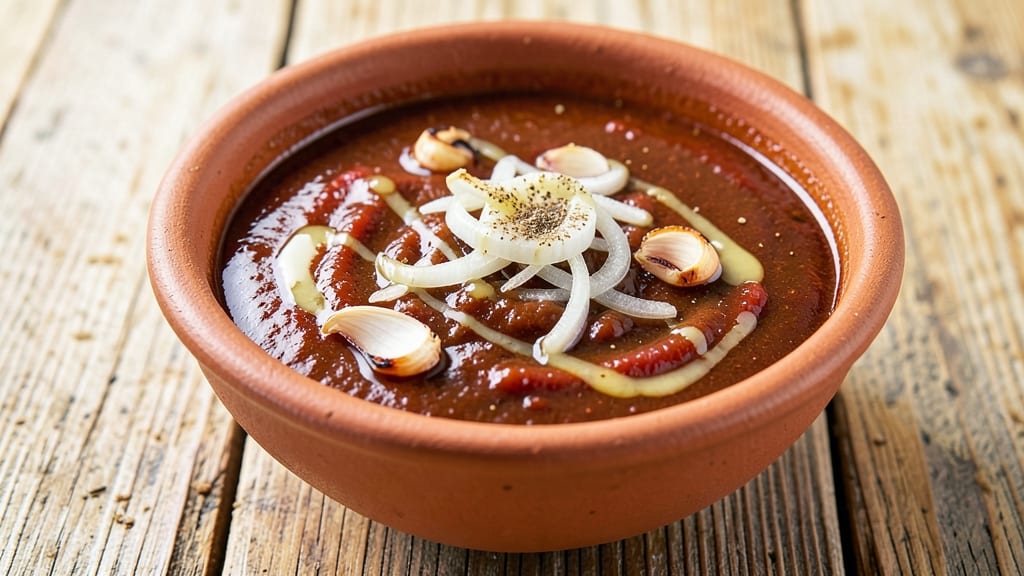
This authentic Mexican chipotle sauce transforms any dish with its deep, smoky heat—perfect for tacos, grilled meats, or even drizzled over eggs. 🔥 The secret lies in balancing adobo sauce’s natural sweetness with vinegar’s tang, creating a versatile sauce that’s both bold and complex.
Unlike store-bought versions, this recipe builds layers of flavor through slow simmering and precise spice blending, ensuring every drop delivers that signature Mexican smokiness.
The foundation starts with chipotle peppers in adobo, which provide the signature smoky depth. We’ll combine them with garlic, onions, and a touch of vinegar to brighten the richness, then blend until silky smooth.
Adjusting the heat level is simple—just add more adobo for intensity or a splash of broth to mellow the flavor. This sauce isn’t just a condiment; it’s a flavor enhancer that elevates everything it touches, from grilled chicken to roasted vegetables.
What sets this apart is its versatility—use it as a marinade, a dipping sauce, or a finishing touch for soups and stews. The smoky aroma alone will have your kitchen smelling like a Mexican street cart, while the balanced heat ensures it’s approachable for any spice tolerance.
Best of all, it keeps well in the fridge for up to two weeks, so you’ll always have a batch ready to transform your meals.
Whether you’re cooking for a crowd or prepping for the week, this sauce delivers restaurant-quality flavor with minimal effort. The slow simmering process allows the spices to meld, creating a sauce that’s richer and more nuanced than anything you’ll find in a jar.
Let’s get started—your taste buds will thank you.
Ingredients for authentic mexican chipotle sauce
Six spices, one smoky sauce. This is your shortcut to authentic Mexican flavor—bold, balanced, and ready in minutes.
| Ingredient | Amount | Notes |
|---|---|---|
| Chipotle Peppers in Adobo Sauce 🌶️ | 4 whole | Canned, with sauce included |
| White Onion 🧅 | 1 whole | Medium, roughly chopped |
| Garlic Cloves 🧄 | 4 cloves | Fresh, peeled, minced |
| White Vinegar 🍶 | ½ cup | White or apple cider |
| Tomato Paste 🍅 | 2 tbsp | Smooth, no sugar added |
| Ground Cumin 🌿 | 1 tsp | Toasted for depth |
| Dried Oregano 🍃 | 1 tsp | Mexican oregano preferred |
| Salt 🧂 | 1 tsp | Kosher or sea salt |
| Black Pepper 🌶️ | ½ tsp | Freshly ground preferred |
| Olive Oil 🫒 | 2 tbsp | Extra-virgin for richness |
| Water 💧 | ½ cup | Or vegetable broth |
The chipotle peppers are non-negotiable here—La Costeña or Goya are my go-tos, but any canned adobo will work. Look for peppers that still have some sauce clinging to them; that extra adobo adds depth. The onion and garlic are your aromatics—don’t skip toasting them in the olive oil first, or you’ll miss that foundational flavor. If you’re feeling fancy, grab Mexican oregano from a Latin market—it’s got a different profile than regular oregano, but the regular stuff works in a pinch. The tomato paste might be the most underrated ingredient here; it thickens the sauce and adds a subtle sweetness that rounds out the smokiness.
No white vinegar? Apple cider vinegar or lime juice will work, though the flavor will shift slightly. Running short on chipotles? Double the cumin and smoked paprika to compensate for the missing smokiness. The water can be swapped for vegetable broth—just reduce the salt by half if you go this route. For extra richness, stir in a tablespoon of nutritional yeast at the end; it adds a cheesy, umami note that pairs perfectly with the smokiness. If you’re making a big batch, double the ingredients and store the extra in ice cube trays for easy portioning later.
This sauce gets better with time—let it sit in the fridge for at least 24 hours before using, if possible. It keeps for 2 weeks in an airtight container, and freezes beautifully for up to 6 months. The longer it sits, the more the flavors meld together. If it thickens too much, just whisk in a splash of water or broth. And trust me, you’ll want to make extra—this sauce disappears faster than you’d think, especially when it’s drizzled over tacos or grilled meats.
Why You'll Love This Recipe
- Five-Ingredient Magic: I swear, this sauce comes together with stuff you already have—no fancy shopping. Just blend the smoky adobo peppers with onion, garlic, vinegar, and tomato paste, then simmer. That’s it. No stress, no cluttered pantry runs.
- Smoky Depth Fast: The adobo peppers give it that real Mexican smokiness—deep, rich, and just a little tangy. Honestly, the vinegar cuts through the heat perfectly, so it’s never overpowering. One taste and you’ll understand why it’s my go-to for everything.
- Meal Prep MVP: I make a big batch on Sundays and keep it in the fridge for weeks. Drizzle it on tacos, stir it into beans, or toss it with grilled chicken—it never gets old. Even my picky-eater friend asks for seconds when I bring it over.
- Budget-Friendly Fire: Chipotles in adobo are cheap, and the rest of the ingredients? Basic. You’ll get way more sauce than store-bought for a fraction of the cost. Plus, it keeps forever, so you’re not wasting money on single-use bottles. Smart move.
Step-by-step instructions for authentic Mexican chipotle sauce
Here's how to make this smoky, spicy sauce that captures Mexico's bold flavors.
🔥 Step 1: Toast the Spices for Maximum Flavor
Heat a dry skillet over medium heat and add the 2 tbsp olive oil. Once the oil shimmers, add the 1 whole white onion, chopped into ½-inch pieces, and the 4 cloves garlic cloves, minced. Cook for 5-6 minutes until the onion softens and turns golden brown, stirring occasionally.
Here's the thing—this toasting step develops deep, nutty flavors in the onion and garlic. You'll know it's ready when the onion pieces are caramelized and the garlic smells intensely aromatic. Remove from heat and set aside in a bowl to cool slightly.
🍳 Step 2: Blend the Chipotle Peppers with Vinegar
In a blender, combine the 4 whole chipotle peppers in adobo sauce (including ¼ cup of the adobo sauce from the can) with the 0.5 cup white vinegar. Blend until completely smooth, scraping down the sides as needed. This creates the smoky, tangy base of your sauce.
I like to keep the adobo sauce from the can because it contains vinegar and spices that enhance the chipotle's natural heat. If you're sensitive to spice, you can remove the seeds and membranes first, but don't skip the adobo sauce—it's essential for authenticity.
🥘 Step 3: Build the Sauce with Aromatics and Spices
Return the cooled onion and garlic to the skillet and add the blended chipotle mixture. Stir in the 2 tbsp tomato paste, 1 tsp ground cumin, 1 tsp dried oregano, 1 tsp salt, and 0.5 tsp black pepper. Cook over medium-low heat for 8-10 minutes, stirring frequently, until the mixture thickens slightly.
This is where the magic happens—the spices bloom and the flavors meld together. You'll see the sauce darken and develop a rich, complex aroma. If it starts to stick, add 1-2 tablespoons of the 0.5 cup water to keep it smooth.
⏰ Step 4: Simmer for Depth of Flavor
Pour in the remaining 0.5 cup water and bring the mixture to a gentle simmer. Reduce heat to low and let it cook uncovered for 15-20 minutes, stirring occasionally. The sauce should reduce slightly and develop a glossy, velvety texture.
Real talk: This simmering time is crucial. It allows the vinegar to mellow slightly while concentrating the flavors. You're looking for a sauce that coats the back of a spoon with a balance of smoky heat and tangy brightness. Taste and adjust seasoning—you might need a pinch more salt or a splash more vinegar to balance the flavors.
🍽️ Step 5: Finish and Use Immediately
Remove from heat and let the sauce cool for 5 minutes. For a smoother texture, strain through a fine-mesh sieve into a clean jar. The sauce will keep in the refrigerator for up to 2 weeks, but it's best used within 5-7 days for maximum flavor.
This versatile sauce works perfectly on tacos, grilled meats, soups, or even drizzled over avocado toast. The authentic combination of smoky chipotle, tangy vinegar, and warm spices makes it a pantry staple worth making from scratch.
Pro Tips For Making Authentic Mexican Chipotle Sauce
- STRAIN THE ADOBO FIRST: The adobo sauce from canned chipotles is thick and gritty—skip blending it straight in. Pour the peppers into a fine-mesh strainer, press out the liquid, and discard the solids. You’ll end up with a smoother sauce and less bitterness creeping in later. (Yes, even if you’re impatient like me.)
- CHAR THE ONION LOW: I used to rush this step and end up with a burnt mess that overpowers the sauce. Instead, cook the white onion over medium-low heat until it’s translucent and just starting to caramelize—about 8-10 minutes. The slow cook keeps the sweetness balanced and prevents that acrid aftertaste.
- BLANCH THE GARLIC: Raw garlic burns fast and adds a harsh bite. Toss the minced cloves into the pot with the onions for 1-2 minutes before adding vinegar or tomato paste. This softens them without browning, letting their flavor meld instead of fighting for dominance. (Your future self will notice the difference.)
- ACIDIFY IN STAGES: Dump all the white vinegar in at once, and you’ll end up with a sauce that tastes like pickles. Instead, add half the vinegar with the tomato paste, let it simmer for 3-4 minutes, then add the rest. This lets the acidity develop gradually, balancing the smoky chipotle without overpowering it.
Dietary considerations for this dish
Gluten-Free Adaptations
This chipotle sauce is naturally gluten-free as long as you use certified gluten-free spices and avoid cross-contamination. The white vinegar and tomato paste in the recipe are typically gluten-free, but always check labels—some brands add malt vinegar or wheat-based additives.
For extra safety, I recommend Bob’s Red Mill or Anthony’s for their gluten-free certified products. 🌱
Spice Sensitivity Options
If you're sensitive to heat, reduce the spice level by removing the seeds and membranes from the chipotle peppers before blending. For a milder sauce, use 2 chipotle peppers instead of 4 and add 1 extra tablespoon of tomato paste to balance the heat.
You can also blend in ½ cup plain yogurt or sour cream at the end for a cooling effect while keeping the smoky flavor intact.
Vegetarian & Vegan Adjustments
This sauce is already vegetarian, but for a vegan version, simply ensure your tomato paste and vinegar are plant-based. The olive oil and water are naturally vegan-friendly.
If you want to add depth, stir in 1 tablespoon of nutritional yeast at the end—it adds a cheesy, umami note that pairs perfectly with the smoky chipotle. 🌿
Low-Sodium Modifications
To reduce sodium, cut the salt to ½ teaspoon and use low-sodium vegetable broth instead of water. You can also omit the salt entirely and adjust to taste at the end.
For extra flavor without sodium, add ½ teaspoon of smoked paprika or 1 extra clove of garlic to compensate for the missing salt. Always taste as you go—this sauce is forgiving, and you can easily tweak the balance.
Dairy-Free Considerations
This recipe is already dairy-free, but if you're using it in dishes with cheese (like quesadillas), opt for dairy-free alternatives like cashew cheese or nutritional yeast-based spreads. The sauce’s tangy, smoky profile works beautifully with dairy-free toppings like avocado, cilantro, or pickled onions.
Just avoid any store-bought sauces or toppings that might contain hidden dairy. 🧀
Allergen-Friendly Swaps
For nut allergies, ensure your olive oil is nut-free (some brands process in shared facilities). If you're avoiding soy, check your tomato paste label—some brands add soy lecithin. For egg allergies, this recipe is already safe, but always double-check spice blends if you’re using pre-mixed ones.
The sauce’s base ingredients are simple, so it’s easy to adapt for most common allergies with careful label reading.
Nutrition facts
Frequently asked questions
Can I make this chipotle sauce without a blender?
If you don't have a blender, finely chop the chipotle peppers and adobo sauce instead of blending. For a smoother texture, strain the mixture through a fine-mesh sieve after simmering. The flavor will still be rich and authentic, though slightly less velvety. Just be sure to remove any large pepper pieces before serving.
How do I adjust the heat level in this sauce?
For milder heat, use 2 chipotle peppers instead of 4 and remove the seeds and membranes first. For extra spice, add 1-2 extra peppers or a pinch of cayenne pepper. Always taste as you go—you can balance the heat with more tomato paste or vinegar if needed.
Can I use this sauce in cooking or just as a condiment?
This sauce is incredibly versatile! Use it as a marinade for grilled meats, a base for soups, or a finishing sauce for tacos and bowls. The smoky depth works beautifully in braises, stews, or even as a glaze for roasted vegetables. Just reduce the sauce slightly if using in cooking to concentrate the flavors.
Why does my sauce look too thick or too thin?
If your sauce is too thick, whisk in 1-2 tablespoons of water or broth until smooth. For a thicker sauce, simmer uncovered for 5-10 extra minutes to reduce. The ideal consistency should coat the back of a spoon but still be pourable. Adjust gradually to avoid ruining the balance of flavors.
How long can I store this sauce, and can I freeze it?
The sauce keeps in the fridge for up to 2 weeks in an airtight container. For longer storage, freeze it for up to 6 months. Thaw overnight in the fridge and give it a good stir before using. The flavors actually improve with time, so making a big batch is worth it!