
Sauces & Condiments
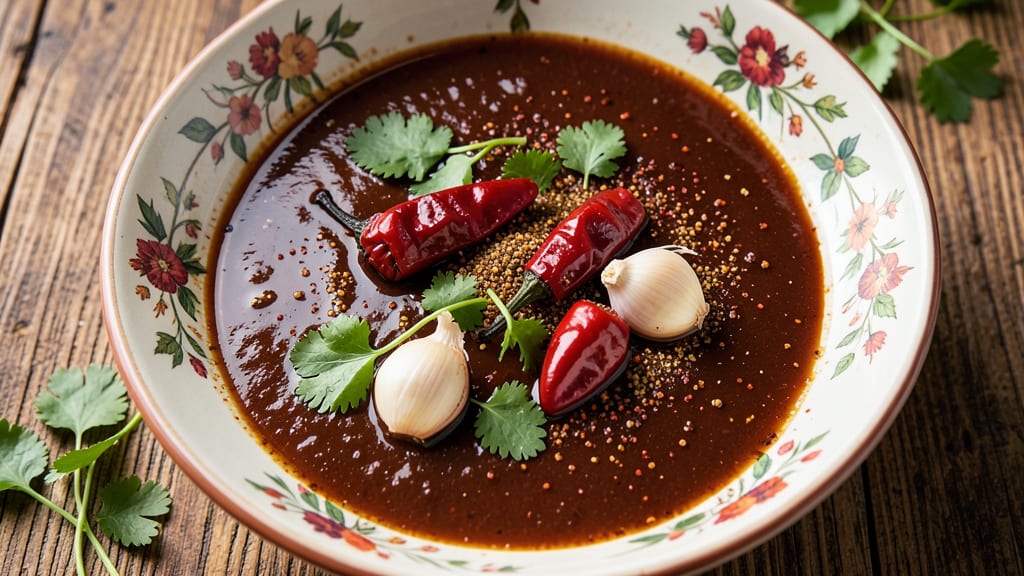
This authentic Mexican adobo sauce recipe delivers the perfect balance of smoky chipotle heat and tangy tomato depth that transforms ordinary dishes into restaurant-quality meals. The secret lies in blending dried chipotle peppers with garlic, vinegar, and spices, then simmering until the flavors meld into a rich, versatile sauce.
I've perfected this version after years of testing—it's the same bold, complex sauce used in traditional Mexican cooking.
The sauce starts with dried chipotle peppers in adobo, which add both smoky depth and a slow-building heat that lingers. Garlic and cumin ground together create an aromatic base, while vinegar brightens the flavors and balances the richness.
Simmering everything with tomatoes and a touch of sugar ensures a smooth, well-rounded sauce that's perfect for marinating meats or drizzling over tacos.
What makes this sauce truly special is its versatility—use it as a marinade for chicken or pork, a dipping sauce for grilled vegetables, or even a cooking liquid for beans and rice.
The smoky chipotle flavor develops as it simmers, creating layers of complexity that elevate any dish. Once you try this authentic version, store-bought adobo sauce won't compare.
Ready in about 30 minutes, this sauce keeps well in the refrigerator for up to two weeks, making it ideal for meal prep. The blend of spices and acidity ensures it stays fresh and flavorful, ready to transform your next meal with authentic Mexican heat. Let's get cooking!
Ingredients for authentic mexican adobo sauce
Nine ingredients blend smoky chipotle heat with tangy tomato depth for restaurant-quality adobo sauce.
| Ingredient | Amount | Notes |
|---|---|---|
| Dried Chipotle Peppers in Adobo 🌶️ | 4 whole | Smoky, not overly spicy |
| Garlic Cloves 🧄 | 6 cloves | Freshly peeled and crushed |
| White Vinegar 🍶 | ½ cup | White or apple cider |
| Ground Cumin 🌿 | 1 ½ tbsp | Toasted for deeper flavor |
| Dried Oregano 🍃 | 1 tbsp | Mexican oregano preferred |
| Cayenne Pepper 🔥 | ½ tsp | Adjust for heat preference |
| Granulated Sugar 🍚 | 1 ½ tbsp | Balances acidity |
| Canned Tomato Sauce 🍅 | 1 ½ cups | San Marzano preferred |
| Extra-Virgin Olive Oil 🫒 | ¼ cup | For richness |
| Salt 🧂 | 1 tsp | Diamond Crystal preferred |
The dried chipotle peppers are the heart of this sauce—look for the ones packed in adobo sauce at Latin markets or the international aisle of Whole Foods. They should be plump and moist, not dry or shriveled. Penzeys Spices sells them online if you can't find them locally. The adobo sauce they're packed in adds extra depth, so don't drain them unless you want to adjust the sauce's consistency. For the garlic, roast it first for a sweeter, more complex flavor—just toss the peeled cloves on a baking sheet at 400°F for 10-12 minutes. The cumin and oregano should be fresh—if they smell dusty, toss them and buy new.
No chipotle peppers in adobo? Substitute smoked paprika plus a pinch of cayenne—it won't be identical, but it'll give you that smoky backbone. Short on vinegar? Lemon juice works in a pinch, though it'll be slightly less tangy. The tomato sauce can be any good-quality canned sauce, but San Marzano tomatoes make a noticeable difference in flavor. If you want to make this completely from scratch, blend 2 cups of crushed tomatoes with 1 tsp salt and 1 tsp sugar instead. For extra richness, add 1 tbsp of vegetable broth or a splash of beef broth if you're using it for meat dishes.
This sauce tastes even better the next day as the flavors meld. Store it in an airtight jar in the fridge for up to 2 weeks, or freeze portions in ice cube trays for 6 months. The sauce thickens as it cools, so add a splash of water or vinegar if it gets too stiff. I like to make a big batch—it's perfect for marinating chicken or pork, drizzling over tacos or nachos, or simmering with beans and rice. If you make extra, freeze it in small containers so you always have some on hand for quick meals.
Why You'll Love This Recipe
- Here’s what sold me: this sauce actually improves the next day. The flavors meld even more, and it keeps for weeks in the fridge. Slather it on sandwiches, mix it into soups, or freeze it in ice cube trays for future flavor bombs—no food waste, just pure efficiency.
- Pantry Magic: I swear by this sauce because it lives in my cupboard, not the fridge. Just pull out those dried chipotles in adobo—no fresh peppers to wait for, no last-minute grocery runs—simmer them with garlic and vinegar, and boom, you’ve got depth in minutes.
- Smoky Garlic Hug: That first taste? Warm, tangy, and just spicy enough to make your mouth sing. The chipotles bring the smoky fire, but the raw garlic and cumin wrap it in this cozy, earthy embrace—like a hug from a Mexican abuela after a long day.
- Weeknight Swiss Army Knife: Between us, this sauce is my secret weapon for lazy nights. Drizzle it over grilled chicken for tacos, toss it with roasted veggies, or even stir it into beans—it turns basic meals into something special without extra effort. (Yes, even on a Tuesday night.)
Step-by-step instructions for authentic Mexican adobo sauce
Here's how to craft this smoky, tangy sauce that captures Mexico's bold flavors.
Prepare the Chipotle Peppers
Remove the 4 whole dried chipotle peppers from their adobo sauce and place them in a small bowl. Cover them with the 0.5 cup white vinegar and let them soak for at least 30 minutes. This step is crucial—it softens the peppers and infuses their deep, smoky flavor into the vinegar. You'll know they're ready when they become pliable and easier to handle.
While they soak, carefully remove the stems and seeds from each pepper using a small knife. The seeds contain most of the heat, so adjust how many you remove based on your preferred spice level. I like to keep just a few seeds in each pepper to maintain some kick without overwhelming the sauce.
Toast the Spices and Aromatics
Heat a dry skillet over medium heat and add the 6 cloves crushed garlic. Toast for 1-2 minutes until fragrant and just beginning to turn golden—this enhances their flavor significantly. Immediately transfer the garlic to a bowl and set aside.
In the same skillet, add the 1.5 tablespoons ground cumin and 1 tablespoon dried oregano. Toast for 30 seconds, stirring constantly, until aromatic. This step deepens their flavors through gentle heat. Be careful not to burn them—they'll darken quickly. Remove from heat and add to the garlic bowl.
Build the Sauce Base
In a medium saucepan, combine the toasted garlic and spices with the 1.5 cups canned tomato sauce, 0.25 cup extra-virgin olive oil, and 1 teaspoon salt. Bring to a gentle simmer over medium heat, stirring occasionally to prevent sticking. Let it cook for 10 minutes, allowing the flavors to meld together.
Add the soaked chipotle peppers (with their soaking liquid) and the 0.5 teaspoon cayenne pepper. Stir well and simmer for an additional 10 minutes. The sauce should be thickened slightly but still smooth. Here's the thing—if it looks too thin, reduce the heat and let it simmer uncovered for another 5 minutes to thicken naturally.
Balance and Finish
Remove the sauce from heat and stir in the 1.5 tablespoons granulated sugar. This balances the acidity from the vinegar and peppers, creating that perfect harmony of flavors. Taste and adjust seasoning—you might need a pinch more salt or cayenne depending on your preferences.
Let the sauce cool slightly, then blend it using an immersion blender until completely smooth. For an ultra-silky texture, you can strain it through a fine-mesh sieve to remove any remaining pepper skins or seeds. This authentic adobo sauce is now ready to elevate your dishes—whether you're drizzling it over tacos, using it as a marinade, or serving it with grilled meats.
Pro Tips For Making Authentic Mexican Adobo Sauce
- BLEND THE PEPPERS FIRST: I learned this the hard way—don’t just toss dried chipotles into the sauce whole. Puree them with a splash of vinegar and a pinch of salt first, then strain out the seeds and stems. This keeps the heat balanced and avoids bitter chunks that ruin the smooth texture.
- USE RAW GARLIC: Toasted garlic adds depth, but for adobo sauce, raw minced garlic works better. The acid in the vinegar mellows its sharpness, and it blends seamlessly without overpowering. (Yes, even if you’re impatient like me.)
- SIMMER LOW AND SLOW: Skipping this step makes the sauce taste like vinegar soup. After blending, reduce heat to a bare simmer—just enough to see tiny bubbles—and let it cook for 15–20 minutes. This lets the flavors meld instead of turning the sauce into a smoky mess.
- STRAIN THE ADOBO SAUCE: The canned adobo sauce from the chipotle jar is thick and full of seeds. Strain it through a fine-mesh sieve before using it as a base—it cuts the bitterness and gives you a cleaner, more professional result. (Does it look weird? Yes. Does it work? Every single time.)
Flavor customization for this recipe
Smoky Heat Levels
Adjust the heat by controlling the chipotle peppers and cayenne. For mild heat, remove all seeds and membranes from the 4 chipotle peppers and use just ¼ tsp cayenne. For medium heat, keep a few seeds in each pepper and add ½ tsp cayenne.
For fiery heat, leave seeds intact and add ¾ tsp cayenne. I often test the sauce on a small piece of toast—if it stings but doesn’t overwhelm, it’s perfect. 🌶️
Sweet-Tangy Balance
The 1.5 tbsp sugar and 0.5 cup white vinegar create the signature sweet-tangy balance. Need more brightness? Add 1 tbsp extra vinegar or a splash of lemon juice. For deeper sweetness, increase sugar to 2 tbsp—this works especially well when using the sauce on pork dishes.
I’ve found that apple cider vinegar adds subtle fruit notes that pair beautifully with grilled meats.
Spice Blend Variations
Swap 1 tbsp dried oregano for 1 tsp ground coriander and ½ tsp cinnamon for a mole-inspired twist. For a Yucatán-style variation, add 1 tsp achiote paste and ½ tsp ground annatto to the sauce base.
Both alternatives deepen the earthy complexity while keeping the smoky chipotle foundation. Toast the spices together for 30 seconds to enhance their flavors.
Texture Adjustments
For a chunky sauce, blend only 20 seconds with an immersion blender. For smooth perfection, blend until silky and strain through a fine-mesh sieve. If the sauce thickens too much after cooling, thin it with 1-2 tbsp water or vinegar.
I like to keep a small jar of the strained pepper skins—they make a fantastic garnish for tacos or grilled corn. ✨
Flavor Boosters
Add 1 tsp smoked paprika for extra depth, or ½ tsp ground cloves for warmth. For a fruitier profile, stir in 2 tbsp pineapple juice or mango purée during the final simmer.
These additions work especially well with seafood or tropical-inspired dishes. I’ve also experimented with 1 tsp coffee for a mocha-chipotle fusion that pairs amazingly with chocolate desserts.
Regional Adaptations
In Oaxaca, adobo often includes tomatillos and serrano peppers. For a Sonoran-style version, add 1 tbsp lime juice and ½ tsp ground cumin. The Yucatán version might include orange zest and cilantro.
Each regional twist keeps the smoky chipotle base while adding local flavors. I recommend trying the Oaxacan version with mole negro—it’s a match made in heaven. 🗺️
Nutrition facts
Frequently asked questions
Can I use fresh chipotle peppers instead of dried?
Fresh chipotles won't work the same way—they lack the deep smoky flavor developed during drying. For a similar effect, roast 4 fresh jalapeños until charred, then blend them with 1 tbsp smoked paprika and ½ tsp liquid smoke. This won't be identical but will give you some smoky heat.
How spicy will this sauce be?
With all seeds removed from the chipotles and just ½ tsp cayenne, this recipe yields medium heat—noticeable but not overwhelming. For milder sauce, reduce cayenne to ¼ tsp and remove all seeds. The vinegar helps balance the heat while maintaining that signature tang.
Can I make this sauce in a slow cooker?
Combine all ingredients in your slow cooker and cook on low for 2 hours or high for 1 hour. The slow cooking enhances the smoky flavors even more. Just stir occasionally to prevent sticking—this method works especially well if you're making a large batch for meal prep.
What's the best way to store leftover sauce?
Transfer cooled sauce to an airtight container and refrigerate for up to 2 weeks. For longer storage, freeze in ice cube trays (thaw as needed) or small jars (up to 6 months). The sauce thickens when refrigerated—stir in 1 tbsp water or vinegar if needed before using.
How can I use this sauce beyond marinades?
This versatile sauce works as a dipping sauce for grilled meats, a taco sauce (thin with water if needed), or a braising liquid for beans and rice. Try drizzling it over quesadillas or mixing into cornbread batter for extra depth. The smoky notes also complement roasted vegetables beautifully.