
Sauces & Condiments
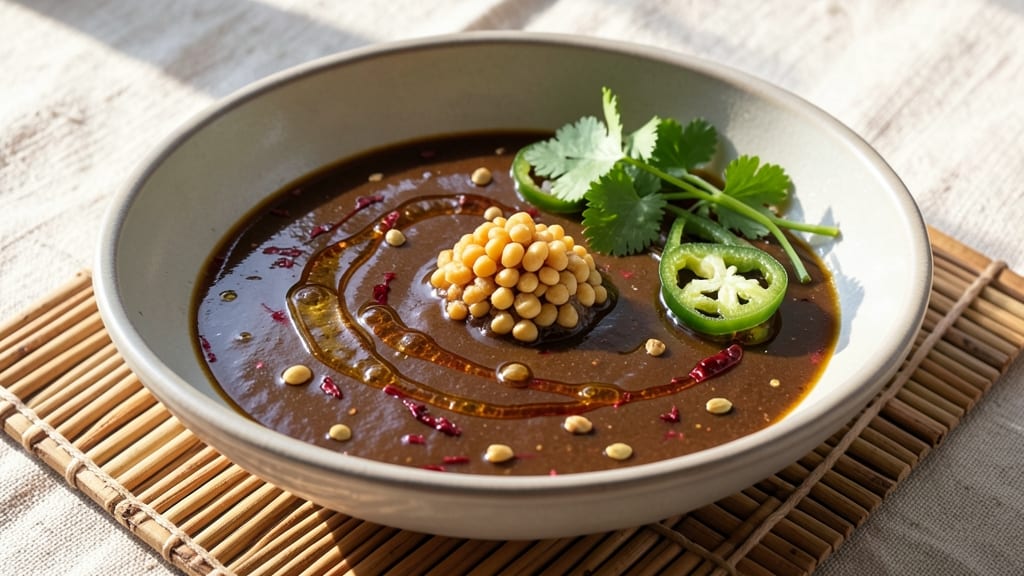
This authentic Madras sauce recipe transforms everyday meals into vibrant, flavor-packed dishes with just a few simple ingredients and precise technique. The key lies in balancing tangy tamarind, fiery chilies, and aromatic spices—each playing a crucial role in creating that signature South Indian depth.
I’ve perfected this version after years of testing, ensuring the perfect harmony of heat, sourness, and umami that defines Madras cuisine.
The process begins with toasting whole spices until fragrant, then grinding them into a fine paste with tamarind, red chilies, and lentils for texture. Cooking this mixture with coconut oil unlocks rich, complex flavors, while a touch of jaggery or sugar balances the acidity.
What you’ll end up with is a versatile sauce that elevates rice, dosas, or curries with just a drizzle—or serves as a bold dip for crispy snacks.
What sets this recipe apart is its authentic boldness—no shortcuts, no compromises. The tamarind provides the signature tang, while the lentils add body and a subtle earthiness. Heat levels are adjustable, so you can tailor it to your preference without losing the sauce’s signature character.
Once mastered, this sauce becomes your secret weapon for restaurant-quality meals at home.
Use it as a drizzle over steamed rice, a marinade for grilled meats, or a dip for samosas. The possibilities are endless, but the technique remains the same: precision in spice blending and patience in cooking. Let’s get started on creating your own batch of this iconic sauce.
Ingredients for authentic madras sauce
Eleven ingredients, one iconic sauce—authentic Madras flavor in every spoonful.
| Ingredient | Amount | Notes |
|---|---|---|
| Coconut Oil 🫒 | ½ cup | Unrefined for authentic flavor |
| Red Chilies 🌶️ | 4 whole | Dried, medium heat preferred |
| Tamarind Paste 🍈 | ¼ cup | Unadulterated, no sugar added |
| Yellow Lentils 🌾 | ¼ cup | Split, for texture and earthiness |
| Coriander Seeds 🌿 | 1 tbsp | Whole, lightly toasted |
| Cumin Seeds 🌿 | 1 tsp | Whole, for deep aroma |
| Black Peppercorns 🌶️ | ½ tsp | Whole, cracked lightly |
| Dried Fenugreek Leaves 🌿 | 1 tsp | Kasuri methi, crushed |
| Jaggery 🍯 | 1 tbsp | Or brown sugar as substitute |
| Asafoetida 🧂 | ⅛ tsp | Pinch for umami depth |
| Salt 🧂 | ½ tsp | Kosher or sea salt |
The tamarind and lentils are non-negotiable for that signature Madras tang and body. Look for pure tamarind paste at Indian grocery stores—avoid the sweetened versions that ruin the balance. Whole spices (coriander, cumin, peppercorns) should be toasted until fragrant, not burned. I always grab mine from Patel Brothers or local Indian markets—the quality difference is night and day. Fenugreek leaves (kasuri methi) can be hard to find, but Trader Joe's carries them in the international aisle. If you can't find jaggery, brown sugar works, though purists will notice the difference.
No tamarind? Lemon juice plus a pinch of sugar mimics the tang, though it won't have the same depth. Running short on lentils? Chickpeas or toor dal at half the amount add similar texture. Want more heat? Add an extra chili or swap in red pepper flakes. The asafoetida (hing) is optional but adds that unmistakable umami—if you skip it, double the fenugreek. Coconut oil is key; don't substitute vegetable oil—it lacks the rich, nutty base this sauce needs. For a smoother texture, blend the cooked mixture longer, but leave it slightly chunky for authentic texture.
This sauce keeps beautifully—1 week in the fridge or 3 months frozen. I portion mine into ice cube trays for easy use in curries or drizzling. The flavors actually improve after a day or two as everything melds. If it thickens too much, stir in a splash of water or coconut milk. For extra boldness, add a splash of vinegar or a pinch of sugar to balance acidity. Store in a clean, dry jar with a tight seal to keep out moisture.
Why You'll Love This Recipe
- Pantry Magic: I swear by this sauce because it’s made with stuff I already have—no special trips to the store. Coconut oil, tamarind, and coriander seeds? Those little jars in my cabinet hold the secret to something that tastes like a restaurant.
- Tamarind Tang: Honestly, the tamarind paste is the MVP here. It cuts through the heat of the red chilies and lentils, leaving that perfect balance of sweet, sour, and spicy. One taste and you’ll understand why this isn’t just sauce—it’s a flavor explosion.
- Weeknight Workhorse: Between us, this is my go-to for lazy nights or when unexpected guests show up. Drizzle it over rice, toss it with veggies, or use it as a dip—it’s that adaptable. No fuss, just flavor.
- Budget Boost: I make this sauce in big batches because it’s cheap to feed a crowd. The yellow lentils and spices stretch far, and the leftovers? Still taste amazing reheated. My wallet and my taste buds win every time.
Step-by-step instructions for authentic Madras sauce
Here's how to craft this fiery, aromatic sauce that defines South Indian cuisine.
Toast the Spices Until Fragrant
Heat the 0.5 cup coconut oil in a heavy-bottomed pan over medium-low heat. Add the 1 tablespoon coriander seeds and 1 teaspoon cumin seeds, stirring constantly until they begin to dance and release their aroma—about 2 minutes. The seeds should turn a rich golden color and fill your kitchen with warm, earthy scents.
Next, add the 4 whole red chilies and 0.5 teaspoon black peppercorns, toasting for another 1-2 minutes until the chilies darken slightly and the peppercorns become fragrant. Remove from heat immediately—over-toasting will make the spices bitter. Let this spice blend cool slightly before proceeding; this prevents burning when you add the tamarind.
Grind the Spices to a Fine Powder
Transfer the toasted spices to a clean, dry spice grinder or mortar and pestle. Grind them into a fine powder, ensuring no large pieces remain. The texture should be smooth, like flour, with no visible specks. This step is crucial—uneven grinding can create a gritty sauce that lacks the silky mouthfeel Madras sauce is known for.
While grinding, keep the 1 teaspoon dried fenugreek leaves and 0.125 teaspoon asafoetida separate. The fenugreek needs to be crushed lightly with a rolling pin or between your palms, while the asafoetida should remain whole until the final step. These ingredients add depth but can overpower if ground too aggressively.
Cook the Tamarind and Lentils
In the same pan, add the 0.25 cup tamarind paste and 0.25 cup yellow lentils. Stir well to combine, then add 1 cup water and bring to a gentle simmer over medium heat. Cook for 10-12 minutes, stirring occasionally, until the lentils soften and the mixture thickens into a paste-like consistency. The sauce should coat the back of a spoon but still flow smoothly.
Here's the thing—don't rush this step. The lentils need to break down completely, releasing their earthy flavor and helping to thicken the sauce naturally. If it looks too thick, add 1-2 tablespoons water at a time until it reaches a smooth, spreadable consistency. The final texture should be like a thick gravy, not a dry powder.
Build the Sauce with Jaggery and Salt
Reduce the heat to low and stir in the 1 tablespoon jaggery and 0.5 teaspoon salt. Let the mixture simmer for 3-4 minutes, stirring constantly, until the jaggery dissolves completely and the sauce becomes glossy. The jaggery balances the acidity of the tamarind and adds a subtle sweetness that rounds out the heat.
Now's the time to add the crushed fenugreek leaves and the whole asafoetida. Stir in the fenugreek first, letting it steep for 1 minute to release its bitterness. Then add the asafoetida—it will sizzle slightly and dissolve into the sauce, adding that unmistakable umami depth that defines Madras cuisine. Taste and adjust the salt if needed; the sauce should be bold but not overpowering.
Finish with the Spice Powder
Return the pan to medium heat and slowly sprinkle in the ground spice powder, stirring continuously to prevent burning. Cook for 2-3 minutes until the raw spice flavor cooks off and the sauce becomes fragrant. The sauce should be smooth, vibrant red, and slightly thickened from the toasted spices.
For the perfect finish, remove from heat and let the sauce rest for 5 minutes. This allows the flavors to meld completely. The sauce should have a tangy-sweet balance, with a lingering warmth from the chilies and a deep, earthy complexity from the lentils and spices. Serve immediately over rice, dosa, or use as a base for curries—this sauce transforms any dish into an authentic South Indian masterpiece.
Pro Tips For Making Authentic Madras Sauce
- Toast coriander seeds: Dry-toast them in coconut oil for 30 seconds until they smell like a spice market—this unlocks their nutty depth. I used to skip this, and the sauce just tasted flat, like someone forgot the soul.
- Temper the tamarind: Mix it with ¼ cup warm water first, then strain. Tamarind paste is stubborn—this smooths out the pulp and keeps your sauce from turning into a gloopy mess. (Yes, even if you’re impatient like me.)
- Low-and-slow lentils: Simmer the yellow lentils in coconut oil until they’re just tender—about 12-15 minutes. Overcooking turns them to mush, and you’ll end up with a sad, watery base instead of a thick, velvety sauce.
- Control the chili heat: Toast whole red chilies first, then grind them with coriander seeds—this mellows the raw spice. Slapping raw chilies into the pot is how you end up with a sauce that could strip paint. (I’ve learned.)
Wine and beer pairings for this authentic madras sauce
White Wine Pairings
For Madras sauce’s bold tang and spice, I reach for a crisp Chenin Blanc from India’s own Karnataka region—its bright acidity cuts through the heat while complementing the tamarind’s sourness. Look for Grapes of Wrath or Sula Vineyards bottles, both of which offer excellent value.
The wine’s subtle honeyed notes from oak aging also mirror the jaggery’s sweetness, creating a perfect balance. 🍷
Beer Pairings
A Malty Indian Pale Ale (IPA) like Kingfisher IPA or Bangalore Brewing Company’s Spice IPA stands up to Madras sauce’s complexity. The beer’s caramel maltiness softens the tamarind’s sharpness, while the hop bitterness echoes the chili heat.
For a lighter option, try a German Hefeweizen—its banana and clove notes play beautifully with the fenugreek’s earthiness. 🍺
Non-Alcoholic Options
For a refreshing non-alcoholic match, I turn to ginger beer—the zesty ginger complements the sauce’s spice, while the effervescence cleanses the palate. BrewDog’s Ginger Beer (available in many grocery stores) is my go-to, or make your own by steeping 2 tbsp fresh ginger in 1 cup boiling water, then mixing with ½ cup lime juice and 1 tbsp honey.
Serve chilled for the best contrast. 🌿
Regional Pairings
In South India, Madras sauce is often paired with filter coffee—the strong, spiced brew made with chakki powder (ground coffee) and condensed milk. The coffee’s boldness stands up to the sauce’s intensity, creating a classic combination.
For a modern twist, try pairing it with masala chai—the cardamom and cinnamon in the tea complement the sauce’s warm spices beautifully. ☕
Unexpected Pairings
Don’t overlook mango lassi as a surprising but delicious pairing. The creamy yogurt base cools the palate, while the mango’s sweetness balances the sauce’s tang. I blend 1 cup yogurt, ½ cup ripe mango puree, 1 tsp cardamom powder, and 1 tbsp honey for a refreshing contrast.
This combo works especially well with Madras sauce as a dip for samosas or pakoras. 🥭
Nutrition facts
Frequently asked questions
What makes this Madras sauce different from other South Indian chutneys?
This sauce stands out because it combines tamarind's tang, lentils for body, and toasted spices into one versatile condiment. Unlike coconut-based chutneys, it has a thick, paste-like consistency that works as both a drizzle and cooking base. The key is balancing the heat from chilies with jaggery's sweetness—something many recipes skip.
Can I adjust the heat level in this sauce?
For milder heat, reduce the number of whole red chilies to 2-3 or swap them for 1 tsp red pepper flakes. For extra spice, add ½ tsp cayenne pepper or increase the chilies to 6-8. Always taste as you go—the sauce's tanginess will help balance any heat adjustments.
How should I store and reheat leftover Madras sauce?
Store in an airtight container in the fridge for up to 1 week or freeze for 3 months. To reheat, warm gently in a pan over low heat with 1 tbsp water to restore smoothness. Never microwave—it can make the sauce grainy. For best texture, reheat just until warm, then stir in fresh coconut oil if needed.
What dishes work best with this sauce?
This versatile sauce elevates steamed rice, dosa, and idli as a drizzle, or serves as a base for curries. Try it as a dip for pakoras or samosas, or mix into yogurt for a spiced raita. The lentils make it perfect for vegetable stir-fries too—just simmer with your veggies for 5-7 minutes at the end.
What's the best substitute if I can't find tamarind?
Mix ¼ cup lemon juice with 1 tsp sugar to mimic tamarind's tang, though it won't have the same depth. For closer results, try 1 tbsp vinegar + ½ tsp sugar. If you're missing the lentils, use 2 tbsp chickpea flour mixed with water to thicken, but the texture will be slightly different. The sauce will still work—just expect a brighter flavor profile.