
Sauces & Condiments
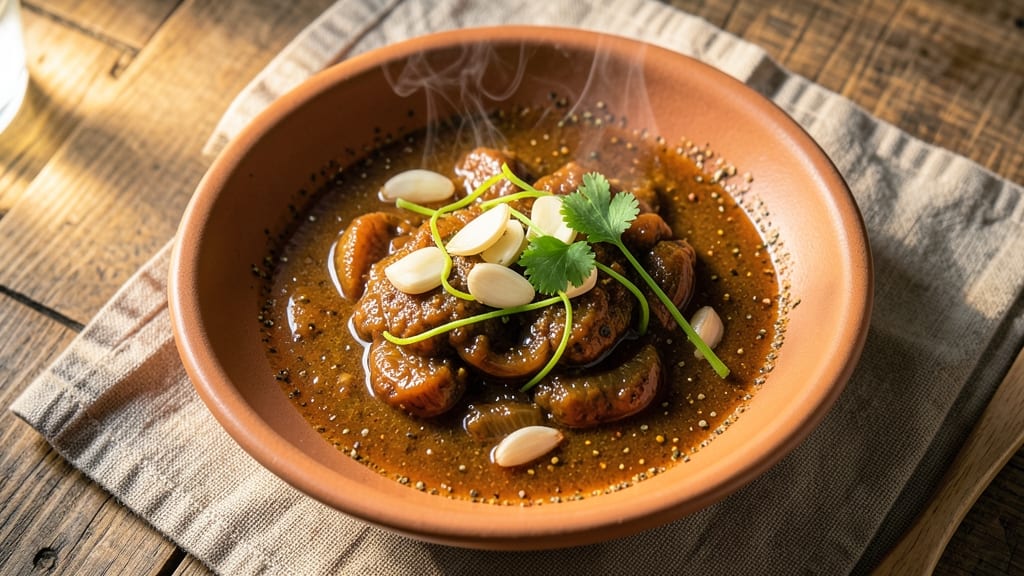
This authentic Madras curry sauce recipe captures the bold, complex flavors of South Indian cuisine in every spoonful. The secret lies in balancing fiery spices like chili and turmeric with the tangy depth of tamarind and coconut milk—a combination that transforms simple proteins into restaurant-worthy dishes.
I developed this recipe after years of studying traditional techniques, ensuring every batch delivers that signature Madras punch without compromising on authenticity.
The sauce begins with a fragrant base of onions, garlic, and ginger, toasted to perfection before adding the signature Madras spice blend: coriander, cumin, fenugreek, and black pepper. What sets this sauce apart is the slow reduction with tomatoes and tamarind, which mellows the heat while intensifying the umami.
The coconut milk at the end adds a velvety richness that rounds out the flavors, making it versatile enough for both curries and dipping sauces.
What you'll end up with is a vibrant, aromatic sauce with a perfect balance of heat, tang, and depth—ideal for chicken, fish, or vegetables. The texture is smooth yet clingy, clinging to every bite while delivering layers of flavor that transport you to the streets of Madras.
Unlike many store-bought versions, this recipe avoids shortcuts, using whole spices and fresh ingredients to create something truly authentic.
Best of all, this sauce keeps well in the refrigerator for up to a week, allowing you to build flavor over time. Whether you're serving it as a condiment or using it as the base for a curry, the result is a dish that feels both comforting and exciting.
Let's get started on creating this flavorful staple for your kitchen.
Ingredients for authentic madras curry sauce
Here's what transforms simple ingredients into restaurant-worthy Madras curry sauce.
| Ingredient | Amount | Notes |
|---|---|---|
| Yellow Onions 🧅 | 1 ½ cups | Finely chopped, medium size |
| Garlic Cloves 🧄 | 8 cloves | Peeled and smashed |
| Fresh Ginger 🌿 | ½ cup | Grated, about 2 inches |
| Vegetable Oil 🫒 | ½ cup | For sautéing, neutral flavor |
| Ground Coriander 🌿 | 2 tbsp | Freshly ground preferred |
| Ground Cumin 🌿 | 1 ½ tbsp | Toasted for deeper flavor |
| Fenugreek Seeds 🌶️ | 1 tbsp | Lightly toasted, ground |
| Black Peppercorns 🌶️ | 1 ½ tbsp | Crushed, not powdered |
| Turmeric Powder 🌶️ | 1 ½ tbsp | Bright yellow, vibrant |
| Red Chili Powder 🔥 | 1 tbsp | Adjust for heat preference |
| Ripe Tomatoes 🍅 | 2 cups | Chopped, or 1 can crushed |
| Tamarind Paste 🍈 | ¼ cup | Or 2 tbsp tamarind pulp |
| Coconut Milk 🥥 | ½ cup | Full-fat for creaminess |
| Salt 🧂 | 1 ½ tsp | Adjust to taste |
| Water 💧 | 1 cup | For thinning if needed |
The spices are the heart of this sauce, so toast your whole spices first—cumin, coriander, and fenugreek—until fragrant. Penzeys or bulk bins are great for quality spices, but even grocery store brands work if they're fresh. Look for vibrant colors: your turmeric should be bright yellow, not dull; chili powder should smell pungent, not stale. Fenugreek seeds are key—they add that signature Madras bitterness, so don't skip them. If you can't find whole fenugreek, ground works in a pinch, but toast it first to wake up the flavor.
No fresh ginger? Powdered ginger at half the amount works, but you'll lose some depth. Tamarind paste can be tricky—Trader Joe's sells a good block version, or use tamarind pulp from Latin markets. For chili heat, adjust the red chili powder to your taste; if you want smokiness, add a pinch of smoked paprika. The coconut milk should be full-fat for that creamy finish, but light works if that's all you've got. And if your tomatoes are watery, drain the canned ones well—you want thick, rich sauce, not soup.
This sauce builds flavor over time, so make it a day ahead if possible. Store in a jar in the fridge for up to 1 week, or freeze for 3 months. I like to make extra and use it as a marinade too—just thin with water before applying. The sauce thickens as it cools, so add a splash of water if it gets too stiff. And trust me, the longer it sits, the better it tastes—the spices really meld together.
Why You'll Love This Recipe
- One-Pot Magic: I swear by this sauce—just onions, garlic, ginger, and coriander in oil, simmered until the spices sing. No blender, no fuss, just a single pot that transforms into something deep and aromatic.
- Spice Symphony: That first whiff of toasted coriander and ginger? Chef’s kiss. The onions caramelize just enough to balance the heat, while the garlic adds this bright, almost sweet punch—like a warm hug for your taste buds.
- Meal Prep MVP: Make a double batch on Sunday, and you’ve got curry for lunches, stir-fries, or even sandwiches all week. The sauce keeps beautifully in the fridge, ready to wake up any dish with that rich, spiced depth.
- Budget-Friendly Powerhouse: Ground coriander and fresh ginger are cheap but pack a flavor wallop. This sauce stretches across multiple meals without breaking the bank—plus, the onions and garlic make it feel special, not skimpy.
Step-by-step instructions for authentic Madras curry sauce
Here's how to build this vibrant, complex sauce with layers of spice and tang.
Sauté the Aromatics Until Golden
Heat the 0.5 cup vegetable oil in a heavy-bottomed pot over medium heat. Add the 1.5 cups yellow onions and cook for 8-10 minutes, stirring occasionally, until they turn a deep golden brown. This caramelization builds the sauce's depth of flavor.
Add the 8 cloves garlic cloves and 0.5 cup fresh ginger to the pot. Cook for another 3-4 minutes until the garlic turns golden and the ginger loses its raw bite. The mixture should smell rich and aromatic—this is your foundation. Be careful not to burn the garlic; it should sizzle gently rather than darken.
Toast the Spices for Maximum Flavor
Reduce the heat to low and add the 1 tbsp fenugreek seeds and 1.5 tbsp black peppercorns. Toast them for 1-2 minutes until fragrant and slightly darker in color. Remove the pot from heat and immediately add the 2 tbsp ground coriander, 1.5 tbsp ground cumin, 1.5 tbsp turmeric powder, and 1 tbsp red chili powder. Stir well to combine.
Return the pot to medium heat and cook the spices for 1-2 minutes until they release their oils and fill your kitchen with an intoxicating aroma. This step is crucial—it develops the spices' full potential. Don't rush it; let them bloom properly for that authentic Madras character.
Add Tomatoes and Tamarind for Tang
Increase the heat to medium-high and add the 2 cups ripe tomatoes. Cook for 5-7 minutes until the tomatoes break down into a thick, chunky consistency. Stir frequently to prevent sticking, and scrape up any browned bits from the bottom of the pot—they're packed with flavor.
Add the 0.25 cup tamarind paste and 1.5 tsp salt. Stir well and cook for another 3-4 minutes until the tamarind dissolves and the mixture becomes glossy. The sauce should be thick and slightly sticky at this stage. If it's too thick, add 1-2 tablespoons of water to help it blend smoothly.
Simmer and Finish with Coconut Milk
Reduce the heat to low and let the sauce simmer for 10-15 minutes, stirring occasionally. This slow cooking allows all the flavors to meld together beautifully. The sauce should thicken further, and the spices should be fully integrated. Taste and adjust the seasoning—add more salt or chili powder if needed.
Once the sauce is well balanced, stir in the 0.5 cup coconut milk. Simmer for another 2-3 minutes until the sauce reaches your desired consistency. The coconut milk adds a creamy richness that balances the fiery spices. Remove from heat and let it cool slightly before serving.
Adjust Consistency and Serve
If the sauce is too thick, thin it with the remaining 1 cup water as needed. The sauce should be smooth and glossy, clinging to the back of a spoon. For an extra layer of flavor, you can blend it briefly with an immersion blender, though some texture is fine for an authentic touch.
This Madras curry sauce is now ready to use. It pairs beautifully with chicken, lamb, or even vegetables. Store any leftovers in an airtight container in the refrigerator for up to 5 days, or freeze for longer storage. The flavors will only deepen over time, making it even more delicious.
Pro Tips For Making Authentic Madras Curry Sauce
- Bloom the Onions Slow: Madras curry sauce demands sweet, caramelized onions—not burnt or mushy. Cook them on medium-low heat for 15-20 minutes, stirring every 3-4 minutes, until they’re deep golden and almost jammy. I used to rush this, and the sauce ended up bitter. Patience here makes all the difference.
- Grind Ginger-Fine, Not Paste: Fresh ginger loses its punch when blended into a paste. Instead, peel and finely grate it (or pulse in a food processor in short bursts) so it releases flavor gradually. Madras curry needs that sharp, bright ginger heat—not a watery, muted aftertaste. Trust me, your sauce will thank you.
- Add Ground Coriander Last: Coriander burns faster than you’d think. Wait until the onions are fully caramelized and the garlic’s just sizzling before stirring in the ground coriander. A quick 10-15 seconds is all it needs—any longer, and you’ll taste ash. I learned this after one very bitter batch.
- Toast Garlic in Oil, Not Butter: Madras curry sauce relies on garlic for depth, but butter burns too easily. Use vegetable oil (or ghee if you prefer) and toast the garlic until it’s golden, not brown—about 1-2 minutes. Overcooked garlic turns bitter; undercooked tastes raw. Aim for that sweet, nutty aroma before moving on.
Troubleshooting your authentic madras curry sauce
Burnt Onions Fix
If your onions start to burn before reaching that perfect golden brown, immediately reduce the heat to low and add 1-2 tablespoons of water to deglaze the pan. Scrape up all the browned bits—they're packed with flavor!
Then continue cooking at a lower temperature until the onions soften. This trick saves your base without sacrificing depth. 🔥
Spice Overload
Too much heat? The coconut milk at the end helps balance it, but if your sauce is overwhelmingly spicy, add 1-2 tablespoons of yogurt or coconut milk to mellow the heat.
Alternatively, thin with water or tomato juice and simmer for 5 minutes to let the flavors settle. Taste as you go—this sauce is meant to be bold but balanced.
Sauce Too Thin
If your sauce ends up too watery, simmer it uncovered on medium-low heat for 10-15 minutes to reduce the liquid. For a thicker texture, stir in 1 tablespoon of cornstarch mixed with 1 tablespoon water and simmer for 2-3 minutes until it reaches your desired consistency.
Avoid adding too much at once—build thickness gradually.
Tamarind Not Dissolving
If your tamarind paste clumps or doesn't dissolve, blend it with 2 tablespoons of warm water first to create a smooth paste. Stir it into the sauce and simmer for an extra 2-3 minutes to fully incorporate.
For extra tang, add a splash of lemon juice at the end—it brightens the flavors beautifully. 💫
Lacking Depth
Need more complexity? Toast an extra ½ teaspoon of mustard seeds with your spices for a nutty depth, or add 1 teaspoon of asafoetida (hing) when cooking the tomatoes—it adds an umami punch. For smokiness, a pinch of smoked paprika works wonders. These tweaks elevate the sauce without overpowering it.
Storage Issues
If your sauce separates or develops a skin after refrigerating, stir in 1 tablespoon of coconut milk or water and reheat gently on low heat until smooth. For freezing, portion into airtight containers with 1 inch headspace—this prevents ice crystals from breaking down the texture.
Thaw overnight in the fridge and reheat slowly to preserve flavor. ❄️
Nutrition facts
Frequently asked questions
What makes this Madras curry sauce different from other South Indian sauces?
This recipe captures the signature Madras profile with its bold spice blend—fenugreek, black pepper, and turmeric—that creates that signature bitterness and depth. Unlike milder curries, this sauce balances heat with tangy tamarind and creamy coconut milk, giving it a complex, restaurant-quality punch. The slow caramelization of onions and tomatoes builds layers of umami that set it apart from quicker, less nuanced sauces.
Can I make this sauce without tamarind paste?
Yes, but you'll lose that signature tang. For a substitute, mix 1 tablespoon lemon juice with 1 tablespoon brown sugar to mimic tamarind's sweet-sour balance. Alternatively, use ½ cup tomato paste (extra for acidity) or 1 tablespoon vinegar—though none will perfectly replicate tamarind's depth. The sauce will still work, just with a different flavor profile.
How spicy is this sauce, and can I adjust the heat?
The recipe includes 1 tablespoon red chili powder for moderate heat, but you can easily adjust it. For milder heat, reduce to ½ teaspoon or omit entirely. For extra fire, add ½ teaspoon cayenne pepper or 1-2 fresh red chilies (seeds removed for less heat). The coconut milk at the end helps balance any spice overload, so don't worry about going bold—it's designed to be versatile!
What's the best way to use leftover Madras curry sauce?
This versatile sauce works in so many ways! Use it as a marinade for chicken, fish, or lamb (thin with water first), stir into rice or lentils, or drizzle over grilled meats. For a quick fix, mix with yogurt for a cooling dip, or blend with coconut milk to make a creamy curry. It also freezes beautifully—portion into ice cube trays for easy single-use servings later.
Why does my sauce taste flat after making it?
Flat flavor usually means the spices weren't toasted enough or the sauce didn't simmer long enough. Next time, toast your spices until they're visibly darker and aromatic, and simmer the sauce for the full 10-15 minutes to let flavors meld. If it's already made, try adding a pinch of asafoetida (hing) or a splash of lemon juice to brighten it up. Patience is key—this sauce tastes even better the next day as flavors develop!