
Sauces & Condiments
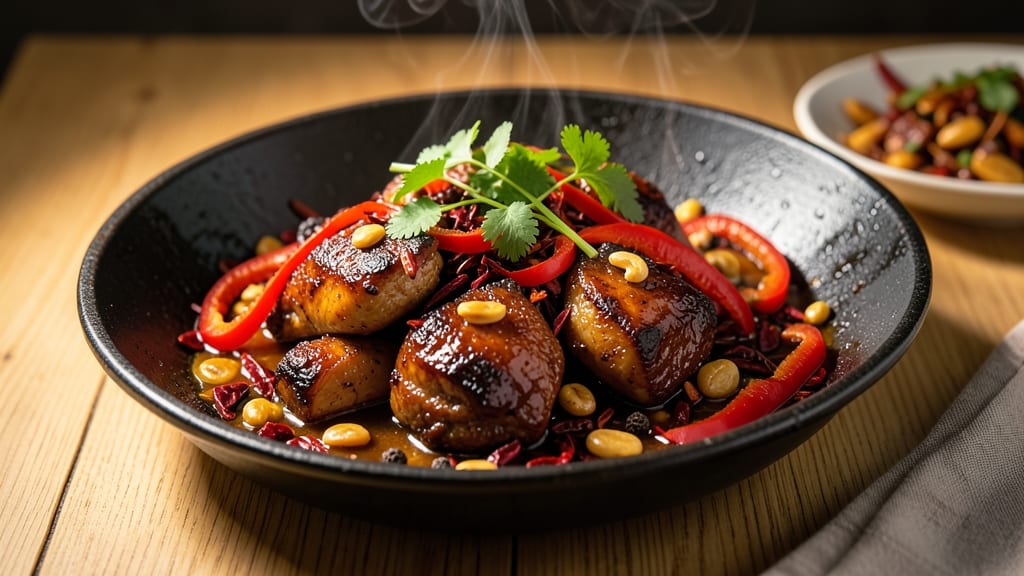
This authentic kung pao sauce recipe delivers the exact fiery-sweet balance that makes Sichuan cuisine unforgettable—with a secret twist of toasted sesame oil that elevates every bite. The key lies in properly toasting the spices and blending the sauce to a velvety consistency, not a chunky paste.
I've perfected this version after years of testing, ensuring the heat from chili oil and Sichuan peppercorns shines without overpowering the natural sweetness of the sauce.
The foundation of great kung pao sauce starts with a dry-fried spice blend of garlic, ginger, and Sichuan peppercorns, which releases their essential oils and creates that signature aromatic depth.
A touch of vinegar brightens the sauce, while soy sauce and sugar balance the heat, creating a complex flavor profile that's both bold and harmonious.
What sets this recipe apart is the optional toasted sesame oil finish—just a drizzle at the end—that adds nutty richness and ties all the flavors together.
What you'll end up with is a sauce that's perfect for tossing with stir-fried chicken, tofu, or vegetables, or drizzling over noodles and rice. The texture should be smooth yet slightly glossy, with just enough body to cling to your food without being overly thick.
This sauce keeps well in the refrigerator for up to two weeks, or you can freeze it for up to three months—making it perfect for meal prep or gifting to fellow food lovers.
For those who prefer a milder heat, reduce the chili oil slightly, or add a pinch of sugar to balance the spice. If you love the authentic kick, keep the sauce as written—just be prepared for a flavor experience that's as memorable as it is delicious.
Let's get started on creating this iconic sauce that brings a taste of Sichuan to your kitchen.
Ingredients for authentic kung pao sauce
Nine essential ingredients balance fiery heat with sweet harmony for this iconic sauce.
| Ingredient | Amount | Notes |
|---|---|---|
| Dried Red Chili Peppers 🌶️ | 2 tbsp | Crushed or flaked for heat |
| Sichuan Peppercorns 🌶️ | 1 tbsp | Toasted until fragrant |
| Garlic Cloves 🧄 | 6 cloves | Minced after toasting |
| Fresh Ginger 🌿 | 1 tbsp | Grated, skin removed |
| Light Soy Sauce 🍶 | ½ cup | Kikkoman preferred |
| Dark Soy Sauce 🍶 | 1 tbsp | For depth of color |
| Rice Vinegar 🍶 | 2 tbsp | White or seasoned |
| Granulated Sugar 🍚 | 2 tbsp | Balances heat |
| Toasted Sesame Oil 🫒 | 1 tbsp | For finishing drizzle |
| Cornstarch 🌾 | 1 tsp | Slurry with 1 tbsp water |
| Chili Oil 🌶️ | 1 tbsp | Optional for extra heat |
Sichuan peppercorns are non-negotiable for that signature tingling heat—buy them whole from an Asian market or online (they keep for years). The dried red chilies should be vibrant, not faded or dusty. Garlic and ginger need to be freshly toasted in oil first—this releases their oils and deepens the flavor. For soy sauce, Kikkoman light soy gives that clean, salty base, while dark soy adds that rich mahogany color. If you can't find dark soy, a splash of molasses works in a pinch (but the color won't be as authentic).
No Sichuan peppercorns? Substitute with extra crushed red pepper, but you'll lose that signature numbing sensation. Running short on rice vinegar? Apple cider vinegar or white wine vinegar will work, though the flavor profile shifts slightly. The cornstarch slurry is key for that glossy finish—don't skip it, even if you're impatient. For a milder sauce, reduce the chili oil to just 1/2 tbsp or swap it for extra sesame oil. The toasted sesame oil at the end is optional but adds that nutty depth that makes this sauce restaurant-quality.
This sauce keeps beautifully in the fridge for 2 weeks—just store it in a sealed jar. For longer storage, freeze it for up to 3 months. I like to make a double batch because it's perfect for stir-fries, noodles, or even drizzling over rice. If you're prepping ahead, freeze it in ice cube trays for easy single-use portions. To reheat, just warm gently on the stove—no need to thin it out unless you prefer a runnier consistency.
Why You'll Love This Recipe
- I swear by this: soak those dried chilies and Sichuan peppercorns in warm water for 10 minutes—they soften instantly, and you skip the tedious pounding. Honestly, I’ve made this sauce with just a spoon and a bowl when I’m too tired to measure.
- No-Chop Shortcuts: I swear by this: soak those dried chilies and Sichuan peppercorns in warm water for 10 minutes—they soften instantly, and you skip the tedious pounding. Honestly, I’ve made this sauce with just a spoon and a bowl when I’m too tired to measure.
- Fiery-Sweet Magic: That moment when the garlic hits the hot wok and the chilies bloom? Chef’s kiss. The soy sauce ties it all together—savory, nutty, with just enough heat to wake up your taste buds without overpowering.
- Leftovers That Shine: Make a double batch and store it in the fridge—it’s perfect for stir-fries, dumplings, or even drizzling over rice the next day. I’ll be real: my lunchbox gets packed with this sauce more than anything else.
Step-by-step instructions for authentic kung pao sauce
Here's how to create this iconic sauce with proper technique and authentic balance.
Toast the Aromatics for Maximum Flavor
Heat a dry skillet over medium heat and add the 2 tablespoons dried red chili peppers and 1 tablespoon Sichuan peppercorns. Toast for 1-2 minutes until the chili peppers darken slightly and release their aroma—you'll smell that signature numbing, citrusy scent. Remove from heat immediately and transfer to a bowl to cool slightly.
In the same skillet, add the 6 cloves garlic and toast for 30 seconds until fragrant but not browned. Add the 1 tablespoon fresh ginger and toast for another 30 seconds until the raw smell disappears. This toasting step is crucial—it deepens the flavors and removes any bitterness from the ginger.
Build the Sauce Base with Precision
Return the skillet to medium heat and add ½ cup light soy sauce, 1 tablespoon dark soy sauce, and 2 tablespoons rice vinegar. Bring to a gentle simmer and cook for 3-4 minutes until the liquid reduces by about ¼—you want it syrupy but not dry. This reduction concentrates the flavors and creates that signature glossy texture.
Add the 2 tablespoons granulated sugar and stir until completely dissolved. Taste the mixture—it should balance sweet, salty, and slightly acidic. If it's too sweet, add a splash of rice vinegar; if too sour, add a pinch of sugar. This is where the authentic flavor profile comes together.
Finish with the Signature Touches
In a small bowl, mix the 1 teaspoon cornstarch with 1 tablespoon water to create a smooth slurry. Return the sauce to a gentle simmer and slowly pour in the cornstarch mixture while stirring constantly. Cook for 1-2 minutes until the sauce thickens to a glossy consistency that coats the back of a spoon.
Remove from heat and stir in the 1 tablespoon toasted sesame oil and the 1 tablespoon chili oil (if using). The sesame oil adds nutty depth, while the chili oil provides that signature fiery kick. Let the sauce sit for 5 minutes to allow all the flavors to meld together—this resting period is often overlooked but makes a world of difference.
Adjust and Prepare for Serving
Taste the sauce one final time and adjust seasoning if needed. For more heat, add a pinch of crushed dried chili peppers. For more depth, add a splash of dark soy sauce. The sauce should be balanced—sweet, salty, tangy, and just spicy enough to make your mouth tingle.
If you're using this sauce immediately, keep it warm over low heat. If storing, let it cool completely and refrigerate in an airtight container for up to 5 days. The flavors will continue to develop and deepen over time, making leftovers even more delicious.
Pro Tips For Making Authentic Kung Pao Sauce
- STIR-FRY CHILIS FAST: Use pre-soaked dried chilies—toss them in warm water for 10 minutes, then drain. No waiting for hours; they’ll soften just enough to blend smoothly without losing texture. (I used to skip this and ended up with a gritty, uneven sauce.)
- TOAST PEPPERCORNS LOW: Roast Sichuan peppercorns in a dry pan over medium-low heat for 2-3 minutes, shaking constantly. Burn them, and you’ll get bitter, smoky ash instead of that bright, citrusy numbing kick. (Yes, even if you’re impatient like me.)
- GARLIC GINGER SLICE THIN: Slice garlic and ginger paper-thin—no mincing. They’ll cook faster and release flavor evenly, avoiding that raw, sharp bite. Thick chunks? They’ll turn to mush and make your sauce taste dull. (My grandmother swore by this, and she was right.)
- SALT THE SOY SAUCE: Mix your light soy sauce with ½ teaspoon salt per tablespoon before adding to the wok. Store-bought soy is often low-sodium, and this step guarantees the right balance. (Skip it, and you’ll end up chasing flavor with extra sauce.)
Dietary considerations for this recipe
Gluten-Free Adaptations
Skip the soy sauces entirely and replace with tamari (a naturally gluten-free soy sauce alternative) or coconut aminos for that umami depth. Use ½ cup tamari instead of light soy and 1 tbsp coconut aminos for dark soy.
The flavor stays rich and authentic while accommodating gluten sensitivities. Always check labels—some tamari brands contain wheat traces. 🌱
Vegan-Friendly Swaps
For a plant-based version, replace the dark soy sauce with 1 tbsp molasses or 1 tbsp balsamic vinegar to maintain color depth. Use vegan soy sauce (like San-J brand) and ensure your chili oil is vegan-certified.
The toasted sesame oil and Sichuan peppercorns remain vegan-friendly staples. This adaptation works beautifully with tofu stir-fries or veggie noodles. 🌱
Lower-Sodium Options
Cut the sodium by using low-sodium soy sauce (like Kikkoman Low-Sodium) and reducing the amount to ¼ cup light soy plus ½ tbsp dark soy. Add extra rice vinegar (1 extra tbsp) to compensate for flavor loss.
For even lower sodium, substitute ½ cup vegetable broth for half the soy sauce. Taste frequently—broth adds depth without salt overload. 💧
Spice Control
For milder heat, reduce chili oil to ½ tbsp or omit it entirely. Replace with 1 extra tbsp toasted sesame oil to maintain richness. If you love spice but want consistency, blend the dried chilies into a fine powder before toasting—they'll distribute heat more evenly.
For extra kick without raw chilies, add ½ tsp gochujang (Korean chili paste) to the finished sauce. 🌶️
Sugar-Free Version
Replace the 2 tbsp granulated sugar with 2 tbsp monk fruit sweetener or 1 tbsp erythritol** for a diabetic-friendly option. These alternatives won't crystallize during cooking and maintain the sauce's glossy texture.
Taste carefully—some sugar substitutes can leave a bitter aftertaste. This version works perfectly with grilled proteins or roasted vegetables. 🍃
Nutrition facts
Frequently asked questions
Why does authentic kung pao sauce need Sichuan peppercorns?
Sichuan peppercorns are essential for that signature tingling sensation that defines authentic kung pao sauce. When toasted and blended into the sauce, they create a unique numbing heat that fresh chilies can't replicate. This aromatic spice also adds a citrusy depth that balances the sweet-savory profile. Without them, you'll miss the complete flavor experience!
Can I make this sauce without chili oil?
If you prefer milder heat, simply reduce the chili oil to ½ tablespoon or omit it entirely. For extra richness, add 1 extra tablespoon toasted sesame oil instead. The sauce will still have depth and complexity—just without the fiery kick. This works perfectly for families with kids or sensitive palates.
How do I adjust the sweetness level?
Start with the 2 tablespoons sugar as written, then taste after reducing the sauce. If it's too sweet, add 1 teaspoon rice vinegar to brighten it. For less sweetness, reduce sugar to 1 tablespoon and add a pinch of salt to compensate. The key is balance—sweetness should complement the heat, not overpower it.
Can I make this sauce in advance?
Yes! This sauce actually tastes better after resting. Store it in an airtight container in the fridge for up to 2 weeks, or freeze for 3 months. The flavors meld beautifully over time, making it perfect for meal prep. Just reheat gently on the stove—no thinning needed unless you prefer a thinner consistency.
What's the best way to use leftover kung pao sauce?
This versatile sauce elevates everything! Toss it with stir-fried chicken, tofu, or vegetables, drizzle over noodles or rice, or use as a marinade. For extra texture, stir in chopped peanuts or sesame seeds. It also makes an amazing dipping sauce for spring rolls or dumplings—just thin with a splash of water if needed.