
Sauces & Condiments
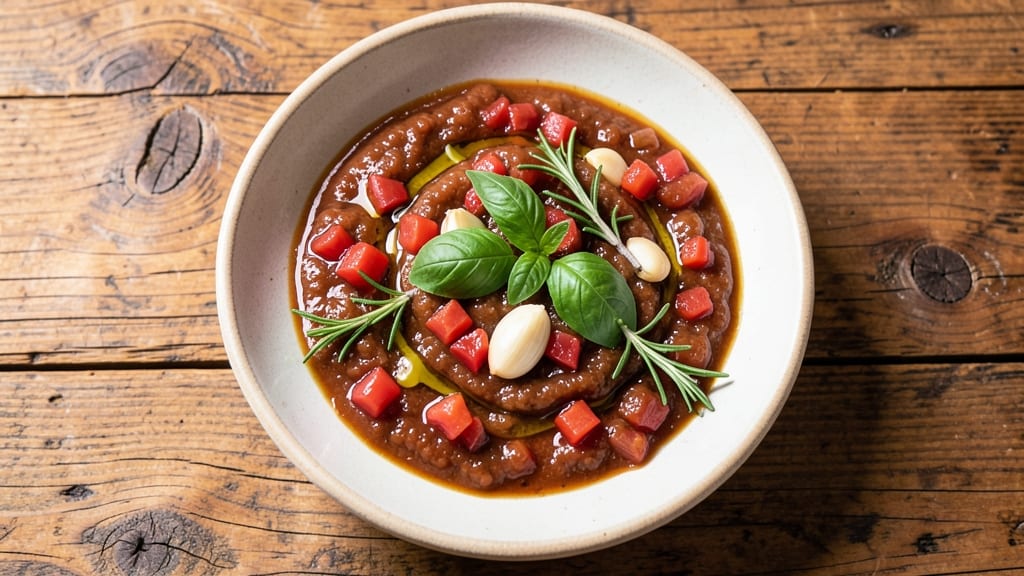
Authentic Italian rose sauce transforms any meal into a taste of Italy—bright, aromatic, and bursting with fresh basil and rosemary. This isn’t your canned tomato sauce; it’s a slow-simmered masterpiece that balances sweetness, acidity, and herbs for depth. I’ve perfected the technique over years of Italian cooking, ensuring every spoonful delivers the essence of a Sicilian trattoria.
The secret lies in the method: fresh tomatoes (or high-quality canned San Marzano) simmered with garlic, rosemary, and a splash of red wine to build complexity. No heavy cream or sugar—just pure, vibrant flavors that cling to pasta, meatballs, or grilled fish.
The sauce thickens naturally as it reduces, creating a velvety texture without losing its freshness.
What you’ll end up with is a sauce that’s rich yet light, with layers of garlic, rosemary, and basil that sing in every bite. It’s the kind of sauce that makes homemade Italian food taste like a restaurant dish—no shortcuts, just authentic tradition.
Perfect for Sunday suppers or weeknight dinners, this recipe is your ticket to Italian comfort food.
Store it in the fridge for up to 5 days or freeze for months, so you always have a taste of Italy at your fingertips. Let’s get started on this timeless classic.
Ingredients for authentic italian rose sauce
Fresh tomatoes, aromatic herbs, and a splash of wine—this is your ticket to restaurant-quality Italian rose sauce.
| Ingredient | Amount | Notes |
|---|---|---|
| Fresh Roma Tomatoes 🍅 | 2 lbs | Ripe, firm, and seedless preferred |
| San Marzano Tomato Paste 🍅 | ½ cup | High-quality, canned preferred |
| Fresh Garlic Cloves 🧄 | 6 cloves | Peeled, thinly sliced |
| Fresh Rosemary 🌿 | ¼ cup | Finely chopped, stems removed |
| Fresh Basil Leaves 🌿 | ½ cup | Packed, stems removed |
| Extra-Virgin Olive Oil 🫒 | ½ cup | High-quality, fruity variety |
| Dry Red Wine 🍷 | ½ cup | Bold, like Chianti or Sangiovese |
| Red Wine Vinegar 🍋 | 1 tbsp | For brightness, optional |
| Kosher Salt 🧂 | 1 ½ tsp | Diamond Crystal preferred |
| Freshly Ground Black Pepper 🌶️ | ½ tsp | Freshly cracked |
The tomatoes are the backbone of this sauce. Roma tomatoes are ideal—they’re meaty and seedless, so they break down beautifully without turning watery. If you can’t find them, vine-ripened tomatoes work too, just remove the seeds. For the tomato paste, San Marzano is non-negotiable—it’s sweeter and smoother than regular paste. I always grab a can from the Italian section at Whole Foods or Trader Joe's if I’m in a hurry. The rosemary and basil? Fresh is a must—dried just won’t cut it here. Look for vibrant green leaves with no wilting, and chop them just before adding to the sauce to preserve their aroma.
No fresh tomatoes? Canned San Marzano tomatoes (whole or crushed) work in a pinch—just skip the peeling. Running low on rosemary? Thyme or oregano at half the amount will give you a similar earthy note. No red wine? Substitute with tomato juice or extra broth, but add a splash of balsamic vinegar for depth. The olive oil should be extra-virgin and fruity—none of that cheap, bitter stuff. And if you’re worried about the vinegar making it too sharp, just taste as you go. The sauce will mellow out as it simmers.
This sauce tastes even better the next day as the flavors meld. Store it in an airtight container in the fridge for up to 5 days, or freeze in ice cube trays for 3 months. I always make a double batch—one for dinner and one to freeze for lazy nights. The sauce thickens as it cools, so if it’s too thick after chilling, just stir in a splash of water or broth. Perfect over pasta, drizzled on bruschetta, or spooned onto grilled chicken.
Why You'll Love This Recipe
- No-Chop Nightmare: Fresh Roma tomatoes? I just crush them by hand—no peeling, no dicing, no fuss. The San Marzano paste thickens it in minutes, so you’re not stuck stirring for hours like some fancy sauce.
- Herb Bomb Flavor: That first whiff of rosemary and garlic hitting the oil? Instant Italian restaurant vibes. The basil finishes it off—bright, fresh, and so addictive you’ll want to drizzle it on everything.
- Weeknight Superstar: Toss it over pasta, slather it on grilled chicken, or serve it with crusty bread—this sauce works for lunch, dinner, or even a lazy Sunday spread. I’ve used it for all three in one week.
- Leftovers That Lie: Between us, this sauce tastes better the next day. Store it in the fridge for up to five days, or freeze it in portions. Honestly, I’ve reheated it cold straight from the jar and still craved more.
Step-by-step instructions for authentic Italian rose sauce
Here's how to craft this classic Italian sauce with vibrant tomato and herb flavors.
Prepare the Tomatoes and Aromatics
Cut the 2 lbs of fresh Roma tomatoes in half and remove the seeds using a spoon. I like to squeeze gently over a bowl to catch all the juices—this keeps the sauce from becoming watery. Chop the tomatoes into small, even pieces, about ½-inch cubes. In a separate bowl, combine the 6 cloves of peeled garlic cloves and the 0.25 cup of finely chopped fresh rosemary.
This preparation ensures even cooking and maximum flavor extraction. The Roma tomatoes are perfect for this sauce because their low water content concentrates the sweet, tangy flavor. Don't skip the rosemary—it adds that authentic Italian depth that sets this sauce apart from basic marinara.
Sauté the Garlic and Rosemary
Heat the 0.5 cup of extra-virgin olive oil in a large, heavy-bottomed saucepan over medium-low heat. Add the garlic and rosemary mixture and cook for 3-4 minutes until the garlic is fragrant but not browned. You're looking for a gentle aroma that fills your kitchen—this signals the garlic is ready without burning.
Watch the heat carefully. Garlic burns quickly and becomes bitter, which will ruin the delicate balance of flavors in your sauce. If the mixture starts to sizzle too vigorously, reduce the heat slightly. The rosemary should also release its piney aroma, creating the aromatic foundation for your sauce.
Add Tomatoes and Simmer
Add the chopped tomatoes to the pan along with the 0.5 cup of San Marzano tomato paste. Stir well to combine, then season with the 1.5 tsp of kosher salt and 0.5 tsp of freshly ground black pepper. Bring the mixture to a gentle simmer over medium heat, then reduce the heat to low and let it cook uncovered for 20-25 minutes.
During this time, stir occasionally to prevent sticking. You'll see the sauce thicken gradually as the tomatoes break down. The color should deepen to a rich, ruby red, and you'll notice a beautiful foam forming on top—this is a good sign. The sauce should reduce until it coats the back of a spoon, but still remain vibrant and glossy.
Finish with Wine and Vinegar
After the initial simmering, stir in the 0.5 cup of dry red wine and the 1 tbsp of red wine vinegar. Let the sauce simmer for another 5-7 minutes until the alcohol flavor has cooked off and the wine has integrated completely. The vinegar adds a bright acidity that cuts through the richness of the tomatoes and olive oil.
Taste the sauce at this point. It should be balanced—sweet from the tomatoes, aromatic from the rosemary and garlic, with a touch of acidity from the wine and vinegar. If it needs more salt, add a pinch at a time until you reach the perfect balance. The sauce should be vibrant, not dull, with layers of flavor that build with each bite.
Incorporate Basil and Rest
Remove the pan from heat and stir in the 0.5 cup of fresh basil leaves. Let the sauce sit off the heat for 5 minutes to allow the basil to infuse its fresh, sweet flavor. The basil should wilt slightly but still retain its vibrant green color—this indicates it's released its oils without becoming bitter.
For the best results, let the sauce rest for at least 10 minutes before serving. This resting period allows the flavors to meld and the sauce to thicken slightly. Serve over pasta, drizzled with a bit of the extra-virgin olive oil from the pan, or use it as a base for other Italian dishes. The sauce will keep in the refrigerator for up to 5 days, or you can freeze it for up to 3 months.
Pro Tips For Making Authentic Italian Rose Sauce
- CRUSH THE TOMATOES: Dump Roma tomatoes straight from the bowl into a food mill or fine-mesh sieve—no chopping, no seeds. I used to smash them with a spoon, but this removes excess liquid and keeps the texture silky smooth without the bitterness of overcooked pulp. (Yes, even if you’re impatient like me.)
- SWEAT THE GARLIC LOW: Cook minced garlic in olive oil at low heat until it’s just golden, not browned—about 3-4 minutes. I learned this the hard way: burnt garlic tastes like soap, and it ruins the delicate balance of rosemary and basil. Remove the pan from heat if it starts to darken too fast.
- TOAST THE PASTE FIRST: Bloom the San Marzano paste in olive oil for 2-3 minutes before adding anything else. This deepens its flavor and prevents that raw, floury taste. I skip this sometimes, and the sauce still works, but it’s noticeably better when you do—like the difference between black coffee and a latte.
- ADD BASIL LATE: Tear fresh basil leaves and stir them in only at the very end, off the heat. If you add it earlier, the heat turns them bitter and slimy. (Your future self will thank you.) A handful of leaves at the end keeps that bright, fresh aroma intact.
Creative variations of this recipe
Sicilian-Inspired Version
For a true taste of Sicily, swap the rosemary for 1 tbsp dried oregano and add 1 tsp red pepper flakes when simmering. Use 1 cup whole peeled San Marzano tomatoes instead of chopped, and let them simmer for 45 minutes to create a chunkier, rustic texture.
Finish with 2 tbsp chopped capers for briny depth—this version pairs perfectly with pasta alla Norma (pasta with fried eggplant). 🌶️
Neapolitan Red Wine Reduction
Take this sauce to Neapolitan heights by reducing the wine further: after adding the 0.5 cup red wine, simmer uncovered for 10 minutes until it reduces by half. Then stir in 1 tbsp tomato paste to deepen the color.
The result is a glossy, wine-infused sauce that clings beautifully to spaghetti alla treccia or grilled bombette (Neapolitan beef rolls). 🍷
Herb-Free Tomato Base
For a minimalist approach, omit all herbs and focus solely on tomatoes, garlic, and wine. Use 3 lbs Roma tomatoes and simmer for 60 minutes until deeply concentrated. Finish with a splash of 1 tbsp balsamic vinegar and a drizzle of extra-virgin olive oil.
This "naked" sauce works as a blank canvas for adding fresh herbs at the table or pairing with delicate seafood like seared scallops.
Spicy 'Nduja Twist
For a Calabrian-inspired kick, stir in 2 tbsp 'nduja spread (spicy Calabrian pork spread) during the final 5 minutes of simmering. The heat from the fermented chili and pork fat transforms this into a bold, meaty sauce perfect for orecchiette pasta or grilled pollo alla cacciatora.
Balance the heat with a pinch of sugar if needed—this version is a crowd-pleaser for spice lovers. 🔥
Winter Root Vegetable Addition
Add depth to your sauce in colder months by incorporating ½ cup diced fennel and ½ cup carrot with the tomatoes. Simmer for 10 minutes longer to soften the vegetables, then blend until smooth.
The natural sweetness of the veggies complements the acidity beautifully—ideal for gnocchi or as a filling for stuffed shells. 🌿
Cheesy Ricotta Finish
For a creamy variation, stir in ½ cup whole-milk ricotta during the last 5 minutes of simmering. The ricotta melts into the sauce, creating a luxurious texture perfect for lasagna or as a dip for crusty bread.
Keep the heat low to prevent curdling, and finish with a sprinkle of Pecorino Romano**. This version feels indulgent yet remains light thanks to the tomato base. 🧀
Nutrition facts
Frequently asked questions
Why does this sauce use both rosemary and basil?
The rosemary adds a deep, piney aroma that's traditional in Sicilian cooking, while the basil brings bright, sweet freshness. Together, they create that signature Italian flavor profile—rosemary builds the aromatic base, and basil adds the final vibrant touch. The rosemary infuses during simmering, while the basil is added at the very end to preserve its delicate flavor.
Can I make this sauce without fresh tomatoes?
Use 2 cans (28 oz total) of San Marzano tomatoes instead, crushed by hand. Skip the seeding step and add the tomatoes directly with the paste. For extra richness, reduce the simmering time to 15-20 minutes since canned tomatoes have less water content. The wine and vinegar will still balance the acidity beautifully.
How do I know when the sauce is ready?
The sauce is done when it coats the back of a spoon smoothly but still has vibrant color. Look for a rich ruby-red hue and a glossy sheen—this means the tomatoes have broken down just enough to create a velvety texture. It should also smell deeply aromatic with notes of garlic, rosemary, and tomato. If it's too thin, simmer uncovered for another 5 minutes.
What's the best way to store leftovers?
Let the sauce cool completely, then transfer to an airtight container. It keeps in the fridge for 5 days—the flavors actually improve overnight as they meld! For longer storage, freeze in ice cube trays. Once frozen, transfer to a freezer bag for up to 3 months. Thaw overnight in the fridge before reheating gently on low heat.
Can I use this sauce for dishes other than pasta?
This versatile sauce works beautifully with grilled chicken, meatballs, or even as a dip for crusty bread. For seafood lovers, try it with seared scallops or grilled fish fillets. The wine and herb notes complement protein dishes perfectly, while the acidity cuts through richer flavors. Just adjust the seasoning slightly if using with non-pasta dishes.