
Sauces & Condiments
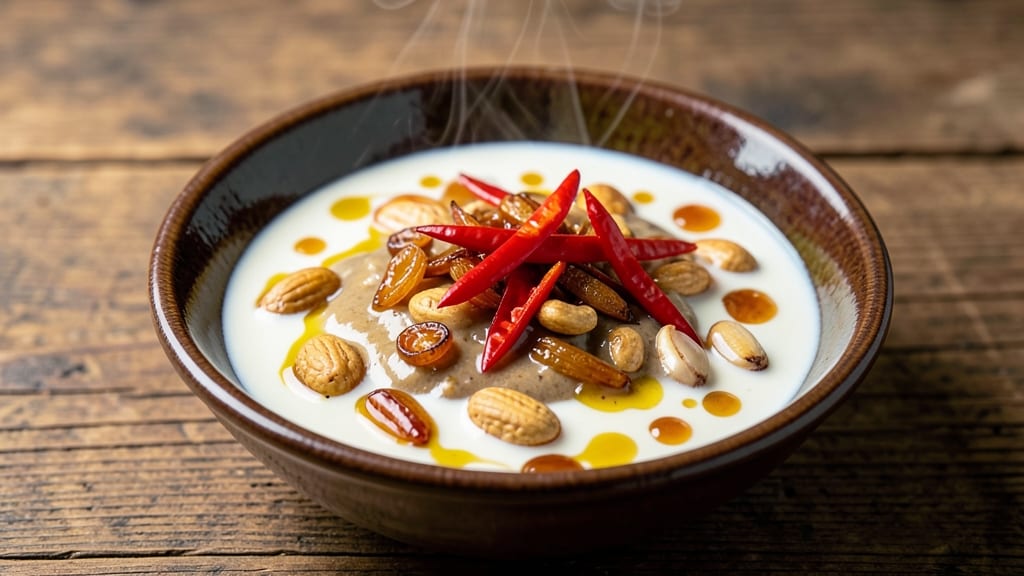
This authentic Indonesian peanut sauce recipe transforms simple stir-fries, noodles, and grilled meats into vibrant, flavor-packed dishes with just a few key ingredients. The secret lies in perfectly balancing rich, nutty peanuts with tangy tamarind, aromatic shallots, and a touch of chili for depth.
I’ve refined this recipe over years of testing—no shortcuts, just the traditional method that delivers restaurant-quality results at home.
The process starts with toasting whole peanuts until fragrant, then grinding them into a smooth paste with shallots, garlic, and chili. Simmering this with coconut milk and tamarind creates a velvety, aromatic sauce that coats every bite effortlessly.
The texture should be thick enough to cling but still silky—this is where patience pays off.
What makes this sauce truly special is its versatility. Use it as a dipping sauce for satay, a marinade for grilled chicken, or a dressing for fresh spring rolls. The nutty, slightly sweet, and tangy profile works with both spicy and mild dishes, making it a pantry staple.
One batch will last for weeks, so make extra—you’ll reach for it constantly.
For the best results, adjust the tamarind to taste—some prefer it sweeter, others tangier. A splash of lime juice at the end brightens the flavors perfectly. Let’s get started on this foolproof, restaurant-quality sauce that will elevate every dish it touches.
Ingredients for authentic indonesian peanut sauce
Nine essential ingredients transform into a velvety, restaurant-quality peanut sauce with authentic Indonesian depth.
| Ingredient | Amount | Notes |
|---|---|---|
| Whole Peanuts 🥜 | 1 cup | Unsalted, raw preferred |
| Shallots 🧅 | 4 whole | Peeled, roughly chopped |
| Garlic Cloves 🧄 | 4 cloves | Peeled, roughly chopped |
| Red Chili Peppers 🌶️ | 2 whole | Dried, stems removed |
| Coconut Milk 🥥 | 1 can | Full-fat, 13.5 oz can |
| Tamarind Paste 🍋 | 2 tbsp | Adjust to taste |
| Palm Sugar 🍯 | 2 tbsp | Or brown sugar substitute |
| Soy Sauce 🥢 | 1 tbsp | Light or dark preferred |
| Vegetable Oil 🫒 | 1 tbsp | For toasting peanuts |
| Lime Juice 🍋 | 1 tbsp | Freshly squeezed |
| Salt 🧂 | ½ tsp | Kosher or sea salt |
The peanuts are the foundation—raw, unsalted peanuts from Trader Joe's or bulk bins deliver the best flavor. Toast them in a dry pan until fragrant (about 5 minutes), then grind with shallots, garlic, and chili until smooth. Dried red chilies add authentic heat—look for vibrant, plump pods at Asian markets or the international aisle. Tamarind paste is key for that signature tang; Thai Kitchen brand is widely available and reliable. Palm sugar or brown sugar balances the acidity perfectly, but don't skip it—it's what makes this sauce sing.
No tamarind paste? Lemon juice plus 1 tsp sugar is a decent substitute, though it won't be identical. Running short on peanuts? Cashews work in a pinch, but they'll change the texture slightly. The coconut milk should be full-fat for that creamy, luxurious finish—no light versions here. For extra depth, add a pinch of ground coriander or turmeric to the paste. Adjust the lime juice at the end based on your tamarind's strength—some brands are sweeter, others more tart. The sauce should coat the back of a spoon but still pour smoothly.
This sauce keeps beautifully for up to 2 weeks in the fridge, though it tastes even better the next day as flavors meld. Portion into small jars for easy use—it's perfect for drizzling over noodles, grilled meats, or spring rolls. Freezes for 3 months if you want to make a big batch. For restaurant-quality results, let it sit at room temperature for 10 minutes before using—this allows all the flavors to fully integrate. The texture will thicken slightly as it cools, which is exactly what you want for that perfect cling.
Why You'll Love This Recipe
- No-Fuss Pantry Magic: I swear, you don’t need a grocery list—just raid your spice rack and that jar of peanuts you’ve been ignoring. Shallots and garlic fry up in minutes, then coconut milk smooths everything into a sauce so rich, you’ll forget you didn’t slave over it.
- Crunchy Creamy Heat: That moment when toasted peanuts meet spicy chili and velvety coconut? Chef’s kiss. The sauce clings to everything—rice, noodles, even grilled chicken—like it’s been waiting its whole life to coat your fork.
- Weeknight Superhero: Double the batch on Sunday, and you’ve got dinner covered for days. Toss it with stir-fried veggies for a quick weeknight meal, or drizzle it over takeout noodles when you’re too tired to cook. (Yes, even on a Tuesday night.)
- Budget-Friendly Luxury: Peanuts and coconut milk stretch this sauce into a whole meal’s worth of flavor without breaking the bank. Leftovers? Even better—they taste richer the next day, and it freezes like a dream for lazy mornings.
Step-by-step instructions for authentic Indonesian peanut sauce
Follow this method to create a rich, nutty sauce with perfect balance of sweet, tangy, and spicy flavors.
Toast the Peanuts and Dry Spices
Heat the 1 tablespoon vegetable oil in a dry skillet over medium heat. Add the 1 cup whole peanuts and toast for 3-4 minutes, stirring constantly, until they turn a rich golden brown and smell deeply nutty. This step is crucial—it develops the peanut flavor and prevents bitterness in the sauce.
Remove the peanuts immediately and set aside. In the same skillet, add the 4 whole shallots and 4 cloves garlic cloves, cooking for 2-3 minutes until the shallots soften and turn translucent. Add the 2 whole red chili peppers (whole, not chopped) and cook for another 30 seconds until fragrant. This aromatic base forms the flavor foundation of your sauce.
Blend the Spiced Peanuts and Aromatics
Transfer the toasted peanuts, shallots, garlic, and chili peppers to a food processor. Add the 2 tablespoons tamarind paste and 2 tablespoons palm sugar. Pulse until the mixture forms a coarse paste—you want some texture remaining for depth of flavor. This blend will become the heart of your sauce, balancing sweetness with tangy depth.
With the processor running, slowly pour in the 1 can coconut milk through the feed tube. Process until completely smooth, scraping down the sides as needed. The sauce should be velvety with no visible peanuts or spices. Taste and adjust seasoning with the 0.5 teaspoon salt and 1 tablespoon soy sauce if needed—this is where you fine-tune the balance between sweet, salty, and umami.
Simmer and Finish the Sauce
Return the blended sauce to the skillet over low heat. Add the 1 tablespoon lime juice and stir gently, letting the sauce simmer for 5-7 minutes until it thickens slightly. The lime juice brightens the flavors and prevents the sauce from becoming too heavy. Stir occasionally to prevent sticking, but avoid vigorous stirring—this can cause the sauce to separate.
Remove from heat and taste again. The sauce should be rich, nutty, and balanced with a subtle tang. If it's too thick, thin with 1-2 tablespoons water until it reaches a smooth, pourable consistency. For best results, let the sauce rest for 10 minutes before using—this allows the flavors to meld completely. This authentic Indonesian peanut sauce is now ready to elevate stir-fries, noodles, or grilled meats.
Pro Tips For Making Authentic Indonesian Peanut Sauce
- TOAST PEANUTS UNTIL NUTTY: I learned this the hard way—raw peanuts taste bland and chalky in the sauce. Dry-toast them in a separate pan over medium heat until they smell rich and fragrant (about 5-7 minutes), then grind them fresh. The difference is night and day, especially if you’re using unsalted peanuts.
- PULVERIZE CHILIS FIRST: Skip the whole chili peppers in the sauce—they’ll clog your blender and leave you with a watery mess. Remove seeds and membranes, then pulse them in a spice grinder or mortar until they’re a fine paste before adding anything else. This ensures even heat distribution and a smoother texture.
- LOW AND SLOW FOR COCONUT: After adding coconut milk, resist the urge to simmer hard. Keep the heat at a gentle simmer (barely bubbling) for 10-15 minutes—this lets the peanut oils emulsify properly and deepens the flavor. I used to rush this, and the sauce always tasted thin and one-dimensional.
- STRAIN IF YOU HATE STRINGY TEXTURE: No shame in this shortcut: After blending, strain the sauce through a fine-mesh sieve to remove peanut skins and chili bits. It’s extra work, but the result is silky smooth—especially if you’re serving it over delicate dishes like satay or veggies. (Yes, even if you’re impatient like me.)
Storing and reheating this authentic indonesian peanut sauce
Fridge Storage Tips
Store your peanut sauce in an airtight glass container—I prefer mason jars with screw tops—to preserve freshness. Keep it refrigerated at 40°F or below for up to 2 weeks, though the flavors actually deepen overnight.
The sauce will thicken slightly when chilled, which is perfect for dipping or drizzling. Always leave ½ inch headspace to prevent spills and oxidation. 🥫
Freezer Preservation
For long-term storage, portion the sauce into silicone molds or freezer-safe containers (like Rubbermaid brand) and freeze for up to 3 months. Thaw overnight in the fridge—never microwave directly from frozen, as it can break the emulsion.
If the sauce separates after thawing, simply whisk vigorously to restore its silky texture. Label containers with dates to track freshness. ❄️
Reheating Methods
For stovetop reheating, transfer sauce to a small saucepan and warm over low heat for 3-5 minutes, stirring constantly. Add 1-2 tablespoons water if it thickens too much.
Avoid high heat—it can scorch the delicate peanut flavors. For microwave reheating, use 30-second intervals on 50% power, stirring between each interval until warmed through. 🔥
Reviving Separated Sauce
If your sauce separates after storage, don’t toss it! Blend again in a food processor with 1 tablespoon warm water until smooth. For extra richness, stir in ½ teaspoon coconut milk while blending.
This trick works every time—I’ve rescued many batches this way. The key is patience: let it cool slightly before blending to avoid splattering. ✨
Portioning for Convenience
Divide the sauce into small jars (like 4-ounce portions) for easy use. Store in the fridge and grab as needed for stir-fries, satay dipping, or noodle dressings. The sauce keeps well in these portions for 5-7 days, making it perfect for weekly meal prep.
Label each jar with the date and intended use—this saves time when you’re in a hurry. 📅
Texture Adjustments
If your sauce thickens too much after reheating, thin it with warm water (start with ½ tablespoon) or a splash of coconut milk. For extra cling, simmer uncovered for 1-2 minutes to evaporate excess moisture.
The ideal consistency should coat the back of a spoon but still pour smoothly. Trust your taste—this sauce is forgiving, and small adjustments make all the difference. 💫
Nutrition facts
Frequently asked questions
Can I substitute peanuts with another nut?
While peanuts are traditional, you can use cashews for a smoother texture or almonds for a slightly sweeter flavor. However, cashews will make the sauce richer, while almonds may require extra tamarind to balance the sweetness. Toast them first just like the peanuts for best results.
Why does my sauce taste bitter?
Bitter flavor usually means the peanuts were over-toasted or undercooked. Toast peanuts just until golden and fragrant—3-4 minutes max. If it's too late, add ½ teaspoon palm sugar or a pinch of salt to balance the bitterness. Freshly ground peanuts also prevent bitterness, so avoid pre-ground nut butters.
How spicy should this sauce be?
The recipe uses whole dried chilies for mild heat—remove seeds for even gentler flavor. For extra spice, add ½ teaspoon chili flakes or a dash of sambal oelek to the finished sauce. Adjust to your tolerance, but remember: the sauce's depth comes from the peanut and tamarind, not just heat.
Can I make this sauce without tamarind?
Yes! Mix 1 tablespoon lemon juice with 1 teaspoon sugar as a substitute. For deeper authenticity, try 1 teaspoon vinegar (rice or apple cider) plus ½ teaspoon sugar. The sauce will be slightly less complex, but still delicious—just add a pinch of salt to compensate for the missing umami.
What's the best way to use leftover sauce?
This versatile sauce works as a marinade for grilled chicken or tofu, a dressing for spring rolls, or a dip for fried tempeh. For noodles, drizzle 1-2 tablespoons over steaming hot dishes. Store leftovers in the fridge for up to 2 weeks—the flavors actually improve with time!