
Sauces & Condiments
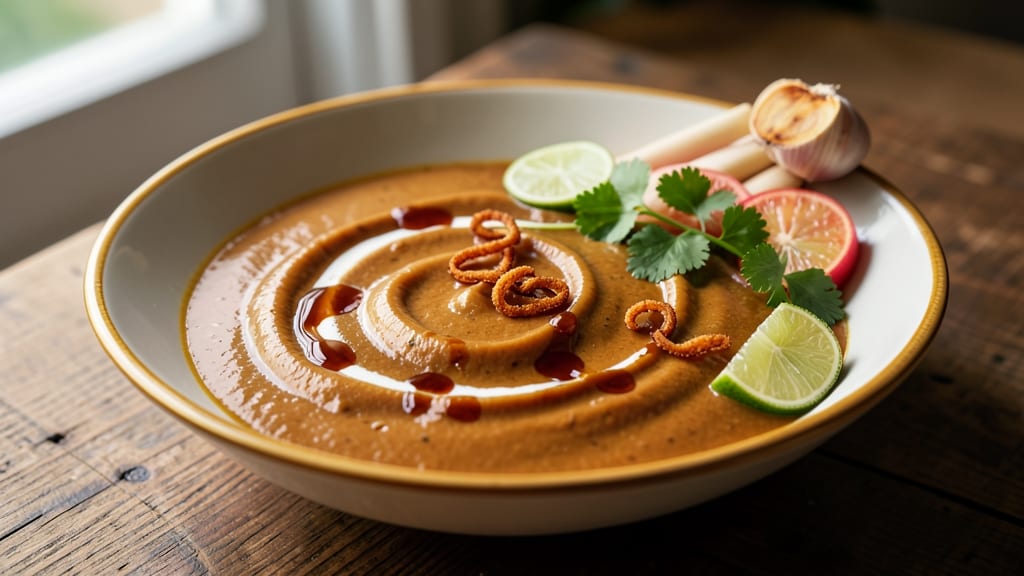
This bamboo sauce recipe transforms simple stir-fries and noodles into vibrant, restaurant-quality dishes with just a few pantry staples. The sauce blends fermented fish sauce, coconut milk, and aromatic spices into a rich, umami-packed glaze that clings beautifully to wok-fried vegetables or fresh rice noodles.
I first discovered this recipe while cooking Vietnamese street food, and it quickly became my go-to for adding depth to quick weeknight meals without complicated techniques.
The beauty of bamboo sauce lies in its balance—sweet, salty, and tangy all at once—achieved through a simple reduction of fish sauce, coconut milk, and a touch of sugar. Unlike heavy gravies, this sauce stays light yet flavorful, making it perfect for dipping, marinating, or tossing with stir-fried greens.
The preparation is straightforward: simmer, reduce, and adjust to taste, ensuring you always have a versatile, shelf-stable condiment ready for any meal.
Once you taste the way this sauce elevates a simple bowl of noodles or a quick vegetable stir-fry, you’ll understand why it’s a staple in Southeast Asian kitchens. The fermented fish sauce provides an unmistakable umami kick, while the coconut milk adds a velvety texture that rounds out the flavors.
Whether you’re cooking for one or feeding a crowd, this sauce delivers restaurant-quality results with minimal effort.
Store it in the fridge for up to a week or preserve it longer with proper canning techniques—its bold, complex flavor makes it worth keeping on hand. Let’s get started on creating your own batch of this essential sauce.
Ingredients for bamboo sauce
Nine simple ingredients blend into this restaurant-quality sauce for noodles and stir-fries.
| Ingredient | Amount | Notes |
|---|---|---|
| Fermented Fish Sauce 🐟 | ½ cup | Reduced fish sauce preferred |
| Coconut Milk 🥥 | 1 can | Full-fat for creaminess |
| Brown Sugar 🍯 | ¼ cup | Light or dark variety |
| Garlic Cloves 🧄 | 4 cloves | Minced for depth |
| Fresh Ginger 🌿 | 1 tbsp | Grated, not powdered |
| Lime Juice 🍋 | 2 tbsp | Freshly squeezed |
| Soy Sauce 🍶 | 2 tbsp | Light or dark variety |
| Sesame Oil 🌰 | 1 tbsp | Toasted for aroma |
| Red Chili Flakes 🌶️ | 1 tsp | Adjust for heat preference |
| Water 💧 | ½ cup | For thinning consistency |
Fermented fish sauce is the heart of this recipe—Red Boat or Tiparos brands deliver that authentic umami punch. Grab a small bottle to avoid waste, since you won’t need much. The coconut milk should be full-fat for that velvety texture (none of that watered-down stuff). Fresh ginger and garlic are non-negotiable here—powdered spices just won’t cut it. If you're short on time, Trader Joe’s carries pre-minced garlic and ginger in tubes that work perfectly. The brown sugar adds depth, but don’t substitute white—it won’t caramelize the same way.
No fish sauce? Soy sauce plus a dash of Worcestershire gets you close, though it’ll lack that signature funk. Running low on lime juice? Lemon juice works in a pinch, but the flavor won’t be quite as bright. Sesame oil gives that nutty aroma—if you can’t find toasted, lightly toast regular sesame oil in a pan first. Too spicy? Reduce the chili flakes or add a pinch more sugar. The water is just for thinning—adjust to your preferred consistency. For a vegetarian version, swap fish sauce for coconut aminos plus a splash of miso paste.
This sauce keeps beautifully—1 week in the fridge sealed tight, or 3 months in the freezer in ice cube trays. I always make double batches because it disappears fast. The flavors actually improve after a day or two as everything melds together. When reheating, add a splash of water to prevent it from thickening too much. Perfect for dipping, glazing, or tossing with stir-fried veggies and noodles—just bring it to room temp before using for the best results.
Why You'll Love This Recipe
- Pantry Magic: I swear by this sauce when I forget to grocery shop—just open the coconut milk, grab the fermented fish sauce (yes, that funky jar I never use), and toss in garlic and ginger I already have. No last-minute runs, no stress.
- Umami Bomb: That fermented fish sauce? It’s the secret weapon—salty, funky, and deeply savory. The coconut milk softens it into something rich and velvety, while the brown sugar caramelizes just enough to balance the heat. (Between us, I’ve ruined steak sauce with less.)
- Weeknight Swiss Army: Slap this on grilled chicken, stir it into noodles, or drizzle it over rice—it disappears just as fast as it appears. Honestly, I’ve even used it as a marinade for tofu when I’m too tired to think. Works every time.
- Budget Stretch: A little goes a long way, and it keeps for days in the fridge. I make a big batch, freeze half, and still have leftovers for my lazy mornings. Plus, fermented fish sauce is dirt cheap—this sauce costs me pennies per serving.
Step-by-step instructions for bamboo sauce
This sweet-savory glaze comes together in minutes with bold Southeast Asian flavors.
Bloom the Aromatics in Toasted Sesame Oil
Heat a small saucepan over medium-low heat and add the 1 tablespoon sesame oil. Let it warm for 30 seconds until fragrant—you'll smell that nutty, toasty aroma develop. This is your flavor foundation, so don't rush it.
Add the 4 cloves minced garlic cloves and 1 tablespoon grated fresh ginger. Cook for 1-2 minutes until the garlic turns golden and the ginger loses its raw bite. Be careful not to burn them—you want aromatic depth, not bitterness. The oil should shimmer but not smoke.
Build the Sauce Base with Coconut Milk
Pour in the 1 can coconut milk and stir to combine with the aromatics. Bring to a gentle simmer over medium heat, then reduce to low heat. Let it cook uncovered for 5 minutes to allow the coconut flavor to concentrate slightly.
Here's where the magic happens: the coconut milk will separate slightly, with cream rising to the top. This isn't a mistake—it's normal. Keep stirring occasionally to prevent sticking, but don't overwork it. You're creating a velvety texture that will carry all those other flavors beautifully.
Balance Sweet, Salty, and Umami
Add the 0.5 cup fermented fish sauce and 2 tablespoons soy sauce. Stir well and let the mixture simmer for 2 minutes to meld these salty, umami-rich components. The sauce should smell complex—fishy, nutty, and slightly sweet.
Next, stir in the 0.25 cup brown sugar and 0.5 cup water. The sugar will dissolve quickly, but keep stirring until everything is fully incorporated. Taste at this point—you should have a balance of sweet, salty, and funky fish sauce. If it needs more depth, add another ½ teaspoon fish sauce.
Finish with Acid and Heat
Remove the pan from heat and stir in the 2 tablespoons lime juice and 1 teaspoon red chili flakes. The lime brightens everything while cutting through the richness, and the chili adds a subtle heat that wakes up the flavors. Let the sauce sit off heat for 2 minutes—this resting period allows all the components to truly marry.
The finished sauce should coat the back of a spoon with a glossy sheen. It should be thick enough to cling to noodles or stir-fry ingredients but still pourable. If it's too thick, thin with 1 tablespoon water at a time until you reach your desired consistency. This sauce keeps well in the fridge for up to 5 days, making it perfect for batch cooking.
Pro Tips For Making Bamboo Sauce
- Simmer Slow and Low: I learned this the hard way—rushing the sauce on high heat turns it thin and bitter. After the garlic and ginger hit the pan, drop the heat to a gentle simmer and let it work its magic for at least 15 minutes. The coconut milk needs time to break down and meld with the fermented fish sauce, not burn.
- Mince Ginger Like It’s 1950: Fresh ginger loses its punch when it’s chopped too large. Use a knife to shave it into matchsticks, then finely mince it—think rice grains, not thick slices. I was skeptical until I tried it: the sauce gets that bright, zesty kick without any lingering fiber.
- Balance the Fish Sauce: Too much fermented fish sauce and your sauce tastes like a fishing dock. Start with half the amount called for, taste, then add the rest gradually. Brown sugar is your best friend here—it cuts the saltiness and rounds out the flavors, so don’t skimp.
- Skip the Pre-Cooked Garlic: Raw garlic cloves in fermented fish sauce? That’s a recipe for a mouthful of bitterness. Smash them with the flat side of a knife first, then let them sit in the pan for 2-3 minutes until they’re fragrant but not browned. This makes a real difference in the final smoothness of the sauce.
Wine and beer pairings for these flavors
Vietnamese-Inspired White Wines
For a refreshing contrast to the sauce's bold flavors, I reach for crisp, dry white wines with citrus notes that mirror the lime in the recipe. A Vietnamese-style Riesling from the Mekong Delta region—like Vinacofe’s Riesling—brings bright acidity and subtle floral hints that cut through the richness.
The wine’s natural sweetness complements the sauce’s caramelized sugar without overpowering it. 🍷
Thai-Inspired Red Wine
If you prefer red, a light-bodied Pinot Noir from Thailand’s Chao Phraya Valley (like Thai Winery’s Pinot Noir) works beautifully. Its red fruit notes and earthy undertones harmonize with the fermented fish sauce’s umami, while the wine’s acidity balances the coconut milk’s creaminess.
Serve slightly chilled for an unexpected twist.
Craft Beer Pairings
A Vietnamese-style lager like Bia Saigon (the country’s most popular beer) is my go-to for beer lovers. Its clean, crisp profile with a touch of malt sweetness mirrors the sauce’s balance of sweet and savory.
For a bolder option, try a Thai-style IPA (like Singha IPA)—the hoppy bitterness contrasts the sauce’s richness while enhancing its spicy notes.
Non-Alcoholic Options
For a refreshing non-alcoholic match, sparkling yuzu soda (like San Pellegrino Yuzu) elevates the dish with its citrusy brightness. Alternatively, coconut water (chilled) highlights the sauce’s tropical coconut milk base while keeping the palate clean.
A ginger beer (like Feather Ginger Beer) adds a spicy kick that complements the red chili flakes in the sauce.
Serving Temperature Tips
White wines and lagers should be served chilled at 45–50°F to preserve their crispness, while reds and IPAs work best at 55–60°F. For beer, I recommend pouring into a wide-mouth glass to let the aromas open up—this makes the sauce’s flavors pop even more.
The key is to let the drink’s acidity or bitterness play off the sauce’s sweetness and umami.
Nutrition facts
Frequently asked questions
What makes this sauce different from regular fish sauce?
This isn't just fish sauce—it's a balanced glaze with coconut milk for creaminess, brown sugar for depth, and lime for brightness. The reduction process concentrates flavors into a thicker, more complex sauce perfect for glazing or dipping, while regular fish sauce remains a thin, salty condiment. Think of it as a cross between a marinade and a sweet-savory dipping sauce.
Can I make this sauce without fermented fish sauce?
Yes! For a vegetarian version, swap the fish sauce with coconut aminos (2 tbsp) plus 1 tbsp miso paste for umami depth. For a meat-based alternative, use soy sauce plus Worcestershire sauce (1 tbsp each). The texture will be slightly different but still delicious. Just remember—fermented fish sauce gives that signature funky depth that's hard to replicate.
How do I adjust the sweetness or spice level?
For less sweetness, reduce brown sugar by 1 tbsp and add ½ tsp more fish sauce for balance. For more heat, increase chili flakes by ½ tsp at a time. If it's too spicy, add ½ tsp more sugar to mellow the flavor. Always taste as you go—the sauce should be complex, not one-dimensional.
What's the best way to store leftover sauce?
Transfer to an airtight container and refrigerate for up to 5 days. For longer storage, freeze in ice cube trays (thaw as needed) or small jars (up to 3 months). The flavors actually improve with time! When reheating, add 1 tbsp water per ½ cup sauce to prevent thickening.
What are the best dishes to use this sauce with?
This sauce shines on rice noodles, stir-fried vegetables, grilled shrimp, or as a dipping sauce for spring rolls. Try glazing tofu or chicken thighs for 5 minutes on high heat, or toss with steamed bok choy and sesame seeds. The coconut milk makes it perfect for tropical-inspired dishes, while the fish sauce adds that Southeast Asian punch.