
Sauces & Condiments
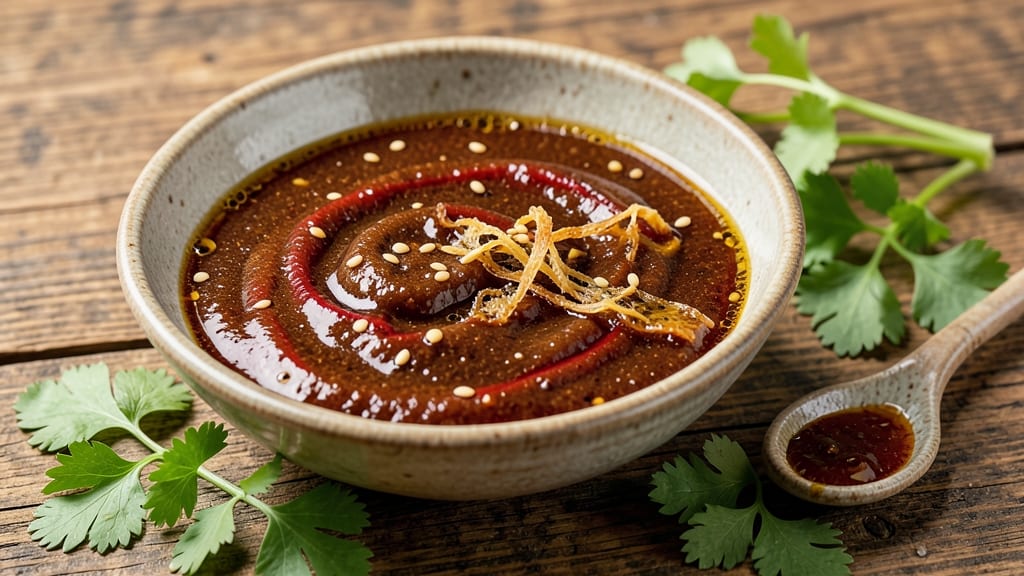
This authentic gochujang sauce recipe delivers the perfect balance of fermented heat and natural sweetness—just like in Korean kitchens. The secret lies in fermented red chili paste (gochujang), which adds depth and complexity that store-bought versions can't match.
With just a few simple ingredients and a quick cooking process, you'll create a versatile sauce that elevates everything from marinades to glazes.
What sets this sauce apart is its authentic flavor profile—sweet, spicy, and umami-rich, thanks to the combination of gochujang, glutinous rice flour, and a touch of sugar. The sauce thickens beautifully, making it ideal for dipping, drizzling, or even as a marinade.
Unlike many recipes, this version skips unnecessary fillers, focusing on the core ingredients that define Korean cuisine.
The result is a glossy, aromatic sauce with a perfect balance of heat and sweetness, ready to transform your dishes. Whether you're glazing grilled meats, tossing with noodles, or using it as a dipping sauce, this recipe ensures restaurant-quality flavor at home.
The best part? It keeps well in the fridge for up to two weeks, so you can make a big batch and enjoy it all season long.
For those who love depth in their flavors, this sauce is a game-changer—simple to make but packed with authenticity. Let's get started on creating your own batch of this versatile, flavorful condiment.
Ingredients for authentic gochujang sauce
Nine ingredients, infinite flavor possibilities—this sauce is your new kitchen essential.
| Ingredient | Amount | Notes |
|---|---|---|
| Gochujang (Korean Red Chili Paste) 🌶️ | ½ cup | High-quality fermented paste |
| Glutinous Rice Flour 🍚 | ¼ cup | For authentic thickening |
| Brown Sugar 🍯 | ¼ cup | Lightly packed for sweetness |
| Apple Cider Vinegar 🍏 | ¼ cup | Balances the heat |
| Soy Sauce 🥫 | ¼ cup | Use light or dark |
| Sesame Oil 🫒 | 1 tbsp | Toasted for nutty depth |
| Garlic Cloves 🧄 | 4 cloves | Minced for aromatic punch |
| Fresh Ginger 🌿 | 1 tbsp | Grated, aromatic base |
| Water 💧 | ½ cup | Adjust for desired consistency |
| Salt 🧂 | ½ tsp | Kosher or sea salt |
The gochujang is non-negotiable—this fermented chili paste is the heart of the sauce. Find it in the Asian aisle at stores like H Mart or Whole Foods, where you'll get the real deal, not the watered-down versions. Look for brands like Maesil or Dongwon for that authentic, deep umami flavor. The glutinous rice flour might be trickier to find, but Asian markets carry it in bulk bins or packaged. If you can't find it, regular rice flour works in a pinch, though the sauce won't be as glossy. Brown sugar adds that caramelized depth, so don't skimp—lightly pack it into your measuring cup for the best results.
No sesame oil? Toasted peanut oil gives a similar nutty richness, though it won't be quite the same. Short on garlic? Garlic powder at half the amount works, but fresh is worth the extra minute. The ginger can be swapped for ground ginger at one-third the quantity, though fresh has that zesty kick. If you're making this for a crowd, double the batch—it freezes beautifully. For a smoother sauce, strain out the garlic and ginger after cooking, but trust me, the texture adds character. The soy sauce? Light soy for subtlety, dark soy for color—your call.
This sauce is a fridge staple—keeps for up to 2 weeks in an airtight jar. For longer storage, freeze in ice cube trays and transfer to a bag. Thickens as it cools, so add a splash of water if it gets too stiff. The flavor actually improves over time, like a fine wine. Use it as a marinade, glaze, or dipping sauce—your dishes will never be the same. Pro tip: drizzle a little over steamed rice or noodles for an instant Korean-inspired meal.
Why You'll Love This Recipe
- Five-Ingredient Magic: I swear by this combo—gochujang’s smoky depth, the glossy sheen from rice flour, and that vinegar cut. It’s the kind of sauce where you taste each ingredient intentionally, not just blended into oblivion.
- Gluten-Free Glow-Up: No weird thickeners here—just toasted rice flour for that silky finish. I’ve made this for my gluten-sensitive cousin, and she still asks for seconds. (Between us, the sauce is the star anyway.)
- Dress-Up Anything: Drizzle it over grilled chicken, toss with noodles, or slather it on sandwiches. The brown sugar mellows the heat just enough to make it work at brunch, lunch, or dinner. Honestly, I’ve even used it as a marinade—don’t judge.
- Lasts a Week: This isn’t some sad, watered-down leftover. The vinegar and soy preserve the flavor, so I make a double batch and refrigerate it. By Thursday, I’m already planning what to dump it on next. (Spoiler: It’s always something.)
Step-by-step instructions for authentic gochujang sauce
This vibrant sauce delivers the perfect balance of fermented heat and sweet complexity—right from your kitchen.
Bloom the Aromatics
Heat the 1 tablespoon sesame oil in a medium saucepan over medium-low heat until shimmering but not smoking. Add the 4 cloves minced garlic and 1 tablespoon grated fresh ginger, stirring constantly for 1-2 minutes until fragrant and just beginning to turn golden. The oil should coat the aromatics completely—this prevents burning while extracting their full flavor.
Here's the thing—ginger and garlic release their oils at different temperatures. If you see the garlic darken too quickly, reduce heat immediately. You're aiming for aromatic depth, not charred bits. Once golden, remove the pan from heat momentarily while you prepare the remaining ingredients—this prevents overcooking while you work.
Combine Wet Ingredients
Return the pan to medium heat and add 0.5 cup gochujang, stirring constantly to incorporate. Let it cook for 2-3 minutes until the paste darkens slightly and becomes glossy. This step develops the sauce's fermented complexity—you'll notice the aroma deepen as the heat awakens the gochujang's natural umami.
Next, whisk in 0.25 cup apple cider vinegar and 0.25 cup soy sauce, stirring continuously. The vinegar will bubble vigorously—this is normal. Let it simmer for 3-4 minutes until the mixture reduces slightly and the raw acidity mellows. This reduction builds the sauce's depth while balancing the initial heat.
Sweeten and Thicken
Add 0.25 cup brown sugar and 0.5 cup water, stirring until the sugar dissolves completely. Here's where the magic happens: the sugar caramelizes slightly while the water creates a proper sauce consistency. Simmer for 5-7 minutes until the mixture thickens enough to coat the back of a spoon but remains pourable.
For authentic texture, whisk in 0.25 cup glutinous rice flour all at once, stirring vigorously. The sauce will thicken dramatically—this is normal. Continue cooking for 2-3 minutes until it reaches a glossy, slightly sticky consistency. If it thickens too much, add 1 tablespoon water at a time until you achieve a balance between cling and pour.
Finish with Salt and Rest
Remove the pan from heat and stir in 0.5 teaspoon salt, tasting as you go. The salt should enhance all the flavors without overpowering them. Let the sauce rest for 5 minutes—this crucial step allows the flavors to meld completely. You'll notice the sauce becomes even more cohesive and flavorful during this time.
For serving, strain through a fine-mesh sieve if you prefer a silky texture, or leave it slightly textured for authentic rustic character. This sauce keeps beautifully in the refrigerator for up to 2 weeks, with flavors deepening over time. Use it as a dipping sauce, marinade, or glaze—just be prepared for requests to make more!
Pro Tips For Making Authentic Gochujang Sauce
- Whisk in Stages: Gochujang is stubborn—don’t dump it all in at once. Mix half the paste first to break up clumps, then gradually add the rest while stirring. I used to force it in all at once and ended up with a grainy mess that ruined the smoothness.
- Toast the Glutinous Flour: Dry-toast the glutinous rice flour in a skillet over medium heat for 2–3 minutes until it smells nutty and deepens in color. This step makes a real difference—skipping it leaves the sauce tasting flat and raw.
- Balance the Vinegar: Apple cider vinegar cuts through the richness, but too much makes the sauce sharp. Start with 1 tablespoon, taste, then add another if needed. I learned this the hard way—my first batch was painfully sour.
- Simmer Slow and Low: Reduce heat to a gentle simmer after combining all ingredients. Boiling burns the gochujang’s delicate flavors and turns the sauce bitter. Keep it at a bare bubble—this is the thing that matters most for depth.
Creative variations of this recipe
Spicy-Sweet Fusion
Transform this sauce into a spicy-sweet fusion glaze for grilled meats by adding 1 tbsp honey and 1 tbsp rice vinegar to the finished sauce. Simmer for 2-3 minutes until glossy, then brush over pork belly or chicken thighs before grilling.
The caramelized edges and sticky texture will have everyone asking for seconds. 🔥
Umami Bomb Marinade
For a bold marinade, blend this sauce with 2 tbsp soy sauce and 1 tbsp grated ginger, then coat tofu or shrimp for 30-60 minutes. The fermented gochujang infuses the protein with deep umami, while the sweetness caramelizes beautifully when seared.
I love pairing it with steamed jasmine rice for a complete Korean-inspired meal.
Creamy Dipping Sauce
Turn it into a creamy dipping sauce by whisking in 2 tbsp tahini and 1 tbsp water until smooth. Add a pinch of sesame seeds for crunch.
This version is perfect for fried chicken, dumplings, or spring rolls. The tahini adds richness that balances the sauce's heat and sweetness perfectly. 🌟
Fermented Heat Boost
For an extra fermented kick, stir in 1 tbsp fermented black bean paste (chunjang) into the finished sauce. This adds a funky depth that elevates noodle dishes or braised meats. The black bean paste’s earthiness complements the gochujang’s spice, creating a complex flavor profile that’s hard to resist.
Sweet & Tangy Dressing
Use this sauce as a dressing for salads by thinning it with 2 tbsp water and tossing with cucumber, carrot, and scallion. The tangy-sweet balance cuts through the freshness of raw veggies beautifully.
I often drizzle it over kimchi fried rice for an extra layer of flavor that ties everything together.
Slow-Cooked BBQ Twist
Simmer this sauce with 1 cup beef broth and 2 tbsp molasses for 10 minutes to create a slow-cooked BBQ sauce. Use it to glaze ribs or pulled pork—the deep, smoky-sweet flavor is a game-changer. The gochujang’s fermented notes add complexity that store-bought BBQ sauces can’t match. ✨
Nutrition facts
Frequently asked questions
What makes this gochujang sauce different from store-bought versions?
This recipe uses high-quality fermented gochujang paste as the base, which delivers that authentic umami depth and complex flavor profile you won't find in most store-bought versions. The combination of glutinous rice flour (not cornstarch) creates a naturally glossy texture, while the slow simmering process allows all the flavors to meld perfectly. Unlike many commercial sauces, this version avoids artificial thickeners and preservatives.
Can I adjust the heat level in this sauce?
For milder heat, reduce the gochujang to 0.25 cup and add 1 tbsp extra brown sugar to balance. For extra spice, increase to 0.75 cup gochujang and add 1 tsp gochugaru (Korean chili flakes) at the end. Always taste as you go—adjust in 1 tbsp increments until you reach your preferred level.
How do I know when the sauce has thickened enough?
The sauce is ready when it reaches a glossy, slightly sticky consistency that coats the back of a spoon but still pours smoothly. Test by dripping a small amount onto a plate—it should form a thin, even line that doesn't immediately pool. If it's too thick, add 1 tbsp water at a time while stirring constantly. Over-thickening can't be easily reversed, so err on the thinner side.
What are the best proteins to use this sauce with?
This versatile sauce works beautifully with grilled meats like pork belly or chicken thighs, but also shines with tofu, shrimp, or even vegetables. For proteins that absorb flavors well (like chicken or tofu), use it as a marinade for 30-60 minutes. For heartier cuts (like ribs), simmer it with beef broth to create a rich glaze. The fermented flavors infuse perfectly into proteins during cooking.
Can I make this sauce without glutinous rice flour?
Yes, but the texture will differ. Replace with 1 tbsp cornstarch or regular rice flour, but you'll need to cook it separately with 1 tbsp cold water first to create a slurry. Add this mixture to the sauce at the end of cooking and simmer for 1-2 minutes until thickened. The sauce won't be as glossy or authentically Korean, but it will still work well for dipping or glazing.