
Sauces & Condiments
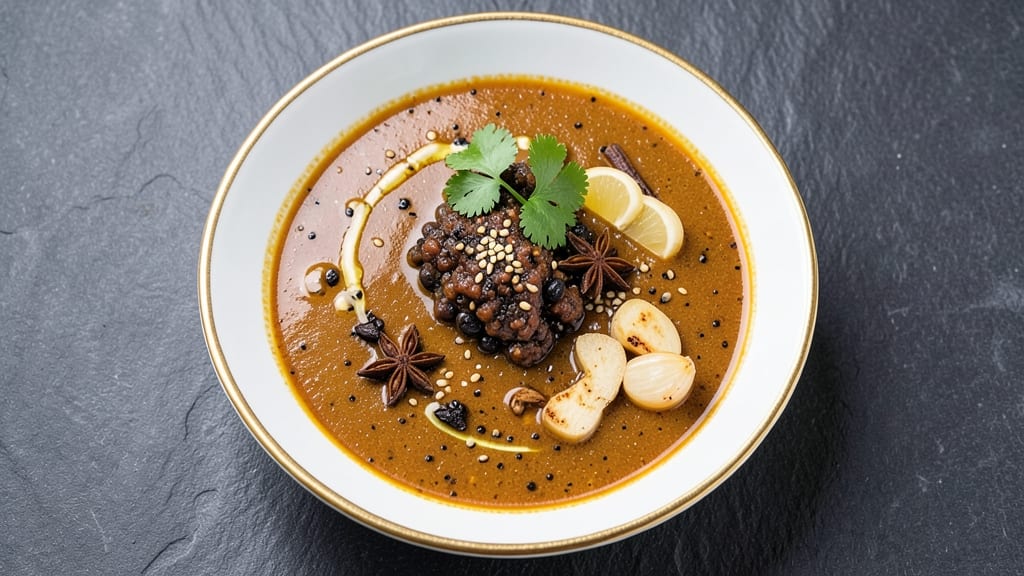
This authentic Chinese curry sauce delivers the deep umami and aromatic five-spice harmony that defines Cantonese home cooking. The secret lies in balancing fermented bean paste with fresh ginger, garlic, and chili oil—creating a sauce that transforms simple proteins into restaurant-quality dishes.
Unlike store-bought versions, this recipe builds complex flavors through slow simmering, where the spices meld into a velvety, slightly sweet-savory base.
The process begins with toasting whole spices (star anise, fennel, cloves) to unlock their aromatic oils before grinding them into a fine powder. This traditional technique forms the foundation of the sauce's signature depth.
Soy sauce provides the salty backbone, while a touch of sugar caramelizes during simmering, creating natural sweetness that balances the heat from chili oil.
What sets this sauce apart is its versatility—it elevates stir-fries with a single spoonful, clings perfectly to noodles, or enhances dumplings with its rich umami profile. The sauce keeps well in the fridge for up to 2 weeks, allowing flavors to deepen over time.
For best results, simmer for at least 20 minutes to develop those essential layers of complexity.
Once you taste the difference between this homemade version and bottled alternatives, you'll never go back. The balance of spices and the slow-cooked depth make it a pantry essential for anyone who loves authentic Chinese flavors. Let's create this sauce that will become your new kitchen staple.
Ingredients for authentic chinese curry sauce
Twelve ingredients, one sauce that transforms simple dishes into Cantonese restaurant magic.
| Ingredient | Amount | Notes |
|---|---|---|
| Fermented Black Bean Paste 🫘 | ½ cup | Look for aged, dark variety |
| Star Anise Pods 🌿 | 4 whole | Toasted for aromatic oils |
| Fennel Seeds 🌿 | 1 tbsp | Toasted lightly before grinding |
| Cloves 🌿 | 6 whole | Whole, not ground |
| Fresh Ginger Root 🧅 | 2 tbsp | Finely grated, not minced |
| Garlic Cloves 🧄 | 6 cloves | Peeled, rough chopped |
| Light Soy Sauce 🍶 | ½ cup | Kikkoman or Lee Kum Kee |
| Dark Soy Sauce 🍶 | 1 tbsp | For color depth |
| Chili Oil 🌶️ | 1 tbsp | Homemade or store-bought |
| Granulated Sugar 🍚 | 1 tbsp | For caramelization |
| Vegetable Oil 🫒 | 2 tbsp | For sautéing spices |
| Water 💧 | 1 ½ cups | For thinning sauce |
The fermented black bean paste is non-negotiable—it's the umami bomb here. Asian markets carry the best aged varieties, but H Mart or 99 Ranch usually stock it too. Look for deep black color and a strong, funky aroma (that's the good kind). The whole spices—star anise, fennel, cloves—need toasting to unlock their oils. Lightly toast in a dry pan for 30 seconds until fragrant, then grind into a powder. Fresh ginger and garlic should be vibrant, not shriveled. I always double-check the ginger root for soft spots—no one wants mushy ginger in their sauce.
No fermented bean paste? Miso paste at half the amount works in a pinch, but it won't be identical. Running short on whole spices? Ground versions at double the amount are fine, though you'll miss that toasted depth. Chili oil missing? Sriracha thinned with oil gives you heat, but lacks the smoky complexity. The soy sauces—light and dark—are where the magic happens. Kikkoman light and Lee Kum Kee dark are my go-tos, but any good-quality brands work. Pro tip: the sugar isn't just for sweetness—it caramelizes during simmering, adding that subtle depth that makes this sauce restaurant-quality.
This sauce gets better with time—2 weeks in the fridge lets flavors meld beautifully. Portion into ice cube trays for easy use in stir-fries or noodles. Freezes for 3 months if you want to make a big batch. The chili oil can be made ahead too—just store it separately and mix in when reheating. I always make extra because once you taste homemade, store-bought just won't cut it anymore.
Why You'll Love This Recipe
- Few-Step Magic: I swear by this sauce because it’s three steps—simmer, blend, adjust. No peeling garlic by the clove, no mincing ginger until my fingers ache. Just toast those whole spices (star anise, fennel, cloves) in oil for 30 seconds—that’s it—then let the fermented black bean paste do the heavy lifting.
- Umami Bomb: Between us, fermented black bean paste is the secret weapon here. It’s funky, salty, and deep—like a little umami explosion in your mouth. The ginger and star anise tie it all together with warmth, but it’s that paste that makes it dangerously good. (I’ve ruined perfectly good meals by eating it straight from the spoon.)
- Weeknight to Dinner Party: This sauce works everywhere. Drizzle it over stir-fried greens for a quick weeknight meal, toss it with tofu and broccoli for a takeout vibe, or slather it on rice with charred veggies for a date-night dish. Honestly, I’ve even used it as a marinade for chicken thighs—yes, even on a Tuesday night—because it’s that versatile.
- Leftovers That Don’t Suck: Make a big batch, store it in the fridge, and thank me later. This sauce improves over time—like a good wine, but for your freezer. Freeze it in ice cube trays, then pop one into any dish when you’re short on time. Budget-friendly? Absolutely. Time-saving? Even better. My college self would’ve wept.
Step-by-step instructions for authentic Chinese curry sauce
Let's build this complex yet approachable sauce where every spice plays its part.
Toast the Whole Spices for Maximum Flavor
Heat a dry skillet over medium heat and add the 4 whole star anise pods and 6 whole cloves. Toast for 1-2 minutes until fragrant and slightly darkened—you'll smell that warm, licorice-like aroma. This step unlocks their essential oils, which are the soul of this sauce.
Immediately transfer the toasted spices to a small bowl and set aside. Next, add the 1 tablespoon fennel seeds to the same skillet and toast for 30 seconds until they turn a lighter golden color and release their anise-like scent. Remove and combine with the other spices. Don't walk away—fennel seeds burn quickly.
Sauté Ginger and Garlic in Oil
In a separate saucepan, heat the 2 tablespoons vegetable oil over medium heat until shimmering but not smoking. Add the 2 tablespoons finely grated fresh ginger root and 6 cloves rough chopped garlic. Cook for 2-3 minutes until the ginger becomes fragrant and the garlic turns golden around the edges—this prevents bitterness.
Here's where it gets good: stir constantly during this step. The ginger should soften but not brown, and the garlic should develop a nutty aroma. If it starts to darken too quickly, reduce the heat slightly. You're building the aromatic base that will carry through the entire sauce.
Add Fermented Black Bean Paste and Cook
Lower the heat to medium-low and add the 0.5 cup fermented black bean paste, stirring constantly to incorporate into the ginger-garlic mixture. Cook for 3-4 minutes until the paste darkens slightly and releases its deep umami aroma—this is where the magic happens.
I like to press the paste gently with a wooden spoon during this step to help it break down faster. The paste should become almost caramelized, developing a rich, slightly sticky texture. This is the foundation that will hold all the other flavors together.
Build the Sauce with Soy Sauces and Water
Pour in the 0.5 cup light soy sauce and 1 tablespoon dark soy sauce, stirring to combine with the paste mixture. Add the 1.5 cups water and bring to a gentle simmer over medium heat. Let it cook for 5-7 minutes until the sauce thickens slightly and the flavors meld together.
This is where the sauce comes together. You'll notice the dark soy sauce adding that beautiful mahogany color while the light soy sauce provides the salty backbone. The water helps thin the sauce to the perfect consistency for coating proteins or vegetables.
Finish with Sugar and Chili Oil
Add the 1 tablespoon granulated sugar and 1 tablespoon chili oil, stirring constantly for 1-2 minutes until the sugar dissolves completely. The sugar helps balance the deep umami flavors while the chili oil adds just the right amount of heat and aromatic punch.
Taste and adjust seasoning if needed—you might want to add a splash more light soy sauce for saltiness or a touch of sugar if the flavors need balancing. The sauce should be glossy, well-balanced, and ready to elevate any dish it touches.
Pro Tips For Making Authentic Chinese Curry Sauce
- Bloom the Spices First: I learned this the hard way—just tossing whole star anise, fennel seeds, and cloves into the pot with everything else means you’ll end up with a sauce that tastes like you’re chewing on the spices, not enjoying them. Toast them dry in a separate pan for 30 seconds until fragrant, then crush lightly with a mortar and pestle (or a heavy spoon) before adding to the fermented black bean paste. That releases their oils properly.
- Don’t Rush the Ginger: Skip pre-grating or mincing that fresh ginger root—it turns bitter when exposed to air. Instead, peel and slice it into thin matchsticks (about 1/8-inch thick) right before adding it to the wok or pot. Let it sizzle for 20 seconds in the hot oil with the black bean paste before adding liquids. That’s when it transforms from sharp to aromatic.
- Low and Slow for Depth: After the initial searing of aromatics, resist the urge to blast the sauce with high heat. Once the black bean paste darkens and the ginger softens, drop the heat to medium-low and let it simmer uncovered for at least 15 minutes. This isn’t the time to rush—let the flavors meld, or you’ll end up with a one-note sauce instead of that complex, layered taste.
- Save the Star Anise: Yes, you can remove the whole star anise pod after simmering—it’s not meant to be eaten like a raisin. But here’s the real trick: split it open before adding it to the pot. That way, the resinous center infuses the sauce properly without leaving you with a single hard pod floating in your final dish. Just fish it out with tongs when done.
Perfect pairings for this recipe
Stir-Fry Perfection
This curry sauce transforms simple stir-fries into restaurant-quality dishes. Toss 1 lb chicken thighs or firm tofu with 2 tbsp vegetable oil in a wok over high heat.
Add 1 bell pepper, 1 cup broccoli florets, and 2 tbsp sauce, stirring constantly for 3-4 minutes until everything is caramelized and glossy. Garnish with sesame seeds and sliced green onions for freshness. 🌶️
Noodle Elevation
For noodles, cook 8 oz fresh egg noodles according to package directions, then drain and toss with 2 tbsp sauce and 1 tbsp chili oil. Top with thinly sliced scallions and crushed peanuts for texture.
The sauce clings beautifully to noodles, creating a harmonious blend of flavors with every bite. I love adding a soft-boiled egg for extra richness.
Dumpling Sauce
Use this sauce as a dipping sauce for dumplings by thinning it slightly with 1 tbsp water or rice vinegar. The fermented black bean paste adds depth that complements the delicate flavors of pork and shrimp dumplings.
Serve warm in small bowls with a sprinkle of toasted sesame oil and cilantro. This is my go-to for serving dumplings at family gatherings.
Rice Bowl Base
Create a complete meal by spreading 2 tbsp sauce over steamed jasmine rice. Top with grilled pork belly, steamed bok choy, and a fried egg. The sauce's umami richness balances the sweetness of the pork and the freshness of the vegetables, making every bite satisfying.
This combination is inspired by classic Cantonese rice bowls.
Marinade Magic
Use ¼ cup sauce as a marinade for chicken or tofu before grilling or baking. The spices and soy sauce penetrate the protein, creating tender, flavorful results.
Marinate for at least 30 minutes or up to 4 hours in the refrigerator. This works especially well for skewers or grilled slabs of meat.
Soup Enhancer
Add 2 tbsp sauce to hot and sour soup or egg drop soup for an instant flavor boost. The fermented bean paste adds depth that complements the tangy broth.
I also use it in wonton soup to elevate the dumplings and broth. The sauce's versatility makes it perfect for any soup base you're using.
Nutrition facts
Frequently asked questions
Why does this sauce need whole spices?
Toasting whole spices like star anise and fennel unlocks their essential oils, creating that authentic aromatic depth you can't get from ground versions. The spices infuse the sauce gradually during simmering, building complex flavors that ground spices would burn and release too quickly. This traditional technique is what gives the sauce its signature five-spice harmony.
Can I make this sauce without fermented black bean paste?
You can substitute ½ cup miso paste or ¼ cup soy sauce + 1 tbsp dark soy sauce in a pinch, but it won't be identical. The fermented bean paste provides that deep, funky umami that's essential to authentic Chinese curry sauces. For best results, track down the paste at Asian markets—it makes all the difference in flavor complexity.
How long should I simmer the sauce?
Simmer for at least 20 minutes to develop full flavor, but don't boil vigorously—this prevents the spices from becoming bitter. The longer it simmers (up to 30 minutes), the more the flavors meld together. This slow cooking process creates that velvety texture and balanced sweet-savory profile that makes this sauce so special.
What's the best way to store this sauce?
Store in an airtight container in the fridge for up to 2 weeks, where flavors actually deepen over time. For longer storage, freeze in ice cube trays for easy portioning—thaw overnight in the fridge. The sauce keeps well because the soy sauce and spices act as natural preservatives. Just give it a good stir before using after refrigeration.
Can I adjust the heat level?
Start with 1 tbsp chili oil for mild heat, then add more to taste. For extra spice, stir in ½ tsp chili flakes or 1 tsp gochujang** at the end. The sauce's umami base balances any heat you add, so you can't overdo it. Remember, you can always add more heat later but can't remove it once it's in!