
Sauces & Condiments
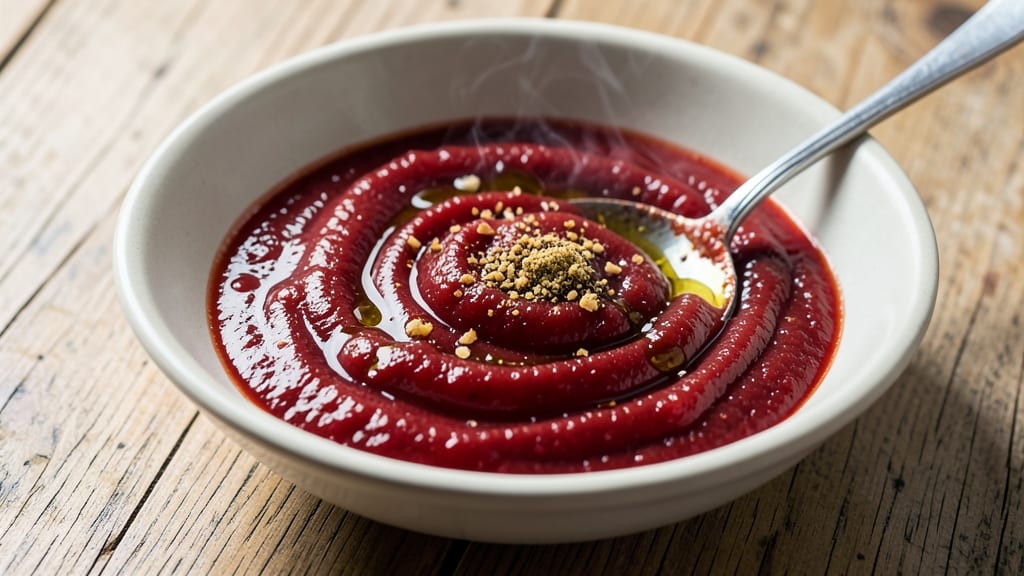
This Australian tomato sauce recipe transforms humble ingredients into a smoky, umami-rich condiment that elevates everything from grilled meats to pasta. The secret lies in slow-simmered tomatoes, a touch of vinegar for brightness, and a blend of spices that create depth without overpowering.
Unlike its American counterpart, this version builds complexity through caramelization and layered seasoning—think charred edges and a velvety finish that clings to food like a second skin.
The process is straightforward but requires patience: tomatoes are cooked down until thick and syrupy, then blended with spices that develop into a harmonious, slightly sweet-savory profile.
Onion powder and garlic powder add subtle warmth, while a hint of sugar balances acidity, creating the perfect balance for sandwiches, burgers, or as a dipping sauce. What sets this apart is the smoky undertone, achieved through careful simmering rather than artificial additives.
What you’ll end up with is a versatile sauce that bridges the gap between ketchup and a rich, meaty tomato paste—ideal for slathering on ribs, drizzling over roasted vegetables, or mixing into marinades. Its concentrated flavor means a little goes a long way, and the texture remains smooth yet substantial.
The best part? It stores effortlessly in the fridge for up to two weeks, ready to transform any meal with minimal effort.
Whether you’re serving up backyard BBQ or whipping up a weeknight pasta, this sauce delivers restaurant-quality depth with pantry staples. The key is letting flavors meld during the simmer, so don’t rush it—every minute of cooking builds the umami punch that makes this sauce unforgettable.
Ingredients for australian tomato sauce
Pantry staples meet Australian BBQ tradition—this sauce delivers smoky depth with minimal ingredients.
| Ingredient | Amount | Notes |
|---|---|---|
| San Marzano Tomato Paste 🍅 | ½ cup | High-quality, no additives |
| Crushed Tomatoes (46 oz can) 🍅 | 1 can | Whole San Marzano preferred |
| Apple Cider Vinegar 🍏 | 2 tbsp | For brightness and balance |
| Onion Powder 🧅 | 1 tsp | Diamond Crystal preferred |
| Garlic Powder 🧄 | 1 tsp | Freshly ground preferred |
| Smoked Paprika 🌶️ | 1 tsp | For authentic smoky depth |
| Ground Black Pepper 🌶️ | ½ tsp | Freshly cracked for intensity |
| Granulated Sugar 🍚 | 1 tbsp | Balances acidity naturally |
| Extra-Virgin Olive Oil 🫒 | 1 tbsp | High-quality, fruity variety |
| Kosher Salt 🧂 | 1 tsp | Diamond Crystal preferred |
The foundation starts with San Marzano tomatoes—their natural sweetness and low acidity create the ideal base. Whole canned tomatoes add body, while the paste thickens beautifully during simmering. For vinegar, apple cider provides subtle fruitiness without overpowering the tomato's natural flavors. Smoked paprika is non-negotiable here; Penzeys brand delivers the most authentic smoky profile. If you can't find San Marzano, whole peeled Italian tomatoes work as a second choice, but you'll lose some of that signature sweetness. The olive oil should be extra-virgin and fruity—none of that bland supermarket stuff.
No smoked paprika? Substitute with ½ tsp regular paprika plus ¼ tsp liquid smoke, though the flavor won't be identical. Running low on vinegar? Balsamic vinegar at half the amount adds depth but leans more toward sweetness. The sugar might seem counterintuitive, but it's crucial for balancing the acidity—brown sugar works too, though it adds molasses notes. For a deeper umami kick, add ½ tsp Worcestershire sauce (ensure it's vegetarian if needed). The spices should be freshly ground or toasted—toast the onion and garlic powders in a dry pan for 30 seconds before adding to intensify their flavors. Pre-ground spices work, but you'll notice the difference.
This sauce thickens as it cools, so don't over-simmer or it'll turn into paste. Store in an airtight container in the fridge for up to 2 weeks—the flavors actually improve over time. For longer storage, freeze in ice cube trays; thaw overnight in the fridge. The sauce thickens when reheated, so add a splash of water if needed. A little goes a long way—start with 1 tsp per serving and adjust to taste. The smoky depth develops further after the first 24 hours, so if you're impatient, let it sit overnight before using.
Why You'll Love This Recipe
- No-Fuss Pantry Hero: Honestly, this sauce comes together with stuff you already have—no fresh herbs, no fancy prep. Just a can of tomatoes, a spoonful of paste, and a pinch of spices. That’s it. (Yes, even on a Tuesday night when you’ve forgotten to grocery shop.)
- Tangy-Sweet Magic: The apple cider vinegar cuts through the richness of the San Marzano paste like a dream. It’s bright, balanced, and—between us—way more exciting than store-bought jars. One taste and you’ll understand why I keep making it.
- Pasta Party Starter: This sauce doubles as marinara, dipping sauce, or even a base for slow-cooked meats. I’ve used it for spaghetti, meatballs, and even as a pizza topping. The crushed tomatoes give it that thick, velvety texture that works everywhere.
- Budget-Friendly Leftovers: A single batch stretches across three meals—no waste, just flavor. The garlic and onion powders add depth without cost, and the vinegar keeps it fresh in the fridge for days. My wallet (and my freezer) thank me every time.
Step-by-step instructions for Australian tomato sauce
This smoky, umami-rich sauce builds depth through careful layering—start with high heat and finish with precision.
Bloom the Spices in Olive Oil
Heat the 1 tablespoon extra-virgin olive oil in a heavy-bottomed saucepan over medium-high heat until shimmering. Add the 1 teaspoon onion powder and 1 teaspoon garlic powder, stirring constantly for 30 seconds until fragrant—this releases their aromatic oils and prevents burning. The spices should dance in the oil without browning, creating a fragrant base that forms the sauce's foundation.
Here's the thing—don't walk away. Garlic powder burns faster than you'd expect, and once it darkens, the flavor turns bitter. Watch closely until you smell that warm, earthy aroma. This step ensures every spoonful of sauce carries that authentic Australian BBQ depth without overpowering the tomatoes.
Develop the Sauce Base
Reduce heat to medium-low and stir in the 0.5 cup San Marzano tomato paste, scraping the bottom of the pan to incorporate any browned bits. Cook for 3-4 minutes until the paste darkens slightly and loses its raw, metallic sheen. This caramelization step builds the sauce's complexity—those dark bits contain concentrated umami flavors.
Next, add the 1 can crushed tomatoes, 2 tablespoons apple cider vinegar, and 1 tablespoon granulated sugar. Stir well to combine, then bring to a gentle simmer. The vinegar will make the sauce bubble vigorously at first—this is normal as the acidity reacts with the tomatoes. Let it simmer uncovered for 15 minutes, stirring occasionally, until the sauce thickens noticeably.
Build Smoky Depth and Season
Add the 1 teaspoon smoked paprika, 0.5 teaspoon ground black pepper, and 1 teaspoon kosher salt, stirring to distribute evenly. Increase heat to medium-high and let the sauce bubble vigorously for 5-7 minutes, stirring frequently to prevent sticking. The smoked paprika will infuse the sauce with that characteristic Australian BBQ smokiness while the pepper adds subtle heat.
Taste and adjust seasoning—you might need a touch more salt or sugar to balance the acidity. The sauce should coat the back of a spoon with a velvety texture, not be watery. If it's too thick, whisk in 1-2 tablespoons water to reach your desired consistency. This final adjustment ensures the sauce clings perfectly to meats or vegetables without being gluey.
Simmer to Perfection
Reduce heat to low and let the sauce simmer gently for 10-12 minutes, stirring occasionally. This final reduction concentrates the flavors and develops that rich, complex taste. You'll notice the sauce darkens slightly and its aroma deepens—this is when the magic happens. The prolonged simmer allows the spices to meld completely with the tomatoes.
For best results, remove from heat and let it rest for 5 minutes before serving. This resting period allows the flavors to settle and the sauce to thicken slightly as it cools. The sauce should finish with a glossy sheen and a balance of sweet, smoky, and tangy flavors that make it irresistible over grilled meats, roasted vegetables, or as a dipping sauce.
Pro Tips For Making Australian Tomato Sauce
- Bloom the Paste: Heat that San Marzano paste in a dry pan for 2-3 minutes before adding anything else—it deepens the flavor and prevents clumping. I learned this the hard way after ending up with a lumpy sauce that needed extra water to fix.
- Drain the Tomatoes: Pour the crushed tomatoes into a fine-mesh strainer over a bowl, then press with a spoon to remove excess liquid. This keeps your sauce thicker and more concentrated, especially if you’re not adding any thickeners like flour or cornstarch.
- Simmer, Don’t Boil: Keep the sauce at a gentle simmer after adding vinegar and spices—boiling hard will make it bitter. A low, steady heat for at least 30 minutes lets the flavors meld without turning sour.
- Taste Before Vinegar: Add a pinch of salt and check the sauce’s acidity before dumping in the apple cider vinegar. If it’s already tangy, you’ll know exactly how much to use—no guessing or overpowering the tomatoes.
Dietary considerations for this recipe
Gluten-Free Adaptation
This sauce is naturally gluten-free since it uses spices like onion powder and garlic powder instead of flour or thickeners. However, always double-check your smoked paprika and Worcestershire sauce (if using) for hidden gluten—brands like Penzeys and Annie's offer certified gluten-free options.
The San Marzano tomato paste and apple cider vinegar are also safe choices, but verify labels if you're highly sensitive. 🌱
Low-Sugar Version
For a lower-sugar option, reduce the granulated sugar to ½ tablespoon or swap it entirely for ½ teaspoon monk fruit sweetener. The sauce will still balance its acidity, though you may need to add a pinch more salt to compensate.
Taste as you simmer—sometimes tomatoes are sweeter than expected, so adjust gradually. I’ve found this works especially well with ripe, sweet San Marzano tomatoes.
Vegan-Friendly Notes
This recipe is already vegan, but a few tweaks ensure optimal results. Use vegetarian Worcestershire sauce (like Annie's) if adding it, and confirm your smoked paprika is plant-based.
The extra-virgin olive oil and apple cider vinegar are both vegan staples, and the San Marzano tomato paste is typically free of animal products. For extra umami, add 1 teaspoon nutritional yeast during the final simmer—it deepens the savory notes beautifully. 🌱
Allergen Considerations
If you're avoiding sulfites, opt for sulfite-free apple cider vinegar (check labels) and ensure your smoked paprika is sulfite-free. For nightshade-sensitive diets, skip the smoked paprika and replace it with ½ teaspoon liquid smoke (like Colman’s) plus ½ teaspoon regular paprika.
Always store your sauce in a glass jar—some plastics can leach chemicals, which may irritate allergies. 💡
Preservative-Free Option
Traditional Australian tomato sauces often include preservatives like sodium benzoate, but this recipe avoids them entirely. For a longer shelf life without additives, add ½ teaspoon lemon juice (instead of vinegar) and store the sauce in an airtight glass container in the fridge.
It’ll last 10-12 days instead of 2 weeks, but the flavor remains vibrant. If you’re canning, process the sauce in a water bath for 15 minutes to extend its shelf life safely. ⏳
Nutrition facts
Frequently asked questions
Why does this sauce taste different from store-bought tomato sauce?
This recipe skips artificial preservatives and focuses on slow-simmered depth. The smoked paprika and apple cider vinegar create a bright, smoky profile, while caramelizing the tomato paste builds umami complexity. Store-bought versions often contain additives for shelf stability and uniform flavor—this one develops richer layers as it cooks.
Can I make this sauce without smoked paprika?
Yes! Substitute with ½ teaspoon regular paprika plus ¼ teaspoon liquid smoke for a similar effect. For a nightshade-free version, use ½ teaspoon liquid smoke alone—just add it during the final 5 minutes of simmering to preserve its aroma. The sauce will still have depth, though the smokiness will be more subtle.
How do I adjust the thickness for dipping vs. slathering?
For a dipping sauce, simmer uncovered until it reaches 30-seconds-thick (coats a spoon but drips slowly). For slathering (like on burgers), reduce until it’s 1-minute-thick (holds shape on the spoon). Need to thin? Whisk in 1 tablespoon water at a time. Too thick? Simmer uncovered for 5-10 extra minutes—the moisture will evaporate naturally.
Will this sauce work in pasta dishes?
This sauce is perfect for tossing with pasta—its balanced sweetness and smokiness complement dishes like penne alla vodka or spaghetti aglio e olio. Reduce the sugar to ½ tablespoon if you’re sensitive to sweetness, and add 1 tablespoon red wine during the final simmer for extra depth. The texture should be saucy but clinging—thicker than marinara but lighter than Bolognese.
Can I make this sauce in a slow cooker?
Yes, but adjust the timing. Combine all ingredients in the slow cooker on LOW for 4-5 hours, stirring occasionally. The sauce will thicken more than on the stovetop—add 1-2 tablespoons water if needed. For smokiness, place a metal lid with a drop of oil on top during cooking. The flavors meld beautifully, though the texture may be slightly thinner.