
Sauces & Condiments
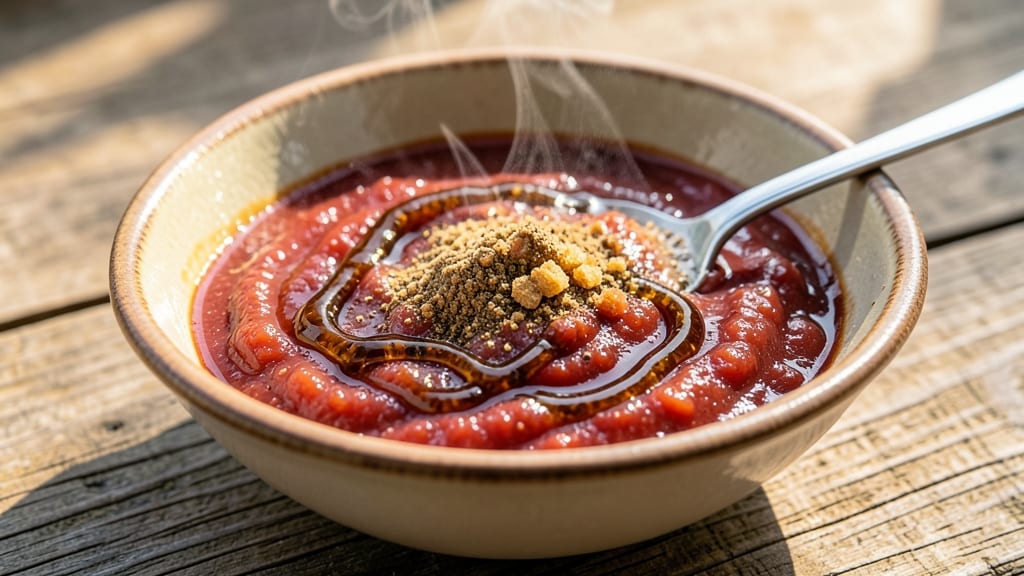
This Austin BBQ sauce recipe delivers the perfect balance of smoky chipotle heat and sweet caramelized depth that defines Central Texas BBQ. 🔥 As a pitmaster who's spent years perfecting the art of smoke and spice, I've developed a sauce that's rich enough for ribs but versatile enough for chicken or brisket.
The secret lies in slow-simmered tomatoes, adobo powder, and just the right amount of brown sugar to create that signature sweet-spicy profile.
The foundation starts with high-quality tomato paste and crushed tomatoes, simmered with vinegar and spices until thick and concentrated. Chipotle peppers in adobo add that signature smoky heat without overpowering, while a touch of molasses deepens the sauce's complexity.
This isn't just another BBQ sauce—it's a flavor bomb that transforms any protein into a showstopper.
What makes this sauce truly special is its ability to develop flavor as it cooks. The longer it simmers, the more those sweet and smoky notes meld together, creating a sauce that's perfect for basting ribs or as a finishing glaze.
The texture becomes just thick enough to cling beautifully, without being syrupy.
With just eight simple ingredients and 45 minutes of active time, you'll have a batch of sauce that rivals what you'd find at any Austin BBQ joint. The best part?
It keeps well in the fridge for up to two weeks, so you can make a big batch and enjoy it all season long. Let's get cooking!
Ingredients for austin bbq sauce
Eight simple ingredients that pack the smoky-sweet punch of Austin BBQ joints—no shortcuts here.
| Ingredient | Amount | Notes |
|---|---|---|
| Tomato Paste 🍅 | ½ cup | High-quality, no sugar added |
| Crushed Tomatoes 🍅 | 15 oz | High-quality, canned preferred |
| Apple Cider Vinegar 🍎 | ½ cup | For tangy depth |
| Adobo Powder 🌶️ | 2 tbsp | From chipotle peppers in adobo |
| Brown Sugar 🍯 | ½ cup | Light or dark, packed |
| Molasses 🍯 | 2 tbsp | Unsulphured for best flavor |
| Smoked Paprika 🌶️ | 1 tbsp | For extra smoky depth |
| Garlic Powder 🧄 | 1 tbsp | Freshly ground preferred |
| Salt 🧂 | 1 tsp | Kosher or sea salt |
The tomatoes are where it all starts. Muir Glen or Hunts crushed tomatoes are my go-to—they’ve got that rich, concentrated flavor that stands up to the smoky spices. If you’re using canned tomatoes, look for ones with no added salt. The adobo powder is non-negotiable for that authentic chipotle heat—Penzeys or La Costeña are my favorites, but any brand with real chipotle peppers in adobo will work. Brown sugar adds caramel depth, but don’t skimp on the molasses—it’s what gives this sauce that deep, almost caramelized complexity. Pro tip: Toast your spices in a dry pan for 30 seconds before adding to bring out even more flavor.
No adobo powder? Substitute with 1 tbsp smoked paprika plus 1 tsp cayenne for heat, but you’ll lose that smoky depth. Running low on molasses? Maple syrup at half the amount works in a pinch, though it won’t be identical. The vinegar is key for tang—apple cider vinegar is best, but white vinegar in a bind. If your tomatoes are watery, drain them first—this sauce needs to be thick and clingy. And if you’re feeling fancy, add a pinch of cinnamon for warmth, but keep it subtle.
This sauce only gets better with time—simmer it for at least 45 minutes to let those flavors meld. Store in a clean jar in the fridge for up to 2 weeks, or freeze for 6 months. I like to make a big batch and keep it on hand for ribs, chicken, or even drizzling over baked beans. The longer it sits, the more those smoky-sweet notes develop. Trust me, the first time you baste ribs with this, you’ll never go back to store-bought.
Why You'll Love This Recipe
- Pantry Magic: I swear by this recipe because it uses stuff I always have—no last-minute grocery runs. The adobo powder and apple cider vinegar do all the heavy lifting, while the brown sugar keeps it from being too sharp.
- Smoky-Sweet Balance: Here’s what sold me—the crushed tomatoes and tomato paste give it that thick, glossy coat, but the vinegar cuts through the richness. It’s not too sweet, not too tangy—just right.
- Leftovers That Shine: This sauce actually gets better the next day. I’ve used it on pulled pork sandwiches, grilled chicken, and even roasted veggies. No waste, no fuss—just pure flavor.
- Weeknight Hero: Between us, I make this when I’m too tired to think. Simmer it while I chop veggies or toss a salad. By the time everything’s ready, the sauce is ready too—no babysitting required.
Step-by-step instructions for Austin BBQ sauce
Here's how to craft that iconic Texas smoky-sweet balance with bold chipotle heat.
🍳 Step 1: Build the Sauce Base with Tomato and Vinegar
In a heavy-bottomed saucepan, combine the 0.5 cup tomato paste and 15 oz crushed tomatoes. Stir over medium heat for 5 minutes until the tomato paste dissolves completely and the mixture begins to thicken slightly. This creates your flavor foundation.
Add the 0.5 cup apple cider vinegar and bring everything to a gentle boil. Let it bubble away for 8-10 minutes until the liquid reduces by about one-third. You're looking for a concentrated tomato flavor—this step develops the sauce's tangy backbone. Here's the thing: don't rush this reduction. Patience here prevents a watery sauce later.
🔥 Step 2: Add Sweetness and Smoky Depth
Reduce heat to low and stir in the 0.5 cup brown sugar and 2 tbsp molasses. Let the mixture simmer for 5 minutes while stirring occasionally. The sugar will begin to caramelize slightly, adding rich complexity to your sauce. Watch closely—you want it to thicken but not burn.
Add the 1 tbsp smoked paprika and 1 tbsp garlic powder, stirring until completely dissolved. Here's where the magic happens: the smoky paprika and sweet molasses create that signature Austin BBQ profile. Let the sauce simmer another 3 minutes to let these flavors meld together. You'll notice the aroma becoming deeper and more complex—this is your reward for paying attention.
🌶️ Step 3: Incorporate the Heat and Season
Sprinkle in the 2 tbsp adobo powder and 1 tsp salt. Stir vigorously for 1 minute to fully incorporate. The adobo powder will make the sauce bubble vigorously—this is normal. Taste the sauce at this point. You should detect a perfect balance of sweet, smoky, and slightly spicy flavors. If it needs more heat, add a pinch more adobo powder.
Simmer the sauce uncovered for 15-20 minutes until it thickens to your desired consistency. It should coat the back of a spoon but still be pourable. For a thicker sauce, simmer longer; for a thinner one, add a splash of water. Don't walk away—this is the critical finishing stage where all the flavors come together.
⏰ Step 4: Rest and Adjust
Remove the sauce from heat and let it cool for 10 minutes. This resting period allows the flavors to fully develop and settle. Taste again and adjust the seasoning if needed—perhaps a touch more salt or a splash of vinegar for brightness.
For best results, transfer the sauce to a clean jar and refrigerate for at least 4 hours (or overnight). This resting period deepens the flavors and makes the sauce even more complex. The sauce will thicken further as it cools—stir well before using. Now you're ready to slather this incredible sauce on brisket, ribs, or even grilled vegetables!
Pro Tips For Making Austin Bbq Sauce
- Bloom the Spices: Toast the adobo powder in a dry pan for 30 seconds before adding liquids—it deepens the smoky flavor without burning. I learned this the hard way when my sauce tasted flat until I realized the spices needed a quick wake-up call.
- Sweat the Tomato Paste: Cook the tomato paste in oil over medium heat for 2-3 minutes until it darkens slightly. This step thickens the sauce and cuts the raw taste, so don’t rush it—even if you’re impatient like me.
- Balance the Vinegar: Add the apple cider vinegar gradually, tasting as you go. Too much upfront makes the sauce sharp; too little later means you’ll regret it. Start with half, then adjust—this isn’t a math problem.
- Simmer Low and Slow: Reduce heat to a gentle simmer after adding the crushed tomatoes and brown sugar. Skipping this means a thin, watery sauce. Let it bubble quietly for 20-30 minutes—your future ribs will thank you.
Dietary considerations for this austin bbq sauce
Gluten-Free Adaptation
The good news is this Austin BBQ sauce is naturally gluten-free! All the ingredients—tomato paste, crushed tomatoes, apple cider vinegar, adobo powder, brown sugar, molasses, smoked paprika, garlic powder, and salt—are inherently gluten-free.
Just make sure your adobo powder doesn't contain any hidden gluten additives, which is rare but worth checking. I always double-check the label on Penzeys or La Costeña products to confirm. 🌱
If you're using pre-made spices or powders, verify the packaging for gluten-free certification. For extra peace of mind, I recommend toasting your own spices at home—just dry-toast the smoked paprika and garlic powder in a pan for 30 seconds to enhance flavor while ensuring purity.
This sauce is perfect for gluten-free diets, especially when paired with naturally gluten-free proteins like ribs, chicken, or grilled vegetables.
Sweet-Free Version
For a lower-sugar option, reduce the brown sugar to 2 tablespoons and omit the molasses entirely. You'll still get that signature tangy, smoky flavor without the sweetness. To compensate for the lost depth, add 1 teaspoon of cinnamon for warmth and complexity.
This version works beautifully on pulled pork or grilled chicken if you prefer a more traditional BBQ sauce profile. 🔥
If you're watching your sugar intake but still want that caramelized depth, try substituting 2 tablespoons of unsweetened applesauce for the molasses. It adds natural sweetness without refined sugar while maintaining the sauce's texture.
Spice Control Options
Adjust the heat level by modifying the adobo powder. For a milder sauce, reduce it to 1 tablespoon and add ½ teaspoon of cayenne pepper for a cleaner heat. For extra kick, increase the adobo to 2.5 tablespoons and add ½ teaspoon of crushed red pepper flakes. I find that Penzeys adobo powder has a more balanced heat profile, so I often use it as my go-to for consistent results. 🌶️
If you're sensitive to spice, you can also remove the adobo powder entirely and rely on 1 tablespoon of smoked paprika plus ½ teaspoon of cayenne for a milder but still smoky flavor.
For those who love heat, a dash of hot sauce (like Cholula) at the end adds an extra layer of complexity. Always taste as you go—this sauce is forgiving, and small adjustments make a big difference.
Allergen Awareness
This sauce is free from common allergens like dairy, eggs, and nuts, making it safe for most people with dietary restrictions. However, always double-check ingredient labels, especially for the adobo powder and spices, which can sometimes be processed in facilities that handle allergens.
I like to keep a small jar of Penzeys adobo powder on hand specifically for allergy-sensitive recipes. 💡
If you're serving this sauce to guests with allergies, consider preparing it in a separate, dedicated pot to avoid cross-contamination. For those with sulfite sensitivities, use unsulphured molasses and check that your vinegar and spices are sulfite-free.
The natural ingredients in this sauce make it a great option for many dietary needs, but always prioritize safety and transparency when sharing recipes.
Nutrition facts
Frequently asked questions about Austin BBQ sauce
What makes this Austin BBQ sauce different from store-bought?
The real difference is in the slow-simmered depth and authentic chipotle heat. This recipe uses adobo powder (not just cayenne) for that signature smoky flavor, plus molasses and apple cider vinegar that create a balanced sweet-tangy profile. Store-bought sauces often use artificial flavors and preservatives, while this version develops richer, more complex flavors the longer it simmers.
Can I use this sauce on vegetables or tofu?
This sauce works beautifully on grilled vegetables like bell peppers, zucchini, or portobello mushrooms. For tofu, marinate it first in a little soy sauce and garlic to help it absorb the sauce better. The smoky-sweet balance complements plant-based proteins wonderfully. Just reduce the simmering time slightly to prevent the sauce from becoming too thick for dipping.
How do I adjust the heat level if I don't like spicy food?
Start by reducing the adobo powder to 1 tablespoon instead of 2. For extra mildness, replace it with ½ teaspoon of cayenne pepper plus ½ teaspoon of smoked paprika. Taste as you go—this sauce is forgiving, and you can always add more sweetness (extra brown sugar) to balance any lingering heat. The key is to simmer longer to let flavors meld.
Can I make this sauce without molasses?
Yes! Replace the 2 tablespoons of molasses with 2 tablespoons of maple syrup for a similar depth of flavor, though it won't be identical. For a deeper caramel note, use 1 tablespoon of brown sugar plus 1 tablespoon of unsweetened applesauce. The sauce will still be delicious—just slightly less complex. Always taste and adjust the sweetness after simmering.
How long will this sauce keep, and can I freeze it?
This sauce stays fresh in the fridge for up to 2 weeks in an airtight container. For longer storage, freeze it in ice cube trays or small jars for 6 months. Thaw overnight in the fridge before using. The flavors actually improve with time, so don't hesitate to make a big batch—it's perfect for meal prep!