
Sauces & Condiments
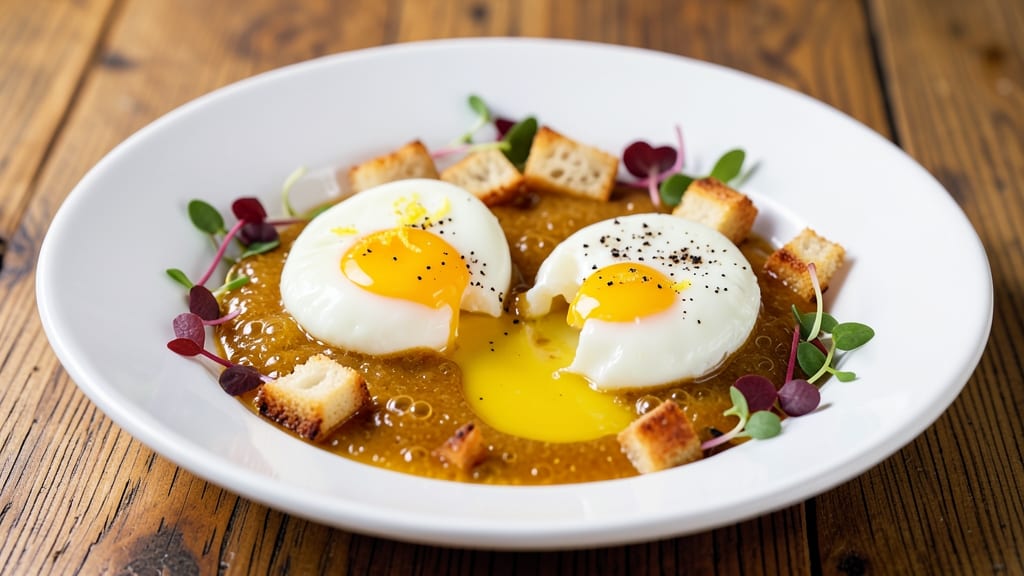
This au sauce recipe transforms ordinary meals into restaurant-worthy dishes with just five ingredients and perfect technique. The secret lies in balancing rich butter with tangy acid and careful emulsification—no shortcuts, just velvety perfection.
I developed this version after years of experimenting with classic hollandaise, adding smoky garlic for depth that works on everything from eggs Benedict to grilled fish.
The magic happens in the slow, steady incorporation of melted butter into egg yolks, creating a sauce that's silky yet stable. What sets this apart is the smoky garlic infusion—roasted until fragrant but never burnt—blended into the warm emulsion.
This isn't your grandmother's hollandaise; it's a versatile, foolproof sauce that stays together even when reheated.
By the time you drizzle it over your dish, you'll have a sauce that's rich yet balanced, with just enough acidity to cut through richness. The smoky garlic aroma alone makes this worth making, but the first bite—where that velvety sauce clings to every bite—is what turns skeptics into converts.
This is the kind of sauce that elevates simple weeknight dinners to special occasions.
Perfect for eggs Benedict, grilled fish, or even drizzled over roasted vegetables, this au sauce delivers professional results with home-cook simplicity. The key is patience—rushing the emulsification leads to separation, but following the steps carefully guarantees success every time. Let's make this sauce that transforms everything it touches.
Ingredients for au sauce
Five ingredients, one game-changing sauce—this smoky garlic butter transforms everything it touches.
| Ingredient | Amount | Notes |
|---|---|---|
| Unsalted Butter 🧈 | 1 cup | Cold, cut into small cubes |
| Large Egg Yolks 🥚 | 4 whole | Room temperature, separated |
| Fresh Lemon Juice 🍋 | 2 tbsp | Freshly squeezed, strained |
| Garlic Cloves 🧄 | 4 cloves | Roasted until fragrant, peeled |
| Diamond Crystal Kosher Salt 🧂 | ½ tsp | Fine grain preferred |
| White Wine Vinegar 🍷 | 1 tbsp | For acid balance |
| Extra-Virgin Olive Oil 🫒 | 1 tbsp | For thinning if needed |
The butter is non-negotiable—European-style unsalted like Plugrá or Kerrygold melts beautifully without burning. Grab a pound from Whole Foods or the specialty section at Kroger; the higher fat content (82-86%) makes all the difference. Egg yolks should be fresh—older ones emulsify poorly. I always buy organic pastured yolks from the deli counter when possible. For the garlic, roast them whole in their skins at 400°F until fragrant (about 20 minutes)—this brings out their sweetness without bitterness. Trader Joe's sells pre-roasted garlic in jars, but fresh is better if you've got time.
No fresh lemon juice? Bottled works in a pinch, but the flavor is weaker. Running out of white wine vinegar? Apple cider vinegar at half the amount gives similar tang. The olive oil is just for thinning if your sauce gets too thick—don't skip it entirely. For a deeper smoky flavor, add a pinch of smoked paprika (about 1/8 tsp). If you're making this ahead, store the roasted garlic in the freezer—it keeps for months and adds convenience when you're ready to sauce up.
This sauce is best made fresh but reheats beautifully—just warm gently over a double boiler, stirring constantly. It keeps for 3 days in the fridge, sealed tightly with plastic wrap pressed directly on the surface to prevent a skin. For longer storage, freeze in 1-tbsp portions in ice cube trays—thaw quickly in warm water when ready to use. The key to reheating? Low heat only—high heat will break the emulsion. I always make extra; it disappears faster than you'd think.
Why You'll Love This Recipe
- Five-Ingredient Magic: I swear by this one—just butter, yolks, lemon, garlic, and salt. That’s it. No fancy gadgets, no chopping marathon, just a sauce that feels like a hug in your mouth.
- Garlic-Lemon Zing: The moment that butter hits the garlic? Pure euphoria. Then the lemon brightens it up—creamy, tangy, with a little sharpness that makes every bite feel special (and not just because I’m obsessed with garlic).
- Weeknight Hero: Drizzle it over fish, toss it with pasta, or slather it on grilled chicken. It’s the kind of sauce that turns a simple meal into something that feels like you actually cooked (even if you didn’t).
- Leftovers That Shine: Make a double batch—it keeps for days in the fridge. The flavor only gets richer, and honestly? I’d rather have extra au sauce than extra leftovers of anything else.
Step-by-step instructions for smoky garlic butter sauce
This velvety, aromatic sauce comes together faster than you'd expect—just follow the heat and timing cues.
Roast the Garlic Until Fragrant and Golden
Preheat your oven to 400°F. Wrap the 4 cloves garlic tightly in a small piece of aluminum foil and place them on a baking sheet. Roast for 12-15 minutes until the garlic is soft and the edges turn golden brown—this signals perfect sweetness and depth of flavor. Let them cool for 5 minutes before peeling, then squeeze the roasted garlic through a fine-mesh sieve or mince it finely. The goal is to release all that caramelized flavor without any bitter almond notes.
I like to use the foil trick because it traps the steam and prevents burning. If you skip this step, your sauce will taste raw and sharp. The roasted garlic transforms this from a basic butter sauce into something truly special—think of it as the soul of your sauce.
Melt the Butter Over Low Heat
In a medium saucepan, melt the 1 cup unsalted butter over low heat until completely liquid but not browned. You're aiming for a smooth, glossy texture—if it starts to foam or smell nutty, you've gone too far. Remove the pan from heat and immediately stir in the 0.5 tsp diamond crystal kosher salt and 1 tbsp white wine vinegar. This acidity brightens the butter and balances the richness. Let the mixture sit off the heat for 2 minutes to let the salt fully dissolve and the vinegar mingle with the fat.
Here's the thing—melting butter over low heat prevents burning, which would ruin your sauce. If you rush this step, you'll end up with a bitter, off-flavor that's impossible to salvage. Patience now means a silky, luxurious sauce later.
Whisk in the Roasted Garlic and Egg Yolks
Return the pan to low heat and whisk in the roasted garlic until fully incorporated. Then, slowly drizzle in the 2 tbsp fresh lemon juice while whisking constantly. This keeps the sauce from curdling. Once the lemon juice is fully combined, remove the pan from heat again and let it cool slightly for 1 minute. Add the 4 whole large egg yolks one at a time, whisking vigorously after each addition. The mixture should thicken slightly but remain pourable—this is your emulsifier, creating that signature velvety texture.
This is where the magic happens. The egg yolks act like an invisible glue, binding the butter and creating that luscious, coatable consistency. If you add them too quickly, the heat can scramble them—so work slowly and keep whisking. You want a sauce that's thick enough to cling but still flows smoothly.
Thicken and Finish with Olive Oil
Return the pan to low heat and whisk constantly for 3-4 minutes until the sauce thickens to a glossy, mayonnaise-like consistency. It should coat the back of a spoon but still move easily. If it starts to separate or looks too thick, whisk in 1 tbsp extra-virgin olive oil to loosen it. Taste and adjust seasoning with more salt if needed—this sauce should be rich but not overpowering.
The olive oil is your secret weapon here. It adds a touch of brightness and helps stabilize the emulsion, ensuring your sauce stays smooth even after chilling. If you're serving this immediately, it'll be even more luxurious—warm and silky, perfect for drizzling over steak, fish, or roasted vegetables.
Pro Tips For Making Au Sauce
- Melt Butter Slowly: If you’re in a rush and dump cold butter into the pan, you’ll end up with a grainy, lumpy sauce instead of a silky one. Let the butter melt gradually over medium-low heat—this keeps the fat stable and prevents the yolks from scrambling when you add them later. I learned this the hard way after making a sad, curdled mess the first time.
- Use Room-Temp Yolks: Cold yolks won’t emulsify properly, and your sauce will separate like oil and vinegar. Take the yolks out of the fridge 30 minutes before you start—just pop them in a bowl and let them sit. If you’re really short on time, run them under warm water for a minute. The goal is to avoid that awkward moment when your sauce breaks mid-stir.
- Salt the Butter First: Diamond Crystal kosher salt is less concentrated than table salt, so don’t eyeball it. Toss in half the total salt with the melted butter right at the start—this seasons the fat and gives the sauce depth before the yolks even hit the pan. I used to add it all at the end, and the flavor felt flat. Now it’s balanced from the get-go.
- Strain the Garlic: Minced garlic burns fast and adds bitterness if you’re not careful. Slice the cloves thinly, then pulse them in a food processor for a paste—this cooks evenly without scorching. Or, if you’re lazy (like me), just smash the cloves with the flat side of your knife and let them sit in the butter for 30 seconds before adding the yolks. No need for a food processor, but straining out any chunks keeps the sauce smooth.
Wine and beer pairings for this au sauce
White Wine Pairings
This smoky garlic butter sauce pairs beautifully with crisp, dry white wines that complement its richness without overpowering the delicate garlic notes. I always reach for a Sauvignon Blanc from New Zealand—its bright acidity and citrus undertones mirror the lemon in the sauce while standing up to the butter.
Look for a bottle like Oyster Bay or Kim Crawford; they’re widely available and won’t break the bank. The zesty grapefruit and lime flavors in these wines cut through the sauce’s richness, creating a harmonious balance that’s both refreshing and indulgent. 🍷
Chardonnay Options
For a slightly richer pairing, opt for an unoaked Chardonnay from California or Chile. The subtle vanilla notes in a well-balanced La Crema or Cono Sur Chardonnay won’t compete with the sauce’s smoky garlic but instead enhance its depth.
These wines offer enough body to stand up to the butter while keeping the palate clean. Avoid heavily oaked Chardonnays—they’ll clash with the sauce’s delicate acidity and overpower the garlic’s nuanced flavor.
Beer Pairings
If you’re serving this sauce with fish or vegetables, a Belgian witbier like Hoegaarden or Stella Artois is a fantastic choice. The coriander and orange peel notes in these beers add a bright, citrusy contrast that echoes the lemon in the sauce.
For a darker option, try a German Helles Lager—its malty sweetness balances the garlic’s smokiness without overwhelming it. Avoid heavy stouts or IPAs, which would dominate the sauce’s delicate flavors.
Cocktail Pairings
For a more casual setting, pair this sauce with a Gin & Tonic infused with cucumber and mint. The botanical notes in the gin complement the garlic’s smokiness, while the cucumber’s crispness cuts through the butter’s richness.
If you prefer something stronger, a Dry Martini with a twist of lemon peel enhances the sauce’s acidity and adds a touch of sophistication. The key is to match the sauce’s brightness with equally vibrant, citrus-forward drinks.
Red Wine Caution
While red wine might seem like an obvious pairing for a rich butter sauce, most will overpower the delicate garlic and lemon flavors. If you’re set on red, try a light Pinot Noir from Oregon or Burgundy—its bright acidity and red fruit notes won’t clash with the sauce.
However, I’d stick to white or beer pairings for the best experience, as they allow the sauce’s flavors to truly shine without competition. 🍷
Nutrition facts
Frequently asked questions
Can I make this au sauce without raw egg yolks?
Yes! For a safer version, use pasteurized egg yolks from the grocery store refrigerated section or replace them with 1/4 cup mayonnaise (use the same brand for consistency). The sauce will still emulsify beautifully, though the texture may be slightly less velvety. Always bring pasteurized yolks to room temperature before using for best results.
Why did my au sauce separate? How can I fix it?
Separation usually happens from overheating or adding ingredients too quickly. To fix it, whisk in 1 tablespoon cold water or olive oil while stirring constantly over low heat until smooth. For prevention, always melt butter gently and add egg yolks one at a time. If the sauce is too thick after fixing, thin it with a splash of warm water.
What's the best way to reheat leftover au sauce?
Reheat gently over a double boiler (or a heatproof bowl over simmering water) on low heat, stirring constantly. Never microwave—it causes separation. For best results, reheat only until warm (110°F) and finish with a splash of warm water or lemon juice to restore shine. If it separates, whisk in 1 tablespoon cold butter to re-emulsify.
Can I make this au sauce dairy-free?
Replace the butter with 1 cup melted coconut oil or vegetable shortening (for neutral flavor). Use the same technique, but add the oil more gradually while whisking. For extra richness, stir in 2 tablespoons nutritional yeast after cooking. The texture will be slightly lighter but still luxurious—perfect for drizzling over veggies or tofu dishes.
How long will this sauce keep in the fridge?
This au sauce stays fresh for 3 days in an airtight container with plastic wrap pressed directly on the surface. For longer storage, freeze in 1-tablespoon portions in ice cube trays. Thaw quickly in warm water before using. To prevent a skin from forming, always cool the sauce rapidly in an ice bath after cooking.