
Sauces & Condiments
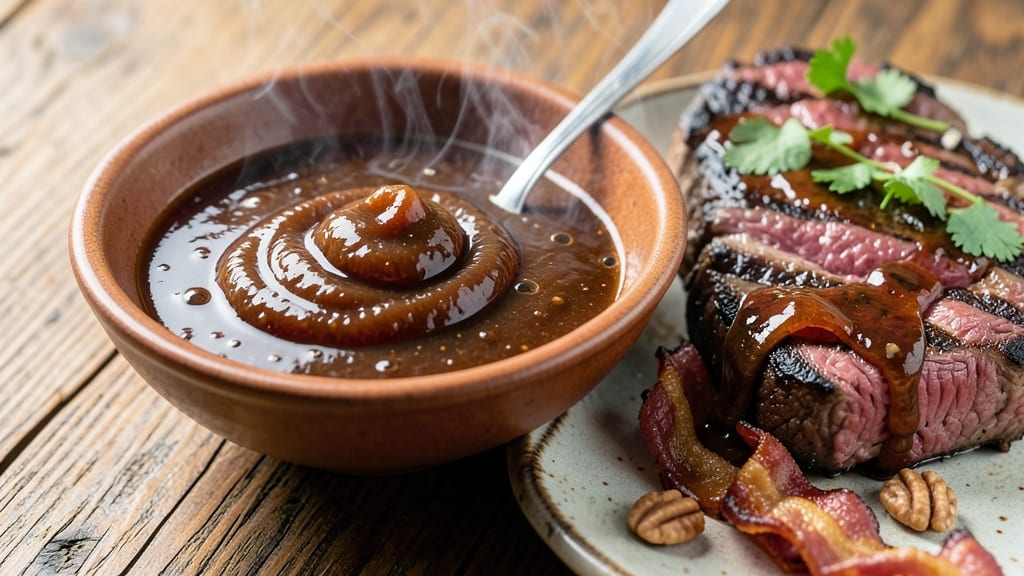
This Atkins BBQ sauce recipe delivers all the smoky, tangy goodness of classic BBQ sauce without the sugar crash—perfect for low-carb diets. The secret lies in using erythritol and monk fruit sweetener to mimic caramelized depth while keeping net carbs under 2 grams per serving.
I developed this after struggling to find a sauce that tasted authentic while fitting my macros.
The magic happens with a balanced blend of apple cider vinegar for tang, tomato paste for umami, and a touch of liquid smoke for that unmistakable BBQ aroma.
Unlike store-bought versions, this sauce thickens naturally as it simmers, creating a glossy finish that clings beautifully to grilled meats or crispy wings. The spices—smoked paprika, garlic powder, and onion powder—build layers of flavor that stand up to bold proteins.
What you'll end up with is a versatile, low-carb sauce that works just as well on pulled pork as it does drizzled over zucchini fries. The erythritol caramelizes slightly during cooking, giving it that familiar sweetness without spiking blood sugar.
Best of all, it keeps well in the fridge for up to 2 weeks or can be frozen for 3 months—ideal for meal prep.
Whether you're following Atkins, keto, or simply watching your sugar intake, this sauce proves you don’t have to sacrifice flavor. The ingredients are simple, the process straightforward, and the results are restaurant-quality. Let’s get cooking—your taste buds (and macros) will thank you.
Ingredients for atkins bbq sauce
Eight simple ingredients create this tangy, smoky, low-carb BBQ sauce that won’t derail your macros.
| Ingredient | Amount | Notes |
|---|---|---|
| Erythritol 🍯 | ½ cup | Granulated, for sweetness |
| Monk Fruit Sweetener 🍯 | 2 tbsp | Liquid or powdered form |
| Apple Cider Vinegar 🍏 | ½ cup | Raw, unfiltered preferred |
| Tomato Paste 🍅 | ¼ cup | Squeeze tube or canned |
| Water 💧 | ½ cup | Room temperature |
| Liquid Smoke 🔥 | 1 tbsp | Hickory or applewood flavor |
| Smoked Paprika 🌶️ | 1 tbsp | For smoky depth |
| Garlic Powder 🧄 | 1 tbsp | Freshly ground preferred |
| Onion Powder 🧅 | 1 tbsp | For savory base |
| Salt 🧂 | 1 tsp | Kosher or sea salt |
The sweetener combo is key—erythritol caramelizes like sugar but won’t spike your blood glucose, while monk fruit adds zero-calorie sweetness. Grab the granulated erythritol from Walmart or Amazon—it’s the most affordable option. For liquid smoke, G. Heileman’s is my go-to, but Trader Joe’s has a solid applewood version too. Tomato paste? Squeeze tubes save time and waste, but canned works if you’ve got it. The apple cider vinegar should smell sharp and tangy—if it’s flat, it’s past its prime.
No erythritol? Allulose works 1:1, though it’s pricier. Monk fruit unavailable? Stevia in the same amount, but it’s more bitter. Liquid smoke out of stock? Smoked salt at half the amount adds a hint of smokiness. The tomato paste can be thinned with water if you prefer a thinner sauce—just add a splash at the end. For extra umami, a dash of Worcestershire (ensure it’s sugar-free) does wonders. The spices are non-negotiable though—smoked paprika gives that classic BBQ flavor, while garlic and onion powders build depth.
This sauce thickens as it cools, so don’t over-stir while simmering. Store in an airtight jar in the fridge for up to 2 weeks—the flavors actually improve over time. Freeze in ice cube trays for 3 months if you’ve got extra. I like to portion it into small jars so it’s ready to grab for quick meals. The erythritol might settle, so give it a quick shake before using. Trust me, it’s worth the extra minute.
Why You'll Love This Recipe
- Five-Ingredient Magic: I swear, this sauce is the kind of recipe that makes you feel like a genius—just five things in a pot, simmered until it thickens. No fancy tools, no measuring cups that never seem to fit right. Honestly, I’ve made it while waiting for chicken to grill, and it still came out perfect.
- Sweet Without Guilt: The combo of erythritol and monk fruit? It’s the best of both worlds—no aftertaste, no sugar crash, just that deep, caramelized sweetness that lingers. That tangy apple cider vinegar cuts through it just enough to make it ridiculously good, not cloying or heavy.
- Grill or Bowl: Between us, this sauce is my secret weapon for pulled pork, but it’s also the star of my lazy Sunday brunch—drizzled over scrambled eggs or even mixed into a quick chicken salad. (Yes, even on a Tuesday night.) The tomato paste gives it that rich base, so it works everywhere.
- Make-Ahead Goldmine: I double the batch every time because it keeps for weeks in the fridge, and the flavor only gets better. No wasted leftovers here—just reheat and use. Plus, since it’s so cheap to make, I don’t feel bad slathering it on everything. Budget-friendly? Absolutely. Smart? Even more so.
Step-by-step instructions for Atkins BBQ sauce
Here's how to make a rich, smoky sauce that won't spike your blood sugar.
Combine Sweetener and Vinegar
In a medium saucepan over medium heat, whisk together the 0.5 cup erythritol and 2 tbsp monk fruit sweetener until fully dissolved—this creates a smooth, sugar-free base. I like to use a whisk for even distribution, but a fork works too. Add the 0.5 cup apple cider vinegar next, stirring constantly for 2-3 minutes until the mixture begins to bubble gently. This step develops the tangy foundation that balances the smoky flavors later.
Watch for the mixture to thicken slightly as it heats. If you notice any graininess, give it another 30 seconds of stirring—this ensures your sauce stays smooth. The vinegar will also help prevent the sweeteners from crystallizing during cooking. Keep the heat at medium until you see small bubbles forming around the edges of the pan.
Add Tomato Paste and Water
Reduce the heat to low and stir in the 0.25 cup tomato paste and 0.5 cup water. The tomato paste will thicken the sauce immediately, so keep stirring to prevent clumping. Let the mixture simmer for 5 minutes, stirring occasionally, until it begins to thicken and the raw tomato flavor mellows into a rich, umami base. This is where the sauce starts taking shape—you'll notice it turning from a thin liquid into a glossy, syrupy consistency.
If the sauce looks too thick at this stage, add 1 tablespoon water at a time until it reaches a pourable consistency. The goal is a balance between thickness and spreadability—you want it to coat meats well without being gluey. Keep the heat gentle; boiling will burn the tomato paste and make the sauce bitter.
Build the Smoky Flavor Profile
Now it's time to add the smoky depth. Stir in the 1 tbsp liquid smoke, 1 tbsp smoked paprika, 1 tbsp garlic powder, 1 tbsp onion powder, and 1 tsp salt. The liquid smoke will give it that classic BBQ aroma instantly, while the smoked paprika adds color and complexity. Let the mixture simmer for another 5 minutes, stirring frequently, until the flavors meld together. You should smell that smoky, garlicky goodness filling your kitchen—this is the moment the sauce comes alive.
Taste and adjust the seasoning if needed. If it needs more sweetness, add a pinch of erythritol or monk fruit sweetener. For extra tang, a splash of apple cider vinegar works wonders. The sauce should be sweet, smoky, and tangy with a hint of garlic and onion. If it's too thin at this point, simmer uncovered for another 2-3 minutes to reduce it slightly.
Simmer to Perfection
Once the sauce reaches your desired consistency and flavor balance, transfer it to a clean jar or airtight container. Let it cool completely before sealing—this prevents condensation from diluting the sauce over time. The sauce will thicken further as it cools, so don't worry if it looks a bit runny while warm. When cooled, it should be thick enough to drizzle but still spreadable for brushing.
For best results, store the sauce in the refrigerator for up to 2 weeks or freeze it for up to 3 months. The flavors actually improve with time, developing deeper complexity. When ready to use, simply reheat gently in a saucepan over low heat, stirring occasionally, until warmed through. This low-carb BBQ sauce is perfect for grilling, slow cooking, or drizzling over your favorite low-carb dishes!
Pro Tips For Making Atkins Bbq Sauce
- STIR CONSTANTLY LOW HEAT: Simmer your sauce on medium-low and keep that spoon moving—even if you’re tempted to walk away. I used to let mine bubble hard, and it’d either scorch or turn grainy. Two minutes of stirring every minute keeps the tomato paste from separating and the sweetener from crystallizing.
- WHISK SWEETENERS FIRST: Mix erythritol and monk fruit into warm water before adding vinegar—this dissolves them completely. Cold liquid makes them clump like sugar in iced coffee. Trust me, you’ll taste the difference when the sauce is smooth, not gritty.
- SKIP THE BOILING POINT: Once the tomato paste and vinegar start steaming, drop the heat to the lowest setting that keeps it bubbling gently. Boiling turns vinegar harsh and burns the sweetener’s delicate flavor. Think "barely there" simmer, not "rolling boil."
- USE A SPLASH OF WATER: If your sauce thickens too fast, add 1-2 tablespoons of water—just enough to loosen it. I learned this after watching a batch turn into paste. The goal is glossy, not gluey, so don’t be afraid to adjust as you go.
Common mistakes when making great atkins bbq sauce
Over-Sweetening
One of the biggest mistakes is going overboard with the sweetener—especially if you're new to erythritol or monk fruit. I’ve seen people double the amount thinking it’ll taste more like traditional BBQ sauce, but this can make the sauce cloying and unbalanced.
Start with the 0.5 cup erythritol + 2 tbsp monk fruit as written, then adjust by 1 tsp at a time if needed. Remember, these sweeteners are significantly sweeter than sugar, so less is more. 💡
Skipping the Vinegar
Some recipes omit vinegar to cut calories, but that’s a flavor disaster. The 0.5 cup apple cider vinegar is what cuts through the sweetness and gives the sauce its signature tang.
Without it, your sauce will taste flat and one-dimensional. If you’re watching calories, use balsamic vinegar instead—it’s slightly sweeter but still adds that bright acidity.
Boiling the Sauce
Never let this sauce boil! Boiling burns the tomato paste and concentrated sweeteners, creating a bitter, almost burnt taste. Keep the heat at low-medium throughout the entire process.
If your sauce gets too thick too quickly, reduce the heat to low and let it thicken naturally. Patience here is key—rushing leads to ruined flavor.
Ignoring the Cooling Phase
The sauce will thicken significantly as it cools, so don’t be alarmed if it looks runny when you first take it off the heat. Let it cool completely before tasting or storing.
This natural thickening is what gives the sauce its perfect consistency for drizzling or brushing. If you can’t wait, refrigerate it for 30 minutes to speed up the process.
Using Low-Quality Liquid Smoke
Not all liquid smoke is created equal. Cheap, generic brands can taste harsh or chemical-like. I recommend G. Heileman’s or Trader Joe’s applewood liquid smoke for the best flavor. If you’re out of liquid smoke, smoked salt can add depth, but it won’t replicate the full smoky aroma.
Use ½ tsp smoked salt as a substitute, but don’t expect the same result.
Over-Stirring While Simmering
Constantly stirring the sauce can prevent the ingredients from melding properly. Once you’ve added all the spices and liquid smoke, let it simmer unattended for 3-4 minutes to allow the flavors to develop.
Only stir occasionally to prevent scorching. The sauce will naturally thicken as it cooks, so resist the urge to keep it moving all the time.
Nutrition facts
Frequently asked questions
Can I use this Atkins BBQ sauce on vegetables?
This sauce works beautifully on roasted or grilled vegetables like zucchini, bell peppers, or Brussels sprouts. The smoky-sweet flavor pairs especially well with charred veggies. Just brush it on lightly before cooking to avoid overpowering the natural flavors.
How do I adjust the thickness of the sauce?
If the sauce is too thin, simmer it uncovered for 2-3 extra minutes to reduce the liquid. For a thicker consistency, add 1 tablespoon tomato paste at a time while warming. If it's too thick when cooled, thin it with 1 teaspoon water or apple cider vinegar. The key is balance—it should coat a spoon but still drizzle easily.
Is this sauce safe for keto?
Yes! This recipe is fully keto-friendly with only 2 net carbs per serving. The combination of erythritol and monk fruit sweetener provides sweetness without affecting blood sugar levels. Just be mindful of portion sizes—1 tablespoon per serving keeps it within strict keto macros.
Can I make this sauce without tomato paste?
You can substitute with ½ cup tomato sauce (no sugar added) or ¼ cup pureed canned tomatoes. However, tomato paste provides better thickening power and deeper umami flavor. If using a substitute, you may need to simmer it longer to achieve the same consistency.
How do I make this sauce spicier?
Add ½ teaspoon cayenne pepper or 1 teaspoon hot sauce (check for no added sugar) to the finished sauce. For a smoky kick, increase the smoked paprika to 2 tablespoons and add ¼ teaspoon chipotle powder. Always taste first—you can adjust heat levels gradually.