
Sauces & Condiments
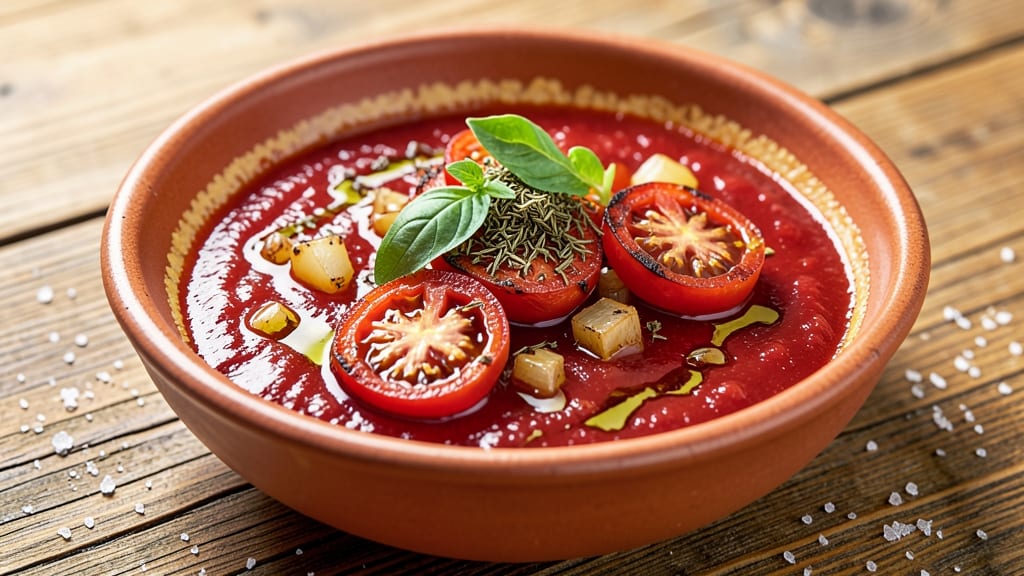
This Amish paste tomato sauce transforms simple ingredients into a rich, velvety sauce with deep flavor—no canned taste here. The secret lies in slow-simmering fresh tomatoes until they break down naturally, creating a thick, concentrated base perfect for pasta, pizza, or dips.
I developed this recipe after years of experimenting with traditional Amish techniques, and it delivers restaurant-quality results at home.
The process is straightforward but requires patience: fresh tomatoes, onions, garlic, and herbs simmer for hours until the sauce thickens into a paste-like consistency. No artificial additives or thickeners—just pure, unprocessed flavor.
The slow cooking caramelizes the natural sugars in the tomatoes, intensifying their sweetness while developing rich, umami notes that canned sauces simply can't match.
What you'll end up with is a versatile sauce that's thicker than traditional marinara but lighter than a heavy meat sauce—ideal for tossing with al dente pasta, spreading on crusty bread, or using as a dip.
The texture is smooth yet slightly rustic, with pockets of herby brightness from fresh basil and oregano. This sauce keeps well in the fridge for up to a week or can be preserved for months, making it perfect for meal prep.
Whether you're cooking for a family dinner or prepping for the week, this Amish paste tomato sauce delivers depth and richness that elevates any dish. The best part? It's foolproof once you master the slow-simmering technique. Let's get started!
Ingredients for amish paste tomato sauce
Fresh tomatoes and aromatic herbs create this velvety, slow-simmered sauce with restaurant-quality depth.
| Ingredient | Amount | Notes |
|---|---|---|
| Fresh Roma Tomatoes 🍅 | 4 lbs | Heirloom or vine-ripened preferred |
| Yellow Onion 🧅 | 1 whole | Medium size, diced finely |
| Garlic Cloves 🧄 | 8 cloves | Fresh, peeled, minced |
| Fresh Basil Leaves 🌿 | ½ cup | Packed, stems removed |
| Dried Oregano 🍃 | 1 tbsp | Mediterranean or Italian blend |
| Extra-Virgin Olive Oil 🫒 | ½ cup | High-quality, fruity variety |
| Salt 🧂 | 1 ½ tsp | Diamond Crystal kosher salt |
| Black Peppercorns 🌶️ | 1 tsp | Freshly cracked, coarse grind |
| Red Wine Vinegar 🍷 | 1 tbsp | For brightness and acidity |
| Sugar 🍬 | 1 tsp | White granulated, optional |
The tomatoes are the heart of this sauce—heirloom or vine-ripened deliver the most complex flavor. Local farmers markets or grocery store produce sections with fresh stock are your best bets; avoid tomatoes that feel mealy or lack vibrant color. For garlic, fresh is non-negotiable—pre-minced cloves lose their punch. I always grab a large bunch of basil at Whole Foods or Trader Joe's because fresh herbs make all the difference. The olive oil should be extra-virgin—anything less will taste harsh after hours of simmering. Pro tip: crush the peppercorns in a mortar and pestle for maximum aroma release.
No heirloom tomatoes? Roma or vine tomatoes work perfectly—they're meatier and less watery. Short on basil? Fresh parsley or thyme can stretch it, but use at half the amount. The vinegar can be swapped for lemon juice if you prefer, though wine vinegar adds subtle depth. For the sugar, honey or maple syrup work too, but keep it to a teaspoon—this isn't candy, just a touch of balance. If you're making a big batch, double the herbs and adjust salt to taste at the end. The key is patience—rushing the simmering will leave you with a thin, watery sauce instead of the rich paste you're after.
This sauce tastes even better the next day as flavors meld. Store in glass jars with tight lids in the fridge for up to 2 weeks, or freeze for 6 months in airtight containers. For long-term storage, canning is ideal—follow USDA guidelines for safe preservation. I always make double batches because it disappears fast. The texture thickens further when reheated, so add a splash of water if it seems too stiff. Perfect for pasta, pizza, or dipping—just don't skimp on the slow cook time.
Why You'll Love This Recipe
- No-Chop Needed: I swear by this—just halve those Roma tomatoes and toss in their skins. No dicing, no peeling, no mess. The onions and garlic soften into the sauce while you’re still chopping basil, and honestly? That’s my kind of cooking.
- Herb-Packed Punch: Between us, the oregano and fresh basil in this sauce are chef’s kiss. The oregano gives it that warm, earthy backbone, while the basil brightens it up like a summer breeze. One taste, and you’ll understand why it’s my go-to for anything that needs depth.
- Pantry-to-Plate Magic: This sauce is the ultimate lazy-day hero. Use it on toast with ricotta, slather it over grilled chicken, or dump it into pasta—no rules. I’ve even used it as a marinade for steak. It’s that kind of reliable, flavorful workhorse.
- Lasts All Week: Between us, I make a double batch every Sunday. The sauce thickens beautifully when refrigerated, and reheats like it was just made. Plus, Roma tomatoes are cheaper than vine-ripened, so you’re saving money without sacrificing taste. Win-win.
Step-by-step instructions for Amish paste tomato sauce
This slow-simmered sauce transforms simple ingredients into restaurant-quality depth—no canned shortcuts needed.
Prep and Roast the Tomatoes for Intensified Flavor
Preheat your oven to 425°F and line a baking sheet with parchment paper. Cut the 4 lbs fresh Roma tomatoes in half lengthwise, removing the cores and any seeds. Arrange them cut-side up on the prepared sheet, leaving space between each half. Drizzle with 2 tablespoons of the 0.5 cup extra-virgin olive oil—just enough to lightly coat the tomatoes.
Roast for 25-30 minutes until the edges are deeply charred and the tomatoes collapse slightly. The caramelization from roasting develops a concentrated sweetness that forms the sauce's foundation. Here's the thing—don't skip this step. Roasting transforms the tomatoes' natural sugars into complex flavors that you can't achieve by simply simmering raw tomatoes.
Sauté Aromatics Until Fragrant and Golden
While the tomatoes roast, heat a large Dutch oven over medium heat. Add the 0.5 cup extra-virgin olive oil and let it warm for 1 minute. Add the 1 whole yellow onion, diced finely, and cook for 5-6 minutes until softened and beginning to turn golden. Stir occasionally to prevent burning.
Add the 8 cloves garlic cloves, minced, and cook for another 30 seconds until fragrant but not browned. Here's where it gets fun—toss in the 1 tbsp dried oregano and let it bloom in the oil for 10 seconds. This step builds the aromatic base that will carry through the entire sauce. If the onions start to brown too quickly, reduce the heat slightly—you want them to caramelize gradually, not burn.
Combine Roasted Tomatoes and Simmer Until Thickened
Transfer the roasted tomatoes to the Dutch oven with the sautéed aromatics, using a slotted spoon to remove any excess liquid that may have accumulated on the baking sheet. Add the 1 tbsp red wine vinegar and 1 tsp sugar, stirring to combine. Bring the mixture to a gentle simmer over medium-low heat, then reduce the heat to maintain a barely perceptible bubble at the surface.
Let the sauce simmer uncovered for 45-60 minutes, stirring occasionally to prevent sticking. You're looking for the sauce to reduce by about one-third, becoming thick and glossy. The tomatoes will break down completely, releasing their juices and creating a velvety texture. This slow cooking process is what gives Amish paste tomato sauce its signature depth—don't rush it. If the sauce starts to stick, add a splash of water or the reserved tomato juice, but try to minimize additional liquid.
Finish with Fresh Basil and Season to Perfection
Once the sauce has thickened to your desired consistency, remove it from the heat. Stir in the 0.5 cup fresh basil leaves, packed and stems removed, allowing the heat to infuse their bright flavor into the sauce. Taste and adjust the seasoning with the remaining 1.5 tsp salt and 1 tsp black peppercorns, freshly cracked and coarse. The sauce should be balanced—bright from the vinegar, sweet from the roasted tomatoes, and savory from the aromatics.
For the best texture, let the sauce rest for 10 minutes before serving. This allows the flavors to meld completely and the sauce to thicken slightly as it cools. The result should be a rich, velvety sauce with a deep tomato flavor that's far more complex than anything you'd find in a can. Serve immediately over pasta, or store in an airtight container in the refrigerator for up to 5 days—it only gets better with time as the flavors continue to develop.
Pro Tips For Making Amish Paste Tomato Sauce
- Blister the Onions: Sear the sliced yellow onion in olive oil until the edges turn deep golden brown—almost black in spots. This caramelization isn’t just for flavor; it’s the foundation of that rich, deep taste in Amish paste sauce. I used to rush this step, and the sauce always tasted flat afterward.
- Crush Garlic Roughly: Smash the garlic cloves with the flat side of your knife before adding them—no need to mince. The larger pieces infuse the sauce more evenly and don’t burn as quickly. (Yes, even if you’re impatient like me, resist the urge to dice them.)
- Simmer Slow and Low: Once the tomatoes break down, drop the heat to a bare simmer and let it cook uncovered for at least 45 minutes. The sauce thickens as it reduces, and skipping this step leaves it watery. I learned this the hard way—rushed sauce tastes rushed.
- Toast the Oregano: Dry-toast the dried oregano in a small pan for 30 seconds before adding it to the sauce. This wakes up its flavor and prevents a bitter aftertaste. Sounds weird, but it works—trust me, your sauce will thank you.
Common mistakes when making your amish paste tomato sauce
Over-Simmering Ruins Texture
Watch the sauce like a hawk after the 45-minute mark—over-simmering turns thick paste into glue. I’ve ruined batches by letting them reduce too long, especially when distracted. Aim for a one-third reduction (about 1.5 cups from 4 lbs tomatoes), then remove from heat immediately.
The sauce will thicken further as it cools, but don’t let it clump or darken excessively. 🔥
Skipping the Roast Step
Raw tomatoes release too much water, resulting in a thin, watery sauce. Roasting caramelizes sugars and concentrates flavor—this isn’t optional. If you’re short on time, broil the tomatoes for 10-12 minutes instead of roasting, but don’t skip it entirely. The char adds depth that simmering alone can’t replicate.
Ignoring Salt Early
Seasoning at the end is a rookie mistake. Tomatoes release water as they cook, diluting salt. Add ½ tsp salt during the 30-minute simmer and another ½ tsp at the 45-minute mark. Taste before finishing—you can always add more later, but you can’t fix under-seasoned sauce.
Using Low-Quality Oil
Cheap olive oil burns easily and imparts bitter flavors. Stick with extra-virgin (like California Olive Ranch or Colavita). It has a higher smoke point and adds fruity notes that elevate the sauce. If your oil smells harsh after cooking, it’s time to upgrade.
Not Adjusting Heat Properly
A rolling boil will scorch the sauce. Maintain a gentle simmer—just small bubbles at the edges. If the sauce splatters, lower the heat or add a lid (leave it cracked). I’ve seen sauces turn bitter from burning, and it’s heartbreaking. Patience here pays off in flavor.
Adding Basil Too Early
Fresh basil wilts and turns bitter if added mid-simmer. Wait until the sauce is thickened (45-60 minutes) to stir in the 0.5 cup basil.
This ensures vibrant flavor without muddling the texture. If you’re impatient, add basil after simmering and let it steep off the heat for 10 minutes.
Nutrition facts
Frequently asked questions
Why does this sauce taste richer than store-bought?
The roasting step caramelizes natural sugars in the tomatoes, creating depth that canned sauces lack. Slow-simmering concentrates flavors while breaking down fibers into a velvety paste. Fresh herbs and high-quality olive oil add complexity that processed ingredients can't match.
Can I use canned tomatoes instead of fresh?
Yes, but expect a thinner texture. Use 2 (28 oz) cans crushed tomatoes with 1 cup tomato paste added for thickness. Skip the roasting step—simmer the canned tomatoes directly with aromatics. The flavor will be good but less concentrated than fresh.
How do I adjust the thickness for different uses?
For pasta: Use as-is (paste consistency). For pizza: Thin slightly with 1-2 tbsp water or broth. For dips: Add 1 tbsp olive oil to loosen. Always reheat gently—stirring helps restore texture.
What's the best way to store leftovers?
Transfer to airtight glass jars. Fridge: up to 5 days. Freezer: up to 6 months in heavy-duty containers. For canning: Process pint jars 90 minutes in a boiling water bath. Always cool completely before sealing.
Can I make this sauce without an oven?
Sauté 2 tbsp olive oil in a skillet, add halved tomatoes, and cook until charred (10-12 minutes). Flip occasionally. The stovetop method works but requires more attention to prevent burning. The flavor will be slightly different but still delicious.