
Sauces & Condiments
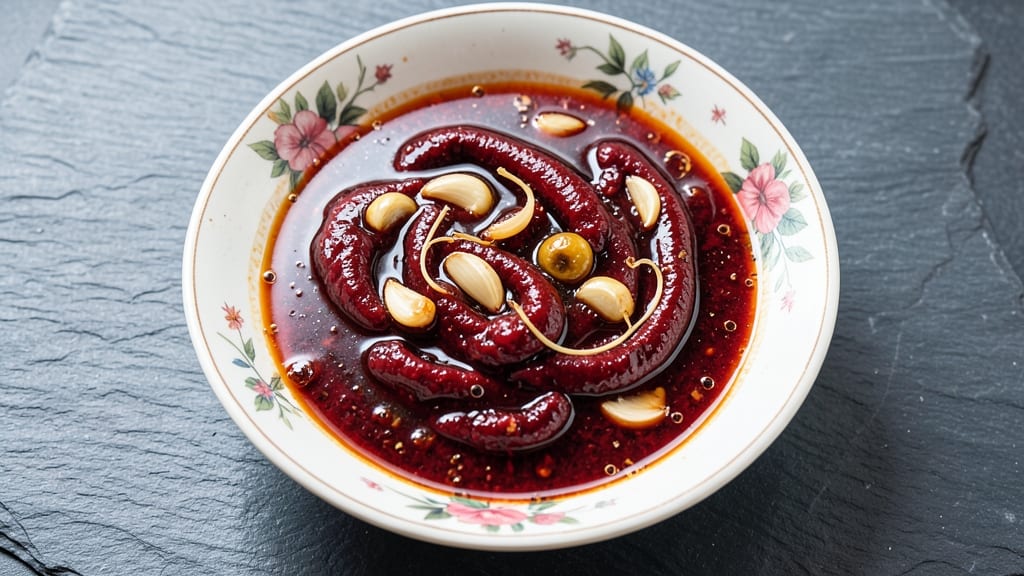
This Asian red sauce recipe transforms simple pantry staples into a bold, fermented chili heat with a tangy tamarind base that elevates stir-fries, marinades, and dipping sauces. The secret lies in balancing sweet, spicy, and umami flavors through controlled simmering and fermentation—no shortcuts, just restaurant-quality depth.
What makes this sauce special is its versatility: use it as a glaze for grilled meats, a marinade for tofu, or a dipping sauce for spring rolls.
The foundation starts with fermented chili paste (or chili flakes simmered with vinegar), which develops complex, slightly funky heat over time. Tamarind pulp adds that signature tangy-sweet contrast, while soy sauce and a touch of sugar round out the profile.
The sauce thickens beautifully when reduced, creating a glossy, clingy consistency perfect for tossing with vegetables or drizzling over noodles.
What you’ll end up with is a deep red, aromatic sauce that’s rich enough to stand alone but flexible enough to complement any dish. The fermentation process (if using paste) deepens the flavor, while the tamarind ensures a bright acidity that cuts through richness.
This isn’t just a sauce—it’s a flavor multiplier that transforms ordinary meals into something extraordinary.
Store it in the fridge for up to 2 weeks, or freeze for longer shelf life. The best part? Every batch tastes better as it sits, as the flavors meld and intensify. Let’s make this sauce—the kind that turns weeknight dinners into memorable experiences.
Ingredients for asian red sauce
Pantry staples meet bold flavors in this deeply aromatic Asian red sauce.
| Ingredient | Amount | Notes |
|---|---|---|
| Fermented Chili Paste 🌶️ | ½ cup | Or 2 tbsp chili flakes simmered with 2 tbsp rice vinegar |
| Tamarind Pulp 🍈 | ¼ cup | Unblocked, soaked in warm water |
| Light Soy Sauce 🥢 | ½ cup | Kikkoman preferred for balance |
| Dark Soy Sauce 🥢 | 1 tbsp | For depth and color |
| Granulated Sugar 🍚 | 2 tbsp | Adjust to taste for sweetness |
| Garlic Cloves 🧄 | 3 cloves | Minced for aromatic base |
| Fresh Ginger 🌿 | 1 tbsp | Finely grated, peeled |
| Rice Vinegar 🍶 | 2 tbsp | For brightness and acidity |
| Sesame Oil 🫒 | 1 tbsp | Toasted, for nutty aroma |
| Water 💧 | ½ cup | For thinning consistency |
The fermented chili paste is the heart of this sauce—look for Thai or Indonesian varieties at Asian markets for that funky depth. If you can't find paste, simmer chili flakes with rice vinegar for 10 minutes to mimic fermentation. Tamarind pulp should be blocked and unblocked—soak it in warm water for 10 minutes to dissolve completely. Kikkoman soy sauce is my go-to for light soy, but any reliable brand works. Dark soy adds color and complexity; don't skip it. For the garlic and ginger, peel and mince fresh—jarred minced lacks the freshness that carries through the sauce.
No fermented chili paste? Doubling the chili flakes and vinegar simmer gets you close, though the funk will be less developed. Swap tamarind for lime juice plus 1 tbsp brown sugar, but you'll lose that signature tang. The sesame oil is non-negotiable for aroma—toast it gently in a dry pan first to deepen its flavor. For a smoother texture, blend the sauce after simmering; for rustic texture, leave it chunky. The sugar can be adjusted—reduce to 1 tbsp if you prefer less sweetness, or increase to 3 tbsp for a glaze-like finish.
This sauce thickens as it cools, so thin with water or vinegar if needed before serving. Store in an airtight jar in the fridge for up to 2 weeks, where flavors deepen daily. For longer storage, freeze in ice cube trays—perfect for single-use portions. The color will darken over time, but that just means it's developing. Always stir before using, as ingredients settle. Leftovers make an incredible marinade—double the batch if you plan to use it this way.
Why You'll Love This Recipe
- Five-Ingredient Magic: I swear, this sauce comes together faster than I can say "tamarind." Just simmer those five pantry staples—no chopping, no fancy techniques—just heat, stir, and boom, you’ve got depth. Honestly, the hardest part is waiting for it to thicken.
- Umami Bomb: That fermented chili paste? It’s the secret weapon—tangy, funky, and packed with heat that lingers. The tamarind cuts through with bright sourness, while the dark soy adds that rich, molasses-like depth. One sip and you’ll understand why I keep a jar in the fridge.
- Weeknight Swiss Army: Slap this on stir-fries, drizzle it over rice bowls, or toss it with noodles—it’s my go-to for lazy nights. (Yes, even on a Tuesday when takeout menus feel overwhelming.) The sugar balances the heat, so it’s kid-friendly too, but don’t tell them I said that.
- Leftovers That Pay Off: Make a double batch and thank me later. This sauce keeps for weeks in the fridge, and the flavor only gets better as it mellows. Budget win? Absolutely. Time win? Even more so. I’ve used the same jar for three different meals this week—no waste, all flavor.
Step-by-step instructions for fermented chili-tamarind red sauce
This sauce balances bold fermented heat with bright tamarind tang—perfect for stir-fries, dipping, or marinades.
Prepare the Tamarind Base
In a small bowl, combine the 0.25 cup tamarind pulp with 0.25 cup warm water (about 110°F). Let it soak for 10 minutes until fully dissolved into a smooth, slightly sticky pulp. You'll notice the mixture thicken as it releases its natural tanginess—this is crucial for balancing the sauce's sweetness and acidity.
Strain through a fine-mesh sieve to remove any fibrous bits, pressing gently with a spoon to extract all the liquid. Discard the solids and set the strained tamarind puree aside. The strained pulp should yield about 0.25 cup of smooth liquid—this is your aromatic foundation. If it's too thick, add 1 tablespoon water to reach the proper consistency for blending.
Bloom the Aromatics
Heat a clean saucepan over medium-low heat and add the 1 tbsp sesame oil. Allow it to warm for 30 seconds until shimmering but not smoking. Add the 3 minced garlic cloves and 1 tbsp finely grated ginger, stirring constantly for 1 minute until fragrant.
Watch closely here—the garlic should sizzle gently without browning. If it darkens too quickly, reduce the heat immediately. Once aromatic, remove the pan from heat and let the aromatics cool for 2 minutes. This prevents them from cooking further when combined with the other ingredients, preserving their bright, fresh flavors.
Combine Wet Ingredients
In a separate bowl, whisk together the 0.5 cup light soy sauce, 1 tbsp dark soy sauce, 2 tbsp granulated sugar, and 2 tbsp rice vinegar until fully dissolved. The sugar should dissolve completely—if not, gently warm the mixture over low heat for 10 seconds to help it integrate.
Add the cooled garlic-ginger mixture and the strained tamarind puree, whisking vigorously for 30 seconds to combine. The sauce should now have a vibrant red-orange hue from the tamarind and dark soy sauce. Taste at this stage—it should be balanced between sweet, salty, and tangy, with a hint of garlic's sharpness.
Incorporate the Fermented Chili Paste
Transfer the wet mixture to a clean saucepan and place it over low heat. Add the 0.5 cup fermented chili paste and stir continuously for 2-3 minutes until the paste dissolves completely. The sauce will darken slightly and develop a rich, complex aroma from the fermented chili.
If the sauce thickens too much during heating, add 1-2 tablespoons water to reach a smooth, pourable consistency. The final texture should coat the back of a spoon but remain fluid enough to drizzle. Remove from heat immediately—overcooking can make the sauce bitter.
Rest and Adjust
Let the sauce cool to room temperature for 15 minutes. This resting period allows the flavors to meld and the heat from the chili paste to develop fully. Taste again and adjust the balance: add more sugar if it's too tart, more rice vinegar if it's too flat, or a pinch of salt if needed.
The sauce should now have layers of flavor—fermented chili heat, tamarind tang, sweetness from the sugar, and umami from the soy sauces. Store in an airtight container in the refrigerator for up to 1 week, or freeze for 3 months. Use it to elevate noodles, grilled meats, or as a dipping sauce for spring rolls.
Pro Tips For Making Asian Red Sauce
- STIR CONSTANTLY AT FIRST: The moment you add fermented chili paste to heat, don’t walk away—keep that spoon moving for the first 30 seconds. This stops the paste from burning before it releases its deep, smoky flavor. I learned this the hard way when my first batch tasted bitter instead of rich.
- DILUTE TAMARIND GRADUALLY: Tamarind pulp is stubborn—it clumps like glue if you toss it in dry. Mix it with 2 tablespoons of hot water first, then whisk it smooth before adding to the sauce. This ensures it blends evenly and doesn’t create weird stringy bits in your final sauce.
- SALT IN LAYERS: Dark soy sauce is salty, light soy is milder—but both add up fast. Add half the light soy first, taste, then adjust with sugar before adding dark soy. This way, you’re not guessing whether your sauce will be bland or overpowering by the end.
- SIMPLE BALANCE CHECK: Need to test flavor fast? Mix 1 teaspoon of sauce with 1 teaspoon of rice vinegar on a small plate. The tang should cut through the sweetness and heat—if it’s too one-dimensional, you know exactly what’s missing. No fancy equipment, just science.
Flavor customization for this dish
Spicy Level Control
Adjust the heat by modifying the fermented chili paste. For mild heat, reduce to 2 tbsp and add 1 tbsp sweet chili sauce to balance. For medium heat, use the full ½ cup as written.
For fiery heat, increase to ⅔ cup and add ½ tsp cayenne pepper. Always taste after simmering—fermented chili paste develops heat over time, so start conservative. 🌶️
Sweet-Tangy Balance
Tamarind provides the signature tang, but you can tweak it. For more tartness, add 1 tbsp lime juice at the end. For less tang, reduce tamarind to ¼ cup and add ½ tsp citric acid (found in baking aisles).
The sugar should complement, not overpower—start with 2 tbsp and adjust to taste after cooling. 🍈
Umami Depth Boosters
Enhance the savory profile with 1 tsp fish sauce (for seafood dishes) or 1 tsp oyster sauce (for meat). For vegetarian versions, add 1 tbsp mushroom powder or ½ tsp MSG (if using).
These additions deepen the sauce’s complexity without altering the core flavor. Always add umami boosters after simmering to preserve their freshness. 🥢
Texture Variations
For a smooth sauce, blend with an immersion blender after cooling. For rustic texture, leave chunky by omitting the blending step. Need it thicker? Simmer uncovered for 5 extra minutes to reduce.
For thinner consistency, add 1 tbsp water or rice vinegar while warm. Texture affects how the sauce clings to food—adjust based on your dish. 💧
Flavor Layer Add-Ins
Infuse the sauce with 1 tsp toasted cumin seeds (for Middle Eastern fusion) or ½ tsp star anise (for a subtle licorice note). For smoky depth, add ½ tsp smoked paprika or 1 tsp liquid smoke (use sparingly).
These additions work best when added during the final 2 minutes of simmering to preserve their aroma. 🌿
Storage & Flavor Development
Let the sauce rest for 24 hours in the fridge before using—flavors deepen dramatically. For longer storage, freeze in ice cube trays for single-use portions. Thaw overnight in the fridge.
If the sauce separates, gently reheat and whisk. The longer it sits, the more complex the flavors become—this is where patience pays off. ❄️
Nutrition facts
Frequently asked questions
What’s the difference between this sauce and sweet chili sauce?
This fermented chili-tamarind sauce has a deeper, funkier heat from the fermented paste and bright tang from tamarind—no corn syrup sweetness like sweet chili. It’s perfect for marinades and glazes where you want complexity, while sweet chili is sweeter and thinner, ideal for dipping. The tamarind gives this sauce a signature sour note that sweet chili lacks.
Can I make this sauce without fermented chili paste?
Yes! Simmer 2 tbsp chili flakes with 2 tbsp rice vinegar for 10 minutes to mimic fermentation. The heat will be less developed but still vibrant. For extra depth, add ½ tsp fish sauce to compensate for the missing funk. The sauce will taste different but still delicious—just more straightforward in flavor.
How can I use this sauce beyond stir-fries?
This versatile sauce works as a marinade for grilled meats (especially pork or chicken), a dipping sauce for spring rolls or dumplings, or a glaze for roasted vegetables. Thin it with water for noodle sauces, or use it to deglaze a pan after searing proteins. The fermented heat makes it perfect for balancing rich dishes like fried rice or curries.
Why does my sauce taste bitter after simmering?
Overcooking or using too much chili paste causes bitterness. Always simmer on low heat for 2-3 minutes max, and reduce the chili paste to ¼ cup if you’re sensitive to heat. To fix bitterness, stir in ½ tsp sugar or 1 tsp rice vinegar while warm. If the sauce is already cooled, blend in 1 tbsp tamarind pulp to rebalance the flavors.
Can I substitute tamarind with something else?
For tanginess, use 1 tbsp lime juice + 1 tbsp brown sugar, but you’ll lose the sauce’s signature depth. For a closer substitute, try ½ cup unsweetened cranberry sauce (strain out seeds) or ¼ cup pomegranate molasses, both of which add complexity. If you’re avoiding tamarind entirely, increase the rice vinegar to 3 tbsp for brightness.