
Sauces & Condiments
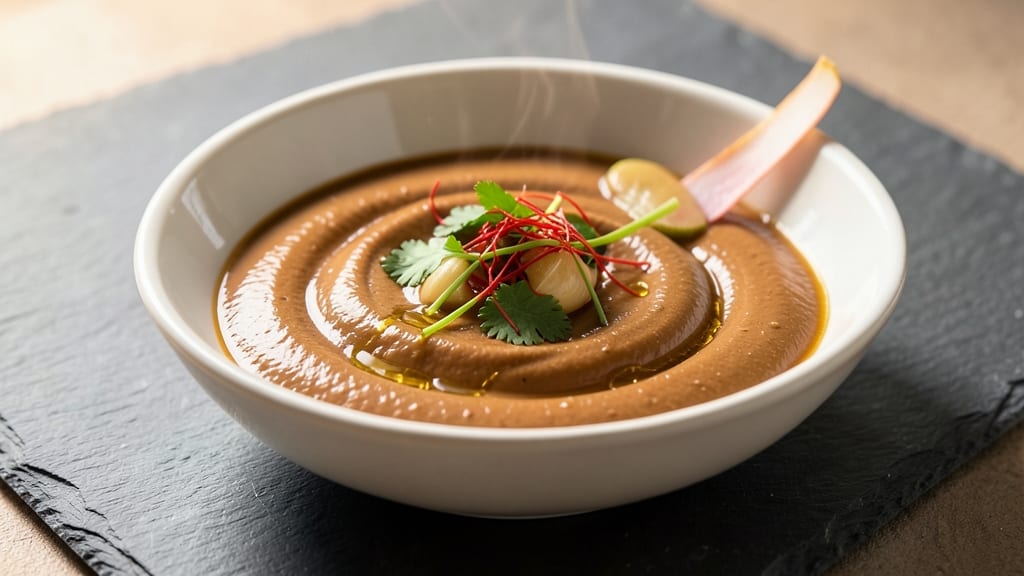
This Asian peanut dipping sauce recipe transforms simple pantry staples into a creamy, nutty-sweet sauce with a bright lime zing that cuts through rich flavors. 🌟 The secret lies in balancing rich peanut butter with tangy lime juice and aromatic spices, creating a versatile condiment perfect for spring rolls, grilled meats, or fresh vegetables.
I developed this recipe after craving something that combined the depth of peanut sauce with the freshness of Southeast Asian flavors—no complicated techniques required.
The foundation of this sauce is a smooth blend of creamy peanut butter, fragrant garlic, and warm spices like ginger and chili, all tied together with soy sauce and a touch of honey for sweetness.
What sets this apart is the hidden lime zing—just a splash of fresh lime juice brightens the sauce without overpowering its nutty richness. The result is a sauce that’s creamy yet balanced, with just the right amount of heat and tang to complement any dish.
Once you taste this sauce, you’ll understand why it’s become a staple in my kitchen—it’s restaurant-quality but requires just 5 minutes of prep. The sauce keeps well in the fridge for up to a week, making it perfect for meal prep or entertaining.
Whether you’re dipping spring rolls, drizzling over grilled chicken, or serving with fresh veggies, this peanut sauce adds a burst of flavor that elevates any meal.
For extra texture, stir in crushed peanuts or sesame seeds before serving, or adjust the sweetness by adding more honey or a splash of coconut milk for a richer consistency. The possibilities are endless, but the base recipe is foolproof—just blend, taste, and enjoy. Let’s get started!
Ingredients for asian peanut dipping sauce
Simple pantry staples create this restaurant-quality peanut sauce with nutty-sweet crunch and zesty lime.
| Ingredient | Amount | Notes |
|---|---|---|
| Creamy Peanut Butter 🥜 | ½ cup | Natural, unsweetened preferred |
| Natural Honey 🍯 | ¼ cup | For natural sweetness |
| Fresh Lime Juice 🍋 | ¼ cup | Brightens the sauce |
| Soy Sauce 🥢 | ¼ cup | Use low-sodium if preferred |
| Garlic Cloves 🧄 | 3 cloves | Freshly minced for aroma |
| Fresh Ginger 🌿 | 1 tbsp | Finely grated, zesty kick |
| Red Chili Flakes 🌶️ | 1 tsp | Adjust for heat preference |
| Sesame Oil 🫒 | 1 tbsp | For nutty aroma |
| Water 💧 | ¼ cup | For smooth blending |
| Crushed Peanuts 🥜 | ¼ cup | For garnish, optional |
Peanut butter is the star—natural, unsweetened gives the best flavor without added sugar. Smucker's Natural or Trader Joe's brands work perfectly, but any creamy natural peanut butter is fine. Fresh ginger and garlic are non-negotiable for that authentic Southeast Asian flavor—look for plump ginger roots and garlic with firm cloves. The lime juice needs to be fresh (no bottled stuff), so grab a few limes and save the rest for margaritas. For extra depth, toast the crushed peanuts lightly before adding them.
No natural peanut butter? Creamy peanut butter with minimal additives works in a pinch, but you might need to add a splash of coconut milk to thin it out. Short on soy sauce? Tamari or coconut aminos are great substitutes, though the flavor will be slightly different. Want to dial down the heat? Skip the chili flakes entirely or use a pinch of sweet paprika instead. The sesame oil is optional but adds that signature nutty aroma—Kadoya brand is my go-to if you want to splurge. For a smoother texture, blend everything together before adding the crushed peanuts at the end.
This sauce keeps beautifully in an airtight jar in the fridge for up to 1 week. If you make extra, freeze portions in ice cube trays for 3 months—perfect for quick dipping sauce additions. The flavor actually improves after a day or two as everything melds together. Stir before serving, especially if you added the crushed peanuts—they sink to the bottom. For extra texture, sprinkle with sesame seeds or chopped cilantro right before eating.
Why You'll Love This Recipe
- Five-Ingredient Magic: I swear by this combo—peanut butter, honey, lime, soy, and garlic. That’s it. No fancy gadgets, no hidden pantry items, just pantry staples that transform into something ridiculously good.
- Balanced Bite: The honey and lime cut through the richness of the peanut butter while the garlic and soy add that savory punch. It’s sweet, tangy, and salty all at once—like a flavor party in your mouth.
- Weeknight Superhero: I keep this in the fridge for everything: veggie sticks, grilled chicken, even as a quick stir-fry sauce. No last-minute shopping, no stress—just grab, mix, and serve.
- Leftovers That Shine: This sauce actually tastes better the next day. Honestly, I’ve made a double batch just to have it on hand. Spread it on toast, drizzle it over noodles, or toss it with rice—it’s always a hit.
Step-by-step instructions for asian peanut dipping sauce
Here's how to blend bold flavors into a velvety sauce that's perfect for spring rolls, veggies, or grilled meats.
🍳 Step 1: Blend the Base Ingredients
In a blender or food processor, combine the 0.5 cup creamy peanut butter, 0.25 cup natural honey, 0.25 cup fresh lime juice, and 0.25 cup soy sauce. Blend on high for 15-20 seconds until completely smooth. The mixture should look like thick, creamy peanut butter with no lumps—this is your flavor foundation.
I like to press down on the peanut butter with a spoon first to break up any clumps before blending. This ensures a silky texture right from the start. If your peanut butter is particularly thick, add 1 tablespoon of water at this stage to help it blend smoothly.
👨🍳 Step 2: Add Aromatics and Spices
Peel and mince the 3 cloves garlic and grate the 1 tablespoon fresh ginger using a microplane or fine grater. Add these to the blender along with the 1 teaspoon red chili flakes and 1 tablespoon sesame oil. Pulse a few times to break up the ginger and garlic, then blend again on high for 10-15 seconds until everything is fully incorporated.
The ginger should be finely grated—you shouldn't see any visible pieces. If you do, pulse again briefly. Here's the thing—fresh ginger adds a bright, zesty kick that store-bought paste can't match. The chili flakes will give your sauce a subtle heat that builds with each bite.
🥘 Step 3: Thin and Finish the Sauce
With the blender running on low, slowly add the 0.25 cup water through the feed tube or by drizzling it down the side. This prevents splattering and helps you control the consistency. Blend for another 10-15 seconds until the sauce reaches your desired thickness—it should be smooth and pourable but still coat the back of a spoon.
Taste and adjust the balance. Need more sweetness? Add a little more honey. Too tangy? A splash of water helps. Too mild? Add a pinch more chili flakes. The sauce should have a perfect harmony of nutty, sweet, tangy, and slightly spicy flavors with that aromatic sesame oil finish.
⏰ Step 4: Rest and Garnish
Transfer the sauce to a bowl and let it sit at room temperature for 10 minutes. This resting time allows all the flavors to meld together beautifully. While it rests, sprinkle the 0.25 cup crushed peanuts on a small plate—they'll add that satisfying crunchy texture when you serve.
Before serving, give the sauce one final stir. The crushed peanuts can be sprinkled on top of the sauce or served on the side for dipping. This sauce keeps well in the refrigerator for up to 5 days, so you can make a big batch and enjoy it all week long.
Pro Tips For Making Asian Peanut Dipping Sauce
- STIR CONSTANTLY AFTER GARLIC: The first 30 seconds with raw garlic are the most critical—if you walk away, it’ll burn before it softens. Keep the heat medium-low and stir like you’re chasing a runaway pan grease.
- USE ROOM-TEMP PEANUT BUTTER: Cold peanut butter clumps like a stubborn snowball in your sauce. Scoop it straight from the jar or let it sit for 10 minutes if it’s straight from the fridge—smooth mixing starts here.
- SALT THE SOY SAUCE: Plain soy sauce is salty enough, but if you’re using low-sodium or adding extra lime, taste the sauce before thinning it. Adjust salt now—fixing it later means extra honey or peanut butter, which throws off balance.
- THIN WITH WARM WATER: Cold water makes peanut butter seize up like a scared cat. Use warm (not hot) water, 1 tablespoon at a time, while whisking. The sauce will come together faster and stay silky.
Perfect pairings for these flavors
Spring Roll Perfection
This peanut sauce transforms simple spring rolls into a showstopper. Serve it warm with classic Vietnamese spring rolls (fresh or fried) for that perfect crunch-and-dip combo.
I like to arrange the rolls on a platter with extra sauce in a small bowl at the center—guests will reach for it again and again. 🌟 For extra flair, drizzle a little sauce over the top of each roll before serving.
For a healthier twist, pair it with steamed or baked spring rolls—the sauce's richness complements the lighter texture beautifully. If you're making egg rolls, brush the sauce lightly on top before baking for an irresistible glaze.
The peanut sauce also works wonderfully with rice paper rolls filled with shrimp, herbs, and vermicelli.
Grilled Meats
Grilled chicken, pork, or tofu gets a serious flavor boost from this sauce. Brush 2-3 tablespoons onto grilled chicken thighs or pork chops in the last 5 minutes of cooking—it caramelizes beautifully. I love serving it with grilled lemongrass chicken skewers or teriyaki-glazed pork belly for that sweet-savory balance.
For tofu lovers, marinate extra-firm tofu in soy sauce for 30 minutes, then grill and drizzle with this sauce. The peanut notes enhance the tofu's natural flavor while adding a satisfying crunch. Pair with steamed jasmine rice and quick-pickled veggies for a complete meal.
Fresh Vegetable Platter
This sauce elevates simple veggie platters to gourmet status. Arrange sugar snap peas, carrot sticks, bell pepper strips, and cucumber slices on a platter and serve with the sauce in a small bowl.
The nutty sweetness balances the fresh, crisp veggies perfectly. I often add edamame pods for extra protein and texture. 🥕
For a tropical twist, include mango slices and pineapple chunks. The sauce's tangy-sweet profile complements the fruit's natural sweetness. Serve with rice crackers for a crunchy contrast that keeps everyone reaching for more.
Asian-Inspired Noodles
Drizzle this sauce over rice noodles with grilled shrimp or chicken for an instant upgrade. Toss 1 cup cooked rice noodles with 2 tablespoons sauce and top with sliced scallions and crushed peanuts. The peanut sauce adds richness without overpowering the noodles' delicate texture.
For a heartier bowl, add charred broccoli or sautéed bok choy. The sauce's depth enhances the umami flavors in the veggies. Serve with a side of quick-pickled cucumbers to cut through the richness and balance the meal.
Dessert Twist
Yes, this sauce works for dessert too! Drizzle it over baked apples or grilled pineapple for a sweet-savory treat. The peanut notes complement the fruit's natural sweetness while adding a sophisticated touch. I like to serve it with vanilla ice cream or coconut yogurt for a tropical-inspired dessert. 🍍
For a more indulgent option, spread it on banana bread or pancakes instead of syrup. The sauce's complexity elevates simple breakfast foods to something special. Just be sure to keep the sauce chilled until serving to maintain its texture.
Nutrition facts
Frequently asked questions
Can I make this peanut sauce without a blender?
If you don’t have a blender, whisk the peanut butter, honey, lime juice, and soy sauce together in a bowl until smooth. Then, mash the garlic and ginger with a fork and stir them in. For a smoother texture, use a fork to break up any peanut butter lumps. The sauce won’t be as velvety, but it’ll still taste delicious!
How do I adjust the sweetness or spice level?
Start by tasting the sauce after blending. For more sweetness, add 1-2 teaspoons of honey at a time. To reduce sweetness, stir in 1 teaspoon of lime juice or a splash of water. For extra heat, add ½ teaspoon more chili flakes or a pinch of cayenne. If you prefer less spice, reduce the chili flakes or use sweet paprika instead.
Can I use peanut butter powder instead of regular peanut butter?
Peanut butter powder works in a pinch, but the texture will be different. You’ll need to add 2-3 tablespoons of water or coconut milk to rehydrate it and achieve a creamy consistency. The flavor will be lighter, so consider adding 1 extra teaspoon of sesame oil for depth. For the best results, stick with creamy natural peanut butter.
Why did my sauce separate after refrigerating?
This usually happens if the peanut butter wasn’t fully blended or if the sauce was too thick. Stir vigorously to recombine the ingredients, then add 1-2 teaspoons of warm water to thin it out. For future batches, blend the sauce for an extra 10 seconds to ensure everything is fully emulsified. The sauce should be smooth and pourable when done.
What’s the best way to store leftovers?
Transfer the sauce to an airtight container and refrigerate for up to 5 days. If storing longer, freeze in ice cube trays for 3 months. Thaw in the fridge overnight. For extra freshness, add a sprinkle of crushed peanuts or sesame seeds right before serving. The sauce’s flavor actually improves after a day or two as the ingredients meld together!