
Sauces & Condiments
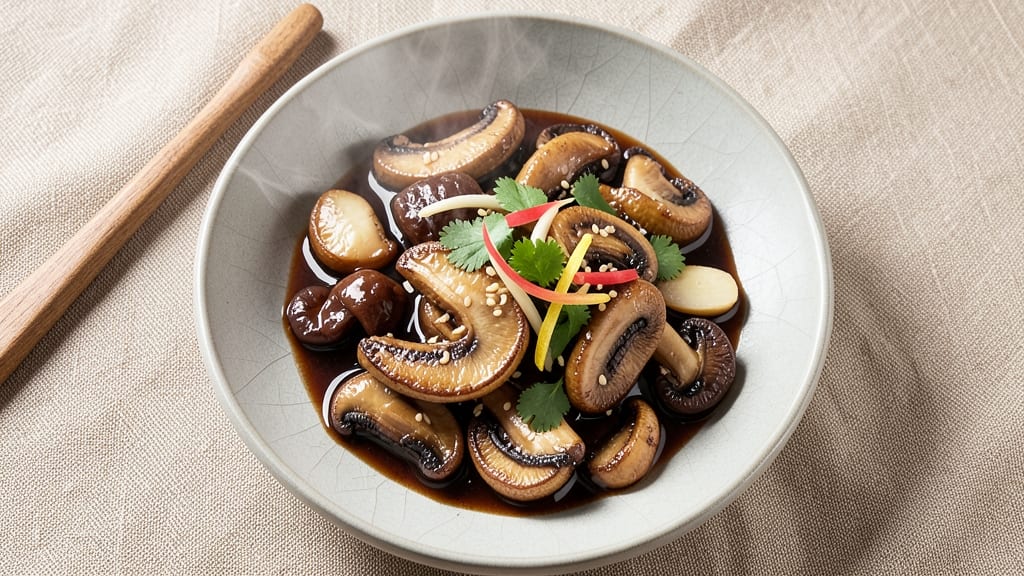
This Asian mushroom sauce recipe transforms simple stir-fries and noodles into restaurant-quality dishes with just a few pantry staples. The secret lies in umami-rich mushrooms—shiitake, oyster, or wood ear—that develop deep, savory flavors when simmered with aromatics.
What sets this sauce apart is its versatility: use it as a glaze, dipping sauce, or marinade, and you’ll never buy store-bought again.
The foundation starts with a simple yet powerful blend of soy sauce, garlic, and ginger, balanced by a touch of sweetness from honey or brown sugar. Cornstarch or miso thickens the sauce without overpowering the earthy mushroom notes, while sesame oil adds a nutty finish.
The result? A glossy, sticky-sweet glaze that clings perfectly to proteins and vegetables.
What makes this sauce truly special is its ability to elevate any dish—think crispy tofu, grilled chicken, or fresh noodles—while keeping prep under 20 minutes. The mushrooms release their umami essence as they simmer, creating a sauce that’s bold yet balanced, with layers of complexity.
Store it in the fridge for up to a week, or freeze for longer shelf life.
Whether you’re cooking for a weeknight dinner or meal prepping, this sauce delivers restaurant-quality flavor with minimal effort. The best part? You can adjust the ingredients to suit your taste—more soy for saltiness, extra mushrooms for depth, or a splash of rice vinegar for brightness. Let’s get started!
Ingredients for asian mushroom sauce
Nine umami-packed ingredients transform simple stir-fries into restaurant-quality meals.
| Ingredient | Amount | Notes |
|---|---|---|
| Dried Shiitake Mushrooms 🍄 | ½ cup | Rehydrated in hot water for 20 minutes |
| Fresh Oyster Mushrooms 🍄 | ½ lb | Sliced into thin strips |
| Light Soy Sauce 🍶 | ½ cup | Kikkoman preferred for balance |
| Dark Soy Sauce 🍶 | 1 tbsp | For deep color and sweetness |
| Garlic Cloves 🧄 | 4 cloves | Minced for aromatic depth |
| Fresh Ginger 🌿 | 1 tbsp | Finely grated, not powdered |
| Honey 🍯 | 2 tbsp | Or brown sugar for vegan option |
| White Miso Paste 🍶 | 1 tbsp | For umami richness |
| Toasted Sesame Oil 🫒 | 1 tbsp | For nutty aroma |
| Cornstarch 🌾 | 1 tsp | For glossy texture |
The mushrooms are the heart of this sauce. Dried shiitake from Asian markets or bulk bins delivers the deepest umami, but fresh oyster mushrooms add texture. Look for plump, firm shiitake with intact stems—those brittle dried ones lose flavor fast. Fresh oysters should be white with a slight sheen, not slimy. Trader Joe's carries pre-sliced oyster mushrooms, which saves time. If using dried shiitake, soak them in hot water for 20 minutes—the liquid becomes part of the sauce. For extra depth, save the soaking liquid and add it back later.
No shiitake? Wood ear mushrooms or cremini work in a pinch, but they lack the same earthy punch. Running out of sesame oil? Avocado oil adds richness without overpowering. The miso paste is non-negotiable for that fermented depth—White miso from Marukome or Hessian brands is my go-to. For a vegan version, swap honey for maple syrup or coconut sugar. The cornstarch can be replaced with arrowroot powder for a slightly clearer sauce. Fresh ginger is key here—powdered lacks the zing. If you must use powdered, cut the amount by half.
This sauce keeps beautifully. Store in an airtight container in the fridge for up to 1 week, or freeze for 3 months—it actually tastes better after a few days as flavors meld. I double the batch and freeze half immediately. Thaw overnight in the fridge or microwave for 30 seconds to loosen. The sauce thickens as it cools, so add a splash of water if it gets too stiff. Perfect for meal prep—toss with rice, drizzle over noodles, or use as a marinade for tofu or chicken.
Why You'll Love This Recipe
- One-Pot Magic: I swear by this—soak the dried shiitake while you chop the fresh oyster mushrooms, then toss everything into one pan. The sauce thickens as it simmers, and by the time you’re done, your kitchen looks cleaner than it did when you started.
- Umami Bomb: That combo of dark soy for depth and light soy for brightness? It’s a flavor explosion in your mouth. The garlic hits just right, and the mushrooms—meaty, earthy, slightly chewy—turn even the simplest rice or noodles into something you’ll fight over.
- Weeknight Workhorse: Serve it over ramen for dinner, toss it into fried rice for lunch, or drizzle it on grilled chicken for a fancy-feeling weeknight meal. Honestly, I’ve lost count of how many ways I’ve used this sauce, and I’m always happy with the result.
- Pantry Goldmine: Dried shiitake stretch your budget without sacrificing taste, and a little goes a long way. Make a double batch, store it in the fridge, and you’ve got a ready-made sauce for days—no takeout menus required. (Yes, even on a Tuesday night.)
Step-by-step instructions for Asian mushroom sauce
This umami-rich glaze delivers deep flavor with just a few simple techniques.
Rehydrate and Prepare the Dried Shiitake Mushrooms
Place the 0.5 cup dried shiitake mushrooms in a heatproof bowl and pour 1 cup hot water over them. Let them soak for 20 minutes until they've absorbed the water and expanded to about 1½ cups in volume. Drain well, reserving the soaking liquid—this mushroom broth is packed with concentrated umami flavor.
Finely chop the rehydrated shiitake mushrooms while they're still warm. The texture should be soft but not mushy—this ensures they'll blend smoothly into the sauce without adding unwanted texture. Set aside in a small bowl for now; we'll use them later to build depth in the sauce.
Sauté Aromatics Until Fragrant
Heat a small saucepan over medium heat and add 1 tablespoon toasted sesame oil. Once the oil shimmers, add the 4 cloves minced garlic and 1 tablespoon finely grated fresh ginger. Sauté for 1-2 minutes until the garlic turns light golden and the ginger becomes fragrant—this releases their essential oils and forms the aromatic base of your sauce.
Add the 0.5 lb sliced fresh oyster mushrooms to the pan and cook for 4-5 minutes until they begin to soften and release their juices. The mushrooms should reduce slightly but still retain some texture. Remove from heat and set aside with the shiitake mushrooms—we'll return them to the pan later to incorporate their flavors.
Build the Sauce Foundation
In the same saucepan, reduce heat to medium-low and add 0.5 cup light soy sauce, 1 tablespoon dark soy sauce, and 2 tablespoons honey. Stir constantly for 3-4 minutes until the mixture begins to simmer gently and slightly thicken. You'll see the sauce darken slightly from the dark soy sauce, which adds both color and complexity.
Add the 1 tablespoon white miso paste and stir until fully dissolved. The miso will give the sauce its signature umami richness. If the sauce starts to separate or looks too thick, whisk in 1-2 tablespoons of the reserved shiitake soaking liquid to help emulsify it. This step is where all the flavors come together—don't rush it.
Thicken and Finish the Sauce
Return the sautéed mushrooms to the saucepan and stir to combine. In a small bowl, whisk together 1 teaspoon cornstarch with 2 tablespoons water to create a slurry. Slowly pour this into the simmering sauce while stirring constantly—this will help create that glossy, velvety texture we're after.
Simmer for an additional 2-3 minutes until the sauce thickens to a glossy, coatable consistency. It should be thick enough to cling to noodles or stir-fry ingredients but still flow smoothly. Taste and adjust seasoning—you might need a touch more light soy sauce for saltiness or honey for sweetness, depending on your preference.
Rest and Use Immediately
Remove the sauce from heat and let it rest for 5 minutes. This resting period allows the flavors to meld completely and the sauce to reach its ideal consistency. The sauce will thicken slightly more as it cools, so don't be tempted to thicken it further at this stage.
Use your umami-packed mushroom sauce immediately over stir-fried vegetables, noodles, or grilled meats. For best results, reheat gently if storing—microwaving can make the sauce watery. This sauce keeps well in the refrigerator for up to 5 days, but it's at its peak freshness when used within 24 hours of making.
Pro Tips For Making Asian Mushroom Sauce
- SOAK DRY SHIITAKES SEPARATELY: I learned this the hard way—dumping dried shiitakes straight into boiling water with oyster mushrooms means the dried ones never fully rehydrate. Soak them in a separate bowl for 20 minutes first, then use that soaking liquid (strain out the tough stems) for the sauce. The texture and flavor are worlds apart.
- STIR-FRY GARLIC IN BATCHES: After burning three batches of garlic, I finally figured out: don’t pile it all in at once. Mince 3 cloves, then fry half until fragrant before adding the rest. This keeps the sauce from turning bitter and ensures even cooking—especially important when you’re balancing soy sauces.
- USE DARK SOY FOR COLOR FIRST: Sounds weird, but it works: start with just the dark soy sauce (1 tsp) in your wok or pan before adding oil. It caramelizes instantly, giving your sauce that deep, glossy sheen without overpowering the flavor. Swap in light soy later for balance.
- SAVE THE OYSTER MUSHROOM STALKS: I skip this when I’m lazy, but the dish is noticeably better when I don’t: chop the oyster mushroom stalks separately and cook them first on high heat for 2 minutes. They release moisture that prevents the sauce from sticking, and you get extra umami without extra mess.
Regional styles of this recipe
Japanese Shio Koji Style
For a fermented depth, blend 1 tablespoon shio koji (fermented salt culture) with the mushrooms and aromatics. Replace half the soy sauce with mirin to balance the saltiness while adding sweetness.
Simmer for 5 extra minutes to develop koji’s funky, nutty notes—perfect for dipping tempura or glazing teriyaki chicken. 🍶
Thai-Inspired Stir-Fry Sauce
Swap miso for 1 tablespoon fish sauce and add 1 teaspoon palm sugar plus ½ teaspoon chili flakes. Use wood ear mushrooms instead of shiitake for their delicate texture.
This version works brilliantly with Thai basil and glass noodles. The heat from the chili cuts through the richness beautifully. 🌶️
Korean Gochujang Glaze
Add 1 tablespoon gochujang (Korean chili paste) and 1 teaspoon rice vinegar to the sauce base. Use enoki mushrooms for their slender, crisp stems. This spicy-sweet glaze pairs perfectly with grilled pork belly or kimchi fried rice. The gochujang adds a smoky depth that elevates the umami. 🔥
Chinese Black Bean Sauce Twist
Incorporate 2 tablespoons fermented black beans (mashed) and 1 teaspoon Shaoxing wine for a Cantonese-inspired take. The black beans add a salty, earthy note that complements stir-fried bok choy or steamed dumplings. Simmer the sauce slightly longer to let the wine’s aroma infuse. 🍜
Vietnamese Nuoc Cham Fusion
Replace honey with 1 tablespoon lime juice and add ½ teaspoon sugar. Use straw mushrooms for a lighter texture. This tangy, aromatic sauce works wonderfully with spring rolls or as a dipping sauce for grilled shrimp. The lime brightens the umami, creating a refreshing balance. 🍋
Malaysian Satay Glaze
Add 1 teaspoon grated lemongrass and ½ teaspoon turmeric to the sauce base. Use oyster mushrooms for their meaty texture. This fragrant glaze is ideal for grilled chicken satay or rice noodles. The lemongrass and turmeric add a warm, citrusy complexity. 🌿
Nutrition facts
Frequently asked questions
Can I use fresh mushrooms instead of dried shiitake?
Fresh oyster mushrooms work beautifully in this sauce. Use 0.5 lb fresh oyster mushrooms sliced into thin strips—they'll add a meaty texture while still delivering rich umami. For extra depth, combine them with 1-2 tablespoons of mushroom broth (from a bouillon cube or store-bought) to replicate the dried shiitake's concentrated flavor.
How do I adjust the sweetness or saltiness?
Start by tasting the sauce after simmering. For more sweetness, add ½ teaspoon honey or brown sugar at a time. Need saltiness? Add ½ tablespoon light soy sauce gradually. The dark soy sauce already contributes color and slight sweetness, so adjust carefully. The miso paste provides natural saltiness too—balance all three components.
Can I make this sauce without cornstarch?
Yes! For a naturally thickened sauce, simmer the mushrooms and aromatics longer (up to 10 minutes) to reduce excess liquid. Alternatively, whisk in 1 teaspoon arrowroot powder mixed with 1 tablespoon water instead. If you prefer no thickener, the sauce will be thinner but still flavorful—great for drizzling over noodles or rice.
What's the best way to store leftover sauce?
Transfer the sauce to an airtight container and refrigerate for up to 5 days. For longer storage, freeze in 1-tablespoon portions (perfect for single servings). Thaw overnight in the fridge or microwave for 20 seconds to loosen. The sauce actually improves after 24 hours as flavors meld—just stir well before using.
What dishes pair best with this sauce?
This versatile sauce elevates stir-fries, noodles, grilled meats, and steamed rice. Try it as a glaze for tofu or chicken, a dipping sauce for dumplings, or a marinade for shrimp. For extra richness, drizzle over ramen or bok choy. The umami depth makes it a perfect all-purpose condiment.