
Sauces & Condiments
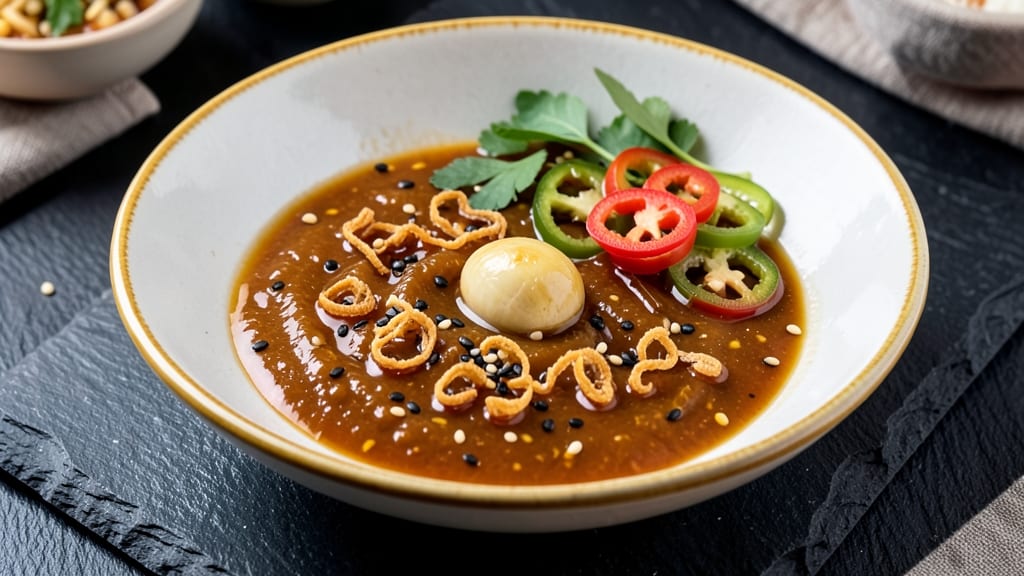
This Asian fusion sauce recipe transforms simple stir-fries into restaurant-worthy dishes with its perfect balance of sweet, spicy, and umami flavors. The secret lies in combining soy sauce, sesame oil, and a touch of honey for depth, while fresh ginger and garlic add aromatic complexity. I developed this sauce after years of testing—it’s the one I reach for when I want bold, adaptable flavor without complicated prep.
The beauty of this sauce is its versatility—use it as a marinade for grilled meats, a dipping sauce for spring rolls, or a glaze for roasted vegetables. The ingredients are simple: soy sauce, rice vinegar, sesame oil, honey, and a pinch of red pepper flakes for heat.
What sets it apart is the way these components meld together during simmering, creating a rich, glossy sauce that clings to every bite.
Once you taste it, you’ll understand why this sauce is a game-changer. It’s restaurant-quality but takes just 10 minutes to make, with ingredients you likely already have on hand.
The sauce keeps well in the fridge for up to a week, so you can make a big batch and use it throughout the week for quick, flavorful meals.
Whether you’re cooking stir-fries, glazing proteins, or drizzling over noodles, this sauce elevates every dish. Let’s get started—your taste buds will thank you.
Ingredients for asian fusion sauce
Nine simple ingredients blend into a restaurant-quality sauce perfect for stir-fries and glazes.
| Ingredient | Amount | Notes |
|---|---|---|
| Soy Sauce 🍶 | ½ cup | Light or dark preferred |
| Rice Vinegar 🍶 | ¼ cup | White or seasoned |
| Sesame Oil 🫒 | 2 tbsp | Toasted for authentic flavor |
| Honey 🍯 | 2 tbsp | Wildflower or clover |
| Fresh Ginger 🧄 | 2 tbsp | Finely grated, fresh |
| Garlic Cloves 🧄 | 4 cloves | Minced, fresh preferred |
| Red Pepper Flakes 🌶️ | 1 tsp | Adjust for heat preference |
| Sugar 🍚 | 1 tbsp | White or brown |
| Cornstarch 🌾 | 1 tsp | For thickening |
Soy sauce is the foundation—Kikkoman or La Choy are my go-tos, but any good-quality brand works. The sesame oil should be toasted for that nutty aroma (the cheap kind at the back of the store won't cut it). Ginger and garlic? Fresh is non-negotiable here—dried just won't give the same punch. I grab ginger from the Asian market when I can, but the regular grocery store stuff works fine. For honey, local wildflower adds subtle floral notes, but clover is perfectly fine too. The red pepper flakes? Trader Joe's has the best—bright and consistent heat.
No sesame oil? Neutral oil plus a pinch of toasted sesame seeds gets you close, though it won't be identical. Short on ginger? Double the garlic for a similar kick. The cornstarch is key for that glossy finish—Bob's Red Mill is my brand of choice, but any food-grade starch works. Want it sweeter? Add another tablespoon of honey. Less heat? Swap the red pepper flakes for white pepper or skip entirely. The sauce thickens as it cools, so if it's too thin after simmering, mix 1 tsp cornstarch with 1 tbsp water and stir in.
This sauce tastes even better the next day as flavors meld. Store in an airtight container in the fridge for up to 1 week. For longer storage, freeze in ice cube trays—perfect for single-use portions. The sauce reheats beautifully—just warm gently on the stove or microwave for 20-30 seconds. I always make a double batch because it disappears fast—great for marinades, dipping, or glazing. If it separates, just stir vigorously or whisk in a splash of warm water.
Why You'll Love This Recipe
- Five-Ingredient Magic: I swear by this combo—soy, vinegar, sesame oil, honey, and ginger. Honestly, it’s the kind of sauce where you measure once and forget the math. No fancy techniques, just stir and let the flavors wake up in the pan.
- Umami Bomb: That first splash of soy sauce hits like a flavor grenade—salty, deep, and impossible to resist. Then the honey cuts through with a bright sweetness, while the ginger adds a zing that lingers. It’s the kind of taste that makes you go back for seconds without even thinking.
- Dresses Everything: Slather it on grilled chicken, drizzle over noodles, or toss with roasted veggies—this sauce doesn’t care what you throw at it. I’ve used it for weeknight dinners, potlucks, and even as a quick marinade. It’s my secret weapon for making simple meals feel special.
- Pantry Goldmine: Between us, this recipe costs next to nothing and keeps for weeks in the fridge. No fancy ingredients, just basics you already own. Plus, it’s the kind of sauce that turns into something new every time—leftover stir-fry today, glazed salmon tomorrow. Minimal effort, maximum payoff.
Step-by-step instructions for Asian fusion sauce
This sauce comes together faster than you'd think—just a few minutes of simmering transforms simple ingredients into something extraordinary.
Bloom the Aromatics in Toasted Sesame Oil
Heat a small saucepan over medium-low heat and add the 2 tablespoons sesame oil. Once the oil is shimmering (about 30 seconds), add the 4 cloves minced garlic and 2 tablespoons finely grated fresh ginger. Cook for 1-2 minutes until the garlic turns golden and fragrant—this releases their full flavor potential.
Here's the thing—don't walk away. Garlic burns in seconds, and you want that nutty aroma, not bitter smoke. The ginger should soften slightly but still retain some texture. If it starts to darken too quickly, reduce the heat immediately. This aromatic base will carry the entire sauce.
Combine Wet Ingredients for Flavor Fusion
Increase heat to medium and pour in the ½ cup soy sauce and ¼ cup rice vinegar. Stir constantly for 2-3 minutes until the mixture begins to bubble gently. Add the 2 tablespoons honey and 1 tablespoon sugar, stirring until everything is fully incorporated and the sugar dissolves completely.
This is where the magic happens—the sweetness from the honey and sugar balances the acidity of the vinegar while enhancing the umami from the soy sauce. Taste the mixture now—you should notice a complex interplay of salty, sweet, and tangy flavors. If you're using dark soy sauce, the sauce will already be developing a rich, caramel-like color.
Build Depth with Spice and Thicken
Add the 1 teaspoon red pepper flakes and stir for 30 seconds to distribute the heat evenly. In a small bowl, whisk together the 1 teaspoon cornstarch with 2 tablespoons water until smooth. Slowly pour this mixture into the sauce while stirring constantly over medium heat.
Watch carefully as the sauce begins to thicken—it should coat the back of a spoon within 1-2 minutes of simmering. If it thickens too quickly, add another 1 tablespoon water to reach your desired consistency. The cornstarch slurry is what transforms this from a thin glaze to a proper coating sauce that clings beautifully to stir-fries and noodles.
Finish with Toasted Sesame Oil
Remove the sauce from heat and immediately stir in the remaining 1 tablespoon toasted sesame oil. This final step adds a nutty aroma and rich depth that you can't achieve any other way. Let the sauce sit for 5 minutes to allow all the flavors to meld together completely.
I know it seems like a short wait, but this resting period lets the sauce develop its full complexity. The heat from the simmer will continue working its magic even after you turn off the burner. Taste again now—you should experience a perfect balance of sweet, salty, tangy, and spicy flavors with that unmistakable umami richness that makes Asian fusion sauces so addictive.
Pro Tips For Making Asian Fusion Sauce
- Simmer Ginger Low: After burning three batches of ginger, I finally learned—keep the heat low when mashing it into the sauce. High heat turns fresh ginger bitter, and you’ll taste it in every spoonful. Let it bubble gently for 2-3 minutes, just until it frays at the edges.
- Balance Vinegar Last: Rice vinegar’s acidity cuts through everything, so add it after the soy and honey have blended. Taste first—if the sauce tastes flat, add a splash of vinegar, then adjust honey to round it out. Dumping vinegar early makes the sauce taste harsh, and no one wants that.
- Use Toasted Sesame Oil: Skip the bottle of "sesame-flavored" oil—it’s weak. Toast 1 tablespoon of neutral oil with ½ teaspoon whole sesame seeds until golden (30 seconds), then cool and mix into your sauce. The nutty depth makes all the difference, and it’s not as fussy as it sounds.
- Strain the Ginger: I used to leave the grated ginger in, and it made the sauce grainy. Rub it through a fine-mesh strainer or press it against a spoon to extract the juice—no pulp, no texture issues. Your sauce will be silky, and you’ll avoid that weird bite from overworked ginger.
Make-ahead tips for asian fusion sauce
Batch Prep Basics
Make a double batch—this sauce keeps beautifully in an airtight container in your fridge for up to 1 week. I always double the recipe so I have extra for quick weeknight meals. The flavors actually improve overnight as the ingredients meld together. 💫
Freezer-Friendly Portions
For longer storage, freeze the sauce in ice cube trays. Once frozen, transfer the cubes to a ziplock bag and label with the date. Each cube makes a perfect single-use portion for glazing or marinating. Thaw overnight in the fridge or microwave for 20-30 seconds before using.
Reheating Perfection
Gently reheat the sauce on the stovetop over low heat while stirring constantly. Avoid boiling—just warm until it reaches 165°F (about 2-3 minutes). If it thickens too much, add 1 teaspoon water at a time until you reach your desired consistency.
Microwaving works too, but stir well to prevent hot spots.
Marinade Magic
Use this sauce as a marinade for grilled chicken, shrimp, or tofu—just combine ½ cup sauce with 1 tablespoon neutral oil and let it sit for 30 minutes to 2 hours.
The longer it marinates, the more flavor it absorbs. I love using it for teriyaki-glazed salmon or spicy stir-fry proteins—the sauce caramelizes beautifully on the grill.
Glaze Game-Changer
Brush this sauce onto roasted vegetables like broccoli, carrots, or bell peppers in the last 5-10 minutes of cooking. The natural sugars caramelize, creating a glossy, sticky finish.
For extra richness, add 1 tablespoon butter to the sauce before brushing. It’s perfect for honey-glazed pork chops or sticky rice bowls.
Dipping Sauce Upgrade
Serve this sauce chilled as a dipping sauce for spring rolls, dumplings, or fries. The perfect balance of sweet, spicy, and umami makes it irresistible. For extra crunch, sprinkle toasted sesame seeds on top right before serving. I always keep a small jar in my fridge for last-minute appetizers.
Nutrition facts
Frequently asked questions
Can I make this sauce without sesame oil?
Yes, but the flavor will be different. Replace the 2 tablespoons sesame oil with 1 tablespoon neutral oil (like vegetable or canola) plus 1 teaspoon toasted sesame seeds for aroma. The sauce will still taste good, but it won't have that signature nutty depth. For best results, use toasted sesame seeds in the final step instead of oil.
How spicy should I make it?
The recipe includes 1 teaspoon red pepper flakes for mild heat. For extra spice, add ½ teaspoon cayenne pepper or 1 teaspoon gochujang (Korean chili paste). For a smoky kick, swap the red pepper flakes for ½ teaspoon smoked paprika. Always taste as you go—you can adjust heat at any point.
Can I use coconut aminos instead of soy sauce?
Coconut aminos work well and add a subtle sweetness. Use the same ½ cup measurement, but note the sauce will be slightly lighter in color and flavor. For deeper umami, add 1 teaspoon fish sauce or ½ teaspoon MSG. The texture and thickening process remain the same.
Why did my sauce separate?
Sauce separation usually happens from rapid temperature changes or too much cornstarch. Fix it by whisking in 1 tablespoon warm water or 1 teaspoon cornstarch slurry (mix ½ tsp cornstarch with 1 tsp water). Stir over low heat until smooth. To prevent separation, always bring the sauce to a gentle simmer and avoid boiling.
What's the best way to use leftover sauce?
Leftover sauce is perfect for quick stir-fries, noodle bowls, or as a marinade base. For stir-fries, reduce it by simmering 5 minutes (uncovered) to intensify flavors. For marinades, thin with 1 tablespoon water or broth per ½ cup sauce. It also makes an amazing glaze for grilled meats or roasted veggies—just brush on in the last 5 minutes of cooking.