
Sauces & Condiments
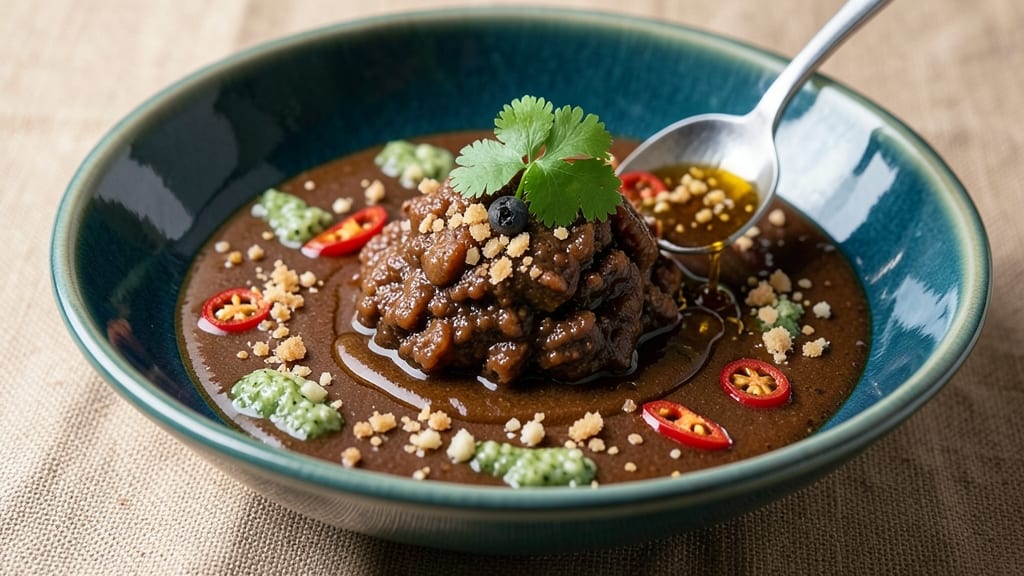
This Asian crawfish sauce recipe transforms simple ingredients into a bold, aromatic sauce that elevates everything from grilled shrimp to noodle bowls.
The secret lies in balancing spicy, sweet, and umami flavors—where crawfish paste delivers deep seafood richness, fish sauce adds salty depth, and fresh garlic-ginger-chili blend creates that signature kick. I developed this after craving the kind of sauce that sticks to every bite, turning ordinary meals into something unforgettable.
The beauty of this sauce is its versatility—it works as a dipping sauce for spring rolls, a marinade for grilled meats, or a finishing touch for stir-fries. What makes it special is the caramelized edge from slow simmering, which concentrates the flavors into a thick, glossy consistency.
No special equipment needed—just a saucepan and patience to let the aromatics meld into something truly addictive.
By the time you’re done, you’ll have a sauce that’s savory enough to stand alone but bright enough to cut through rich dishes. The crawfish paste gives it that unmistakable briny depth, while a touch of honey or sugar balances the heat.
It keeps well in the fridge for up to a week, so you’ll have extra for leftovers—or better yet, double the batch and share it with friends.
Perfect for Cajun boils, seafood platters, or as a glaze for grilled proteins, this sauce is the kind of condiment that turns simple meals into restaurant-worthy experiences. Let’s make it—your taste buds will thank you.
Ingredients for asian crawfish sauce
Nine bold ingredients create this restaurant-style sauce that transforms seafood and grilled dishes into unforgettable meals.
| Ingredient | Amount | Notes |
|---|---|---|
| Crawfish Paste 🦞 | ½ cup | High-quality, umami-rich preferred |
| Fish Sauce 🍶 | ¼ cup | Red Boat preferred for depth |
| Fresh Garlic Cloves 🧄 | 6 cloves | Mince finely for bold flavor |
| Fresh Ginger 🌿 | ¼ cup | Julienned or finely grated |
| Red Bird's Eye Chilies 🌶️ | 2 whole | Seeds removed for mild heat |
| Light Brown Sugar 🍯 | ¼ cup | Or coconut sugar for depth |
| Rice Vinegar 🍶 | ¼ cup | Seasoned preferred for balance |
| Extra-Virgin Olive Oil 🫒 | ¼ cup | For glossy finish and richness |
| Low-Sodium Soy Sauce 🍶 | ¼ cup | Kikkoman preferred for balance |
| Water 💧 | ½ cup | Adjust for desired consistency |
The crawfish paste is the heart of this sauce—look for high-quality brands like Zatarain's or Tony Chachere's at specialty stores or well-stocked grocery sections. Whole Foods and Asian markets often carry premium versions with deeper umami. Fresh garlic and ginger are non-negotiable here; frozen won't cut it. For the chilies, Thai bird's eye peppers add authentic heat, but jalapeños work in a pinch (just add more). The fish sauce should smell pungent but not fishy—Red Boat is my go-to for that perfect balance of salty and funky.
No crawfish paste? Crab or shrimp paste works, though flavor will shift slightly. Swap brown sugar for coconut sugar or honey if you prefer. The vinegar can be omitted entirely if you dislike acidity, but it's what brightens the sauce. For extra depth, add 1 tsp of sesame oil at the end. If your sauce turns out too thick, thin with warm water or a splash of vinegar. For heat control, remove chili seeds before mincing—seeds in means serious spice.
This sauce keeps beautifully for up to 2 weeks in the fridge, with flavor deepening over time. Store it in a glass jar with a tight seal—the flavors meld even better when left to sit. Double the batch if you're hosting; it disappears fast. Freeze portions in ice cube trays for perfect single-use servings. The caramelized edge develops after 24 hours of refrigeration, so plan ahead if you're impatient.
Why You'll Love This Recipe
- Five-Ingredient Magic: The crawfish paste, fish sauce, and fresh garlic do all the heavy lifting—no fancy techniques, just a quick simmer. My lazy Sundays just got a whole lot tastier.
- Umami Bomb: That crawfish paste? It’s like a flavor grenade—salty, funky, and deep all at once. The chili and ginger wake it up so it’s never boring, just ridiculously good.
- Dip Everything: Slather it on grilled shrimp, toss it with noodles, or drizzle it over rice—it’s my go-to for weeknight takeout vibes. Honestly, I’ve lost track of how many ways I’ve used this.
- Budget Powerhouse: A little paste goes a long way, and fish sauce stretches further than you’d think. Between us, this is how I feed my family for half the cost of takeout without sacrificing flavor.
Step-by-step instructions for Asian crawfish sauce
Here's how to build this bold, balanced sauce that delivers depth, heat, and sweetness in every bite.
Prepare the Aromatics and Chilies
Start by peeling and mincing the 6 cloves fresh garlic cloves and 0.25 cup fresh ginger into a fine paste using a mortar and pestle or the flat side of a chef's knife. This ensures maximum surface area for flavor extraction. Remove the seeds from the 2 whole red bird's eye chilies and slice them lengthwise into thin strips—this controls the heat while keeping the sauce vibrant.
Heat the 0.25 cup extra-virgin olive oil in a medium saucepan over medium-low heat. Add the garlic-ginger paste and chili strips, cooking for 2-3 minutes until the garlic turns a pale golden color and the ginger softens. Watch carefully—garlic burns quickly, and you want to preserve its sweetness, not bitterness. This aromatic base forms the flavor foundation of your sauce.
Build the Umami and Sweet Balance
Add the 0.5 cup crawfish paste and stir vigorously to combine. The paste will darken as it melts into the oil, releasing its concentrated umami punch. Let it cook for 1 minute until fully incorporated. Then add the 0.25 cup fish sauce and 0.25 cup low-sodium soy sauce, stirring constantly for 2 minutes to allow the flavors to meld.
Next, whisk in the 0.25 cup light brown sugar and 0.25 cup rice vinegar. The sugar will dissolve quickly, while the vinegar adds a bright acidity that cuts through the richness. Bring the mixture to a gentle simmer over medium heat, then reduce the heat to low to maintain a slow, controlled cook. This step is where the sauce's signature sweet-spicy balance develops—don't rush it.
Simmer and Finish with Water
Pour in the 0.5 cup water and stir to combine. Let the sauce simmer uncovered for 8-10 minutes, stirring occasionally, until it thickens to a glossy, syrupy consistency. You're looking for a sauce that coats the back of a spoon but still flows smoothly. If it thickens too quickly, add 1 tablespoon water at a time until you reach the desired texture.
Taste and adjust the seasoning: add more fish sauce for deeper umami, sugar for sweetness, or rice vinegar for brightness. The sauce should be complex—sweet, salty, spicy, and umami-rich all at once. Once balanced, remove from heat and let it cool slightly before serving. This sauce tastes even better after resting for 10 minutes, as the flavors continue to develop.
Strain and Serve (Optional)
For a completely smooth sauce, strain it through a fine-mesh sieve to remove any chili pieces or garlic bits. If you prefer texture, simply whisk it vigorously before serving. The sauce is now ready to elevate your crawfish boils, dipping sauces, or glazes. Store any leftovers in an airtight container in the refrigerator for up to 1 week, or freeze for 3 months—though it won't last that long with this much flavor!
Here's the thing—this sauce is incredibly versatile. Use it as a dipping sauce for fried crawfish, a glaze for grilled meats, or even a marinade for tofu. The key to its success lies in balancing all the components, so don't be afraid to taste and adjust along the way. You'll be rewarded with a sauce that's restaurant-quality at home.
Pro Tips For Making Asian Crawfish Sauce
- CHAR THE PASTE LOW: Crawfish paste burns faster than you think—start on medium heat and stir constantly like you’re stirring a pot of oatmeal. I learned this the hard way after watching mine turn into a bitter, charred brick that ruined the whole sauce.
- MINCE GINGER FINE: Skip the rough chop—grate the ginger with the large holes of a box grater or pulse it in a food processor until it’s almost paste-like. This dissolves better and adds a smoother, brighter depth to the sauce instead of floating chunks.
- SALT THE FISH SAUCE: Taste the fish sauce first—it’s usually saltier than you’d think. Adjust with a pinch of sugar or a splash of lime juice if it’s overpowering, or add a tiny bit of water to dilute it before mixing. Your sauce will thank you later.
- STIR IN CHILIES LAST: Add the sliced bird’s eye chilies after the sauce has simmered for 3-4 minutes—this keeps their heat sharp and vibrant instead of letting it mellow into the background. Toss them in whole for texture, then remove 1-2 if you’re serving kids or sensitive eaters.
Pro cooking tips for asian crawfish sauce
Heat Control Secrets
Mastering the heat is everything when balancing this sauce. Start by removing seeds from the red bird's eye chilies—this gives you vibrant color without overwhelming spice. If you want extra heat, keep the seeds in but reduce the quantity to 1 chili.
For mild versions, swap them for jalapeños and use only ½ chili—it's a game-changer for families with sensitive palates. 🌶️
When cooking the garlic-ginger paste, keep the heat at medium-low to avoid burning. Burnt garlic turns bitter and ruins the sauce's delicate balance. I've ruined batches by getting impatient—trust me, 2-3 minutes is all you need for perfect aromatic development.
Umami Boost Tricks
For deeper umami flavor, add 1 teaspoon of fish sauce after the initial simmer and let it reduce for 1 extra minute. The crawfish paste should be high-quality—brands like Zatarain's or Tony Chachere's make a noticeable difference.
If you can't find crawfish paste, crab or shrimp paste works, though the flavor profile shifts slightly toward oceanic notes.
Don't skip the low-sodium soy sauce—it adds complexity that regular soy sauce can't match. For an extra layer of depth, add ½ teaspoon of oyster sauce at the end. This small addition transforms the sauce into something truly restaurant-worthy.
Texture Mastery
Achieving the perfect glossy, syrupy consistency takes patience. Simmer uncovered for 8-10 minutes and stir frequently to prevent sticking. If the sauce thickens too quickly, add 1 tablespoon water at a time—this keeps the balance of flavors intact while adjusting texture.
For a completely smooth finish, strain through a fine-mesh sieve before serving. If you prefer texture, leave the chili strips in for a subtle heat pop. The sauce should coat the back of a spoon but still flow easily—this is the ideal consistency for dipping or glazing.
Flavor Balancing
Taste as you go! After adding all ingredients, adjust with fish sauce for more umami, brown sugar for sweetness, or rice vinegar for brightness. The sauce should sing with sweet, salty, spicy, and umami all working together.
I often add a pinch of white pepper at the end for a subtle kick that rounds out the flavors beautifully.
Let the sauce rest for 10 minutes before serving—this allows all the flavors to meld together. The longer it sits, the more complex it becomes. Trust the process, and you'll end up with a sauce that's restaurant-quality at home. ✨
Nutrition facts
Frequently asked questions
Can I use fresh crawfish instead of crawfish paste?
Fresh crawfish can work, but it requires extra prep! Remove shells and heads, then boil for 5 minutes to extract their flavor. Strain the broth, reduce it by half, and use ½ cup instead of the paste. The texture will be chunkier, so strain for a smoother sauce. Fresh crawfish adds a brighter, more delicate flavor compared to the intense umami of paste.
How do I make this sauce less spicy?
Reduce the chili quantity to ½ bird's eye pepper or swap for jalapeños. For mild heat, remove all seeds and add 1 teaspoon of honey at the end to mellow the spice. If already made, stir in 1 tablespoon of coconut milk to balance the heat. Always taste as you go—adjustments are key!
What's the best way to store leftovers?
Transfer to an airtight glass jar and refrigerate for up to 2 weeks. The flavors deepen over time! For long-term storage, freeze in ice cube trays—thaw overnight in the fridge. Never freeze in the jar, as it expands and may crack the container. Label with the date for easy tracking.
Can I use this sauce for non-seafood dishes?
This sauce pairs beautifully with grilled chicken, pork skewers, or tofu. The crawfish umami works surprisingly well with beef too—try it as a glaze for flank steak. For vegetarian versions, replace fish sauce with vegetable broth + 1 tsp soy sauce for depth.
Why did my sauce turn out too thin?
Simmering time or water ratio likely caused this. Next time, simmer uncovered for 10-12 minutes and reduce water to ¼ cup. If already made, simmer uncovered for 5 extra minutes to thicken. For instant fixes, mix 1 tablespoon cornstarch + 1 tbsp water, stir in, and cook for 2 minutes until thickened.