
Sauces & Condiments
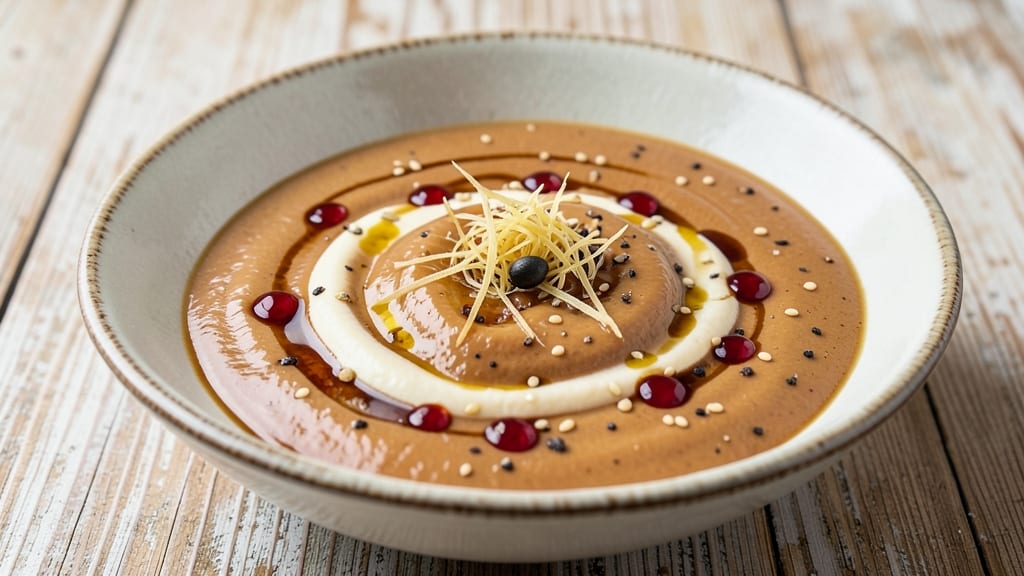
This Asian coleslaw sauce recipe transforms ordinary slaw into a flavor explosion with just five ingredients and five minutes of prep. The secret lies in balancing peanut butter's richness with ginger's zing and soy sauce's umami depth—creating a sauce that's addictive on its own. I developed this version after realizing most store-bought options missed that perfect harmony of sweet, spicy, and nutty layers.
The magic happens when you whisk together creamy peanut butter with tangy rice vinegar and soy sauce, then brighten it with fresh ginger and a touch of honey. This isn't just a dipping sauce—it's a versatile condiment that elevates everything from grilled chicken to fresh veggie platters.
The sauce keeps beautifully in the fridge for up to a week, so you'll always have this flavor punch ready when inspiration strikes.
What makes this sauce truly special is its adaptability. Need more heat? Add a dash of sriracha. Prefer it sweeter? Increase the honey. The texture remains perfectly balanced—smooth enough to coat every bite but not so thick it weighs down your salad.
This is the kind of sauce that turns simple coleslaw into a restaurant-worthy side dish with minimal effort.
Whether you're prepping for a weeknight dinner or hosting a summer BBQ, this sauce delivers bold Asian-inspired flavor without the complexity. The ingredients are simple, the process is straightforward, and the results are undeniably delicious. Let's make this sauce that'll have everyone asking for the recipe.
Ingredients for asian coleslaw sauce
Five simple ingredients create this addictive Asian coleslaw sauce that'll have everyone asking for seconds.
| Ingredient | Amount | Notes |
|---|---|---|
| Creamy Peanut Butter 🥜 | ½ cup | Natural, unsweetened preferred |
| Rice Vinegar 🍶 | ¼ cup | Seasoned works too |
| Soy Sauce 🥢 | ¼ cup | Low-sodium preferred |
| Fresh Ginger 🧄 | 2 tbsp | Finely grated, not powdered |
| Honey 🍯 | 2 tbsp | Wildflower or clover preferred |
| Sesame Oil 🫒 | 1 tbsp | Toasted for authentic flavor |
| Garlic Cloves 🧄 | 1 clove | Minced for extra depth |
| Sriracha 🌶️ | 1 tbsp | Optional, for heat kick |
| Water 💧 | ¼ cup | To thin as needed |
| Salt 🧂 | ½ tsp | Kosher or sea salt |
Peanut butter is the star here—Creamy (not crunchy) works best, and natural, unsweetened gives you the cleanest flavor. I grab mine from Trader Joe's or Whole Foods because their peanut butter has that perfect balance of richness without artificial junk. For the ginger, fresh is non-negotiable—powdered just doesn't cut it. The soy sauce? Low-sodium keeps the sauce from getting too salty, but if you only have regular, cut back slightly. Sesame oil should be toasted—look for it in the Asian aisle next to the soy sauce. The garlic clove is optional but adds a whole new layer of depth, so don't skip it if you're feeling fancy.
No peanut butter? Almond butter or tahini work in a pinch, though the flavor shifts slightly. Skip the honey? Maple syrup or agave are great swaps—just remember maple's stronger flavor means you'll need less. The sauce too thick? Water or a splash of rice vinegar thins it out perfectly. Want more heat? Add an extra tablespoon of sriracha or a dash of red pepper flakes. The rice vinegar can be swapped for apple cider vinegar if that's what you've got, but it'll taste a little less authentically Asian. Pro tip: if you're making this ahead, add the sesame oil last—it's the most delicate flavor and can get overpowered if mixed in too early.
This sauce keeps beautifully for up to 1 week in the fridge, sealed tightly in a jar. The flavors actually meld and deepen over time, so it tastes even better the next day. Need to store it longer? Freeze it for up to 3 months—just thaw in the fridge overnight. I always make a double batch because it disappears fast. The perfect ratio for coleslaw is about 2 tablespoons per cup of slaw, but it's also great as a dip for spring rolls or a marinade for grilled chicken. Trust me, you'll want to make this all the time once you try it.
Why You'll Love This Recipe
- Five-Ingredient Magic: I swear by this—just peanut butter, ginger, and a splash of rice vinegar. No fancy techniques, no measuring cups that make you second-guess. Honestly, it’s the kind of sauce that turns "I don’t feel like cooking" into "why haven’t I done this sooner?"
- Umami Bomb: That soy sauce and ginger combo? Chef’s kiss. The peanut butter adds richness, but the vinegar keeps it bright—like a perfect balance of sweet, salty, and tangy. It’s the kind of flavor that makes you pour it on everything (yes, even my sad Tuesday-night sandwich).
- Potluck Hero: This sauce is my go-to for parties, BBQs, or when my kid’s soccer team needs snacks. It’s neutral enough to pair with grilled chicken, veggie platters, or even noodles—but bold enough to stand out. Between us, it’s the reason my Tupperware always gets raided first.
- Pantry Staple: No fresh ginger? Use powdered—still works. Too much sauce? It keeps for weeks in the fridge. I’ll be real: I make a double batch, freeze half, and thank myself later. It’s the kind of recipe that saves money, saves time, and somehow makes me feel like a cooking genius.
Step-by-step instructions for Asian coleslaw sauce
This creamy, tangy sauce comes together in minutes with just a few simple steps.
Grate and Mince the Fresh Ingredients
Start by grating the 2 tablespoons of fresh ginger using a fine grater or microplane. You want it as fine as possible so it blends smoothly into the sauce. Next, peel and mince the 1 clove of garlic—this adds depth that jarred garlic can't match. I like to use a sharp knife for this step to get those tiny, even pieces that'll distribute perfectly throughout the sauce.
Set these aside in a small bowl. The freshness of these ingredients is what makes this sauce taste so vibrant. If you're using powdered ginger, skip this step entirely—it won't have the same impact. The aroma from these fresh components will fill your kitchen as you work, signaling you're on the right track.
Whisk Together the Wet Ingredients
In a medium bowl, combine the 0.5 cup of creamy peanut butter, 0.25 cup of rice vinegar, and 0.25 cup of soy sauce. Use a whisk to blend these together until completely smooth. The peanut butter might look lumpy at first, but keep whisking—it'll eventually become silky and fully incorporated. This base creates the rich, nutty foundation of your sauce.
Next, add the 2 tablespoons of honey and 1 tablespoon of Sriracha (if using). Whisk again until everything is fully combined. The Sriracha adds just the right amount of heat to balance the creamy peanut flavor. Taste at this stage—you'll notice it's still quite thick and needs the remaining ingredients to come together properly.
Incorporate the Aromatics and Oil
Add the grated ginger and minced garlic to the bowl along with the 1 tablespoon of sesame oil. Stir everything together until the ginger and garlic are evenly distributed. The sesame oil will help bind all the ingredients while adding that nutty aroma that's so characteristic of Asian flavors. You'll see the mixture start to emulsify slightly as the oil begins to coat the peanut butter.
At this point, you might notice the mixture is still quite thick. That's where the 0.25 cup of water comes in. Add it gradually, whisking constantly, until you reach your desired consistency. You want it thick enough to coat the coleslaw but still pourable. If it's too thick, add a little more water; if too thin, you can let it sit for a few minutes to thicken naturally.
Season and Adjust to Perfection
Finally, add the 0.5 teaspoon of salt and give everything one last good whisk. Taste the sauce and adjust the seasoning if needed. You might want to add a touch more honey for sweetness, a splash of rice vinegar for tang, or even a bit more Sriracha for heat. The beauty of this recipe is how customizable it is—adjust to suit your taste preferences.
Let the sauce sit for 5-10 minutes before using. This resting time allows all the flavors to meld together beautifully. The sauce will continue to thicken slightly as it cools, so don't worry if it looks a bit runny right after mixing. Once it's ready, pour it over your favorite coleslaw and enjoy the perfect balance of creamy, tangy, and slightly spicy flavors.
Pro Tips For Making Asian Coleslaw Sauce
- STIR IN STAGES: Mix the peanut butter first—just with the rice vinegar and a splash of warm water. This prevents clumping and makes the sauce smoother later. I learned this the hard way after scraping peanut butter globs off my whisk for the third time.
- GRATE GINGER FINE: Use the smallest holes on your grater for the ginger—you want it almost like paste, not just coarse chunks. This ensures it blends fully and adds bright, consistent flavor without any gritty surprises.
- TASTE THE SOY EARLY: Add half the soy sauce first, then adjust. Soy sauce is sneaky—too little and the sauce tastes flat, too much and it overpowers the peanut sweetness. A quick taste after mixing saves you from fixing a lopsided batch later.
- SWAP HONEY FOR MAPLE: Maple syrup works just as well as honey and cuts down on prep time. No measuring sticky honey or scrubbing jars—just pour. The flavor’s close enough that no one will notice, but your hands will thank you.
Storing and reheating your asian coleslaw sauce
Refrigerator Storage
Store your freshly made sauce in an airtight glass jar or plastic container—I prefer Le Parfait containers because they seal tightly and stack neatly in the fridge. Keep it refrigerated at 40°F or below for up to 7 days.
The flavors actually deepen over time, so it tastes even better the next day. Always leave about ½ inch of headspace to prevent spills when you shake it later. 🥫
Freezing for Later
For longer storage, portion the sauce into silicone ice cube trays—each cube equals roughly 1 tablespoon of sauce, perfect for single servings. Once frozen, transfer cubes to a freezer bag with all air removed.
This method preserves texture better than freezing in bulk. Thaw overnight in the fridge before using, giving it time to return to its ideal consistency. 🧊
Reheating Safely
If you've refrigerated the sauce, simply whisk it gently to restore its smooth texture. For frozen sauce, microwave in 10-second bursts on medium power, stirring between each interval.
Avoid overheating—just warm until it reaches room temperature (about 70°F). Never microwave it fully hot, as this can break the sauce's delicate emulsion. 🔥
Texture Recovery
If your refrigerated sauce thickens too much, thin it with 1 teaspoon of warm water or a splash of rice vinegar. For frozen sauce that's separated, whisk vigorously with ½ teaspoon of sesame oil to help re-emulsify.
The key is patience—let it sit for 5 minutes after adding liquid to allow flavors to rebalance. This trick works every time! ✨
Portion Control
I recommend making 2 batches at once—one for immediate use and one to store. The perfect ratio is 2 tablespoons of sauce per cup of coleslaw, but it also works as a marinade or dip.
Use a small squeeze bottle for easy portioning when storing in the fridge. This keeps your sauce organized and ready to use whenever you need that Asian-inspired zing. 💛
Shelf Life Tips
Watch for signs of spoilage: an off smell, mold, or a watery separation that doesn't re-emulsify. If your sauce develops a rancid odor (usually from the peanut butter), it's time to toss it.
Properly stored sauce should last the full 7 days in the fridge or 3 months in the freezer without quality loss. Trust me, you'll go through it before it spoils! 💪
Nutrition facts
Frequently asked questions
Can I make this sauce without peanut butter?
For a nut-free version, substitute the peanut butter with ½ cup of almond butter or ¼ cup of tahini mixed with 2 tablespoons of water to thin it. The flavor will shift slightly but still deliver that creamy, tangy profile. For a completely different twist, try ½ cup of Greek yogurt or mayonnaise instead—just reduce the rice vinegar by 1 tablespoon to balance the acidity.
How spicy should I make it?
The 1 tablespoon of sriracha in the recipe gives a mild kick, but you can adjust it to taste. For a subtle heat, use just ½ teaspoon of sriracha or a pinch of red pepper flakes. If you love spice, add 1-2 teaspoons of sriracha or ½ teaspoon of cayenne pepper. Remember, you can always add more later—just don't overdo it, as the sauce thickens as it cools.
Can I use this sauce for anything besides coleslaw?
This versatile sauce works beautifully on grilled chicken, spring rolls, or as a dip for fresh veggies and rice paper rolls. It also makes an excellent marinade for tofu or shrimp—just let it sit for 15-20 minutes before cooking. For a quick meal, toss it with cold noodles or use it as a dressing for green salads. The possibilities are endless!
Why did my sauce separate?
Sauce separation usually happens when the emulsion breaks, often due to overheating or adding ingredients too quickly. To fix it, whisk in ½ teaspoon of sesame oil or a splash of warm water while stirring vigorously. For prevention, always whisk ingredients slowly and avoid microwaving the sauce. If the separation persists, try adding 1 teaspoon of cornstarch mixed with 1 tablespoon of water and simmering gently for 1-2 minutes to restore smoothness.
What's the best way to sweeten it if I don't have honey?
Honey can be easily swapped for maple syrup or agave nectar—use the same amount, but taste first since maple has a stronger flavor. For a different twist, try 1 tablespoon of brown sugar dissolved in 1 teaspoon of water or 1-2 teaspoons of molasses for depth. If you're avoiding added sugars, ½ teaspoon of vanilla extract adds subtle sweetness without altering the sauce's texture.