
Sauces & Condiments
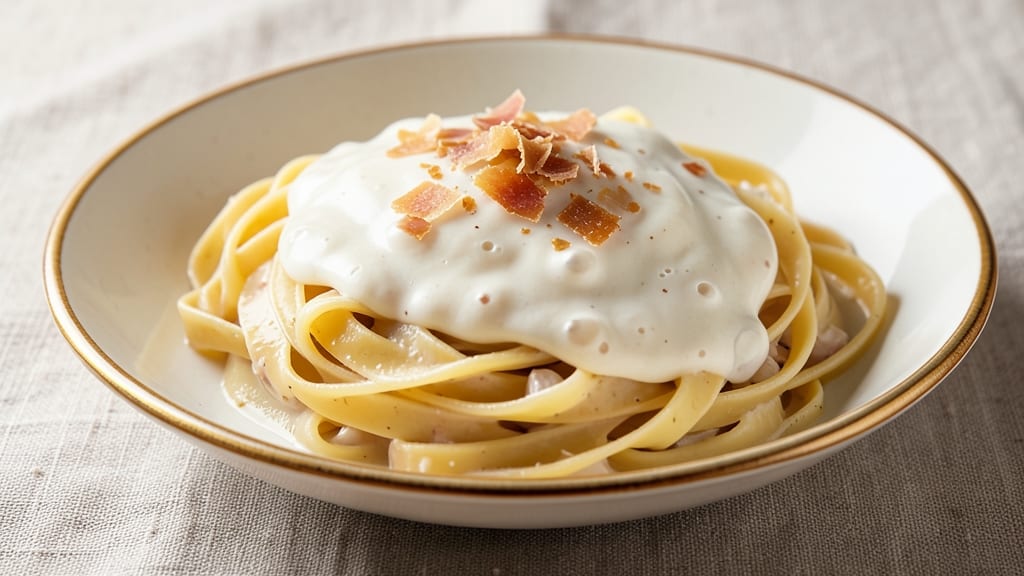
This Asiago cheese sauce pasta recipe transforms simple ingredients into a creamy, velvety masterpiece that clings perfectly to al dente noodles. Growing up in Nana Mae's diner, I learned how the right cheese and technique could turn ordinary pasta into something extraordinary.
The key lies in slow simmering and proper emulsification, ensuring every bite delivers that rich, nutty Asiago flavor without breaking or separating.
What sets this recipe apart is the balance between traditional Italian methods and modern flexibility—you can keep it classic with just cheese and pasta, or elevate it with sautéed mushrooms, spinach, or even a touch of cream for extra richness.
The sauce develops its signature silkiness through careful temperature control, creating that perfect melt that coats each noodle without weighing it down.
By the time you plate this dish, you'll have golden, al dente pasta blanketed in a smooth, golden Asiago sauce that's creamy yet light. The nutty depth of the cheese pairs beautifully with the pasta's subtle bite, while optional add-ins like garlic bread or a fresh salad complete the meal.
This is comfort food at its finest—elegant enough for company but simple enough for weeknights.
David always says my Asiago sauce is the one that finally convinced him pasta could be restaurant-quality at home. The secret? Patience in the sauce-making and precision in the cooking. Let's create this dish that brings Italian trattoria flavors to your kitchen tonight.
Ingredients for asiago cheese sauce recipe pasta
Simple ingredients, big restaurant-style flavor—just 13 staples for creamy perfection.
| Ingredient | Amount | Notes |
|---|---|---|
| Fettuccine Pasta 🍝 | 12 oz | Dried, al dente preferred |
| Asiago Cheese 🧀 | 1 ½ cups | Freshly grated, aged preferred |
| Parmesan Cheese 🧀 | ½ cup | Freshly grated, for depth |
| Unsalted Butter 🧈 | ½ cup | Cold, cubed for slow melt |
| Heavy Cream 🥛 | ½ cup | Full-fat for richness |
| Garlic Cloves 🧄 | 3 cloves | Minced, fresh preferred |
| Shallot 🧅 | 1 whole | Minced, or sub red onion |
| All-Purpose Flour 🌾 | ¼ cup | For thickening |
| Salt 🧂 | 1 ½ tsp | Diamond Crystal preferred |
| Black Pepper 🌶️ | ½ tsp | Freshly ground |
| Nutmeg 🌿 | ¼ tsp | Freshly grated |
| Olive Oil 🫒 | 1 tbsp | For tossing pasta |
| Fresh Spinach 🌱 | 2 cups | Optional, chopped |
The cheese is non-negotiable here. Asiago needs to be freshly grated for that signature nutty flavor—pre-shredded gets clumpy and lacks depth. I always grab aged Asiago from the deli counter (the kind that's been curing for at least 12 months), but the regular block works too. For the Parmesan, Parmigiano-Reggiano is ideal, but any good-quality Parm will do. The butter should be cold when you start—this helps create that silky emulsion. If you're short on time, European-style butter from Trader Joe's melts beautifully without separating.
No Asiago? Parmesan plus a pinch of nutmeg gets you close, though the flavor won't be identical. Running out of heavy cream? Half-and-half plus a splash of milk keeps it creamy. The shallot is key for sweetness—skip it if you've got red onion or even a pinch of sugar. For the spinach, frozen works in a pinch (thaw and squeeze dry), but fresh is brighter. The flour is just for thickening—if your sauce is too thick, add a splash of pasta water. And trust me on the nutmeg: freshly grated makes all the difference, but pre-ground works if you're in a hurry.
This sauce reheats beautifully—just add a splash of milk or water if it thickens. Keeps 3-4 days in the fridge, 3 months frozen. I always make extra and freeze portions for lazy weeknights. The pasta? Cook it 1 minute less than package instructions—it'll finish cooking in the sauce. And if you're serving company, garnish with extra cheese and a crack of black pepper. David always says the secret is patience—let that sauce melt slowly, and it'll come together perfectly every time.
Why You'll Love This Recipe
- No-Fuss Weeknight Win: I swear by this one—just toss fettuccine in boiling water, melt butter and cream in a pan, then fold in grated Asiago and Parmesan until it’s silky. Five ingredients, zero stress, and somehow it always feels like you slaved over it.
- Nutty Creamy Magic: That combo of sharp Asiago and salty Parmesan with rich cream? It’s like a warm hug for your taste buds. The butter adds depth, and the sauce clings to every strand of pasta—no dry bites here.
- Lunchbox Hero: Between us, this is my go-to for meal prep. The sauce reheats beautifully, and I pack it in mason jars with a sprinkle of extra cheese on top. Kids? They’ll eat it cold. Adults? They’ll pretend they didn’t.
- Budget Stretch: A block of Asiago and a wedge of Parmesan go a long way, and heavy cream makes it feel indulgent without breaking the bank. Plus, leftovers taste just as good the next day—sometimes even better, if you ask me.
Step-by-step instructions for Asiago cheese sauce pasta
This velvety sauce comes together in minutes with simple techniques you'll love.
🍳 Step 1: Cook the Pasta Al Dente
Bring a large pot of water to a rolling boil and add 12 oz fettuccine pasta along with 1.5 teaspoons salt. Stir immediately to prevent sticking. Cook until 1 minute before the package's al dente time—this ensures perfect texture when finished in the sauce. You'll know it's ready when you taste a strand and it has a slight bite.
Reserve 1 cup pasta water before draining—this starchy liquid is essential for creating a silky sauce. Don't rinse the pasta; the surface starch helps the cheese adhere beautifully. Drain directly into a colander and set aside while you prepare the sauce.
🍳 Step 2: Build the Cheese Sauce Base
In a large skillet, melt ½ cup unsalted butter over medium heat. Add the minced shallot and 3 cloves minced garlic, cooking for 2-3 minutes until softened and fragrant—you should smell that sweet onion aroma and see the garlic just beginning to color. Be careful not to let it brown.
Sprinkle in ¼ cup all-purpose flour and whisk vigorously for 1-2 minutes until the mixture forms a smooth, pale roux. This creates the foundation for your sauce, so don't rush this step. The roux should look like wet sand and coat the back of a spoon.
🍳 Step 3: Add Cream and Cheese for Richness
Slowly pour in ½ cup heavy cream while whisking continuously to prevent lumps from forming. Let the mixture simmer gently for 3-4 minutes until slightly thickened. Then reduce heat to low and gradually add 1.5 cups freshly grated Asiago cheese and ½ cup freshly grated Parmesan cheese, stirring constantly.
Here's the thing—you want the cheese to melt completely but not scorch. Keep the heat low and stir frequently. The sauce should become luxuriously smooth with a beautiful golden hue. If it starts to seize up, add 2-3 tablespoons reserved pasta water to loosen it. Season with ½ teaspoon black pepper and ¼ teaspoon freshly grated nutmeg for that classic depth.
🥘 Step 4: Combine and Finish with Spinach
Add the cooked fettuccine to the skillet and toss gently to coat every strand in the creamy sauce. If the sauce seems too thick, add more reserved pasta water 1 tablespoon at a time until you reach your desired consistency—it should cling lightly to the noodles without being soupy.
For the final touch, stir in 2 cups chopped fresh spinach and cook for 1-2 minutes until just wilted. The spinach adds vibrant color and a fresh contrast to the rich cheese sauce. Taste and adjust seasoning—you might need a pinch more salt or pepper to balance the flavors.
🍽️ Step 5: Serve Immediately
Transfer the pasta to warmed serving plates and drizzle with an extra tablespoon of olive oil for shine and to prevent sticking. Garnish with additional freshly grated cheese and freshly cracked black pepper if desired. This dish tastes best served immediately while the sauce is at its peak velvety texture.
Each forkful delivers perfectly al dente pasta coated in a luxurious cheese sauce that's rich yet balanced by the bright spinach. The nutmeg adds just the right warmth to complement the nutty Asiago flavor. Serve with a simple arugula salad to cut through the richness if you like.
Pro Tips For Making Asiago Cheese Sauce Recipe Pasta
- MELT CHEESE LOW AND SLOW: I used to rush the sauce and end up with grainy bits—don’t let that happen. Once you add the Asiago and Parmesan, reduce the heat to medium-low and stir constantly until fully melted. The sauce should bubble gently, not roar like a volcano.
- GRATE CHEESE FINE: Pre-shredded cheese has anti-caking agents that make the sauce clump. Use a box grater or food processor for fresh, fine shreds—this ensures a silky texture instead of lumpy surprises. (Yes, even if it takes 10 seconds.)
- SALT THE PASTA WATER: If you’re using unsalted butter, the pasta water needs extra salt—about 1 tablespoon per pound of pasta. Taste it: it should taste like the sea. Skimp here, and your dish will be bland, no matter how fancy the cheese.
- ADD CREAM AT THE END: Heavy cream burns faster than you think. Warm it separately, then stir it into the sauce off the heat just before serving. This keeps the sauce rich without turning it into scrambled eggs. (I learned this after one very sad batch.)
Essential equipment for great asiago cheese sauce recipe pasta
Cheese Grater Essentials
For this recipe, a fine-microplane grater is your best friend—it creates the perfect texture for Asiago cheese without clumping. I swear by the Microplane Classic Zester/Grater from Williams Sonoma because it handles aged cheeses beautifully.
If you're on a budget, a box grater with small holes works too, but you'll need to pulse the cheese in short bursts to avoid overheating from friction. 🧀
Sauce-Pot Selection
Use a heavy-bottomed saucepan or stainless steel skillet with at least 3-quart capacity—this prevents scorching and gives you room to stir. My go-to is a 3-quart All-Clad Stainless Steel Saucepan because it distributes heat evenly and handles the cheese sauce's richness without sticking.
Avoid nonstick pans for this recipe—the cheese needs to caramelize slightly for that authentic depth.
Whisk for Emulsion
A balloon whisk with a long handle is perfect for creating that silky sauce texture. The OXO Good Grips Balloon Whisk is my favorite because it's lightweight yet sturdy, and the angled head helps you reach every corner of your pot.
If you don't have one, a French whisk works too, but you'll need to work a bit harder to incorporate the cheese smoothly. The key is constant whisking to prevent lumps.
Pasta Tools
For cooking the pasta, a long-handled colander with holes large enough to drain quickly is essential. The OXO Good Grips Colander fits perfectly over my pots and drains efficiently.
To toss the pasta in the sauce, a wooden spoon or silicon spatula works best—they won't scratch your pan and help distribute the sauce evenly. I also keep a ladle handy for serving, especially if you're making this for a crowd.
Optional Extras
If you're adding fresh spinach, a sharp chef's knife and cutting board are must-haves. For grating nutmeg, a small microplane is ideal, but a grater with fine holes works in a pinch.
And trust me, a small bowl for reserved pasta water is handy—it keeps everything organized while you're working. I also keep a tasting spoon nearby to check seasoning as I go.
Nutrition facts
Frequently asked questions
Can I substitute Asiago with another cheese?
Yes, but the flavor will change. For a similar nutty profile, use Parmigiano-Reggiano plus a pinch of nutmeg. For creaminess, try Gruyère or Fontina, but the sauce will taste more mild. Pre-shredded cheese won't work—always grate fresh for the best texture.
Why did my cheese sauce get grainy?
Graininess usually means the cheese didn't melt properly. Keep heat low and stir constantly when adding cheese. If it starts to seize, add 1 tablespoon reserved pasta water at a time. Also, avoid pre-shredded cheese—the anti-caking agents cause clumping. Freshly grated cheese melts smoothly every time.
Can I make this ahead of time?
Yes! Assemble the sauce (without pasta) and refrigerate for up to 3 days. Reheat gently on low heat with a splash of milk or water to restore creaminess. For freezing, cook the pasta separately, freeze sauce and pasta in separate containers, then reheat together. The texture stays velvety when reheated properly.
What pasta shapes work best?
Fettuccine is ideal for clinging to the sauce, but pappardelle, tagliatelle, or fettuccine al dente work beautifully too. For fun twists, try penne or rigatoni—just toss them longer in the sauce to coat evenly. Avoid delicate shapes like angel hair, as they can break when mixing.
How do I make it vegetarian?
This recipe is already vegetarian! Just ensure your butter and cream are dairy-free if needed. For extra richness, add vegetable broth instead of water when cooking pasta. The Asiago and Parmesan provide plenty of umami flavor without meat.