
Sauces & Condiments
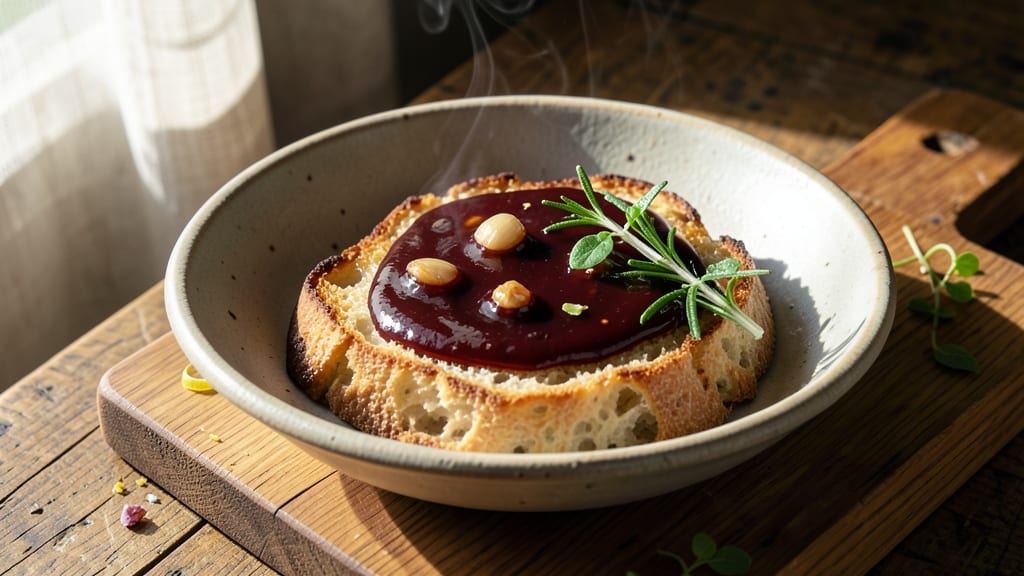
This artisan sauce recipe transforms simple ingredients into a complex, umami-rich condiment that elevates every dish it touches. The secret lies in small-batch fermentation—a process that develops deep, savory layers over time, far beyond what store-bought sauces can achieve.
What starts as a humble base of broth, wine, and aromatics evolves into something restaurant-quality, with a velvety texture and balanced flavors that keep improving with age.
The technique focuses on precision: building a roux for body, reducing carefully to concentrate flavors, and fermenting just enough to enhance umami without overpowering. You'll work with garlic, shallots, and herbs that infuse the sauce with aromatic depth, while acidity from vinegar or citrus keeps the profile bright.
The result isn't just a sauce—it's a flavor multiplier that transforms simple proteins and vegetables into gourmet meals.
What makes this recipe professional is the control over each stage—from the initial simmer to the final reduction—ensuring a sauce that's rich yet balanced, with a shelf life of weeks when stored properly.
The fermentation process adds complexity without bitterness, creating a condiment that's versatile enough for dipping, drizzling, or braising. Every component plays a role in building that signature depth.
Perfect for home cooks ready to elevate their cooking, this sauce delivers restaurant-quality results with minimal equipment. The process is methodical but not complicated, making it accessible for those willing to invest time in flavor development.
Once mastered, you'll find yourself reaching for this artisan sauce instead of bottled alternatives—it's that transformative.
Ingredients for artisan sauce
Precision-crafted ingredients for a sauce that develops restaurant-quality depth through fermentation.
| Ingredient | Amount | Notes |
|---|---|---|
| Dry Red Wine 🍷 | 2 cups | Bold, dry variety like Cabernet Sauvignon |
| Vegetable Broth 💧 | 3 cups | Low-sodium, homemade preferred |
| Shallots 🧅 | ½ cup | Finely minced, about 6-8 cloves |
| Garlic Cloves 🧄 | 6 cloves | Peeled, thinly sliced |
| Fresh Thyme Leaves 🌿 | ¼ cup | Stems removed, finely chopped |
| Fresh Rosemary 🌿 | 1 tbsp | Needles finely chopped |
| Black Peppercorns 🌶️ | 1 tbsp | Crushed, not ground |
| Bay Leaves 🌿 | 2 whole | Fresh preferred |
| White Wine Vinegar 🍋 | ½ cup | High-quality, aged |
| Unsalted Butter 🧈 | 4 tbsp | Cold, cubed |
| Diamond Crystal Kosher Salt 🧂 | 1 ½ tsp | For seasoning, not salting |
| Honey 🍯 | 1 tbsp | Raw, unprocessed |
The wine and broth form the sauce's foundation, so quality matters here. A Cabernet Sauvignon or Merlot with moderate tannins works best—avoid sweet or overly fruity varieties. For broth, homemade vegetable stock delivers superior depth, but low-sodium store-bought brands like Pacific Foods are acceptable in a pinch. Shallots and garlic should be fresh, with vibrant color and firm texture. The herbs—thyme and rosemary—add aromatic complexity, so organic varieties from Whole Foods or local farmers' markets ensure maximum flavor. Store any unused aromatics in the freezer for up to 3 months to preserve their potency.
Substitutions should preserve the sauce's balance. No red wine? Dry sherry or white wine vinegar with a splash of soy sauce mimics the acidity and umami. Fresh herbs unavailable? Dried thyme at one-third the amount works, though fresh is ideal. The butter creates a velvety texture—vegetable shortening can replace it if needed, though flavor will differ. For acidity, lemon juice at half the vinegar amount offers a brighter alternative. The honey balances acidity; maple syrup is a suitable substitute. When building the roux, low heat is critical—burnt butter introduces bitter notes that fermentation can't mask.
This sauce improves with age, developing deeper umami over 2-4 weeks of fermentation. Store in a sterilized glass jar with a lid loosely fastened to allow airflow. Keep in a cool, dark place (like a pantry) and stir daily. Once fermented, it keeps for up to 6 months in the fridge. For best results, use within 3 months—flavors peak at 8-12 weeks. Freeze portions in ice cube trays for single-use servings, thawing overnight in the fridge.
Why You'll Love This Recipe
- Pantry Magic: I swear by this—no fancy shopping list, just what’s already there. That bottle of red wine gathering dust? The vegetable broth you’ve had since last winter? Boom—now they’re working for you.
- Wine-Infused Depth: The red wine doesn’t just add color; it builds layers of earthy richness that shallow sauces never touch. Sauté those shallots until they’re golden and caramelized, then let the garlic and thyme sing—it’s the kind of flavor that lingers.
- Weeknight Swiss Army: Drizzle it over pasta, toss it with roasted veggies, or use it to deglaze a pan after searing chicken. Honestly, I’ve even thrown it into a grain bowl when I’m too tired to think. It’s my secret weapon for "I don’t know what I’m doing" nights.
- Leftovers That Don’t Suck: Make a double batch—this sauce only gets better as it sits. The flavors meld into something even more complex, and it reheats like a dream. (Yes, even on a Tuesday night.) Plus, a little goes a long way, so you’re not drowning in leftovers.
Step-by-step instructions for small-batch fermented artisan sauce
Transform simple ingredients into a complex, umami-rich sauce through precise fermentation and reduction.
Prepare and Sauté the Aromatic Base
In a heavy-bottomed saucepan, combine the 0.5 cup shallots and 6 cloves garlic cloves over medium heat. Cook gently for 5-6 minutes until the shallots soften and become translucent, but don't let them brown. This gentle cooking preserves their delicate sweetness while building depth of flavor.
Add the 0.25 cup fresh thyme leaves, 1 tbsp fresh rosemary, and 1 tbsp crushed black peppercorns to the pan. Stir for 1 minute until fragrant—you should smell the piney notes of rosemary and earthy thyme. Remove the pan from heat and let the aromatics steep while you prepare the remaining ingredients. This brief resting period allows the herbs to infuse the oil and aromatics more thoroughly.
Build the Fermentation Foundation
Return the pan to medium-low heat and add the 2 cups dry red wine. Increase heat to medium-high and reduce by half—about 8-10 minutes—until the wine reduces to a syrupy consistency. You'll notice the aroma intensify as alcohol evaporates, concentrating the wine's natural umami and acidity.
Add the 3 cups vegetable broth and 0.5 cup white wine vinegar to the reduced wine mixture. Bring to a gentle simmer and cook uncovered for 15 minutes, stirring occasionally. This step develops the sauce's acidity and prepares it for fermentation. The liquid should reduce to about 2 cups—if it reduces too quickly, reduce the heat slightly to maintain control.
Incorporate Fermentation Agents
Remove the pan from heat and stir in the 1.5 tsp kosher salt and 1 tbsp honey. The salt will begin to draw out moisture from the aromatics, while the honey adds subtle sweetness that balances the acidity. Add the 2 whole bay leaves and let the mixture cool to room temperature—about 30 minutes. This cooling step is critical as fermentation works best at controlled temperatures.
Once cooled, transfer the mixture to a clean, sterilized glass jar with a lid. Seal tightly and let ferment at room temperature for 48 hours. The fermentation process develops complex flavors as natural yeasts and bacteria work their magic. You'll notice subtle bubbles forming—this is a good sign the fermentation is active. If you see significant foaming, open the jar briefly to release pressure.
Reduce and Finish the Sauce
After fermentation, return the sauce to the same heavy-bottomed pan over medium heat. Add the 4 tbsp cold cubed butter and stir constantly until the butter melts completely and the sauce begins to thicken—about 10-12 minutes. The butter adds richness and helps emulsify the sauce, creating a velvety texture.
Taste and adjust seasoning with additional salt if needed. The sauce should have a complex balance of sweetness, acidity, and umami depth. Strain through a fine-mesh sieve to remove the herbs and bay leaves, pressing gently on the solids to extract maximum flavor. Transfer to a clean jar and store in the refrigerator for up to 2 weeks, or freeze for longer storage.
Pro Tips For Making Artisan Sauce
- SWEEAT DON’T BURN THE SHALLOTS: I learned this the hard way—shallots turn bitter fast when they hit smoke. Keep the heat medium-low while cooking them down, and if you see them darkening, pull the pan off for 30 seconds. You want them translucent and jammy, not charred.
- MINCE GARLIC LIKE YOU MEAN IT: Whole cloves? No. Finely minced garlic is the thing that matters most here. Use a knife (not a press) and chop them into a paste—this prevents clumps and lets the flavor dissolve into the sauce. (Yes, even if you’re impatient like me.)
- DEGLAZE WITH THE WINE STRAIGHT AWAY: Don’t let the shallots and garlic sit after they’re cooked—immediately pour in the red wine and scrape every last bit from the bottom. That browned fond is where the deep, savory magic lives. Wait too long, and you’ll miss out on half the flavor.
- STRAIN THE THYME AFTER 10 MINUTES: Fresh thyme leaves steep fast, but leaving them in too long makes the sauce bitter. Add them with the broth, then pull them out after 10 minutes of simmering. (Your future self will thank you—trust me.)
Regional styles of this dish
Italian Fermented Ragù
In Italy, this sauce transforms into a ragù by adding ground beef or pork to the fermented base. After the initial 48-hour fermentation, simmer 1 lb of ground meat with the sauce for 2 hours over low heat.
The meat breaks down, infusing the sauce with deep, savory richness. Finish with ½ cup whole milk to tenderize the meat and create a silky texture. Serve over fresh tagliatelle or pappardelle—the pasta's chewiness contrasts beautifully with the sauce's velvety depth. 🍝
French Reduction Sauce
For a French-inspired reduction, skip the fermentation entirely and focus on a long, slow reduction. After building the aromatic base, add 1 cup dry white wine instead of red, and reduce it by two-thirds before adding the broth.
Finish with 2 tbsp cold butter and a pinch of fresh tarragon for a sauce gribiche—bright, acidic, and perfect for seafood or grilled chicken. The key is patience: let it reduce for 30-40 minutes until it coats the back of a spoon. 🍷
Spanish Sofrito Base
Spain takes this sauce to another level by turning it into a sofrito—a foundational sauce used in paella and stews. After fermenting, blend the sauce with 1 roasted red bell pepper, 1 smoked paprika, and 1 tbsp sherry vinegar.
Simmer for 15 minutes to meld the flavors, then strain. Use it as a base for arroz negro (black rice) or drizzle over grilled octopus. The fermentation adds complexity, while the smoked paprika introduces a smoky depth that’s quintessentially Spanish. 🌶️
Japanese Miso-Inspired Ferment
For a Japanese twist, replace the wine with ½ cup white miso paste and reduce the vinegar to 2 tbsp. After fermentation, add 1 tbsp mirin and 1 tsp grated ginger for brightness.
This sauce works beautifully as a dipping sauce for sushi or a glaze for teriyaki chicken. The miso brings umami richness, while the ginger adds a refreshing kick. Serve chilled for an elegant appetizer or warm for a hearty main. 🍣
Middle Eastern Tahini Sauce
In the Middle East, this sauce becomes a tahini-based dip by blending the fermented base with ½ cup tahini and 1 tbsp lemon zest. Add 1 minced garlic clove and 2 tbsp olive oil for creaminess.
This muhammara-inspired sauce pairs perfectly with warm pita bread or grilled lamb kebabs. The fermentation mellows the tahini’s bitterness, creating a smooth, nutty sauce with layers of flavor. 🥙
American BBQ Glaze
For a Southern BBQ twist, ferment the sauce with ½ cup apple cider vinegar and 1 tbsp smoked paprika. After fermentation, blend in ½ cup tomato paste and 1 tbsp brown sugar for a sticky, smoky glaze.
Brush it over pork ribs or pulled pork in the last 10 minutes of cooking. The fermentation deepens the sauce’s tang, while the sugar caramelizes into a glossy finish. 🍖
Nutrition facts
Frequently asked questions
Can I adjust the fermentation time for stronger or milder flavor?
The 48-hour fermentation creates a balanced umami profile, but you can extend it to 5-7 days for deeper complexity or reduce to 24 hours for a milder taste. Monitor closely—longer fermentation risks over-acidity. For stronger flavor, use 1 extra bay leaf or 1 tsp extra honey to balance.
What's the best way to store this artisan sauce?
Store in a sterilized glass jar with a lid. Unopened, it keeps 3 months at room temperature (for continued fermentation). Once opened, refrigerate for 2 weeks or freeze for up to 6 months. Portion into ice cube trays for easy single-use servings.
Can I make this sauce without wine?
Yes! Replace the wine with 1 cup dry white wine vinegar + 1 tbsp soy sauce for umami depth. Or use 1 cup strong vegetable broth + 1 tbsp balsamic vinegar for a vegetarian version. The key is maintaining the acid-to-sweet ratio—adjust honey accordingly.
Why did my sauce turn cloudy or separate?
Cloudiness often means fermentation is active—stir daily to prevent separation. If it splits, whisk in 1 tbsp cold butter or olive oil to re-emulsify. For future batches, ensure your jar is completely clean and dry before use, and avoid metal utensils during fermentation.
What are the best dishes to pair with this sauce?
This versatile sauce excels with grilled meats, roasted vegetables, or creamy polenta. Drizzle over seared scallops for elegance, or use as a marinade for chicken thighs. The fermentation makes it perfect for cold pasta salads or as a dipping sauce for fresh bread.