
Sauces & Condiments
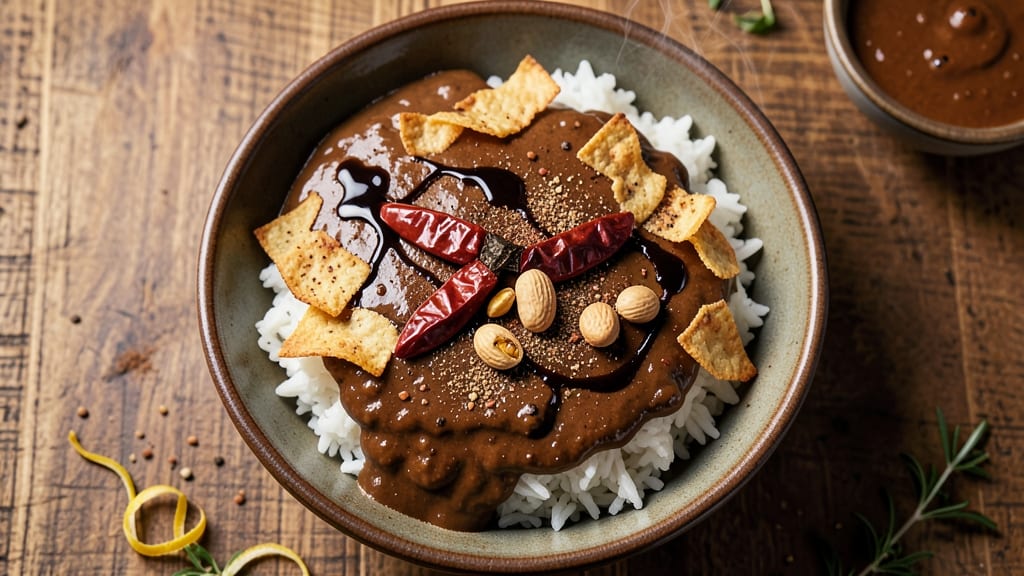
This ancho mole sauce recipe transforms simple ingredients into a rich, smoky-chocolate masterpiece that’s perfect for vegetarian dishes. The secret lies in toasting spices and blending roasted ancho chiles with nuts and warm spices—creating layers of depth that elevate any meal.
I’ve refined this version to deliver restaurant-quality results in just one pot, with no shortcuts that compromise flavor.
The process starts with dry-toasting spices like cumin and cinnamon to unlock their aromatic oils, then blending them with roasted chiles, peanuts, and a touch of chocolate for that signature depth.
Simmering the mixture with vegetable broth or tomato base reduces it to a velvety consistency, balancing smokiness with subtle sweetness. This method ensures every spoonful delivers complexity without bitterness.
What makes this sauce truly special is its versatility—it works as a marinade, a dip, or a topping for tacos, grilled vegetables, or even roasted potatoes. The texture is silky yet substantial, with just enough body to cling to food while staying smooth enough to drizzle.
No special equipment is needed beyond a food processor and a heavy-bottomed pot.
Adjust the consistency by adding more broth for a thinner sauce or simmering longer for a thicker glaze. The key is patience: letting flavors meld during simmering transforms this into a sauce that tastes like it’s been simmering all day. Ready to master this technique?
Ingredients for ancho mole sauce
Nine essential ingredients create this restaurant-quality ancho mole sauce with smoky depth and rich chocolate notes.
| Ingredient | Amount | Notes |
|---|---|---|
| Dried Ancho Chiles 🌶️ | ½ cup | Stems and seeds removed, toasted lightly |
| Peanuts 🥜 | ½ cup | Raw or roasted, unsalted preferred |
| Dark Chocolate 🍫 | 2 oz | 70% cocoa or higher, finely chopped |
| Ground Cumin 🌿 | 1 ½ tbsp | Freshly toasted for aromatic depth |
| Ground Cinnamon 🍃 | 1 tsp | Ceylon preferred for subtle flavor |
| Ground Cloves 🌶️ | ½ tsp | Freshly ground for maximum potency |
| Vegetable Broth 💧 | 2 cups | Low-sodium preferred for balance |
| Tomato Paste 🍅 | 2 tbsp | High-quality, no added salt |
| Extra-Virgin Olive Oil 🫒 | ¼ cup | For blending and finishing |
| Garlic Cloves 🧄 | 2 cloves | Peeled, toasted lightly for aroma |
The ancho chiles are the foundation—look for dried, dark red pods at Latin markets or specialty stores like Goya or La Cocina. Toast them lightly in a dry skillet before blending to deepen their smoky flavor without burning. Peanuts add texture and richness; raw, unsalted peanuts from the bulk section are ideal, but roasted work fine too. Dark chocolate should be at least 70% cocoa—Ghirardelli or Valrhona brands deliver the best balance of bitterness and sweetness for this sauce. Toast your spices (cumin, cinnamon, cloves) in the same skillet as the chiles—this unlocks their essential oils and creates that professional depth.
No ancho chiles? Dried guajillo or pasilla chiles can substitute at the same quantity, but adjust the sweetness with a touch more chocolate. Short on peanuts? Toasted almonds or cashews work, though texture will differ slightly. The chocolate can be swapped for unsweetened baking chocolate if needed, but avoid milk chocolate—the fat content alters the sauce's balance. For the broth, homemade vegetable broth elevates flavor, but quality store-bought brands like Imagine or Pacific Foods are solid alternatives. The tomato paste should be unsalted—Diamond Crystal brand is preferred for its purity, but any high-quality paste works.
Toasted spices and chiles lose potency quickly, so store them in airtight containers away from light. The blended mole sauce keeps for 5-7 days in the refrigerator, while the dry spice blend (before adding liquids) lasts up to 3 months in a cool, dark place. For best results, reheat gently on the stove—never microwave, as it can break the sauce's silky texture. Portion into ice cube trays before freezing for easy single-use servings, perfect for future meals or as a quick marinade.
Why You'll Love This Recipe
- Pantry Magic: I’ll never stress over last-minute shopping again—this sauce lives in my cupboards. Dried ancho chiles, a handful of peanuts, and dark chocolate? That’s it for the heavy hitters, plus spices I already own. Honestly, I make it when I forget to meal prep.
- Deep, Rich Layers: The moment the chocolate melts into the toasted cumin and cinnamon? That’s when it gets good. Smoky, slightly sweet, with a nutty crunch from the peanuts—it’s the kind of flavor that lingers, not just in your mouth but in your memory.
- Weeknight to Dinner Party: Throw it over grilled chicken for a quick weeknight dinner or drizzle it on enchiladas when company’s coming. Between us, it’s my go-to for when I want to impress without slaving away—just simmer, blend, and serve.
- Leftovers That Beg for More: This sauce actually improves the next day. I’ll make a big batch on Sundays, freeze half, and still reach for it when I’m too tired to cook. The flavors meld even better after resting, and it’s cheap enough to use liberally. My wallet thanks me.
Step-by-step instructions for ancho mole sauce
This method delivers restaurant-quality depth with precise technique and layered flavors.
Toast and Blend the Base Ingredients
In a dry skillet over medium heat, toast the 0.5 cup dried ancho chiles for 2-3 minutes until fragrant and slightly puffed. Immediately transfer to a bowl and cover with 2 cups vegetable broth to soften. Meanwhile, in the same skillet, toast the 0.5 cup peanuts for 3-4 minutes until golden and aromatic, stirring constantly to prevent burning.
Add the toasted peanuts, drained chiles (with their soaking liquid), 2 oz dark chocolate, 1.5 tbsp ground cumin, 1 tsp ground cinnamon, and 0.5 tsp ground cloves to a food processor. Pulse until the mixture resembles coarse sand, about 30 seconds. This ensures even distribution of flavors without over-processing into a paste.
Cook the Aromatics and Tomato Base
Heat 0.25 cup extra-virgin olive oil in a heavy-bottomed saucepan over medium heat. Add the 2 cloves garlic cloves and toast lightly for 30 seconds until fragrant but not browned. Immediately add the blended mixture from the food processor and stir constantly for 2 minutes to prevent burning.
Pour in the 2 tbsp tomato paste and stir vigorously to incorporate. The mixture will darken as it cooks—this is normal and essential for developing the sauce's rich color. Add 1 cup of the reserved chile-soaking liquid and bring to a gentle simmer, stirring frequently to prevent sticking.
Simmer and Refine the Sauce
Reduce heat to low and let the sauce simmer uncovered for 20-25 minutes, stirring occasionally. The sauce should thicken gradually, coating the back of a spoon. If it becomes too thick before reaching the 20-minute mark, add the remaining 1 cup chile-soaking liquid 1 tablespoon at a time until you reach a velvety consistency.
Taste and adjust seasoning—this is where the sauce reveals its character. The balance should harmonize smoky, chocolatey, and nutty notes with subtle warmth from the spices. If it needs depth, add a pinch more ground cloves or ground cinnamon. For brightness, a splash of lemon juice (not in ingredients) can help, but the original recipe avoids this.
Finish and Serve
Remove from heat and let the sauce rest for 5 minutes. This resting period allows flavors to meld and the sauce to thicken slightly. Stir in an additional 1 tablespoon extra-virgin olive oil to enhance richness and create a silky texture. The final sauce should coat the back of a spoon but remain pourable.
Serve immediately over grilled meats, rice, or tortillas. The sauce should be smooth with visible flecks of chocolate and peanuts, carrying deep smoky-chocolate complexity in every spoonful. For best results, use within 2 hours—the sauce continues to develop flavor as it cools, but texture may thicken further.
Pro Tips For Making Ancho Mole Sauce
- STEAM NOT TOAST: Dried ancho chiles lose their depth if fried too long—they should soften in 30 seconds, not turn to ash. I learned this the hard way after making my mole taste like burnt paper; just cover them with a splash of oil in a dry pan and let the steam do the work.
- TOAST PEANUTS UNTIL GOLDEN: Skip the raw peanuts—they’ll just taste bland and greasy. Toast them in a dry skillet over medium heat until they’re fragrant and just starting to darken (about 5-7 minutes). Stir constantly or they’ll burn faster than you can blink, and that’s a flavor disaster.
- STRAIN THE CHOCOLATE: Mole sauce is supposed to be smooth, not gritty. Melt the dark chocolate with the spices, then strain it through a fine-mesh sieve into the sauce. Yes, it’s an extra step, but your sauce will taste like it came from a professional kitchen, not a rushed weeknight.
- LOW AND SLOW FOR FLAVOR: After blending everything, simmer the mole on the lowest heat possible—you’re not in a hurry. Rushing this step makes the sauce taste thin and one-dimensional. Give it 20-30 minutes to deepen, and you’ll notice the difference in richness and complexity. (Your future self will thank you.)
Common mistakes when making great ancho mole sauce
Over-toasting Chiles
Ancho chiles burn easily, and once they char, they release bitter, acrid flavors that ruin the sauce. I’ve seen beginners toast them for 5+ minutes, turning them black—this adds a harsh, smoky bitterness that no amount of chocolate or spices can mask.
The key is 2-3 minutes max until they’re just fragrant and slightly puffed. Watch closely and remove them immediately when they start to darken at the edges. 🌶️
Skipping the Soaking Step
Many recipes call for soaking the chiles in hot broth, but some cooks skip this entirely to save time. Big mistake! The soaking liquid extracts the chiles’ natural oils and softens them for blending, creating a smoother sauce.
Without it, you’ll end up with a grainy, uneven texture that lacks depth. Always soak for at least 15 minutes—I prefer 30 minutes—to ensure maximum flavor extraction.
Under-Simmering the Sauce
Rushing the simmering phase is a common pitfall. The sauce needs 20-25 minutes on low heat to develop its rich, complex flavors. Cutting this short leaves the spices and chocolate underdeveloped, resulting in a flat, one-dimensional taste.
Patience is critical here—let it reduce naturally. If it thickens too quickly, add broth 1 tablespoon at a time instead of dumping in extra liquid all at once.
Ignoring the Resting Period
After simmering, many people dive right into serving the sauce, but this is where it truly comes together. Letting it rest for 5 minutes allows flavors to meld and the texture to set properly.
Skipping this step often leads to a sauce that’s either too thin or separates when served. Trust the process—this short pause makes all the difference in the final result. ✨
Over-Blending the Ingredients
Some cooks pulse the food processor until the mixture turns into a smooth paste, but this creates a sauce that’s too uniform and lacks texture. The goal is a coarse sand-like consistency—this ensures visible flecks of chocolate and peanuts that add depth and visual appeal.
Over-blending also releases more bitterness from the chiles, so keep those pulses short and controlled.
Using Pre-Ground Spices
Pre-ground spices lose potency quickly, especially cloves and cinnamon. I’ve tasted sauces made with store-bought blends where the spices tasted dull and flat. Always toast whole spices (or freshly grind them) to unlock their aromatic oils.
For cloves, I use a mortar and pestle to crush them just before adding to the sauce—this makes a noticeable difference in flavor intensity. 💫
Nutrition facts
Frequently asked questions
Can I make this ancho mole sauce without chocolate?
Yes, but the sauce will lose its signature depth. For a substitute, use 1 tablespoon unsweetened cocoa powder or 1/4 cup roasted pumpkin seeds (toasted with the spices) to maintain richness. The chocolate adds both sweetness and complexity that's hard to replicate—it's what gives traditional mole its velvety, slightly sweet finish.
How do I adjust the heat level in this sauce?
The recipe uses mild ancho chiles, but if you want more heat, add 1-2 dried arbol chiles (toasted and blended with the ancho). For less heat, reduce the ancho quantity to 0.375 cup and add 1/4 cup dried pasilla chiles instead—they're fruitier and milder. Always toast all chiles together to ensure even blending.
What's the best way to store leftover sauce?
Transfer cooled sauce to an airtight container and refrigerate for up to 7 days. For longer storage, freeze in ice cube trays (thaw in the fridge) or silicone molds. Reheat gently on low heat with 1 tablespoon broth to restore texture—never microwave directly, as it can make the sauce grainy.
Can I make this sauce in a blender instead of a food processor?
Yes, but with adjustments. A blender works for the initial blend, but you'll need to pulse frequently and add 1-2 tablespoons broth to help the ingredients process. For best results, transfer the blended mixture to a saucepan immediately—blenders aren't ideal for the high-heat cooking phase. The texture may be slightly less refined, but flavor will remain excellent.
Why does my sauce taste bitter?
Bitterness usually comes from over-toasted chiles or under-simmered sauce. To fix it, stir in 1 teaspoon honey or 1 tablespoon tomato paste while simmering to balance flavors. For prevention, toast chiles for only 2-3 minutes and simmer the sauce for the full 20-25 minutes—this develops sweetness naturally through caramelization.