
Sauces & Condiments
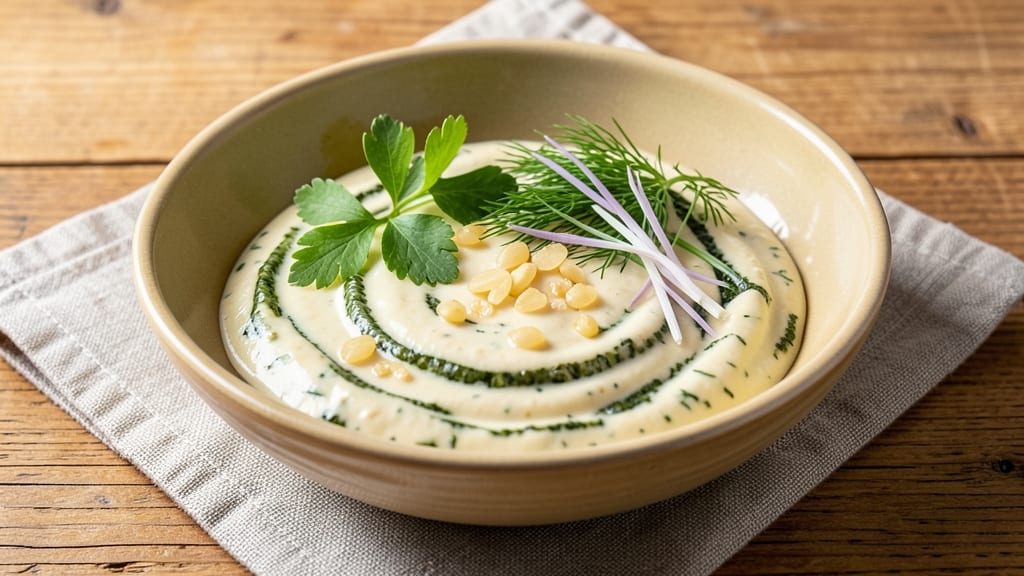
This artichoke aioli sauce recipe transforms simple ingredients into a velvety, herb-infused dip that elevates everything from grilled shrimp to crispy fries. The secret lies in blending creamy mayonnaise with artichoke hearts, garlic, and fresh herbs—creating a sauce that's rich yet bright, with just the right tang.
I developed this recipe after craving something that balanced creamy aioli with the earthy depth of artichokes, and it became an instant crowd-pleaser at every gathering.
What sets this sauce apart is its versatility—it works as a dip, marinade, or sandwich spread, and the ingredients come together in just 10 minutes with no cooking required.
The artichokes provide a subtle, briny sweetness that pairs beautifully with the garlicky, herby base, while lemon juice keeps the flavors fresh and vibrant. For extra richness, I use high-quality mayonnaise, but a vegan alternative works just as well for plant-based versions.
The result is a sauce that's smooth, slightly textured from the artichokes, and packed with flavor—perfect for drizzling over grilled seafood, spreading on sandwiches, or serving with warm pita chips.
The herbs (parsley, chives, and dill) add a fresh finish that cuts through the creaminess, making every bite feel balanced and satisfying. This is the kind of sauce that disappears faster than you can say "aioli."
Store it in an airtight container in the refrigerator for up to 5 days, or freeze for longer shelf life. The flavors actually deepen over time, so leftovers often taste even better the next day.
Whether you're hosting a dinner party or just craving a flavor boost, this artichoke aioli is a game-changer for any meal.
Ingredients for artichoke aioli sauce
Ten ingredients blend effortlessly into a velvety sauce that transforms ordinary dishes into extraordinary ones.
| Ingredient | Amount | Notes |
|---|---|---|
| Artichoke Hearts 🍃 | ¾ cup | Marinated, drained and chopped finely |
| Mayonnaise 🥫 | ¾ cup | High-quality, preferably Duke's or Hellmann's |
| Garlic Cloves 🧄 | 3 cloves | Fresh, minced into fine paste |
| Fresh Parsley 🌿 | ¼ cup | Stems removed, finely chopped |
| Fresh Chives 🌱 | 2 tbsp | Finely chopped, for fresh finish |
| Fresh Dill 🌿 | 1 tbsp | Finely chopped, for herbal brightness |
| Lemon Juice 🍋 | 2 tbsp | Freshly squeezed, for tang |
| Extra-Virgin Olive Oil 🫒 | 1 tbsp | For richness and smoothness |
| Salt 🧂 | ½ tsp | Diamond Crystal kosher salt |
| Black Pepper 🌶️ | ¼ tsp | Freshly ground for depth |
The artichoke hearts are the foundation of this sauce, so quality matters. Look for jarred hearts packed in water or brine—Muir Glen or Bonduelle are reliable brands. Fresh artichokes can be used if you're ambitious, but their preparation is time-consuming. The mayonnaise should be high-quality; Duke's or Hellmann's both deliver consistent results. For the herbs, fresh is non-negotiable—dried herbs lack the vibrant brightness this sauce needs. If you're using frozen artichokes, thaw and drain them thoroughly before chopping, as excess moisture can dilute the sauce.
No mayonnaise? Vegan mayo or Greek yogurt works as a substitute, though texture will differ slightly. Fresh herbs unavailable? Dried parsley and dill at one-third the amount can be used, but flavor will be muted. The lemon juice is crucial for balance—bottled lemon juice works in a pinch, but freshly squeezed adds a brighter tang. For extra richness, add 1 teaspoon of Dijon mustard to the blend. The olive oil enhances the sauce's silky texture, so don't skip it—high-quality extra-virgin makes all the difference. If you prefer a smoother texture, blend the sauce for an additional 30 seconds after combining all ingredients.
This sauce keeps beautifully in an airtight container in the refrigerator for up to 5 days, with flavors deepening over time. For longer storage, freeze in ice cube trays—perfect for single servings. When reheating, microwave in 15-second bursts, stirring between each, to maintain its velvety consistency. The sauce pairs beautifully with grilled seafood, sandwiches, or as a dip for warm pita chips. If making ahead for a gathering, prepare it the day before—it tastes even better after resting, as the flavors meld together perfectly.
Why You'll Love This Recipe
- Five-Ingredient Magic: I swear by this—just chop, blend, and boom. No fancy techniques, no waiting for marinades. The artichoke hearts and mayo blend into a silky texture while the garlic and herbs do all the flavor work for you.
- Creamy with Crunch: That contrast? Chef’s kiss. The artichokes add a briny, tender bite, but the mayo keeps it rich and velvety. Fresh parsley and chives give it a bright finish—like a hug for your taste buds.
- Game for Any Meal: Slather it on grilled fish, drizzle it over roasted veggies, or serve it with chips. Honestly, I’ve even used it as a dip for crusty bread when I’m too tired to cook. It’s that adaptable.
- Leftovers That Don’t Let You Down: Make a big batch—it keeps for days in the fridge without getting weird. Between us, this is my secret weapon for lazy Sundays or when friends drop by last-minute. No stress, all flavor.
Step-by-step instructions for artichoke aioli sauce
This herb-infused sauce comes together effortlessly with precise technique and fresh ingredients.
Prepare the Artichoke and Herb Base
Drain the 0.75 cup marinated artichoke hearts thoroughly and pat them completely dry with paper towels. Chop them into a fine paste using a sharp chef's knife or food processor—you want a smooth, almost puréed consistency that will blend seamlessly into the sauce. This step ensures the artichoke flavor is evenly distributed without any chunky bits.
In a small bowl, combine the 0.25 cup finely chopped fresh parsley, 2 tablespoons finely chopped fresh chives, and 1 tablespoon finely chopped fresh dill. Mix well to create a vibrant herb blend. The freshness of these herbs will elevate the sauce's brightness and complexity. Set this mixture aside until ready to use.
Create the Garlic-Infused Oil
In a small saucepan, gently warm the 1 tablespoon extra-virgin olive oil over low heat until it just begins to shimmer. Add the 3 cloves minced garlic cloves and cook for 30-45 seconds until fragrant but not browned—garlic burns quickly, and you want to preserve its delicate flavor. Immediately remove the pan from heat and let the garlic-infused oil cool for 2 minutes.
This step is crucial for building flavor depth. The warm oil helps release the garlic's aromatic compounds, but cooking it too long will make the sauce bitter. The brief cooling period prevents the garlic from continuing to cook when you add it to the mayonnaise later.
Combine All Ingredients for Creamy Texture
In a medium bowl, add the 0.75 cup high-quality mayonnaise. Slowly drizzle in the garlic-infused oil while whisking continuously to create an emulsion. This gradual incorporation prevents the mayonnaise from breaking. Add the artichoke paste, the prepared herb blend, 2 tablespoons lemon juice, 0.5 teaspoon salt, and 0.25 teaspoon black pepper.
Using a hand mixer or whisk, blend the mixture on low speed for 1-2 minutes until completely smooth and creamy. The sauce should have a velvety consistency with no visible streaks of herbs or artichoke. If it appears too thick, add 1 teaspoon water at a time until it reaches your desired texture—it should coat the back of a spoon smoothly.
Rest and Adjust for Perfect Balance
Cover the bowl with plastic wrap and refrigerate the sauce for at least 30 minutes to allow the flavors to meld together. This resting period is essential—it lets the garlic mellow slightly and the herbs infuse more deeply into the mayonnaise base. After resting, taste the sauce and adjust seasoning if needed: add a pinch more salt if it's bland, or a splash of lemon juice if it needs more brightness.
The sauce should have a harmonious balance of creamy richness from the mayonnaise, briny depth from the artichokes, and fresh herbal notes. If the sauce separates after refrigeration, simply whisk vigorously to re-emulsify. This aioli pairs beautifully with grilled fish, crusty bread, or as a dip for vegetables—its versatility makes it a kitchen staple.
Pro Tips For Making Artichoke Aioli Sauce
- Pulse the Garlic: Blitz the garlic cloves in your food processor first—before adding anything else—until they’re a fine paste, not just chopped. I used to add them whole and ended up with chunks of raw garlic that ruined the texture. A quick 10-second pulse makes the sauce silky smooth.
- Drain and Pat Dry: Rinse the artichoke hearts in cold water, then give them a good shake in a colander to remove excess moisture. Wrap them in a clean towel and press firmly for 30 seconds—this prevents a watery, thin sauce. Trust me, your aioli will thank you.
- Temper the Garlic: If you’re using fresh garlic, sauté it in 1 teaspoon of olive oil over low heat for 2 minutes until just fragrant—not browned. Raw garlic can taste harsh in aioli, and burning it turns the sauce bitter. Low and slow keeps it mellow.
- Blend with Heat: Let your food processor or blender run for 30 seconds after adding the mayo and herbs, even if it looks mixed. The residual heat from blending helps emulsify the sauce better, giving it that creamy, restaurant-quality consistency. I skip this and end up with a lumpy mess.
Essential equipment for great artichoke aioli sauce
Immersion Blender
An immersion blender is my go-to tool for creating this artichoke aioli because it eliminates the need for multiple bowls and transfers. I use the Ninja BN601—its variable speeds let me control texture perfectly, blending the artichokes and herbs directly in the mayo without breaking the emulsion.
For a smoother finish, pulse on low first to break up the artichokes, then blend on high for 10-15 seconds to achieve that silky consistency. 💫
Food Processor
A high-quality food processor like the Cuisinart DLC-4A is ideal if you prefer batch prep or making larger quantities. Pulse the artichoke hearts and herbs together first, then add the mayo and other ingredients in stages while blending.
The key is to process in short bursts (3-4 seconds at a time) to avoid overheating the mayo, which can cause separation. I always cool the bowl between batches if making more than one batch at once.
Whisk and Bowl Set
For a no-frills approach, a stainless steel whisk and glass mixing bowl (like the Pyrex 8-cup mixing bowl) work perfectly. The whisk helps emulsify the mayo smoothly, and the glass bowl lets you monitor color and consistency.
I recommend a medium-sized bowl—too large, and the sauce will feel diluted. Add ingredients gradually while whisking vigorously to prevent lumps, especially when incorporating the garlic-infused oil. 🥄
Knife Skills Essentials
Sharp tools make all the difference. A chef’s knife (I swear by the Wüsthof Classic 8-inch) and a microplane for garlic are essential. Chop the artichokes into a fine paste—almost like a rough purée—to ensure even distribution.
For the garlic, a microplane gives you more surface area for flavor infusion than mincing. Don’t skip the dry towel step for the artichokes; excess moisture throws off the emulsion. A cutting board with a non-slip mat keeps ingredients stable while chopping.
Garlic Press
A garlic press (like the OXO Good Grips) speeds up prep and ensures consistent mincing. Press the 3 cloves directly into the warm olive oil for instant infusion—no knife required. This method also prevents overcooking since you’re not exposing the garlic to direct heat for long.
I find it’s especially helpful for beginners who might burn garlic while mincing. Just press, then let the oil cool before mixing into the mayo. 🧄
Storage Containers
For leftovers, airtight glass containers (like Le Parfait 16-ounce jars) preserve freshness best. Glass won’t absorb odors like plastic, and the tight seal keeps the sauce from drying out. Label containers with the date—this sauce keeps for 5 days in the fridge or 3 months in the freezer.
For freezing, portion into 1-ounce ice cube trays for easy single-serving use. Thaw overnight in the fridge before reheating gently on the stovetop or in the microwave. ❄️
Nutrition facts
Frequently asked questions
Can I use fresh artichokes instead of jarred hearts?
Fresh artichokes will work but require more prep time. Trim the leaves, remove the choke, and steam or boil for 20-25 minutes until tender. Then chop them finely—you'll need about 2 medium artichokes to replace 0.75 cup jarred hearts. For best flavor, marinate the cooked artichokes in 1 tablespoon lemon juice for 10 minutes before using.
How do I fix separated aioli?
Separation happens when mayo breaks, but it's easily fixed! Add 1 teaspoon cold water and whisk vigorously for 30 seconds to re-emulsify. If that doesn't work, mix in 1/2 teaspoon Dijon mustard—it helps stabilize the sauce. For future batches, add ingredients slowly while whisking continuously to prevent separation.
What's the best way to store leftovers?
Transfer to an airtight glass container and refrigerate for up to 5 days. For longer storage, freeze in 1-ounce portions (ice cube trays work great). Thaw overnight in the fridge—never at room temperature—and give it a quick whisk before using. The sauce actually improves after resting!
Can I make this vegan?
Replace the mayo with 0.75 cup vegan mayo (like Just Mayo or Hellmann's Vegan). For extra richness, add 1 tablespoon neutral oil (like avocado oil). The texture will be slightly lighter but still delicious. Use the same amounts of other ingredients—just ensure your vegan mayo is high-quality for best results.
What are the best pairings for this sauce?
This artichoke aioli shines with grilled seafood (shrimp, salmon), crusty bread, or as a dip for veggie sticks. It also works as a sandwich spread or marinade for chicken. For a Mediterranean twist, serve with warm pita chips or drizzle over roasted vegetables. The herby, briny flavors complement both rich and light dishes beautifully.