
Sauces & Condiments
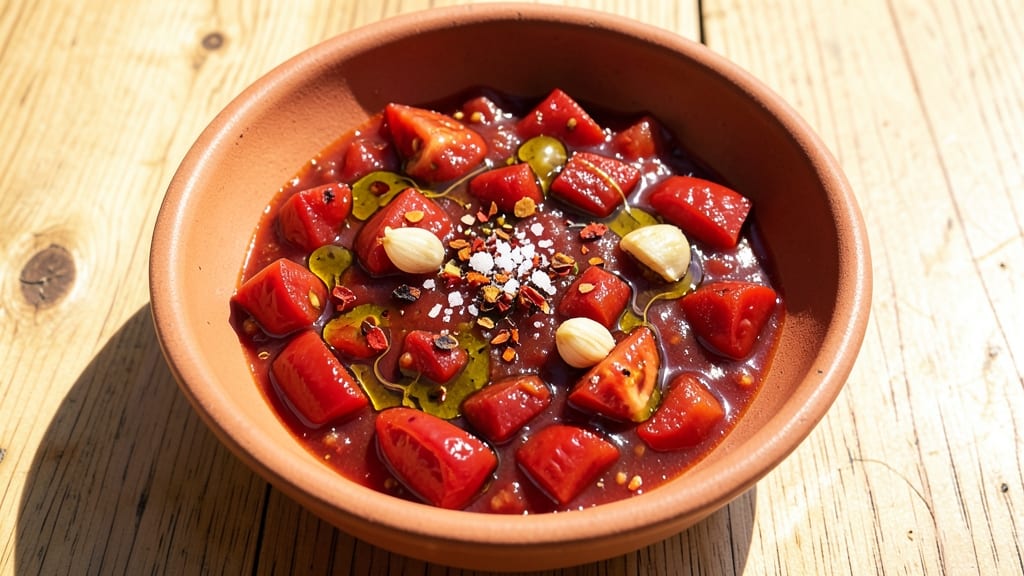
This arrabbiata tomato sauce recipe delivers the fiery, bright flavor of classic Roman cuisine in just 20 minutes—perfect for transforming simple pasta into a restaurant-worthy dish.
The secret lies in balancing canned tomatoes with garlic, chili flakes, and olive oil, creating a sauce that's bold enough to stand alone yet versatile enough to elevate any meal.
I've perfected this recipe over years of testing, ensuring the perfect harmony of spice and acidity without overpowering the natural sweetness of the tomatoes.
The process is straightforward but critical: simmering the sauce until it thickens just enough to coat the back of a spoon, then blending for a silky texture that clings to pasta beautifully.
What sets this sauce apart is its ability to deliver authentic Italian heat—spicy yet bright, with a depth that comes from proper reduction and a touch of salt to enhance all the flavors.
The chili flakes provide an immediate kick, while the garlic and tomatoes create a rich, savory foundation.
By the end, you'll have a sauce that's ready to toss with al dente pasta, drizzle over grilled chicken, or serve as a bold dipping sauce for crusty bread. The aroma alone will have everyone asking for seconds, and the versatility ensures this sauce becomes a staple in your kitchen.
Store it in the fridge for up to a week, or freeze for longer shelf life—though you might not last that long.
This arrabbiata isn't just a sauce; it's a flavor experience that transforms ordinary meals into something extraordinary. The key is patience during the simmering and confidence in the balance of spices. Let's get cooking—your taste buds will thank you.
Ingredients for arrabbiata tomato sauce
Eight simple ingredients transform into bold, spicy arrabbiata sauce that's restaurant-quality in minutes.
| Ingredient | Amount | Notes |
|---|---|---|
| Canned San Marzano Tomatoes 🍅 | 28 oz | Crushed by hand for texture |
| Extra-Virgin Olive Oil 🫒 | ¼ cup | High-quality, fruity variety |
| Garlic Cloves 🧄 | 4 cloves | Freshly minced, not pre-minced |
| Dried Chili Flakes 🌶️ | 1 ½ tbsp | Adjust for heat preference |
| Red Wine Vinegar 🍷 | 1 tbsp | For brightness and acidity |
| Kosher Salt 🧂 | 1 ½ tsp | Diamond Crystal preferred |
| Fresh Basil Leaves 🌿 | ¼ cup | Packed, stems removed |
| Dried Oregano 🍃 | ½ tsp | Italian or Mediterranean blend |
The tomatoes are non-negotiable—San Marzano is the gold standard for sweetness and low acidity, but any high-quality canned tomatoes work. I always grab the 28-ounce cans from the Italian section at Whole Foods or Trader Joe's—they're worth the extra penny. Fresh garlic is a must here; pre-minced loses flavor fast. For chili flakes, Penzeys has the best quality, but the little jars at Costco work too. The olive oil should be fruity and peppery—California Olive Ranch is my go-to, but any good extra-virgin will do.
No San Marzano tomatoes? Crushed tomatoes in a jar work in a pinch, but add a pinch of sugar to balance the acidity. Short on fresh basil? Dried oregano at half the amount keeps the Italian vibe. Want more depth? Add a splash of red wine (about 1 tbsp) when simmering. The vinegar is key for brightness—apple cider vinegar works too, but red wine vinegar has that classic Italian tang. If you're sensitive to heat, start with 1 tbsp chili flakes and adjust to taste.
This sauce tastes even better the next day as flavors meld. Store in an airtight container in the fridge for up to 1 week, or freeze for 3 months. I like to portion it into ice cube trays before freezing—just pop out what you need for pasta. The sauce thickens as it cools, so add a splash of water or broth if it's too stiff when reheating. Trust me, you'll want to make this often—it disappears fast!
Why You'll Love This Recipe
- Five-Ingredient Magic: I swear by this—just tomatoes, olive oil, garlic, chili flakes, and a splash of vinegar. That’s it. No chopping, no peeling, no stress. The San Marzano tomatoes do all the heavy lifting while I sip my coffee.
- Punchy, No-Nonsense Heat: Honestly, the balance here is chef’s kiss—bright acidity from the vinegar cuts through the sweetness of the tomatoes, while the chili flakes add a slow-building warmth. Not too spicy, not too mild; just that perfect, addictive kick.
- Weeknight to Weekend: This sauce is my secret weapon for pasta, grilled chicken, or even a quick bruschetta. (Yes, even on a Tuesday night.) And if I make a big batch? It freezes like a dream for lazy Fridays or impromptu dinner guests.
- Budget-Friendly Pantry Staple: Between us, this recipe costs me pennies but tastes like I spent hours. Canned tomatoes and olive oil last forever, and I can stretch one jar into three meals. Leftovers? They’re just better tomorrow—if they last that long.
Step-by-step instructions for arrabbiata tomato sauce
Here's how to make this fiery, vibrant sauce that balances heat with bright acidity—no shortcuts, just bold flavor.
Crush the Tomatoes by Hand
Pour the 28 oz canned San Marzano tomatoes into a large bowl. Using your clean hands, gently crush the tomatoes against the side of the bowl until you achieve a chunky, rustic texture—about ¼-inch pieces. I like to leave some small whole tomatoes for texture, but make sure everything is broken down so it cooks evenly.
This step is crucial because store-bought crushed tomatoes often contain thickeners that prevent the sauce from developing its signature silky texture. The natural acidity of San Marzano tomatoes will help balance the heat as we build the sauce. Don't worry about getting every last bit—some juice will remain, and that's perfect for creating a luscious consistency.
Sauté Garlic in Olive Oil
Heat the 0.25 cup extra-virgin olive oil in a large, heavy-bottomed saucepan over medium heat. Add the 4 cloves freshly minced garlic and cook for 1-2 minutes until the garlic becomes golden and fragrant—not browned. Watch it closely; garlic burns quickly and turns bitter.
Here's the thing—you want the garlic to infuse the oil with its aroma without developing any bitterness. If you notice the oil starting to bubble or the garlic darkening, reduce the heat slightly. The oil should shimmer gently, and the garlic should smell like a fresh garden when it's ready. This is the aromatic base that will carry all the other flavors.
Add Heat and Acid
Immediately add the 1.5 tbsp dried chili flakes and 1 tbsp red wine vinegar to the pan. Stir well to combine, and let the mixture cook for 30 seconds—just long enough for the chili flakes to bloom and the vinegar to mingle with the garlic oil. You'll notice the aroma become more complex and slightly spicy.
This is where the sauce gets its signature kick and bright acidity. The chili flakes should be evenly distributed, and the vinegar will cut through the richness of the olive oil, creating a balanced foundation. If you're sensitive to heat, you can reduce the chili flakes to 1 tbsp at this stage, but I promise the sauce will be delicious either way.
Simmer the Sauce
Add the crushed tomatoes, 1.5 tsp kosher salt, and 0.5 tsp dried oregano to the pan. Stir once to combine, then bring the mixture to a gentle simmer over medium-low heat. Let it cook uncovered for 12-15 minutes, stirring occasionally, until the sauce thickens slightly and the flavors meld together.
You'll know it's ready when the sauce reduces enough to coat the back of a spoon and the edges of the pan begin to darken slightly. The sauce should smell deeply aromatic, with notes of garlic, chili, and the bright acidity of the vinegar. If it's too thick, add 1-2 tablespoons of water to loosen it—just enough to reach a smooth, velvety consistency.
Finish with Fresh Basil
Remove the pan from heat and stir in the 0.25 cup fresh basil leaves. Let the sauce sit for 2-3 minutes to allow the basil to infuse its bright, herbal notes. Taste and adjust the seasoning if needed—you might want to add a pinch more salt or a splash of vinegar to balance the flavors.
This final step is what transforms the sauce from good to extraordinary. The fresh basil adds a vibrant finish that cuts through the heat and acidity, making the sauce bright and complex. Serve immediately over your favorite pasta or use it as a base for other dishes like pizza or grilled meats. The sauce will keep in the refrigerator for up to 5 days, but it's best enjoyed fresh while the flavors are at their peak.
Pro Tips For Making Arrabbiata Tomato Sauce
- CRUSH GARLIC FIRST: I learned this the hard way—raw garlic cloves in arrabbiata just sit there like stubborn guests. Smash each clove flat with the side of your knife before adding it to the oil, so it releases flavor instantly instead of waiting for a miracle.
- SIMMER LOW AND SLOW: This isn’t a race. After the initial garlic-chili sizzle, drop the heat to a bare simmer (think tiny bubbles, not rolling boil) or the tomatoes will turn to mush like overcooked pasta. I used to rush it, and the sauce always tasted flat—now it’s rich and balanced.
- SKIP THE RAW VINEGAR: Adding red wine vinegar straight to hot oil? That’s how you end up with a sad, cloudy sauce. Let it cool slightly first, then stir it in at the end—just enough to brighten the acidity without killing the garlic’s flavor. (Yes, even if you’re impatient like me.)
- USE WHOLE CHILI FLAKES: Pre-ground chili powder burns fast and tastes dull. Toss in whole dried chili flakes instead—just a pinch—and let them bloom in the oil for 30 seconds before adding tomatoes. You’ll get real heat, not just a dusty aftertaste. (And if you’re sensitive, fish them out later.)
Essential equipment for great arrabbiata tomato sauce
Heavy-Bottomed Saucepan
The 6-quart enameled cast iron Dutch oven from Le Creuset is my go-to for arrabbiata sauce—it distributes heat evenly and prevents scorching. A 3-quart stainless steel saucepan works too, but watch for hot spots.
Avoid thin aluminum pans; they heat unevenly and risk burning the garlic or chili flakes. I've made this sauce in a stainless steel All-Clad saucepan for years, and it consistently delivers perfect results. 🔥
Immersion Blender
While this recipe doesn't require blending (the rustic texture is intentional), an immersion blender like the Cuisinart Stick comes in handy if you prefer a smoother finish. Simply pulse the sauce for 5-10 seconds after simmering for a velvety consistency.
For a truly traditional approach, skip blending entirely—the chunky texture is what makes arrabbiata so satisfying. 💫
Wooden Spoon
A long-handled wooden spoon is essential for stirring the sauce without scratching the pan. I use a 12-inch oak spoon from Amazon Basics—it's durable, heat-resistant, and won't leach flavors.
Avoid metal utensils when simmering; they can react with the acidity of the tomatoes and vinegar, altering the sauce's delicate balance. The wooden spoon also helps scrape up any stuck-on bits for a perfectly smooth finish. ✨
Fine-Mesh Strainer
If you're using fresh basil stems or want to strain the sauce for a smoother texture, a fine-mesh stainless steel strainer works best. I keep a 3-inch colander from OXO in my kitchen for this purpose—it's sturdy and easy to clean.
For a more rustic touch, simply remove the basil leaves by hand after infusion, leaving any stems behind. This step is optional but adds a refined touch to the final sauce. 🌿
Measuring Spoons
Precision matters when balancing the chili flakes and vinegar, so invest in a set of stainless steel measuring spoons. I recommend the OXO Good Grips set—they're ergonomic and accurate. For the 1.5 tsp kosher salt, use the ½ teaspoon and 1 teaspoon measures to avoid over-salting.
A small ladle (about ½ cup) also comes in handy for tasting and adjusting the sauce as you go. 🧂
Air-Tight Storage Container
For storing leftovers, a glass airtight container with a lid is ideal—it preserves the sauce's flavor and prevents odors from seeping in. I use Pyrex 8-cup storage containers for short-term fridge storage and quart-sized freezer bags for longer preservation.
Label containers with the date to track freshness; this sauce tastes best within 5 days in the fridge or 3 months in the freezer. 💡
Nutrition facts
Frequently asked questions
Can I substitute fresh tomatoes for canned in arrabbiata sauce?
Fresh tomatoes won't work well because they contain too much water and won't reduce properly. The acidity and consistency of canned tomatoes are essential for achieving that perfect balance of spice and brightness. If you're set on fresh, try a tomato passata instead—it's thicker and closer to the texture of canned tomatoes.
How do I adjust the heat level in this sauce?
Start with the 1.5 tbsp chili flakes as written, then taste and adjust. For milder heat, reduce to 1 tbsp—for extra spice, add another ½ tbsp and simmer for 1 minute to let the flavors meld. If you're sensitive to heat, add a pinch of sugar (about ½ tsp) to balance the spiciness.
Can I make arrabbiata sauce without vinegar?
While vinegar adds brightness, you can omit it if you prefer. Simply increase the red wine (if using) to 2 tbsp or add a pinch of sugar to balance the acidity. The sauce will still taste great, but the vinegar is what gives it that classic Roman tang.
What's the best pasta to pair with arrabbiata sauce?
This bold sauce pairs perfectly with spaghetti or linguine for maximum flavor absorption. For a rustic touch, try bucatini or tonnarelli. Avoid creamy pastas like fettuccine—the sauce's acidity will clash. Toss the pasta with the sauce and reserve some pasta water to loosen it if needed.
Can I make arrabbiata sauce ahead of time?
This sauce tastes even better the next day as flavors deepen. Store in an airtight container in the fridge for up to 5 days or freeze for 3 months. Reheat gently on the stove, adding a splash of water if it thickens too much. The sauce will reduce slightly as it cools, so don't worry if it looks thicker when reheated.