
Sauces & Condiments
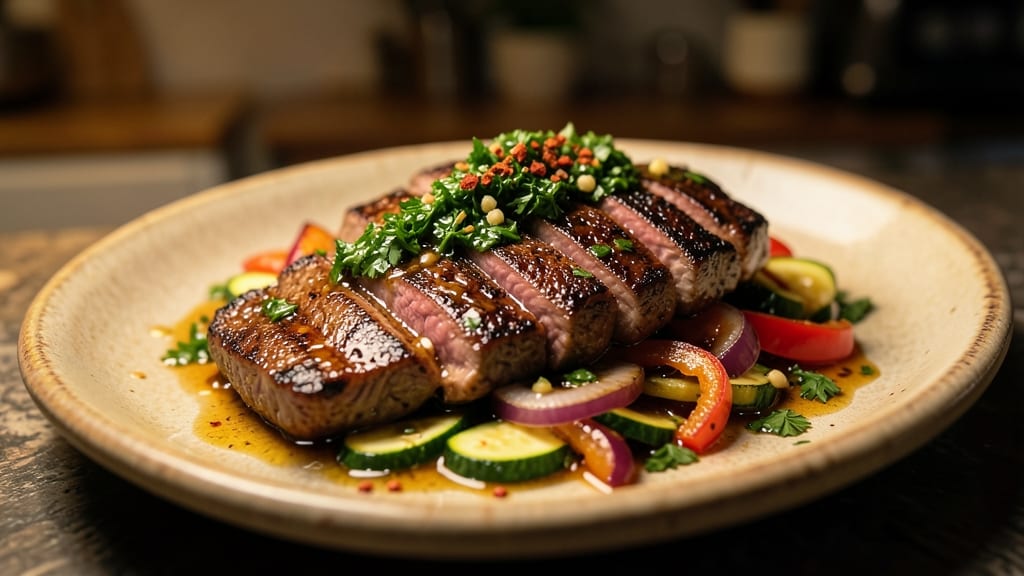
This Argentinian steak sauce recipe transforms every bite of grilled meat into a flavor explosion—bright, herby, and impossible to resist. ✨ The secret lies in fresh parsley, garlic, and red wine vinegar, which create a vibrant, tangy sauce that clings perfectly to seared steaks.
I developed this version after years of perfecting chimichurri, ensuring it delivers that signature Argentinian zing without overpowering the natural taste of the meat.
The beauty of this sauce is its simplicity—just chop, mix, and let the flavors meld for 15 minutes. Unlike heavy creamy sauces, this chimichurri stays light yet deeply flavorful, cutting through rich meats like asado or grilled skirt steak.
The key is using high-quality extra-virgin olive oil and freshly ground red pepper flakes for just the right kick.
What you’ll end up with is a sauce that’s as versatile as it is delicious—drizzle it over grilled steaks, use it as a marinade, or serve it alongside charred vegetables. The herby aroma alone will have everyone asking for seconds.
This recipe makes enough for two servings, but it keeps well in the fridge for up to a week, so you can enjoy it again and again.
Perfect for weeknight dinners or special occasions, this sauce is a game-changer for any steak lover. Let’s get started—your taste buds will thank you.
Ingredients for argentinian steak sauce
Nine simple ingredients transform into the vibrant chimichurri that makes every steak unforgettable.
| Ingredient | Amount | Notes |
|---|---|---|
| Fresh Flat-Leaf Parsley 🌿 | 1 ½ cups | Stems removed, tightly packed |
| Garlic Cloves 🧄 | 6 cloves | Peeled, crushed slightly |
| Red Wine Vinegar 🍷 | ½ cup | Bottled, aged variety |
| Extra-Virgin Olive Oil 🫒 | 1 cup | High quality, fruity |
| Red Pepper Flakes 🌶️ | 1 tbsp | Freshly ground preferred |
| Kosher Salt 🧂 | 1 ½ tsp | Diamond Crystal preferred |
| Ground Black Pepper 🌶️ | ½ tsp | Freshly cracked |
| Lemon Juice 🍋 | 2 tbsp | Freshly squeezed |
| Dried Oregano 🍃 | ½ tsp | Mexican oregano if available |
The parsley is non-negotiable—farmers market bunches have the most flavor, but any fresh parsley works. I always grab extra because you'll want it on everything. Whole Foods or Trader Joe's carry great quality, but the regular grocery store stuff is fine if it's bright green with no wilt. For the garlic, Spanish or Italian varieties have the most punch. Smash those cloves with the flat side of your knife first—they'll crush easier. The red wine vinegar should be aged, not the cheap stuff. Bartles & Jaymes or any good bottle from the wine aisle works.
No fresh parsley? Dried parsley at half the amount is a decent swap, but it won't have that same bright flavor. Short on garlic? Garlic powder at one-third the amount gets you close, but fresh is always better. Want more heat? Add an extra half teaspoon of red pepper flakes. The olive oil matters here—California extra-virgin is my go-to, but any good quality oil works. For the oregano, Mexican oregano has a completely different (and amazing) flavor than Italian—worth hunting down if you're into it.
This sauce keeps beautifully—1 week in the fridge sealed in a jar. The flavors actually get better after sitting overnight as everything melds. I like to make a double batch and keep it in the fridge for quick drizzling. If you want to store it longer, freeze it in ice cube trays—just thaw and mix when ready. The lemon juice will make it separate slightly when stored, so give it a quick stir before using. Trust me, it's worth the effort.
Why You'll Love This Recipe
- Five-Ingredient Magic: I swear by this—just chop parsley, mince garlic, and toss with vinegar and oil. No fancy gadgets, no stress, and honestly? It’s the kind of sauce where you’ll wonder why you ever bought store-bought.
- Garlic-Kissed Boldness: That raw garlic and parsley combo? It’s the secret weapon—bright, punchy, and just spicy enough to wake up even the simplest steak. One taste, and you’ll be reaching for it like it’s the last good thing in the fridge.
- Weeknight to Weekend: Drizzle it on grilled steak for dinner, toss it with roasted potatoes for lunch, or slather it on sandwiches when you’re too tired to cook. Between us, it’s my go-to for when I need flavor without the fuss.
- Lasts All Week: Make a big batch—it keeps in the fridge for days, and the vinegar actually makes it taste fresher over time. I’ll be real: I’ve had this sauce turn a sad baguette into a meal at 11 PM. No judgment.
Step-by-step instructions for bold chimichurri sauce
Let's make this vibrant Argentinian sauce that'll transform your steak into an unforgettable experience.
👨🍳 Step 1: Prep the Herbs and Aromatics
Start by removing the stems from the 1.5 cups fresh flat-leaf parsley and chopping it finely. I like to use a sharp chef's knife and cut the leaves into small, even pieces—about ⅛-inch in size. This ensures the sauce has that perfect herby texture without any large chunks.
Next, peel and crush the 6 cloves garlic lightly with the flat side of your knife. You want to break the skins but keep the cloves whole—this prevents them from turning bitter. Here's the thing—crushing releases more flavor than mincing, but don't go overboard or you'll end up with garlic paste.
🍳 Step 2: Combine Wet Ingredients
In a medium bowl, whisk together the ½ cup red wine vinegar and 2 tablespoons lemon juice. This acid combo is what gives chimichurri its signature tangy kick. Let it sit for 1 minute while you gather the remaining ingredients—this helps the flavors meld slightly before mixing.
Now add the 1 cup extra-virgin olive oil and whisk vigorously. The oil should emulsify with the vinegar and lemon juice, creating a slightly thick, glossy liquid. If you see the mixture separating, just keep whisking—it'll come together. This is the base that'll carry all those bright flavors.
🥘 Step 3: Build the Flavor Foundation
Add the chopped parsley, crushed garlic, 1 tablespoon red pepper flakes, 1½ teaspoons kosher salt, ½ teaspoon ground black pepper, and ½ teaspoon dried oregano to the bowl. I always use Mexican oregano if available—it's got a more robust flavor that really complements the parsley.
Use a wooden spoon to gently fold everything together. Don't overmix—just enough to combine all the ingredients. You'll want to see little flecks of garlic and red pepper throughout. Let the mixture sit for 5 minutes while you adjust the seasoning. Taste and add more salt if needed—this sauce should be bold and bright, not mild.
⏰ Step 4: Rest and Perfect the Texture
After the 5-minute rest, give the chimichurri another good stir. The flavors will have melded more, and the oil should be fully emulsified. If it's too thick, add 1-2 teaspoons water at a time until it reaches a pourable consistency—it should coat the back of a spoon but still be vibrant.
Here's where it gets fun—let the sauce sit for another 10-15 minutes before serving. This resting time allows all the flavors to fully develop. The parsley will soften slightly, the garlic will mellow out, and the vinegar's acidity will mellow into a perfect balance. The sauce should smell amazing—bright, herby, and just a little spicy.
🍽️ Step 5: Serve with Confidence
Give the chimichurri a final taste and adjust seasoning if needed. It should be bright, herby, and just a little spicy from the red pepper flakes. The perfect chimichurri should coat your tongue with fresh parsley flavor, a touch of garlic warmth, and that signature tangy kick.
Serve immediately over grilled steaks, sliced into thick strips. The sauce will cling beautifully to the meat, enhancing every bite with its vibrant flavors. If you have leftovers, store them in an airtight container in the fridge for up to 3 days, but I promise you won't have any leftovers—this sauce disappears fast!
Pro Tips For Making Argentinian Steak Sauce
- CHOP GARLIC THIN: Slice those cloves paper-thin instead of mincing—this keeps the sauce from turning bitter. I learned this the hard way after burning through three batches where the garlic turned to paste and ruined the bright acidity.
- PULSE PARSLEY FAST: Use quick pulses in the food processor, not continuous blending, or you’ll end up with parsley sludge. Stop when it’s just chopped, not pureed—this keeps texture and prevents a muddy sauce.
- SALT THE VINEGAR: Add a pinch of salt to the red wine vinegar before mixing—it balances the sharpness and rounds out the sauce. Skipping this step leaves the acidity too harsh, especially with the olive oil’s richness.
- LOW AND SLOW SIMMER: Let the sauce reduce on the lowest possible heat, stirring often. Rushing it on high turns the olive oil smoky and burns the garlic before the parsley’s flavor develops. Patience here makes all the difference.
Common mistakes when making perfect results
Over-Chopping Parsley
Don’t turn that parsley into a paste! Chopping it too finely releases bitter compounds and turns your vibrant green sauce into a murky brown sludge. Aim for ⅛-inch pieces—just enough to release flavor without sacrificing texture. I’ve ruined chimichurri this way, and trust me, you’ll taste the difference. 🌿
Skipping the Rest Time
Rushing this sauce is a huge mistake. The 10-15 minute rest lets the flavors meld and the oil fully emulsify. Skipping it means your sauce will taste disjointed—like separate ingredients fighting for attention.
I’ve learned this the hard way after serving chimichurri fresh off the mixing spoon. Patience pays off here!
Using Low-Quality Oil
Cheap olive oil makes cheap chimichurri. The extra-virgin olive oil should be fruity and peppery—avoid the bland, heated oils from the middle of the shelf. I recommend California extra-virgin or Spanish picual for that authentic Argentinian flavor. The oil carries all those bright herb notes, so don’t skimp!
Ignoring the Vinegar Quality
That ½ cup red wine vinegar isn’t just any vinegar—it needs to be aged and complex. Cheap vinegar makes your sauce taste harsh and one-dimensional. I always use Bartles & Jaymes or a good Argentinian Malbec vinegar if I can find it.
The acidity should be bright but balanced, not overpowering.
Over-Salting Early
Taste as you go! Adding all the 1½ teaspoons kosher salt upfront can make your sauce taste flat later. Start with half, let it sit, then adjust. I’ve had to fix over-salted chimichurri by adding more vinegar or lemon juice to balance it out.
Better to taste and add gradually than regret it later. 🧂
Not Adjusting Texture
If your chimichurri is too thick, don’t force it—add 1 teaspoon water at a time until it’s pourable but still vibrant. Too thin? Let it sit longer or add a splash of olive oil.
I’ve seen people struggle with this, trying to fix it by adding more herbs or vinegar, which just makes things worse. Keep it simple!
Nutrition facts
Frequently asked questions
Can I make this Argentinian sauce without fresh parsley?
You can substitute ½ cup dried parsley (about 2 tablespoons), but the flavor won't be as vibrant. For a better alternative, try ½ cup fresh cilantro or ¼ cup fresh basil—both work well in chimichurri. The parsley is key for that signature herby brightness, though!
How spicy should this sauce be?
The 1 tablespoon red pepper flakes gives a mild kick, but you can adjust it to taste. For more heat, add ½ teaspoon extra and let it sit for 10 minutes to mellow the burn. If you prefer no spice, simply omit it—this sauce still shines with just the herby and tangy flavors.
Can I use this sauce as a marinade?
This chimichurri makes an excellent marinade for steaks, chicken, or even shrimp. Let it sit on the meat for 30-60 minutes (no longer, or the acid will over-tenderize). Reserve some before marinating to use as a finishing sauce—it’ll be even more flavorful after resting. The garlic and vinegar will infuse beautifully into the meat.
Why does my chimichurri separate after storing?
This is normal! The oil and vinegar naturally separate when refrigerated. Just give it a good stir before using—it’ll come back together. For a smoother texture, add 1 teaspoon water or a splash of olive oil. The flavors stay just as bright, so don’t worry. It’s still delicious!
What other meats pair well with this sauce?
While it’s perfect with steak, this chimichurri also works beautifully with grilled chicken thighs, lamb chops, or even roasted vegetables. For seafood lovers, try it with grilled shrimp or salmon. The bright, tangy flavors cut through rich meats and complement grilled flavors perfectly.