
Sauces & Condiments
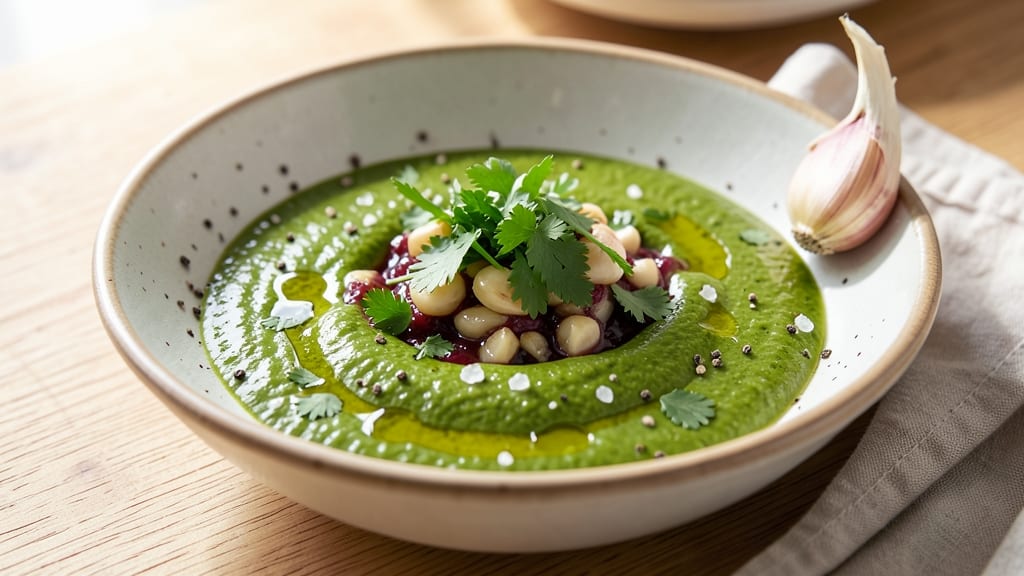
This Argentinian sauce recipe transforms simple ingredients into a vibrant, herb-infused oil with a tangy zing that elevates every bite. The secret lies in finely chopped parsley, garlic, and red wine vinegar blended with high-quality olive oil—creating a sauce that's as versatile as it is flavorful.
What makes it special is the balance of bright acidity and fresh herbs, which cuts through rich grilled meats without overpowering them.
Traditional Argentinian techniques form the foundation, but modern variations allow for customization. Whether you prefer a classic chimichurri or a slightly sweeter salsa criolla, this recipe delivers restaurant-quality results in just 10 minutes of prep.
The sauce keeps well in the refrigerator for up to a week, making it perfect for meal prep or spontaneous gatherings.
What you'll achieve is a sauce that's bold yet refined, with a perfect harmony of garlic, vinegar, and parsley that enhances grilled steaks, empanadas, or even roasted vegetables.
The texture is light yet rich, clinging beautifully to whatever it's drizzled over. This is the kind of sauce that transforms ordinary meals into something extraordinary.
Use it as a finishing touch for grilled meats, a dip for crusty bread, or a marinade for added depth. The possibilities are endless, and the process is straightforward—ideal for both seasoned cooks and beginners looking to add authentic flavor to their dishes.
Ingredients for argentinian sauce
Eight essential ingredients blend into a vibrant Argentinian herb-infused oil with tangy depth.
| Ingredient | Amount | Notes |
|---|---|---|
| Extra-Virgin Olive Oil 🫒 | 1 ½ cups | High quality, fruity, cold-pressed |
| Fresh Flat-Leaf Parsley 🌿 | 1 ½ cups | Stems removed, finely chopped |
| Garlic Cloves 🧄 | 8 cloves | Peeled, minced finely |
| Red Wine Vinegar 🍷 | ⅓ cup | Dry, aged variety |
| Kosher Salt 🧂 | 1 ½ tsp | Fine grain preferred |
| Ground Black Pepper 🌶️ | ½ tsp | Freshly ground preferred |
| Red Chili Flakes 🔥 | ½ tsp | Optional, for heat |
| Lemon Juice 🍋 | 1 tbsp | Freshly squeezed |
The olive oil is non-negotiable—look for extra-virgin with a fruity, peppery finish. Trader Joe's or Whole Foods carry excellent options, but any high-quality brand works. Fresh parsley is key; avoid the dried stuff—it lacks the bright, fresh flavor. The garlic should be freshly peeled and minced, not pre-minced from a jar. Red wine vinegar adds the signature tang; avoid balsamic or apple cider vinegar—they alter the balance. For the best results, use organic garlic and parsley when possible, as they tend to have more robust flavor.
No fresh parsley? Cilantro or basil at half the amount works in a pinch, though the flavor will differ slightly. Running low on red wine vinegar? White wine vinegar or apple cider vinegar can substitute, but reduce to 2 tablespoons—it’s more acidic. Prefer less heat? Skip the chili flakes entirely. The lemon juice brightens everything; bottled lemon juice lacks freshness, so squeeze your own. For a sweeter variation, add 1 teaspoon of honey or maple syrup to the blend. If you’re making this ahead, store the vinegar and lemon juice separately until ready to mix.
This sauce keeps beautifully—up to 1 week in the fridge if stored in a sealed jar with a thin layer of olive oil on top. For longer storage, freeze in ice cube trays for up to 3 months. The flavors meld beautifully over time, making it perfect for meal prep. Always stir before using, as the herbs may settle. Use it as a finishing sauce for grilled meats, a dip for crusty bread, or a marinade for added depth. The sauce pairs exceptionally well with steaks, empanadas, and roasted vegetables, but its versatility makes it a pantry staple.
Why You'll Love This Recipe
- Here’s what sold me: this sauce doesn’t spoil your leftovers—it elevates them. Store it in the fridge for up to a week, and it only gets better, deeper in flavor. I’ve used it to revive dry meat, brighten up stale bread, and even glaze toast. Not the prettiest, but the taste makes up for it.
- No-Fuss Pantry Staples: I swear by this sauce because it’s built on things I already have—olive oil, garlic, vinegar—no exotic shopping trips needed. Honestly, the only fresh thing is parsley, and even that’s just for garnish if you’re feeling fancy.
- Garlic-Kissed Brightness: That moment when you toss in the minced garlic and vinegar? Pure magic. The acidity cuts through the richness while the olive oil keeps it silky, and the parsley ties it all together with a fresh finish—like a bright, zesty hug for any dish.
- Weeknight Workhorse: Between us, this sauce is my secret weapon for busy nights. Drizzle it over grilled chicken, toss it with roasted veggies, or even use it as a marinade—it’s the kind of thing that turns a simple meal into something special without extra effort.
Step-by-step instructions for herb-infused Argentinian sauce
Create this vibrant, aromatic blend that elevates grilled meats and fresh vegetables alike.
Prepare the Herb and Aromatic Base
In a medium saucepan, combine the 1.5 cups of finely chopped fresh flat-leaf parsley with the 8 cloves of minced garlic. This combination forms the aromatic heart of the sauce, where the parsley's bright freshness balances the garlic's intensity. I like to use a heavy-bottomed pan for even heat distribution—this prevents the garlic from burning before the flavors meld.
Gently heat the mixture over low heat for 3-4 minutes, stirring constantly. You'll notice the garlic softens and releases its sweet, mellow aroma while the parsley maintains its vibrant green color. This low-and-slow approach ensures we don't lose any volatile oils that carry the flavor. Remove from heat immediately once the garlic becomes fragrant but hasn't yet started to brown.
Infuse the Olive Oil
Return the saucepan to the heat and add the 1.5 cups of extra-virgin olive oil. Increase the heat to medium-low and let the mixture simmer gently for 8-10 minutes. The oil should shimmer but not bubble vigorously—this gentle infusion allows the parsley and garlic to impart their flavors without turning bitter.
I stir occasionally with a wooden spoon, making sure all the oil comes into contact with the herbs. This step is where the magic happens—the oil absorbs the vibrant green color and aromatic compounds from the herbs. You'll know it's ready when the oil takes on a rich, emerald hue and the parsley begins to wilt slightly but hasn't turned mushy.
Add Acid and Seasoning
Remove the pan from heat and let it cool slightly for 2-3 minutes. This cooling period prevents the vinegar from cooking off its acidity. Then, stir in the 0.33 cup of red wine vinegar, 1 tbsp of freshly squeezed lemon juice, 1.5 tsp of kosher salt, 0.5 tsp of ground black pepper, and 0.5 tsp of red chili flakes (if using).
The acid components brighten the flavor profile while the salt and pepper balance the richness of the oil. I always add the chili flakes last so they distribute evenly throughout the mixture. Give everything a thorough stir to ensure complete integration. The sauce should now have a vibrant green color with flecks of red from the chili flakes.
Strain and Store
Line a fine-mesh strainer with cheesecloth or a coffee filter and place it over a clean bowl or jar. Carefully pour the herb-infused oil through the strainer, pressing gently with a wooden spoon to extract all the flavorful oil while leaving behind any solid herb particles. This step creates a smooth, elegant sauce without any texture.
The resulting sauce should have a rich, emerald color with a delicate balance of herby, garlicky, and tangy flavors. Transfer the strained sauce to a clean glass jar or bottle. For best results, store it in the refrigerator where it will keep for up to 2 weeks. The flavors actually deepen as it sits, making it perfect for drizzling over grilled meats, seafood, or fresh salads.
Pro Tips For Making Argentinian Sauce
- Pulse the Garlic: I learned this the hard way—crushing garlic cloves with the flat side of your knife and letting them sit for 5 minutes in the oil before cooking. The flavor develops deeper, and you won’t end up with bitter, overcooked garlic chunks. (Yes, even if you’re impatient like me.)
- Use Vinegar Last: Add the red wine vinegar right before serving—it brightens the sauce but evaporates quickly when heated. If you toss it in too early, you’ll just end up with a dull, vinegary aftertaste that fights with the olive oil’s richness.
- Salt in Stages: Taste the sauce before the parsley goes in and adjust the salt then—not after. The parsley’s freshness can mask how much you need, and you’ll end up either flat or over-salted. Start with half the recipe’s salt, then fine-tune.
- Toast the Parsley: Give that parsley a quick 10-second sear in the same pan you cook the garlic—just until the edges wilt and the stems turn slightly translucent. It adds a nutty depth that raw parsley can’t match, and it’s easier than you think. (Your future self will notice.)
Serving suggestions for argentinian sauce
Grilled Meat Pairings
This sauce is a game-changer for grilled meats, especially Argentinian favorites like skirt steak or flank steak. Drizzle it over freshly grilled steaks while they're still sizzling—it clings beautifully and adds a bright, herby finish.
I love using it on asado-style grilled ribs too, where the tangy notes cut through the richness. For extra authenticity, serve with provoleta (grilled provolone cheese) and crusty bread. 🔥
Empanada Enhancer
Empanadas are the perfect canvas for this sauce. Use it as a filling for beef empanadas or as a drizzle on top of chicken empanadas before baking. The acidity in the sauce helps balance the richness of the filling.
I also like to brush it on the dough before folding—it adds a lovely aroma as they bake. For a modern twist, try it with sweet potato empanadas for a fusion flavor profile.
Vegetable Elevator
Don't limit this sauce to meats! It transforms roasted vegetables into something extraordinary. Drizzle over grilled asparagus, charred zucchini, or roasted eggplant for a bright, herby finish. I especially love it with grilled portobello mushrooms—the umami flavor pairs perfectly with the tangy sauce.
For a complete meal, serve with crusty sourdough and a simple arugula salad.
Dipping Sauce
This versatile sauce doubles as an incredible dipping sauce. Serve it with fresh mozzarella balls, grilled calamari, or crispy fried plantains. The balance of garlic, herbs, and acid makes it addictive.
I also use it as a marinade for grilled shrimp—just toss them in the sauce for 15-20 minutes before grilling for a burst of flavor. 🌟
Breakfast Twist
Yes, you can use this sauce for breakfast! Drizzle it over grilled eggs (especially fried eggs with runny yolks) or avocado toast for a savory, herby kick.
It also works beautifully with grilled halloumi cheese or smoked salmon on toasted baguette slices. The bright acidity cuts through the richness of breakfast foods perfectly.
Storage and Reuse
Store any leftovers in an airtight glass jar in the fridge for up to 1 week. The flavors actually improve over time, so don't hesitate to make extra. For longer storage, freeze in ice cube trays and transfer to a bag—perfect for quick drizzles later.
I often keep a small jar in my fridge for spontaneous flavor boosts on everything from sandwiches to roasted potatoes. ✨
Nutrition facts
Frequently asked questions
What's the difference between this sauce and chimichurri?
This recipe is a versatile Argentinian herb-infused oil that serves as the foundation for many traditional sauces, including chimichurri. The key difference is that chimichurri typically includes oregano and sometimes red pepper flakes in higher quantities, while this version focuses on parsley and garlic for a brighter, more balanced flavor. Both use olive oil and vinegar as bases, but chimichurri is often thicker and more concentrated.
Can I make this sauce without fresh parsley?
Fresh parsley is essential for authentic flavor, but you can substitute with cilantro or basil at half the amount if needed. For best results, use 1 cup of fresh cilantro or basil instead of the 1.5 cups of parsley. Note that the flavor profile will change slightly—cilantro adds a citrusy note while basil brings a sweeter, more aromatic quality. Dried herbs won't work as they lack the bright freshness.
How do I adjust the heat level in this sauce?
The recipe includes optional red chili flakes for mild heat. For more spice, add 1-2 extra teaspoons of chili flakes or a pinch of cayenne pepper. If you prefer no heat, simply omit the chili flakes entirely. For a smoky depth, add ½ teaspoon of smoked paprika to the oil infusion step. Always taste as you go—you can adjust the heat after straining by adding a few drops of hot sauce if needed.
Can I use this sauce as a marinade?
Yes! This sauce makes an excellent marinade for grilled meats, seafood, or vegetables. For best results, use it for 15-30 minutes on delicate proteins like shrimp or chicken, and up to 2 hours for tougher cuts like steak. The acidity in the vinegar helps tenderize the meat while the herbs infuse flavor. Always pat the protein dry before cooking to ensure a good sear. Never marinate for longer than 4 hours with acidic ingredients.
Why does my sauce smell stronger than it tastes?
This is normal! The herbs release their aromatic oils when heated, creating a strong smell. The taste will be more balanced once the sauce cools and the flavors meld. If the flavor seems weak, try adding 1 extra tablespoon of lemon juice or ½ teaspoon more salt after straining. For more depth, let the sauce sit in the fridge for 24 hours before using—the flavors will develop and harmonize beautifully.