
Sauces & Condiments
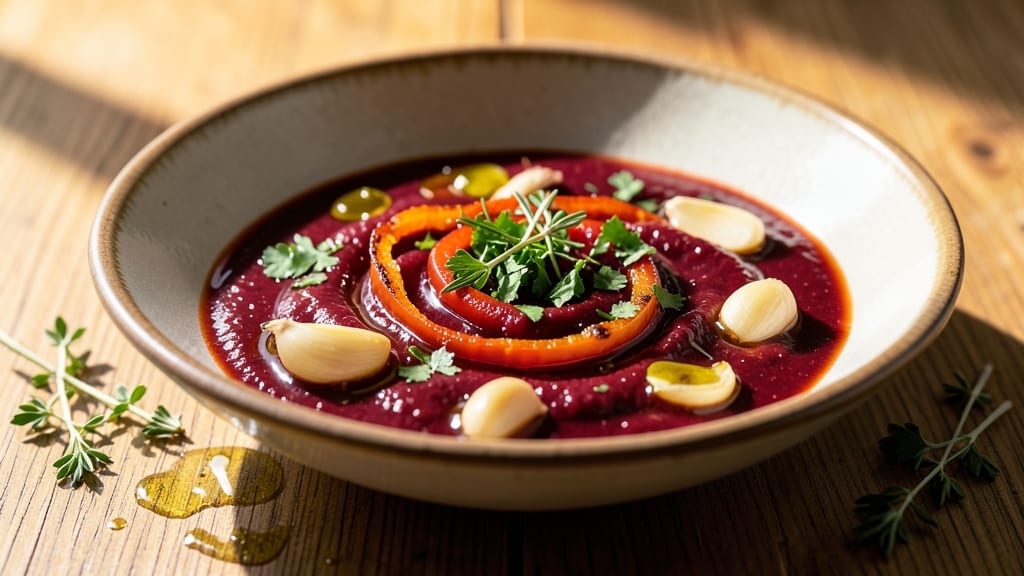
This Argentine tuco sauce recipe transforms humble ingredients into a smoky, vibrant condiment that defines Argentine barbecue culture. Born from the fiery asado tradition, tuco blends roasted peppers, garlic, and herbs into a crispy-edged paste that elevates grilled meats and empanadas alike.
The secret lies in charring the peppers and garlic—this caramelization creates a depth that store-bought sauces can’t match, delivering restaurant-quality flavor with minimal effort.
What sets tuco apart is its dual texture: the crispy garlic bites add a satisfying crunch, while the sauce itself remains silky and aromatic. Unlike chimichurri, tuco’s smoky-sweet profile comes from roasted peppers and a touch of vinegar, balancing heat and acidity.
The recipe uses pantry staples—no specialty ingredients—making it accessible yet unforgettable. Perfect for drizzling over grilled steak, mixing into marinades, or stuffing into empanadas, this sauce turns simple meals into showstopping experiences.
The process is straightforward but critical: roast the peppers and garlic until crispy, then blend with fresh herbs and vinegar for a sauce that’s ready in under 30 minutes. Store it in the fridge for up to a week, where the flavors deepen over time.
Whether you’re hosting an asado or craving a taste of Argentina, this tuco sauce delivers authentic, bold flavor that lingers long after the last bite.
For extra richness, toast the peppers until blackened in spots—this intensifies their smokiness. Use the crispy garlic bites as a garnish for soups or salads, or blend them into the sauce for added texture.
The versatility of tuco makes it a must-have in your sauce arsenal, transforming everyday dishes into something extraordinary.
Ingredients for argentine tuco sauce
Pantry staples meet Argentine tradition—roasted peppers, crispy garlic, and bold herbs create this smoky condiment.
| Ingredient | Amount | Notes |
|---|---|---|
| Red Bell Peppers 🌶️ | 2 whole | Roasted until charred |
| Garlic Cloves 🧄 | 6 whole | Roasted until crispy |
| Fresh Parsley 🌿 | ½ cup | Stems removed, loosely packed |
| Fresh Oregano 🌿 | ¼ cup | Loosely packed, stems removed |
| Red Wine Vinegar 🍷 | ¼ cup | High-quality, dry variety |
| Extra-Virgin Olive Oil 🫒 | ½ cup | Fruity, peppery variety |
| Diamond Crystal Kosher Salt 🧂 | 1 tsp | Fine grain preferred |
| Ground Black Pepper 🌶️ | ½ tsp | Freshly ground preferred |
| Smoked Paprika 🌶️ | 1 tsp | For added smokiness |
| Crispy Garlic Bites 🧄 | ¼ cup | Reserved from roasted garlic |
The peppers and garlic are the foundation—roast them until charred for that signature smoky depth. Red bell peppers work best for their natural sweetness, but roasted red peppers from a jar (like those at Whole Foods) save time. For the garlic, roast whole cloves until crispy at the edges—these become the signature crunch. If you're short on time, toasted garlic powder can substitute at half the amount, though it lacks texture. The herbs should be fresh and vibrant—Italian markets often carry the best parsley and oregano, but grocery store varieties work fine if they're not wilted.
No red wine vinegar? White wine vinegar or apple cider vinegar both work well, though the flavor profile shifts slightly. The olive oil matters—California avocado oil has a neutral taste that won’t overpower, while a robust Spanish olive oil adds extra depth. Swap smoked paprika for regular paprika plus a pinch of cayenne if you want more heat. For extra richness, stir in 1 tablespoon of tahini at the end. The crispy garlic bites can be made ahead and stored in the freezer—just toss them into the sauce when ready to serve.
This sauce keeps beautifully in the fridge for up to 7 days, with flavors deepening over time. For longer storage, freeze in ice cube trays—perfect for adding to dishes later. The crispy garlic bits stay crisp for about 3 days in the fridge, so use them first. If the sauce thickens, simply whisk in a splash of water or vinegar. The sauce pairs perfectly with grilled meats, but also shines on roasted vegetables or as a marinade for chicken or shrimp. Make a double batch—it disappears fast.
Why You'll Love This Recipe
- No-Chop Nightmare: I swear, this sauce only needs one knife—slice those bell peppers into strips, toss them in the pan, and walk away. The garlic? Just crush it with the flat of your knife. Between us, I’ve made it while scrolling through my phone.
- Sun-Dried Tang: That red wine vinegar cuts through the sweetness of the peppers like a bright summer breeze. Honestly, the parsley and oregano finish it with a herbal punch that makes it taste like you slaved over it for hours—not that I ever do.
- Protein’s Best Friend: Slather it on grilled meats, toss it into pasta, or drizzle it over roasted potatoes. I’ve even used it as a marinade for chicken thighs—juicy, sticky, and always a hit. It’s the kind of sauce that turns simple meals into showstoppers.
- Leftovers That Lie: Make a double batch and store it in the fridge for up to a week. I’ll be real: the flavor actually gets better after a day or two as the vinegar mellows out. Plus, it’s cheap—just peppers, garlic, and herbs—and stretches like crazy. My wallet thanks me.
Step-by-step instructions for Argentine tuco sauce
This smoky chimichurri variation delivers bold flavor with a perfect balance of char, garlic, and herby brightness.
🔥 Step 1: Roast the Red Bell Peppers and Garlic Until Charred
Preheat your oven to 450°F and line a baking sheet with parchment paper. Place the 2 whole red bell peppers and 6 whole garlic cloves (peeled but uncut) directly on the sheet. Roast for 25-30 minutes, turning occasionally, until the peppers develop deep char marks and the garlic cloves turn golden brown.
Watch for the peppers to collapse slightly—they should be soft enough to pierce with a fork but still hold their shape. Remove from the oven and let cool slightly before handling. The charred skin will add a smoky depth that's essential to tuco's character. Reserve 0.25 cup of the crispy garlic cloves for garnish later.
👨🍳 Step 2: Char and Prepare the Roasted Vegetables
Once cool enough to handle, remove the skins from the roasted red bell peppers using a paper towel or clean kitchen towel. The skins should slide off easily once charred. Transfer the peeled peppers to a cutting board and roughly chop them into ½-inch pieces. You'll need all of them for the sauce base.
For the remaining 5 garlic cloves, squeeze them through a garlic press or finely mince them by hand. The texture should be smooth but still retain some body. Set aside both the chopped peppers and minced garlic—they're the flavor foundation of your tuco.
🍳 Step 3: Combine Herbs, Vinegar, and Seasonings
In a food processor, combine the 0.5 cup fresh parsley, 0.25 cup fresh oregano, 1 tsp smoked paprika, 1 tsp Diamond Crystal kosher salt, and 0.5 tsp ground black pepper. Pulse until the herbs are finely chopped but still retain some texture—you want visible flecks, not a paste.
Transfer the herb mixture to a medium bowl and add the 0.25 cup red wine vinegar and minced roasted garlic. Stir vigorously with a wooden spoon to fully incorporate all ingredients. The vinegar will brighten the flavors while the garlic adds a deep, roasted sweetness that complements the smoky elements.
🥘 Step 4: Emulsify with Olive Oil for Perfect Texture
With the motor running on low speed, slowly drizzle in the 0.5 cup extra-virgin olive oil through the feed tube of your food processor. This gradual addition creates a silky emulsion rather than a separated dressing. Process for 1-2 minutes until the mixture reaches your desired consistency—it should coat the back of a spoon but still flow easily.
For the final touch, fold in the chopped roasted red peppers and any remaining crispy garlic cloves. Taste and adjust seasoning if needed, adding more vinegar for acidity or salt for balance. The sauce should be vibrant green with deep red streaks from the peppers, and it should smell intensely aromatic with notes of char, garlic, and herbs.
⏰ Step 5: Rest and Serve for Maximum Flavor
Let the tuco sauce rest at room temperature for 15-20 minutes before serving. This resting period allows the flavors to meld completely and the oil to fully emulsify with the vinegar. The sauce will thicken slightly as it sits, developing a more complex taste profile.
Serve immediately over grilled meats, particularly skirt steak or chorizo, where the sauce's bold flavors will shine. The crispy garlic bites add an extra layer of texture that contrasts beautifully with the smooth sauce. For best results, use within 24 hours—the fresh herbs and roasted vegetables maintain their peak quality when used promptly.
Pro Tips For Making Argentine Tuco Sauce
- Char the Peppers Right: Don’t just blister those red bell peppers—get them downright blackened in spots. I used to stop at softening, but now I sear them over high heat until the edges curl and darken. This deepens the smoky-sweet flavor that makes tuco sing.
- Mince the Garlic Fine: Skip the rough chop—this sauce demands garlic that dissolves completely. Use a knife to press and mince it into a paste, not just dice. (Yes, it takes 30 seconds extra, but you’ll taste the difference when the sauce is silky.)
- Balance the Vinegar: Red wine vinegar is non-negotiable, but too much makes tuco taste like a salad dressing. Start with 1 tablespoon per 3 peppers, then taste before adding more. You can always acidify later, but you can’t take it out.
- Toast the Oregano First: Dry-toast the oregano leaves in a pan for 10 seconds before adding them to the sauce. It releases oils and intensifies the herb’s aroma. (I know it sounds fussy, but it’s the upgrade that makes tuco taste like it came from a Buenos Aires kitchen.)
Flavor customization for these flavors
Spicy Heat Boost
For extra kick, add 1-2 tbsp of finely minced habanero or Fresno peppers to the food processor with the herbs. This adds a fruity, fiery heat that pairs perfectly with grilled meats.
If you prefer milder heat, swap for ½ tsp cayenne pepper or 1 tsp gochujang for a smoky-sweet depth. Always taste first—the charred peppers already bring natural smokiness, so balance carefully. 🌶️
Sweet-Smoky Fusion
Balance the smoky-sweet profile by adding 1 tbsp of honey or agave to the vinegar before blending. This creates a caramelized contrast that works beautifully with grilled lamb or pork.
For extra richness, stir in 1 tsp of grated orange zest at the end—it brightens the sauce while adding citrus notes. This variation is perfect for summer grilling sessions.
Creamy Texture Twist
For a velvety texture, blend in 2 tbsp of sour cream or Greek yogurt at the end. This creates a chimichurri-tuco hybrid that's ideal for drizzling over roasted vegetables or as a dip for crusty bread.
The creaminess softens the garlic's bite while keeping the herbaceous brightness. Use full-fat dairy for the best mouthfeel.
Herb Variations
Swap out parsley and oregano for other Mediterranean herbs: try 0.3 cup fresh cilantro and 0.2 cup fresh basil for a brighter, more citrusy profile. For a rustic touch, add 1 tbsp of fresh thyme leaves—this pairs wonderfully with grilled chicken or fish.
Always keep the herb ratio balanced to maintain the sauce's signature intensity.
Smoky Depth Upgrade
Enhance the smokiness by adding ½ tsp of liquid smoke or 1 tsp of smoked salt to the herb blend. This works especially well if you're short on time for roasting.
For a deeper char flavor, use roasted poblano peppers instead of bell peppers—their earthy notes complement the garlic beautifully. Adjust the smoked paprika to ½ tsp if using extra smoked elements.
Acidity Adjustments
Need more tang? Increase the red wine vinegar to 0.35 cup for a sharper bite. For a fruity twist, replace half the vinegar with lemon juice—this brightens the sauce and pairs perfectly with seafood.
If the sauce tastes too acidic, balance it with a pinch more salt or a drizzle of olive oil. The goal is a perfect harmony between smoky, tangy, and herby notes.
Nutrition facts
Frequently asked questions
What's the difference between Argentine tuco sauce and chimichurri?
While both are herb-heavy Argentine condiments, tuco sauce features roasted red peppers and crispy garlic bits for a smoky, slightly sweet depth that chimichurri lacks. Chimichurri is typically just herbs, garlic, and vinegar with olive oil—no roasted vegetables. The charred elements in tuco create that signature smoky flavor that works beautifully with grilled meats like chorizo or skirt steak.
Can I make tuco sauce without roasting the peppers and garlic?
You can, but you'll miss the sauce's defining smoky depth. For a quick version, use 1 cup of roasted red peppers from a jar (drained) and 1 tsp of garlic powder instead. The flavor will be less complex, but still delicious—just add an extra ½ tsp of smoked paprika to compensate. Roasting is worth the effort for that authentic char.
How long does homemade tuco sauce keep, and can I freeze it?
The sauce stays fresh in the fridge for up to 7 days, with flavors actually improving as it rests. For freezing, portion into ice cube trays—thaw in the fridge overnight. The crispy garlic bits stay crisp for 3 days in the fridge, so use those first. The sauce may thicken when frozen, so whisk in a splash of vinegar when ready to use.
What are the best meats to serve with tuco sauce?
Tuco sauce shines on grilled meats like chorizo, skirt steak, and lamb chops. It also works wonderfully as a marinade for chicken or shrimp, or as a filling for empanadas. For vegetarian options, try it with roasted eggplant or grilled halloumi cheese. The smoky-sweet balance makes it versatile for both meat and plant-based dishes.
Why does my tuco sauce look separated?
This usually happens when the oil and vinegar aren't properly emulsified. Fix it by whisking vigorously or blending again with a splash of water. For prevention, always add oil slowly while processing. If the sauce still separates, stir in 1 tsp of Dijon mustard—it acts as a natural emulsifier. The texture should be silky, not oily or watery.