
Sauces & Condiments
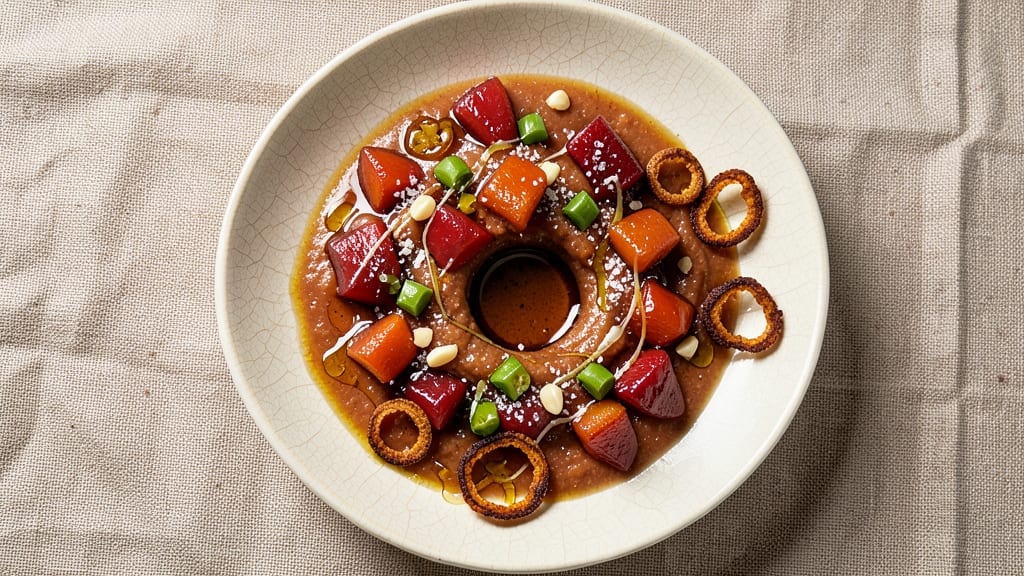
This apricot jalapeño sauce is the perfect marriage of sweet and spicy, designed to elevate everything from grilled meats to cheese boards. The caramelized apricots and fresh jalapeños create a balanced sauce that’s both vibrant and complex, with just the right amount of heat to linger.
I developed this recipe after craving a sauce that could stand up to bold flavors while adding a touch of fruity brightness—it’s become a staple in my kitchen for adding depth to dishes.
The beauty of this sauce lies in its simplicity: just a few key ingredients—ripe apricots, fresh jalapeños, vinegar, and a touch of sugar—simmered together until the flavors meld into a smooth, glossy consistency. The process is straightforward, but the result is anything but basic.
The jalapeños add a bright, slightly smoky heat, while the apricots bring a natural sweetness that rounds out the flavor profile, making it versatile enough for grilling, dipping, or drizzling over tacos.
What makes this sauce truly special is its ability to transform ordinary dishes into something extraordinary. A drizzle over grilled chicken or steak adds a sticky-sweet contrast to smoky flavors, while it also works as a bold dip for chips or a zesty addition to charcuterie boards.
The sauce keeps well in the fridge for up to two weeks, so you can make a batch ahead and enjoy it throughout the week without any fuss.
Whether you're looking to add a little heat to your meals or just want a unique sauce to impress guests, this apricot jalapeño blend delivers. The balance of sweet and spicy is foolproof, and the process is quick enough to make on a weeknight.
Let’s get started—your taste buds will thank you.
Ingredients for apricot jalapeno sauce
Five ingredients transform into this vibrant, sweet-spicy sauce that’s perfect for grilling or dipping.
| Ingredient | Amount | Notes |
|---|---|---|
| Fresh Jalapeños 🌶️ | 4 whole | Seeds removed for mild heat |
| Ripe Apricots 🍑 | 1 ½ cups | Pitted and chopped (fresh or canned) |
| Red Wine Vinegar 🍷 | ¼ cup | Bold and dry preferred |
| Granulated Sugar 🍚 | ¼ cup | Adjust for preferred sweetness |
| Extra-Virgin Olive Oil 🫒 | ¼ cup | For richness and gloss |
| Garlic Cloves 🧄 | 3 cloves | Minced for depth of flavor |
| Salt 🧂 | ½ tsp | Kosher or sea salt |
| Ground Black Pepper 🌶️ | ¼ tsp | Freshly ground preferred |
| Fresh Lime Juice 🍋 | 1 tbsp | Brightens the sauce |
| Fresh Cilantro 🌿 | ¼ cup | Chopped, for garnish (optional) |
The jalapeños are the star here—pick firm, bright green ones for maximum heat. Whole Foods or local markets usually carry the freshest, but any grocery store will do. If you can’t find ripe apricots, canned apricots in juice work perfectly (just drain them). The red wine vinegar adds depth, so grab a bottle you’d actually drink—Trader Joe’s has a great affordable option. Sugar balances the heat, but feel free to adjust based on how sweet your apricots are. I always toast my garlic cloves in the olive oil for a few minutes first—it adds a nutty depth that’s totally worth the extra minute.
No jalapeños? Serrano peppers or chipotle powder (half a teaspoon) will give you a similar kick. Short on apricots? Peaches or mangoes work in a pinch, though they’ll change the flavor profile slightly. Vinegar substitute? Apple cider vinegar or balsamic both work, but the sauce will taste different. The cilantro is optional, but I always add it—it freshens up the sauce beautifully. If you’re sensitive to heat, remove the jalapeño seeds before chopping. For a smoother sauce, blend everything after simmering instead of leaving it chunky.
This sauce keeps for 2 weeks in the fridge, sealed in an airtight jar. The flavors actually improve over time, so make a big batch. Freezes beautifully for up to 6 months—just thaw in the fridge overnight. I like to use small jars so I can grab one for quick meals. If it thickens too much, stir in a splash of water or vinegar to loosen it up. The sauce pairs perfectly with grilled meats, tacos, or as a dip for chips—just drizzle it everywhere.
Why You'll Love This Recipe
- Minimal Chopping Required: I swear by this—just slice the jalapeños, halve the apricots, and toss them in a pot. No dicing, no mincing, no fuss. That red wine vinegar does the work of brightening everything while you’re still deciding what to have for dinner.
- Sweet Heat Magic: The way the caramelized apricots melt into the jalapeños’ slow simmer? It’s like a grown-up salsa—tangy, fruity, with just enough kick to linger. Honestly, I’ll take this over store-bought sauce any day, especially when it’s fresh and warm.
- Dresses Up Everything: Slather it on grilled chicken, drizzle it over tacos, or toss it with roasted veggies—it’s my go-to for turning simple meals into something special. Even a basic charcuterie board feels fancier with this in the mix.
- Makes Leftovers Worth It: This sauce actually improves the next day. The flavors meld even deeper, and it keeps for weeks in the fridge. Between us, I’ve used a batch from last summer to top my Thanksgiving turkey—yes, really. Budget-friendly? Absolutely. Versatile? Even more so.
Step-by-step instructions for apricot jalapeño sauce
This vibrant sauce comes together in minutes with a perfect balance of sweet and heat.
Prepare the Jalapeños and Apricots
Start by cutting the 4 whole fresh jalapeños in half lengthwise and remove the seeds and membranes for a milder heat. Finely dice the jalapeño flesh into small pieces—about ¼-inch cubes. In a separate bowl, chop the 1.5 cups ripe apricots into similar-sized pieces, removing pits first if using fresh fruit. The apricots should be soft enough to break down easily during cooking, so if using canned, drain them well before chopping.
I like to work quickly here—once you start cooking, the flavors develop fast. Keep the chopped jalapeños and apricots separate for now; we'll combine them in the next step. If you're using fresh cilantro for garnish, give it a quick rinse and pat dry before chopping the ¼ cup into small pieces for later.
Cook the Base Ingredients
Heat the ¼ cup extra-virgin olive oil in a medium saucepan over medium heat. Once the oil shimmers, add the diced jalapeños and cook for 3-4 minutes, stirring occasionally, until they begin to soften slightly and release their oils. This step draws out their natural sweetness and mellows the heat just enough to balance the apricots.
Add the chopped apricots, ¼ cup red wine vinegar, and ¼ cup granulated sugar to the pan. Stir well to combine everything, then bring the mixture to a gentle simmer. Let it cook uncovered for 8-10 minutes, stirring occasionally, until the apricots break down and the sauce thickens slightly. You'll know it's ready when the mixture reduces enough to coat the back of a spoon and the colors deepen to a rich amber.
Add Garlic and Seasonings
While the apricot mixture simmers, mince the 3 garlic cloves into a fine paste. When the sauce reaches a gentle simmer, add the garlic, ½ teaspoon salt, and ¼ teaspoon ground black pepper. Stir well and let it cook for another 2-3 minutes until the garlic is fragrant but not browned—this prevents bitterness and adds a subtle depth to the sauce.
Here's where the magic happens: taste the sauce and adjust the sweetness or heat to your preference. If it needs more sweetness, add a pinch more sugar. For extra heat, stir in a tiny bit of the reserved jalapeño seeds. The sauce should have a bright, tangy sweetness with a gentle kick of heat—like a perfect balance between summer fruit and a little spice.
Finish with Lime and Rest
Remove the pan from heat and stir in the 1 tablespoon fresh lime juice. The acidity brightens the flavors and cuts through the richness of the olive oil. Let the sauce sit off the heat for 5 minutes to allow the lime to fully integrate. This resting step is crucial—it lets the flavors meld and the sauce thicken slightly, giving it a glossy, velvety texture.
For serving, stir in the chopped cilantro if using. The herbs add a fresh, herbal note that complements the sweet and spicy profile. If you prefer a smoother texture, strain the sauce through a fine-mesh sieve to remove any remaining apricot skins or jalapeño pieces. The sauce is best served at room temperature, so let it cool slightly before using it for dipping, drizzling over grilled meats, or pairing with cheese boards.
Pro Tips For Making Apricot Jalapeno Sauce
- Char the Jalapeños: Toss whole jalapeños in a dry skillet over medium-high heat for 2-3 minutes per side until blackened in spots—this deepens their smoky flavor and mellows the heat. I used to just chop them raw, but charring makes the sauce sing, even if it looks dramatic.
- Pit and Dice Apricots: Remove pits with a butter knife (yes, it’s messy but faster than a pitter) and cut apricots into even ¼-inch dice—consistent size ensures they cook uniformly and don’t turn to mush. Uneven pieces mean some parts stay raw while others turn to jam.
- Simmer Low and Slow: Reduce heat to a bare simmer once the sauce starts to thicken—boiling burns sugar and makes the vinegar taste harsh. I learned this after one batch turned bitter; now I keep it at a whisper of a bubble.
- Balance the Vinegar: Add vinegar gradually, tasting as you go—start with 1 tablespoon, then adjust. Too much upfront makes the sauce sharp and unbalanced, while a slow build lets the sweetness and heat shine. (Your first attempt will likely need more sugar—embrace it.)
Wine and beer pairings for this dish
White Wine Pairings
A crisp Italian Pinot Grigio from Alto Adige is my go-to choice—its bright acidity and citrus notes mirror the sauce’s lime finish while cleansing your palate between bites. Look for a bottle with 12-13% ABV like Santa Margherita or Traminer for a slightly floral contrast.
The wine’s mineral undertones complement the apricot’s natural sweetness without overpowering the jalapeño’s heat. 🍷
For a bolder option, try a dry Riesling from Germany’s Mosel region. The wine’s honeyed apricot notes harmonize beautifully with the sauce’s fruity depth, while its natural acidity balances the spice.
I love Dr. Loosen Blue Slate—it’s slightly off-dry enough to stand up to the sauce’s complexity without cloying sweetness.
Red Wine Options
A light-bodied Spanish Garnacha (Grenache) with 13-14% ABV works surprisingly well, especially if it’s aged in neutral oak. Brands like Bodegas Muga offer vibrant red fruit flavors that echo the sauce’s apricot notes while the wine’s subtle earthiness grounds the heat.
Serve slightly chilled (55-60°F) to enhance its freshness. 🍇
Beer Pairings
For beer lovers, a Mexican-style lager like Modelo Especial or Pacifico offers the perfect balance—its crisp, clean finish cuts through the sauce’s richness while the malt sweetness complements the apricot. The beer’s subtle carbonation also helps refresh your palate between spicy bites. 🍺
Craft beer enthusiasts should try a wheat beer with a touch of citrus, like Allagash White. The beer’s coriander and orange peel notes enhance the sauce’s lime and jalapeño flavors, creating a refreshing, balanced pairing.
For a darker option, a Belgian Dubbel with 10-11% ABV adds caramelized depth that mirrors the sauce’s caramelized apricots.
Non-Alcoholic Options
Sparkling ginger beer from Feani or BrewDog adds effervescence that cleanses the palate while the ginger’s spice echoes the jalapeño. For a fruitier alternative, try San Pellegrino Aranciata—its blood orange flavor complements the apricot’s sweetness beautifully. 🥤
A hibiscus iced tea with a splash of lime juice offers a refreshing, tangy contrast. Brew loose-leaf hibiscus tea, chill it, and serve over ice with 1 tablespoon lime juice per glass. The tartness balances the sauce’s sweetness, making it a perfect palate refresher.
Nutrition facts
Frequently asked questions
Can I use canned apricots instead of fresh?
Canned apricots work perfectly and save time. Just drain them well before chopping to avoid excess liquid in your sauce. The texture will be slightly softer, but the flavor remains rich and sweet. For extra depth, choose apricots packed in light syrup rather than water.
How can I adjust the heat level in this sauce?
For milder heat, remove all jalapeño seeds and membranes before dicing. For extra spice, add a pinch of cayenne or a dash of hot sauce at the end. If you love heat, you can also blend in a small amount of the reserved jalapeño seeds after cooking. Always taste as you go!
What are the best ways to use this sauce?
This versatile sauce shines as a dip for chips, a glaze for grilled meats (especially chicken or pork), or a drizzle over tacos and nachos. It also elevates cheese boards when paired with sharp cheeses like Manchego or aged cheddar. Try it as a marinade for shrimp or as a topping for roasted vegetables!
Can I make this sauce without vinegar?
While vinegar adds depth, you can substitute with lemon juice or orange juice for brightness. Use ¼ cup total and adjust to taste. The sauce will be slightly less tangy but still delicious. For a richer alternative, try a splash of balsamic vinegar (just 1 tablespoon) for a deeper flavor.
Why did my sauce turn out too thick?
Sauces thicken as they cool, but if yours is too thick, stir in 1-2 tablespoons of water or vinegar to loosen it. For a smoother texture, blend the sauce after simmering. If you prefer it chunky, just leave it as is—the natural breakdown of apricots creates a beautiful, rustic texture perfect for drizzling.