
Sauces & Condiments
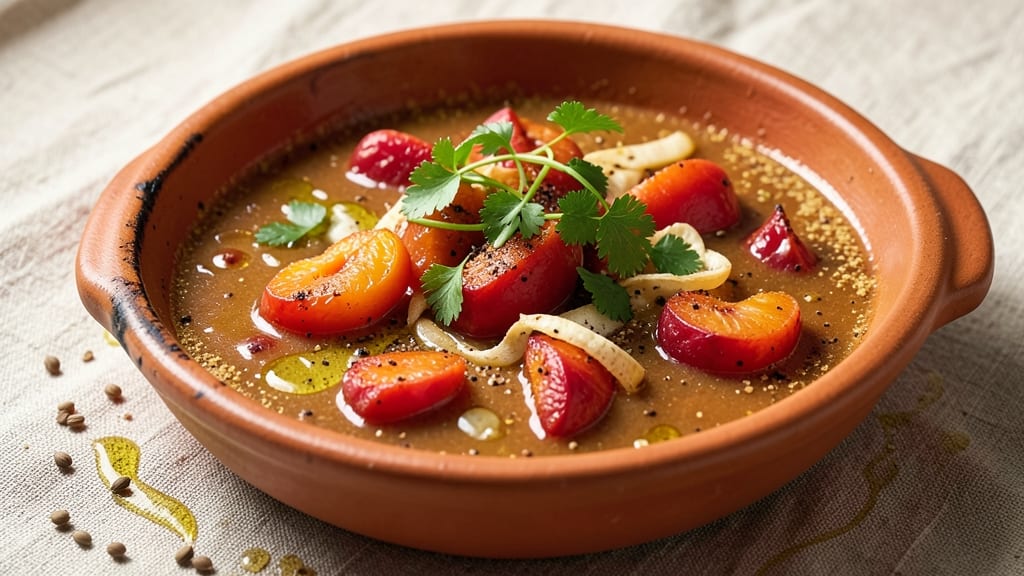
This apricot and coriander tagine sauce recipe transforms ordinary meals into vibrant Moroccan-inspired dishes with just 30 minutes of effort. The sweet-tart balance of dried apricots and bright coriander creates a sauce that's rich yet refreshing, perfect for drizzling over grilled lamb, roasted vegetables, or couscous.
I developed this recipe after years of experimenting with tagine flavors, and it's become a staple in my kitchen for its versatility and depth.
The secret lies in slow simmering the spices—cumin, cinnamon, and ginger—to release their aromatic oils before adding the apricots and coriander. This method builds layers of flavor without overpowering the natural sweetness of the fruit.
The sauce thickens beautifully as it cooks, creating a velvety consistency that clings to every bite. Unlike store-bought versions, this one delivers authentic Moroccan warmth with a touch of freshness.
What makes this sauce truly special is its ability to elevate simple ingredients into something extraordinary. The dried apricots add natural sweetness, while the coriander brings a bright, citrusy note that cuts through the richness.
A splash of orange juice at the end ties everything together, balancing the spices with a subtle tang. The result is a sauce that's as beautiful as it is delicious—golden, fragrant, and impossible to resist.
This recipe yields enough sauce for 4-6 servings, making it ideal for meal prep or entertaining. Store it in the fridge for up to 5 days or freeze for longer shelf life.
Whether you're serving it over grilled chicken, drizzling it on flatbread, or using it as a marinade, this sauce will transport your dishes straight to the souks of Marrakech.
Ingredients for apricot and coriander tagine sauce
Moroccan spices meet sweet apricot and bright coriander for this aromatic sauce masterpiece.
| Ingredient | Amount | Notes |
|---|---|---|
| Dried Apricots 🍑 | 1 cup | Chopped into small pieces |
| Fresh Coriander Leaves 🌿 | ½ cup | Stems removed, loosely packed |
| Ground Cumin 🌶️ | 1 ½ tbsp | Toasted for deeper aroma |
| Ground Cinnamon 🌿 | 1 tsp | High-quality Ceylon preferred |
| Fresh Ginger Root 🧄 | 2 tbsp | Finely grated, organic preferred |
| Extra-Virgin Olive Oil 🫒 | ½ cup | Lightly fruity variety |
| Orange Juice 🍊 | ¼ cup | Freshly squeezed, no pulp |
| Vegetable Stock 💧 | 1 cup | Low-sodium preferred |
| Honey 🍯 | 1 tbsp | Wildflower preferred |
| Diamond Crystal Kosher Salt 🧂 | ½ tsp | Adjust to taste |
The spices are the foundation—toast the cumin seeds in a dry pan for 30 seconds before grinding to unlock their full aroma. Ceylon cinnamon adds warmth without bitterness, while fresh ginger brings a zesty kick that balances the sweetness. For the best quality, source spices from Penzeys Spices or the bulk bins at Whole Foods, where they're protected from light and air. The dried apricots should be plump and moist, not brittle—check the package date and store them in an airtight container. Fresh coriander is non-negotiable here; dried lacks the bright citrusy note this sauce needs.
No fresh coriander? Cilantro works in a pinch, but reduce to half the amount. Substitute honey with maple syrup for a vegan version, though the flavor will be slightly less complex. Running low on orange juice? Lemon juice at half the amount adds tang but lacks the sweetness. For extra depth, add a pinch of ground cardamom—it pairs beautifully with the apricots. The vegetable stock can be swapped for water plus 1 tsp soy sauce for umami, though it won't be as rich. Always toast your spices—this step is worth the extra minute for maximum flavor.
This sauce thickens as it cools, so stir in extra vegetable stock if it's too thick for your liking. Store in a sealed glass jar in the fridge for up to 5 days, with a thin layer of olive oil on top to preserve freshness. Freezes beautifully for 3 months—portion into ice cube trays for easy single-use servings. The sauce develops even more depth overnight, so making it ahead is ideal. Reheat gently on low to maintain its velvety texture.
Why You'll Love This Recipe
- I swear by this shortcut: just tear those dried apricots and chop the coriander stems—no fancy knife work. The ginger gets zinged with a microplane in seconds, and the spices? Just measure once, stir it all in.
- No Chopping Needed: I swear by this shortcut: just tear those dried apricots and chop the coriander stems—no fancy knife work. The ginger gets zinged with a microplane in seconds, and the spices? Just measure once, stir it all in.
- Sweet-Spicy Magic: That caramelized apricot jam with warm cinnamon and earthy cumin? It’s like a hug in sauce form. The fresh coriander brightens it up, and the ginger adds a little kick that makes every bite unforgettable.
- Dinner Party Ready: Slather it over grilled chicken for a restaurant-worthy dish, or drizzle it on couscous for a crowd. Honestly, it’s the kind of sauce that makes you look like a pro—even if you’re just heating a pot.
Step-by-step instructions for apricot, coriander, and tagine sauce
This Moroccan-inspired sauce balances sweet, tart, and aromatic elements with precise technique.
Toast the Spice Blend for Depth
Heat a dry skillet over medium-low heat and add the 1.5 tablespoons ground cumin and 1 teaspoon ground cinnamon. Toast for 1-2 minutes until the spices release their aroma and become slightly fragrant—you'll smell that warm, earthy cumin and sweet cinnamon. This step develops their flavors far beyond what you'd get from raw spices.
Remove the pan from heat immediately to prevent burning. Let the spices cool for 30 seconds, then transfer to a small bowl. Here's the thing—over-toasting turns spices bitter, so watch closely. The moment they're fragrant but not darkening is perfect. I've found that Ceylon cinnamon adds a more delicate floral note compared to cassia, which can be overpowering.
Sauté Ginger and Rehydrate Apricots
In a medium saucepan, heat 0.5 cup extra-virgin olive oil over medium heat. Add the 2 tablespoons finely grated fresh ginger root and cook for 30 seconds until it becomes aromatic but doesn't brown. Add the 1 cup chopped dried apricots and 1 cup vegetable stock, then bring to a gentle simmer.
Simmer uncovered for 8-10 minutes until the apricots have softened and the liquid reduces by about one-third. You're looking for apricots that break down easily when pressed between fingers but still hold their shape. This reduction concentrates their sweetness and creates a jam-like texture that's essential for the sauce's balance.
Build the Sauce with Acid and Sweetness
Reduce heat to low and stir in the 0.25 cup freshly squeezed orange juice and 1 tablespoon honey. Simmer for another 3-4 minutes until the sauce thickens slightly and the orange juice's acidity brightens the flavors. This is where the sauce comes together—you want a balance where the sweetness of apricots and honey is cut by the orange's acidity without being overpowering.
Add the toasted spice blend and 0.5 teaspoon kosher salt, stirring constantly for 1 minute to fully incorporate. Taste and adjust—you might need a touch more salt or honey depending on your apricots' sweetness. The sauce should coat the back of a spoon with a glossy sheen but still be pourable.
Finish with Fresh Coriander
Remove the sauce from heat and stir in the 0.5 cup fresh coriander leaves (stems removed). Let it steep for 2 minutes—this infuses the sauce with bright, citrusy notes that cut through the richness. The coriander should wilt slightly but remain vibrant in color.
For the best texture, strain the sauce through a fine-mesh sieve if you prefer a smoother consistency, or leave it slightly chunky for more visual appeal. I like to serve this sauce immediately over grilled chicken or lamb, where its complex flavors can shine. The coriander adds that final fresh element that makes the dish feel vibrant and complete.
Pro Tips For Making Apricot And Coriander Tagine Sauce
- SOAK THE APRICOTS: I learned this the hard way—dried apricots straight from the jar won’t soften properly, no matter how long you simmer. Toss them in warm water for at least 20 minutes first, then drain before adding to the sauce. They’ll break down faster and release that jammy sweetness instead of stubbornly clinging to their dried texture.
- TOAST THE SPICES: Skip the pre-ground stuff—whole cumin seeds and cinnamon sticks toasted in the pot for 30 seconds before adding liquid make a real difference. The aroma jumps off the pan, and you’ll taste a depth you won’t get from jarred spices. Just don’t walk away; watch them like a hawk or they’ll burn before you know it.
- STRAIN THE CORIANDER: Fresh coriander leaves add brightness, but their stems and any sand or grit from the stems can turn your sauce gritty. Give them a quick rinse, then strain them through a fine-mesh sieve before adding to the pot. It’s a pain, but your sauce will taste cleaner—no one wants a mouthful of leafy bits when they’re trying to enjoy the sauce.
- LOW AND SLOW: This isn’t the time to rush. Simmer the sauce on low heat for at least 15-20 minutes after everything’s combined—it’s the only way the flavors meld properly. I used to speed it up, and the result was always flat and one-dimensional. Patience here guarantees a sauce that’s rich, cohesive, and actually tastes like it belongs together.
Creative variations of apricot and coriander tagine sauce
Moroccan Lamb Tagine
Transform this sauce into a complete meal by using it as the base for a Moroccan lamb tagine. Start with 2 pounds bone-in lamb shoulder cut into chunks, then brown in a tagine or heavy Dutch oven with 2 tablespoons olive oil over medium-high heat.
Add 1 large onion, quartered and 3 garlic cloves, smashed, cooking until golden. Pour in 2 cups water and simmer for 1 hour until tender. Stir in 1.5 cups of the apricot-coriander sauce, cover, and cook for 30 more minutes on low heat.
Finish with ½ cup chopped toasted almonds and fresh coriander. 🌟
Grilled Chicken with Apricot Glaze
Marinate 4 bone-in chicken thighs in ½ cup of the sauce plus 1 tablespoon olive oil for at least 2 hours (or overnight). Grill over medium heat for 6-8 minutes per side, basting with extra sauce.
The caramelized exterior contrasts beautifully with the tender, saucy interior. Serve with warm flatbread and a side of roasted cauliflower. For extra flair, sprinkle with crushed pistachios before serving. 🍗
Roasted Vegetable Bowl
Toss 2 cups chopped eggplant, 1 zucchini, and 1 red bell pepper with 2 tablespoons olive oil, 1 teaspoon smoked paprika, and ½ teaspoon salt. Roast at 400°F for 25 minutes until tender.
Drizzle with ½ cup of the sauce and top with ¼ cup crumbled feta and extra coriander. This vegetarian dish is packed with Moroccan-inspired flavors and perfect for meal prep. Store components separately and assemble when ready to eat. 🥕
Couscous Elevation
Cook 1 cup couscous according to package instructions, then fluff with a fork. Stir in ½ cup of the sauce and fold in ½ cup chopped toasted pine nuts and ¼ cup dried cranberries. For extra richness, top with poached chicken or grilled shrimp.
This dish is ideal for lunchboxes or potlucks—just pack the sauce separately and mix before serving. The sauce’s sweet-tart balance makes every bite irresistible. 🍚
Spiced Yogurt Dip
For a lighter variation, blend 1 cup plain Greek yogurt with ½ cup of the sauce and 1 tablespoon lemon juice. Thin with water if needed for a dippable consistency. Serve with warm pita, cucumber slices, or roasted chickpeas.
This dip is perfect for game day or as a refreshing appetizer. Garnish with extra coriander and a drizzle of olive oil for a restaurant-worthy touch. 🥄
Sweet-Savory Flatbread
Spread ½ cup of the sauce on a homemade or store-bought flatbread, then top with ¼ cup crumbled goat cheese, 2 tablespoons chopped walnuts, and a sprinkle of flaky sea salt.
Fold into a triangle and bake at 375°F for 10-12 minutes until crispy. This fusion of sweet and savory makes an unforgettable snack or appetizer. Double the batch for a crowd—it disappears fast! 🥖
Nutrition facts
Frequently asked questions
Can I substitute dried apricots with fresh ones?
Fresh apricots won't work the same way—they lack the concentrated sweetness and jam-like texture dried apricots provide. If you're desperate, try dried plums (prunes) or dried peaches instead, as they offer similar caramelization when simmered. For fresh apricots, you'd need to blend them into a purée and reduce it significantly to mimic the dried fruit's effect.
How do I adjust this sauce for a vegetarian diet?
This sauce is already vegetarian-friendly! Simply omit any meat components when using it as a glaze or marinade. For extra protein, pair it with chickpeas, lentils, or tofu in dishes like the roasted vegetable bowl. The sauce's richness comes from the dried apricots, spices, and olive oil—not animal products.
What's the best way to store leftovers?
Store in an airtight glass jar in the fridge for up to 5 days, with a thin layer of olive oil on top to preserve freshness. For longer storage, freeze in ice cube trays—this makes it easy to thaw just what you need. When reheating, warm gently on low heat or in the microwave with a splash of water to maintain its velvety texture.
Why does my sauce taste too sweet?
Too much sweetness usually means either the apricots were overly ripe or you added too much honey. Balance it by stirring in 1-2 tablespoons orange juice or lemon juice to cut the sweetness with acidity. For extra depth, add a pinch of ground cardamom—it enhances the apricot flavor without adding sweetness.
Can I make this sauce without a tagine?
A heavy-bottomed saucepan or Dutch oven works perfectly. The key is low-and-slow cooking to develop the flavors. Just be sure to simmer uncovered for proper reduction. For extra authenticity, use a cast-iron skillet—it creates beautiful caramelized edges when you deglaze with orange juice at the end.