
Sauces & Condiments
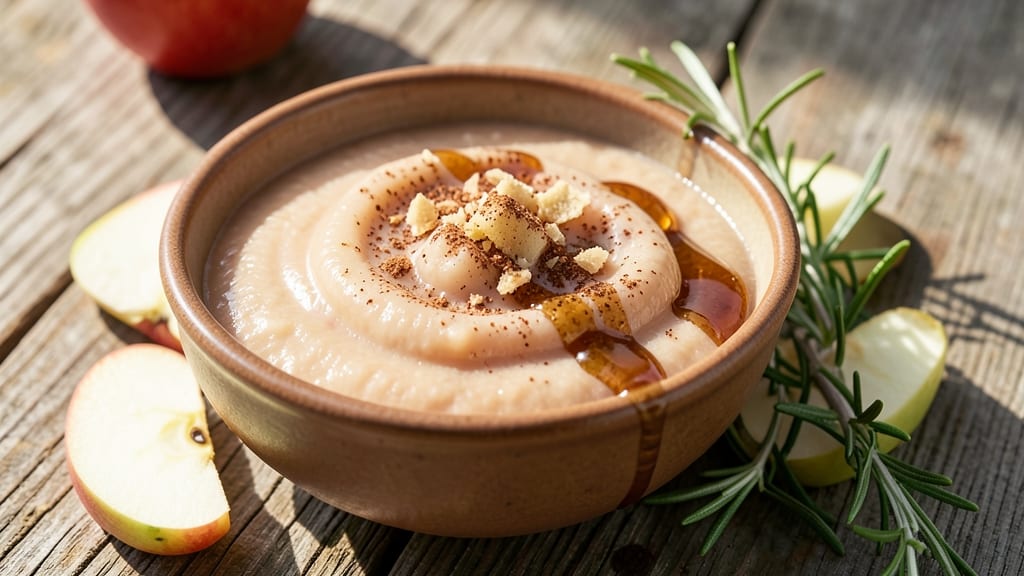
This bright, tangy applesauce recipe with apple cider vinegar transforms a classic pantry staple into a versatile condiment perfect for glazes, dips, or topping roasted dishes.
The apple cider vinegar adds a sharp contrast to the sweetness, creating a balanced flavor that elevates everything from pork tenderloin to fresh fruit salads. Unlike traditional applesauce, this version stays fresh longer and delivers a complex taste profile that works in both sweet and savory applications.
The beauty of this recipe lies in its simplicity—just a few ingredients, minimal effort, and no added sugar. Simmering apples with vinegar and a touch of cinnamon (or other spices) creates a smooth, vibrant sauce that’s far more dynamic than store-bought versions.
The vinegar not only enhances flavor but also acts as a natural preservative, keeping your applesauce fresh for up to two weeks in the refrigerator.
What sets this applesauce apart is its versatility—use it as a glaze for roasted meats, a tangy dip for pretzels or veggies, or a topping for oatmeal and pancakes. The texture is silky-smooth, with just the right balance of sweetness and acidity to complement a wide range of dishes.
Whether you’re meal prepping or whipping up a last-minute sauce, this recipe delivers restaurant-quality results with minimal fuss.
For extra depth, consider adding fresh herbs like thyme or rosemary while simmering, or a pinch of ginger for warmth. The possibilities are endless, but the base recipe remains foolproof—perfect for both beginners and seasoned cooks alike. Let’s get started on creating your own batch of this vibrant, tangy applesauce.
Ingredients for applesauce recipe with apple cider vinegar
Six simple ingredients transform into a vibrant, tangy applesauce perfect for glazes and dips.
| Ingredient | Amount | Notes |
|---|---|---|
| Apples (Granny Smith or Honeycrisp) 🍎 | 4 medium | Peeled, cored, chopped |
| Apple Cider Vinegar 🍏 | ¼ cup | Raw, unfiltered preferred |
| Water 💧 | ½ cup | Filtered or bottled |
| Cinnamon 🌿 | 1 tsp | Ground, for warmth |
| Ground Ginger 🌶️ | ½ tsp | Freshly grated preferred |
| Maple Syrup 🍯 | 2 tbsp | Grade B for depth |
| Salt 🧂 | ¼ tsp | Sea salt preferred |
| Fresh Thyme Leaves 🌿 | 2 tsp | Or 0.5 tsp dried |
The apples are the foundation—Granny Smith for tartness or Honeycrisp for sweetness, but any firm variety works. Trader Joe's or local orchards often have great deals on bulk apples, and organic is ideal if you're concerned about pesticides. The apple cider vinegar should be raw and unfiltered for maximum flavor—Bragg or Texas Pete are reliable brands. Fresh ginger and thyme elevate the sauce, but dried spices work in a pinch if you're short on time. For the maple syrup, Grade B has more depth than Grade A, but any pure maple will do.
No fresh thyme? Dried thyme at one-third the amount keeps the flavor. Short on apples? Substitute pears or a mix of apple and pear for subtle variation. The maple syrup can be swapped for agave nectar or date syrup, though maple's caramel notes are ideal. If you prefer a smoother texture, blend the apples before simmering. For extra tang, increase the apple cider vinegar by 1 tbsp. The cinnamon and ginger are flexible—reduce to 0.25 tsp each if you're sensitive to spice.
This applesauce keeps beautifully—2 weeks refrigerated in an airtight jar. For longer storage, freeze in ice cube trays for single-use portions. The vinegar acts as a natural preservative, so it stays fresher than traditional applesauce. Use it as a glaze for roasted vegetables or meats, a dip for pretzels, or a topping for oatmeal. The texture will thicken as it cools, so thin with water if needed. Double the batch—it disappears fast!
Why You'll Love This Recipe
- No Peel, No Stress: I swear by Granny Smiths here—toss them whole into boiling water with skins on, and they soften perfectly. The vinegar’s tang cuts through any bitterness, so you skip the peeling entirely. (Yes, even when my toddler “helps” and dumps the bag of apples in the pot.)
- Tangy-Spiced Magic: That splash of apple cider vinegar? It’s the secret weapon—brightens the sweetness while the cinnamon and ginger add warmth without overpowering. Honestly, it’s the kind of flavor that makes you reach for a second spoonful before you even finish the first.
- Lunchbox Hero: Pack it in jars for school lunches or work snacks—it stays fresh for days and tastes better than store-bought. My kids swap it for juice now, and my husband sneaks bites straight from the fridge. (Between us, he’s not fooling anyone.)
- Pantry Staple Power: You’re using apples you’d normally toss, a splash of vinegar you already own, and spices that cost pennies. It’s the ultimate “I’ve got nothing” recipe—yet somehow, it feels like a treat. Leftovers? Just reheat or eat cold. No rules.
Step-by-step instructions for applesauce with apple cider vinegar
This bright, tangy applesauce delivers restaurant-quality flavor for glazes and dips.
🍳 Step 1: Cook Apples Until Soft
Combine the peeled, cored, and chopped 4 medium Apples (Granny Smith or Honeycrisp) with the 0.5 cup Water in a medium saucepan. Bring to a boil over medium-high heat, then reduce to medium-low heat and simmer uncovered for 15-20 minutes. Stir occasionally to prevent sticking—you'll know they're ready when a fork slides in easily and the apples break down completely.
For best results, I use a wooden spoon to gently press the apples against the pan sides every few minutes. This helps release their natural juices and speeds up the cooking process. Avoid mashing too early, as the texture needs to develop fully for that perfect smooth consistency.
👨🍳 Step 2: Add Vinegar and Sweeteners
Once the apples are tender, stir in the 0.25 cup Apple Cider Vinegar, 2 tbsp Maple Syrup, 1 tsp Cinnamon, and 0.5 tsp Ground Ginger. The vinegar will brighten the flavor while balancing the sweetness, creating that signature tangy twist. Let the mixture simmer for an additional 5 minutes on medium heat, stirring occasionally to combine all the ingredients evenly.
Here's the thing—don't rush this step. The vinegar needs time to mingle with the apples and develop that complex flavor profile. You'll notice the mixture thicken slightly as it simmers, which is exactly what we want for a glossy, dip-ready applesauce.
🥘 Step 3: Season and Finish
Remove the saucepan from heat and stir in the 0.25 tsp Salt and 2 tsp Fresh Thyme Leaves. The thyme adds an earthy depth that pairs beautifully with the sweet-tart combination. Let the applesauce cool for 10 minutes at room temperature before transferring it to a clean jar or bowl. This resting period allows the flavors to meld completely and the texture to set properly.
For a smoother finish, I like to press the applesauce through a fine-mesh sieve to remove any remaining skin or seeds. This step ensures a silky texture perfect for drizzling over roasted meats or using as a dip for fresh fruit. The final product should have a vibrant color with a balance of sweet, tangy, and spiced notes.
⏰ Step 4: Store and Use
Transfer the cooled applesauce to an airtight container and refrigerate for up to 1 week or freeze for up to 3 months. The flavors actually improve over time as the ingredients continue to meld. When ready to use, simply reheat gently in a saucepan over low heat until warmed through—stirring occasionally to prevent scorching.
This versatile applesauce works beautifully as a glaze for roasted pork or chicken, a dip for apple slices, or even a topping for yogurt. The apple cider vinegar keeps it bright and tangy, while the cinnamon and ginger add warmth that makes it perfect for both sweet and savory applications. Enjoy immediately or store for later use!
Pro Tips For Making Applesauce Recipe With Apple Cider Vinegar
- PEEL AND CORE SMALL: Peeling apples for this recipe is optional, but if you skip it, cut them into even ½-inch chunks—no bigger or they’ll turn mushy. I learned this the hard way when my first batch looked like apple soup instead of saucy applesauce.
- USE FULL-STRENGTH CIDER: Don’t dilute the apple cider vinegar—add it straight from the bottle. The tang is what balances the sweetness, and cutting it with water kills that bright, almost wine-like depth. Trust me, your taste buds will notice the difference.
- SIMMER LOW AND SLOW: After adding the vinegar and water, reduce heat to a gentle simmer. A rolling boil will break down the apples too fast, turning them into glue. Keep it at a steady bubble, and you’ll end up with a smooth, velvety texture instead of a sticky mess.
- TOAST THE SPICES FIRST: Lightly toast the cinnamon and ground ginger in a dry pan for 30 seconds before adding them to the apples. This deepens their flavor without bitterness—like waking them up before the main event. (Yes, even if you’re impatient like me.)
Serving suggestions for applesauce recipe with apple cider vinegar
Sweet-Savory Glazes
Use this applesauce as a glaze for roasted meats—pork tenderloin, chicken thighs, or even salmon absorb the tangy sweetness beautifully. Brush it on during the last 10 minutes of roasting at 400°F for a caramelized finish.
The apple cider vinegar cuts through the richness, making it perfect for holiday ham or turkey breast. 🔥
For extra depth, mix in 1 tbsp Dijon mustard before glazing—it adds a subtle kick that balances the sweetness. I love using this on baked apples too: core apples, fill with the applesauce, and bake at 350°F for 25 minutes until tender. The vinegar keeps them from getting mushy!
Dips and Spreads
Serve this applesauce chilled as a dip for pretzels, apple slices, or veggie sticks like carrots and celery. The tangy-sweet combo pairs perfectly with sharp cheddar cubes or bacon bits for a savory twist. For a spiced version, add ½ tsp cayenne to the warm sauce before cooling.
Spread it on toasted bagels with cream cheese and smoked salmon, or use it as a swirl in oatmeal for a breakfast upgrade. The texture is smooth enough for dipping but thick enough to hold its shape on toast. I keep a jar in my fridge for quick snack time!
Dessert Toppings
Drizzle this applesauce over vanilla ice cream or pancakes for a grown-up twist on classic toppings. The vinegar’s brightness cuts through the sweetness, making it feel like a restaurant-quality dessert. For a warm dessert, spoon it over baked cinnamon rolls or apple crumble while still hot.
Mix it into yogurt parfaits with granola and walnuts, or use it as a filling for thumbprint cookies. The spices in the sauce—cinnamon and ginger—make it taste like a warm spice cake in every bite. Store-bought applesauce can’t compete with this vibrant flavor!
Savory Pairings
This applesauce shines as a marinade for grilled chicken or pork chops. Simmer it with 1 tbsp soy sauce and 1 minced garlic clove, then brush it on meats before grilling.
The vinegar tenderizes while adding depth. I also use it as a dressing for coleslaw—toss with shredded cabbage, carrots, and a touch of mayo for a tangy, crunchy side.
Try it as a dipping sauce for spring rolls or empanadas. The sweetness balances the savory filling, and the vinegar adds a refreshing contrast.
For a quick lunch, spread it on grilled cheese sandwiches with sharp cheddar and a sprinkle of crispy fried onions. It’s a game-changer!
Nutrition facts
Frequently asked questions
Can I use this applesauce as a marinade for meats?
This tangy applesauce makes an excellent marinade for pork, chicken, or salmon. Simmer it with 1 tbsp soy sauce and 1 minced garlic clove, then coat your meat and marinate for 2-4 hours before grilling or roasting. The apple cider vinegar tenderizes while adding depth.
How do I adjust the sweetness if I prefer less sugar?
Reduce the maple syrup to 1 tbsp and increase the apple cider vinegar by 1 tbsp to enhance the tartness. For extra flavor without sweetness, add ½ tsp vanilla extract—it deepens the apple notes naturally. Taste as you go and adjust gradually.
Can I make this applesauce without cooking the apples first?
No—cooking is essential for breaking down the apples into a smooth sauce. However, you can speed up the process by using a pressure cooker (simmer for 5 minutes instead of 15-20 minutes). For raw versions, blend apples with vinegar and strain, but the texture will be chunkier.
What’s the best way to reheat this applesauce?
Gently warm it in a saucepan over low heat, stirring frequently to prevent scorching. For microwave reheating, use 30-second intervals until just warm—this preserves the texture. Avoid boiling, as it can make the sauce too thin.
Can I substitute apple cider vinegar with another vinegar?
White vinegar works in a pinch, but it lacks the fruity depth of apple cider. For a similar tang, try balsamic vinegar (reduce by 1 tbsp and add ½ tsp brown sugar to balance). Avoid harsh vinegars like white wine vinegar—they can overpower the apples.