
Sauces & Condiments
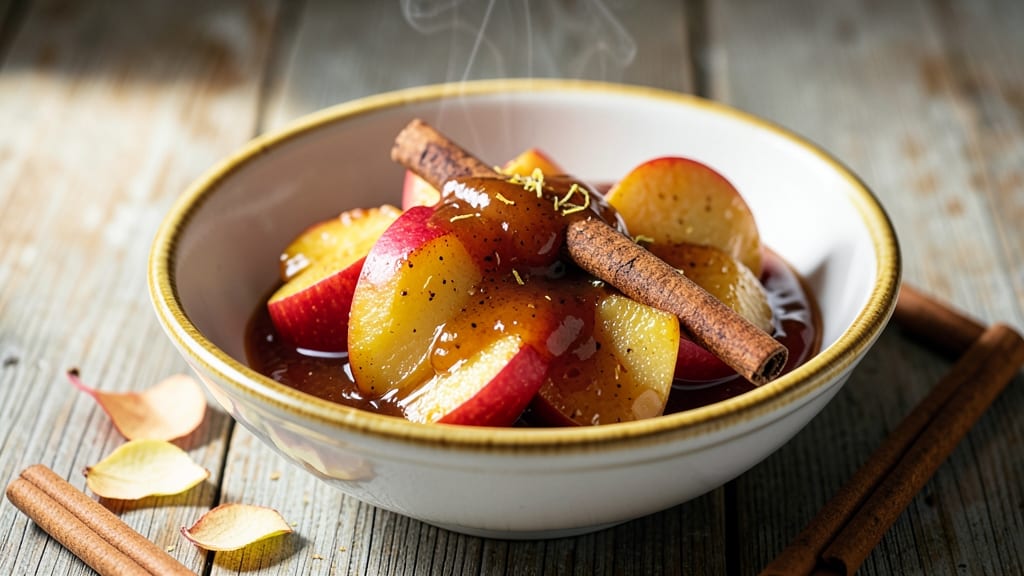
This apple sauce recipe with peel transforms kitchen scraps into velvety, aromatic sweetness in just 20 minutes. I learned this technique from Nana Mae, who insisted nothing should go to waste—including apple peels packed with fiber and flavor.
The secret lies in simmering whole peeled apples with cinnamon and a touch of lemon until tender, then blending until perfectly smooth.
What sets this recipe apart is its simplicity: no peeling required, no added thickeners, just whole apples cooked down to create a naturally thick, spiced apple sauce that's ideal for everything from toast to meat dishes.
The peels infuse subtle earthiness that balances sweetness, while cinnamon adds warmth without overpowering. It's the kind of sauce that elevates simple meals to something special.
By the time you're done, you'll have a jar of fragrant, restaurant-quality apple sauce with no waste and minimal effort. The texture is smooth yet still retains just enough body to cling beautifully to pancakes, pork chops, or even yogurt.
Plus, it keeps for weeks in the refrigerator, making it perfect for meal prep.
This method works with any apple variety—sweet, tart, or a mix—and the peels add a subtle complexity that store-bought versions can't match. Whether you're preserving harvest season abundance or just looking for a quick pantry staple, this recipe delivers foolproof results every time. Let's get started!
Ingredients for apple sauce recipe with peel
Seven simple ingredients transform humble apples into velvety, restaurant-quality apple sauce with no waste.
| Ingredient | Amount | Notes |
|---|---|---|
| Apples (with peels) 🍎 | 4 medium | Any variety, cored only |
| Cinnamon Sticks 🌿 | 2 whole | For aroma infusion |
| Lemon Juice 🍋 | 1 tbsp | Freshly squeezed |
| Water 💧 | ½ cup | For simmering balance |
| Granulated Sugar 🍚 | ¼ cup | Adjust to taste |
| Ground Cinnamon 🌶️ | 1 tsp | For final seasoning |
| Salt 🧂 | ¼ tsp | Diamond Crystal preferred |
The apples are the foundation—any variety works, but a mix of sweet and tart (like Honeycrisp and Granny Smith) creates depth. Local farmers markets often have imperfect apples at a discount, perfect for this recipe. Avoid apples with bruises or soft spots, as they'll break down unevenly. Cinnamon sticks infuse subtle warmth; Penzeys Spices carries high-quality organic sticks if you want to splurge. The peels add fiber and a subtle earthiness that store-bought versions lack—don't skip them! For meal prep, buy apples in bulk and store them in the fridge until ready to use, as they'll keep for weeks.
No cinnamon sticks? Ground cinnamon works at double the amount, but it lacks the aromatic infusion. Short on sugar? Maple syrup or honey (if not vegan) adds moisture and complexity—use half the quantity. The lemon juice prevents browning and brightens flavors; freshly squeezed is ideal, but bottled works in a pinch. For a smoother texture, strain through a fine-mesh sieve after blending. If you prefer chunky apple sauce, skip the straining entirely. The water amount is flexible—add more if the sauce gets too thick during simmering, but the apples should provide natural thickness without extra liquid.
Store the finished apple sauce in an airtight glass jar in the refrigerator for up to 3 weeks. The flavor actually improves over time as the spices meld. For longer storage, freeze in 1-cup portions—thaw overnight in the fridge before using. Reheat gently on the stove or microwave in 30-second bursts. This sauce pairs beautifully with roasted pork, oatmeal, or yogurt. The natural sweetness makes it perfect for dessert applications too, like drizzling over pancakes or swirling into cheesecake batter. Portion into ice cube trays for easy single-serving use.
Why You'll Love This Recipe
- No-Core Chopping Needed: I’ll admit, peeling apples always felt like extra work—but keeping the skins on here? That’s where the magic happens with zero fuss. Just toss whole apples (peels and all) into the pot, and let the cinnamon sticks do their thing while you sip coffee.
- Warm Spice Hug: Between us, this isn’t your basic applesauce. The peels steep into the water, giving it a deep, earthy sweetness that the cinnamon sticks amplify. That first spoonful? Like autumn in a jar—no artificial flavors, just real, cozy flavor.
- Leftovers That Last: This sauce keeps beautifully in the fridge for days, and honestly? It’s even better the next day. Use it as a topping for oatmeal, stir it into yogurt, or spread it on toast—it’s my go-to when I’m too tired to cook but still want something special.
- Budget-Friendly Staple: Apples, cinnamon, and sugar? You’re probably already stocked. No fancy ingredients, no last-minute grocery runs. I make a big batch once a month, and it’s always there when I need a quick, reliable side or snack. Pure pantry gold.
Step-by-step instructions for apple sauce with peel
This method transforms simple ingredients into velvety, aromatic apple sauce while preserving the peels' natural fiber and nutrients.
Core and Chop the Apples
Begin by coring the 4 medium apples using an apple corer or a small knife, being careful to remove only the core while leaving the peels intact. This preserves the fiber and nutrients that would otherwise be discarded. Cut each apple into 1-inch chunks, leaving the peels on for added texture and subtle bitterness that balances the sweetness.
Place the chopped apples in a large, heavy-bottomed pot. The peels will soften during cooking but maintain their structure, creating a pleasant mouthfeel. If you prefer a smoother texture, you can peel the apples after cooking, but the peels add depth of flavor and nutritional value.
Simmer with Cinnamon Sticks and Water
Add the 2 whole cinnamon sticks to the pot along with the 0.5 cup water. Bring the mixture to a gentle boil over medium-high heat, then immediately reduce the heat to medium-low. Let it simmer uncovered for 10 minutes, stirring occasionally to prevent sticking. The cinnamon sticks will infuse the apples with their warm, aromatic essence.
During this time, you'll notice the apples begin to soften and release their juices. The liquid should reduce slightly, but you want to maintain enough moisture to create a smooth, spoonable consistency. If the mixture looks too dry, add a splash of water later—just a tablespoon at a time—to maintain balance.
Sweeten and Season
After 10 minutes of simmering, stir in the 0.25 cup granulated sugar and the 1 tbsp lemon juice. The sugar will dissolve quickly, while the lemon juice brightens the flavor and prevents the apples from browning too darkly. Add the 0.25 tsp salt and continue simmering for another 5 minutes, stirring occasionally.
The sugar should be fully incorporated, and the apples should be tender enough to mash easily with a fork. If you press an apple chunk with a fork, it should give slightly but still hold its shape. This ensures a balance between chunky texture and smoothness. Taste the mixture now—it should be sweet but not cloying, with a subtle tartness from the lemon.
Mash and Finish with Ground Cinnamon
Remove the cinnamon sticks from the pot and discard them. Using a potato masher or wooden spoon, mash the apples to your desired consistency. For a smoother sauce, press harder and longer; for a slightly chunkier texture, leave some pieces intact. The peels will soften but still contribute a pleasant bite.
Stir in the 1 tsp ground cinnamon and simmer for an additional 2 minutes to allow the spices to meld fully with the apples. The sauce should now have a rich, aromatic depth with a perfect balance of sweetness and warmth. If the sauce is too thick, add a little more water or apple juice to reach your preferred consistency.
Cool and Store
Transfer the apple sauce to a clean jar or bowl and let it cool to room temperature. The flavors will continue to develop as it cools, becoming even more harmonious. Once cooled, the sauce can be refrigerated for up to 1 week or frozen for up to 3 months. The peels will soften further, blending seamlessly into the texture.
Serve the apple sauce warm over pancakes, waffles, or toast, or use it as a topping for yogurt, oatmeal, or cheese plates. The peels add a subtle earthiness that complements the sweetness, making this a truly no-waste, flavorful creation.
Pro Tips For Making Apple Sauce Recipe With Peel
- Peel First, Core Later: I learned this the hard way—peeling apples after slicing turns your kitchen into a sticky mess. Use a sharp paring knife to peel before cutting, then slice into even chunks. The peels stay intact, and you won’t be scrubbing cinnamon-infused apple gunk off your counter for 20 minutes.
- Simmer Low and Slow: High heat = mushy, watery sauce. Start with a gentle boil, then drop to a low simmer (tiny bubbles, just breaking the surface). After 20 minutes, the apples will collapse naturally—no need to force it. This keeps the texture smooth but still holds shape.
- Skip the Lemon Until End: Acid upfront makes your apples turn gray and mealy. Add the lemon juice only in the last 5 minutes—just enough to brighten the flavor without killing the color. Trust me, your sauce will look (and taste) fresher.
- Strain or Don’t: Want a silky texture? Strain out peels and cinnamon sticks after cooking. Prefer rustic? Leave them in for extra depth. No in-between—your call, but don’t half-ass it and call it "rustic" when it’s just sloppy.
Health benefits of this apple sauce recipe with peel
Fiber-Packed Goodness
The apple peels in this sauce are a nutritional powerhouse, containing soluble fiber that supports digestive health and helps regulate blood sugar levels. A 4-apple serving provides about 6 grams of fiber, which is nearly 25% of your daily recommended intake.
I always notice better digestion when I include peels in my cooking. 💪
Antioxidant Boost
Apple peels contain higher concentrations of polyphenols and flavonoids than the flesh, which act as powerful antioxidants to combat oxidative stress. These compounds have been linked to reduced risk of chronic diseases like heart disease and certain cancers.
The skin's deep purple and red hues indicate higher antioxidant levels—so choose colorful apples for maximum benefits.
Blood Sugar Balance
The combination of fiber and natural sugars in this apple sauce helps stabilize blood sugar levels better than refined sugars. The soluble fiber in the peels slows sugar absorption, preventing energy crashes.
This makes it an excellent choice for anyone managing diabetes or simply looking to maintain steady energy levels throughout the day.
Vitamin C Reserve
While we often think of citrus for vitamin C, apple peels contain surprising amounts too—about 15% of your daily value per serving. This vitamin supports immune function and collagen production.
The peels also preserve more vitamin C than peeled apples during cooking because the skin acts as a protective barrier.
Natural Sweetener
By using whole apples with peels, we eliminate the need for excessive added sugar. The natural sweetness from the apples and a modest ¼ cup sugar creates a balanced flavor without the blood sugar spikes of refined sweeteners.
This makes it perfect for those following whole-food diets or watching their sugar intake.
Weight Management
The high fiber content from the peels promotes satiety, helping you feel full longer with fewer calories. A serving of this apple sauce contains about 120 calories while providing significant fiber and nutrients.
I've found it's an excellent alternative to sugary jams when I'm watching my weight—it satisfies sweet cravings without the guilt.
Nutrition facts
Frequently asked questions
Why keep the peels in apple sauce?
The peels add 6 grams of fiber per serving and natural sweetness while boosting antioxidants like polyphenols. They create subtle earthiness that balances the sugar, plus they're packed with vitamin C and nutrients that get lost when peeled. Nana Mae always said "the skin holds the soul of the apple!"
Can I use this sauce for baking?
Yes! This works perfectly in muffins, cakes, and pies. For best results, reduce the sugar by 2 tablespoons since the apples provide natural sweetness. The peels add moisture and prevent dryness in baked goods. I've used it successfully in apple crisp recipes where the texture mimics traditional sauces.
What if my sauce is too thick?
Simply add 1-2 tablespoons of water or apple juice and simmer for 2-3 minutes until smooth. For a thicker consistency, mash longer with a potato masher. The peels help naturally thicken the sauce, so you'll rarely need extra starches like cornstarch.
How do I store leftovers?
Transfer to an airtight glass jar and refrigerate for up to 3 weeks. For longer storage, freeze in 1-cup portions for up to 3 months. Thaw overnight in the fridge. The peels soften further but maintain their nutritional benefits even after freezing.
Can I make this without sugar?
Use 1-2 tablespoons of maple syrup or honey instead, or omit entirely for a tart version. Sweeter apples like Honeycrisp need less sugar, while tart varieties like Granny Smith may require a touch. The peels help balance natural sweetness, so taste as you go.