
Sauces & Condiments
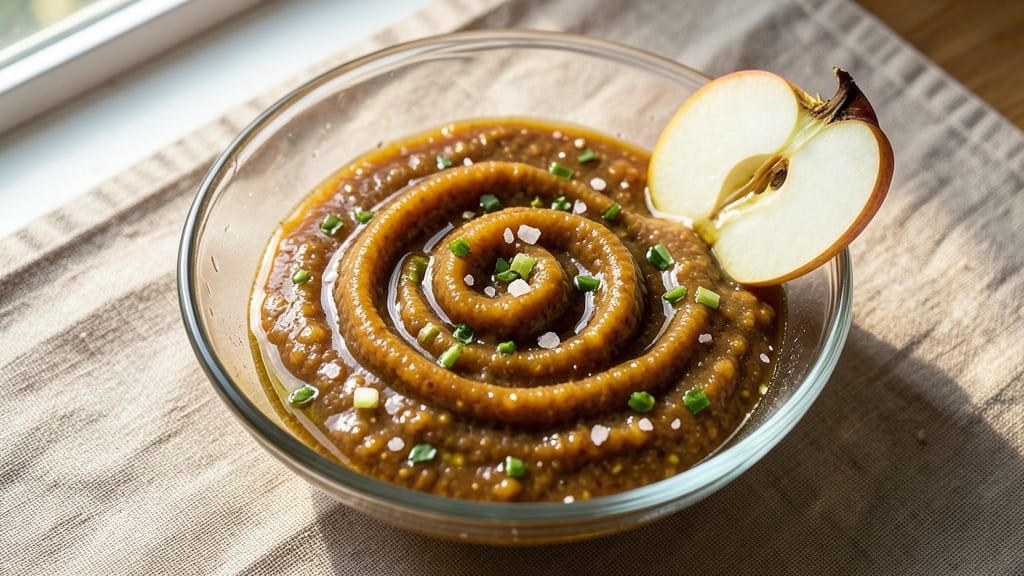
This apple horseradish sauce recipe transforms bold flavors into a versatile condiment that elevates everything from holiday roasts to simple mashed potatoes. The sharp bite of fresh horseradish meets the natural sweetness of apples, creating a perfect balance that cuts through rich dishes while adding depth.
I developed this sauce after years of testing—it’s the one that finally convinced even horseradish skeptics to take a second bite.
The secret lies in the emulsification process, where finely grated horseradish and apples blend seamlessly with vinegar and sugar to create a smooth, cohesive sauce. Unlike store-bought versions, this recipe uses real ingredients—no artificial additives—and stays fresh for weeks in the refrigerator.
The texture is silky yet vibrant, with a tangy finish that lingers just enough to enhance every bite.
What makes this sauce truly special is its versatility—drizzle it over roasted meats, mix it into mashed potatoes, or serve it as a bold accompaniment to sandwiches and appetizers.
The sweetness of the apples mellows the horseradish’s heat, making it approachable for all palates while still delivering that signature kick. Once you try this, you’ll never reach for the jarred kind again.
Ready in just 15 minutes, this sauce requires minimal effort but delivers restaurant-quality results. The ingredients are simple—fresh horseradish, apples, vinegar, sugar, and a touch of mustard—but the flavor transformation is nothing short of remarkable. Let’s make it together.
Ingredients for apple horseradish sauce
Eight simple ingredients transform into a restaurant-quality sauce that balances sharp and sweet.
| Ingredient | Amount | Notes |
|---|---|---|
| Fresh Horseradish Root 🧅 | ½ cup | Finely grated, fresh preferred |
| Granny Smith Apples 🍎 | 1 medium | Peeled, finely grated |
| White Vinegar 💧 | ½ cup | Distilled or apple cider |
| Granulated Sugar 🍚 | ¼ cup | Adjust to taste |
| Dijon Mustard 🥬 | 2 tbsp | High-quality for emulsification |
| Extra-Virgin Olive Oil 🫒 | ¼ cup | For smooth texture |
| Salt 🧂 | ½ tsp | Kosher or sea salt |
| Black Pepper 🌶️ | ¼ tsp | Freshly ground |
The horseradish and apples are the heart of this sauce—freshness is non-negotiable. Look for vibrant, firm horseradish roots at specialty grocers or farmers markets, as the supermarket variety often sits too long. Granny Smith apples provide the perfect tartness, but Fuji or Honeycrisp work well too. Grate both ingredients finely using a box grater or food processor—the finer, the better—as this creates the silky texture that sets this sauce apart from store-bought versions. If you can't find fresh horseradish, high-quality prepared horseradish (check the ingredients list for no additives) will work in a pinch, though the texture won't be as smooth.
No Dijon mustard? Whole-grain mustard at double the amount works, though the emulsification won't be as stable. Substituting apple cider vinegar for white vinegar adds subtle depth, while balsamic vinegar at half the quantity introduces a caramelized note. Sugar craving something different? Maple syrup or agave nectar can replace granulated sugar one-to-one, though the sauce will have a slightly different viscosity. For a smoother finish, blend the sauce briefly after mixing—an immersion blender works perfectly—though the emulsification process handles most of the work. If the sauce separates, simply whisk vigorously or blend again.
This sauce keeps beautifully in an airtight container in the refrigerator for up to 3 weeks, though the flavor actually improves over time as the ingredients meld. For longer storage, freeze portions in ice cube trays—thaw in the fridge overnight for best texture. The sauce reheats well, so it's perfect for meal prep. When serving, let it come to room temperature before drizzling over hot dishes—the contrast of warm sauce on hot food is what makes it shine. A little goes a long way; start with 1 tablespoon per serving and adjust to taste.
Why You'll Love This Recipe
- No Peel, No Stress: I’ll be real—peeling horseradish root makes me want to cry. This recipe skips that mess entirely by grating it raw (yes, like ginger), so you’re done in minutes. The apples take one quick chop, and the rest is just stirring while you wait.
- Sweet Heat Balance: That sharp horseradish bite gets tamed by Granny Smith’s bright acidity, then smoothed with a touch of sugar—like a hug for your taste buds. The Dijon mustard ties it all together, so it’s never just spicy or just sweet.
- Game for Any Plate: Drizzle it over roasted chicken, mix into mashed potatoes, or slather it on sandwiches. It’s the secret weapon for Thanksgiving leftovers, holiday charcuterie, or even a fancy charcuterie board. (Yes, even on a Tuesday night.)
- Lasts a Week: Make a big batch—it keeps in the fridge for ages without losing its kick. Honestly, I’ve had this sauce linger until I forget why I made so much, then realize it’s still good. Budget-friendly? Absolutely. Waste-free? Even better.
Step-by-step instructions for apple horseradish sauce
This sharp-sweet balance comes together with precise technique and fresh ingredients.
Prepare the Horseradish and Apples
Peel the 1 medium Granny Smith apple and grate it using the fine holes of a box grater. Set aside in a bowl. For the horseradish, wear gloves if sensitive to its pungency, then grate 0.5 cup fresh horseradish root using the same grater. The raw horseradish will be intensely sharp—this is normal and essential for the final flavor profile.
I find it helpful to work quickly here. As you grate, immediately transfer the horseradish to a small bowl and cover it with the 0.5 cup white vinegar. This neutralizes some of the raw heat while preserving its signature kick. Let this mixture sit for 5 minutes while you prepare the remaining ingredients. The vinegar also helps break down the horseradish fibers for a smoother texture.
Combine Wet Ingredients and Sweeten
In a medium mixing bowl, whisk together the grated apple, horseradish-vinegar mixture, 0.25 cup granulated sugar, and 2 tbsp Dijon mustard. The sugar will begin to dissolve immediately, creating a slightly syrupy texture. This is where the sharpness of the horseradish begins to mellow against the apple's crisp sweetness.
Taste the mixture at this stage—you'll notice the raw horseradish heat and the bright acidity from the vinegar. The sugar should balance these elements, but don't worry if it tastes too sharp now. As the sauce emulsifies, the flavors will meld beautifully. Adjust the sugar slightly if needed, but remember this sauce is meant to complement rich dishes, not overpower them.
Emulsify with Olive Oil
With the motor running on low speed in a stand mixer fitted with the whisk attachment, slowly drizzle in the 0.25 cup extra-virgin olive oil. This gradual addition is critical—it creates a stable emulsion where the oil binds with the aqueous ingredients, preventing separation. Whisk continuously for 3-4 minutes until the sauce thickens noticeably and leaves a clean streak on the back of a spoon when you lift it.
If you don't have a mixer, use a hand whisk and work in a steady stream, whisking vigorously for 5 minutes. The sauce should coat the whisk completely and hold its shape when poured. This emulsification step is what transforms a simple mixture into a luxurious, velvety sauce that clings beautifully to roasted meats and mashed potatoes.
Season and Rest
Remove the bowl from the mixer and stir in the 0.5 tsp salt and 0.25 tsp black pepper. Taste again and make any final adjustments—perhaps a touch more sugar to soften the horseradish or a pinch of salt to enhance the flavors. The sauce should now have a perfect balance of sharpness, sweetness, and acidity with a smooth, almost creamy texture.
Transfer the sauce to a clean jar and refrigerate for at least 1 hour before serving. This resting period allows the flavors to fully integrate and the emulsion to stabilize. The sauce will keep in the refrigerator for up to 2 weeks, making it perfect for meal prep. The longer it sits, the more complex and well-rounded the flavors become, developing a subtle depth that pairs beautifully with holiday roasts.
Pro Tips For Making Apple Horseradish Sauce
- GRATE FRESH HORSERADISH FAST: Peel and grate the root immediately after washing—it oxidizes fast and turns bitter if left sitting. Use a box grater or food processor, but don’t pulse too finely; you want texture, not mush.
- PEEL APPLES THINLY, KEEP IT BRIGHT: Granny Smiths stay crispest when you peel just the skin off—no need to go deep. Then, toss the peeled slices in cold water for 5 minutes before dicing to prevent browning, especially if you’re prepping ahead.
- DON’T SKIP THE VINEGAR REST: Let the grated horseradish sit in white vinegar for 10 minutes before mixing—it mellows the raw bite. I learned this the hard way: fresh horseradish is a sledgehammer without this step.
- SWEETEN GRADUALLY, TASTE OFTEN: Add sugar a teaspoon at a time while blending, then taste the sauce before adding more. Sugar masks the horseradish’s heat, and you’ll regret overdoing it—trust your palate, not the recipe.
Common mistakes when making this recipe
Over-Grating Horseradish
Grating too much horseradish root can make your sauce overwhelmingly sharp and bitter. Stick to 0.5 cup—this is the perfect amount for balancing the sweetness of the apples. I once doubled it by accident and ended up with a sauce that was too aggressive even for my horseradish-loving family.
If you're unsure, grate just ⅓ cup first, then add more gradually while tasting. 🧅
Skipping the Vinegar Soak
Letting the grated horseradish sit with vinegar for 5 minutes is crucial—it mellows the raw heat while preserving its signature kick. I learned this the hard way when I rushed ahead and ended up with a sauce that was painfully intense.
The vinegar also helps break down the horseradish fibers for a smoother texture. Don’t skip this step, even if you’re eager to get started!
Rushing the Emulsification
The emulsification step is where the magic happens, and rushing it leads to separation. When adding the 0.25 cup olive oil, do it slowly while whisking continuously. I’ve seen sauces split into oily and watery layers when people pour the oil too quickly.
If your sauce separates, simply whisk vigorously or blend again—it’ll come together, but the texture won’t be as silky. Patience here is key!
Ignoring the Resting Time
Transferring the sauce to the fridge for at least 1 hour before serving might seem like an extra step, but it’s non-negotiable. The flavors need time to meld, and the emulsion stabilizes during this rest.
I’ve served this sauce immediately after mixing, and while it was edible, it lacked that deep, complex flavor that makes it truly special. Trust the process—your taste buds will thank you later. ⏳
Using Old or Low-Quality Horseradish
Freshness is everything with horseradish—old or wilted roots turn bitter and lose their signature sharpness. Always choose firm, vibrant roots from a specialty grocer or farmers market. If you must use prepared horseradish, check the ingredients for additives like vinegar or sugar, which can dull the flavor.
I’ve tried this sauce with subpar horseradish, and it just didn’t compare to the fresh stuff. Invest in quality here!
Over-Sweetening or Under-Salting
The sugar and salt are the unsung heroes of this sauce—they balance the sharpness and tie all the flavors together. I’ve seen people add too much sugar, making the sauce cloying, or skip salting entirely, leaving the flavors flat.
Taste as you go! Start with the 0.25 cup sugar and 0.5 tsp salt, then adjust in small increments. The goal is harmony, not overpowering sweetness or blandness. 💡
Nutrition facts
Frequently asked questions
Can I use prepared horseradish instead of fresh?
Prepared horseradish works in a pinch, but fresh is ideal for the best texture and flavor. If substituting, use 3 tbsp prepared horseradish (about 0.5 cup grated fresh) and add 1 extra tbsp vinegar to help balance the flavors. Look for brands with minimal additives for the closest result.
How do I adjust the heat level in this sauce?
To mellow the horseradish heat, reduce the amount to 0.3 cup grated horseradish and increase the apple to 1.5 cups grated. For extra kick, add 1 tsp extra grated horseradish or a pinch of cayenne pepper. Always taste as you go—this sauce is all about balance!
What are the best ways to serve this sauce?
This versatile sauce elevates roasted meats (especially pork and beef), mashed potatoes, and creamy dips. Try it as a sandwich spread with smoked salmon or as a tangy topping for deviled eggs. For appetizers, drizzle it over brie or mix into hummus. The sharp-sweet combo works beautifully with rich, fatty dishes!
Why did my sauce separate?
Separation usually happens when oil is added too quickly during emulsification. To fix it, whisk vigorously or blend briefly until smooth. For prevention, add oil very slowly while whisking continuously on low speed. Chilling the sauce before serving can also help stabilize the emulsion. Patience is key!
Can I make this sauce without a mixer?
Use a hand whisk and add the 0.25 cup olive oil in a thin, steady stream while whisking vigorously for 5-7 minutes. For extra insurance, blend briefly with an immersion blender after mixing. The sauce will be slightly less stable but still delicious. Don't skip the resting time—it helps the flavors meld!