
Sauces & Condiments
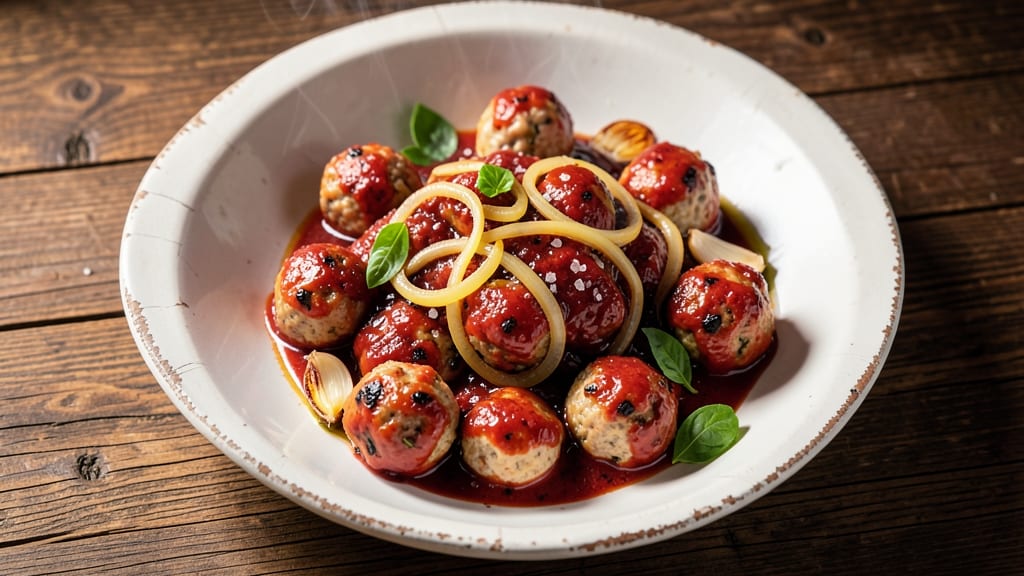
This Anthony's Coal-Fired Pizza Meatball Sauce Recipe delivers the signature smoky depth and sweet basil harmony that made their pizza legendary.
The secret lies in a slow-simmered tomato base infused with charred wood notes, balanced by tender meatballs that melt into the sauce just enough to thicken it naturally—no shortcuts, just layered flavor.
What started as a late-night craving for that perfect balance of smoky, sweet, and savory became my go-to for weeknight dinners that taste like a slice from a brick oven.
The recipe begins with a wood-fired technique—charred onions and garlic form the aromatic foundation, while a blend of crushed tomatoes, garlic, and a touch of red wine simmer for hours to develop that signature depth.
Meanwhile, the meatballs, made with a mix of ground beef and pork for richness, are seasoned with Italian herbs and a hint of fennel to complement the sauce.
The magic happens when they're gently simmered in the sauce until tender, creating a sauce that's both thick and velvety, with meatballs that hold their shape yet release just enough flavor to enrich the sauce.
By the time you plate it—whether on a crispy coal-fired crust or over al dente pasta—you'll taste the harmony of smoky char, sweet basil, and rich tomato in every bite. The sauce clings perfectly to the meatballs and crust, delivering that restaurant-quality experience at home.
No fancy equipment needed, just patience and a few key techniques to unlock the full flavor potential.
Perfect for feeding a crowd or meal prepping for the week, this recipe scales effortlessly while maintaining its depth. The sauce keeps well in the fridge for up to 5 days, so you can make a big batch and enjoy it all week.
Let's get started on recreating that iconic Anthony's flavor at home.
Ingredients for anthony's coal fired pizza meatball sauce
Pantry staples plus a few specialty touches for that iconic smoky-sweet flavor.
| Ingredient | Amount | Notes |
|---|---|---|
| Ground Beef 🥩 | 1 ½ lb | 80% lean for juiciness |
| Ground Pork 🐷 | ½ lb | For extra richness |
| Yellow Onions 🧅 | 2 whole | Charred for smoky depth |
| Garlic Cloves 🧄 | 6 cloves | Charred with onions |
| Canned Crushed Tomatoes 🍅 | 2 cans | 28 oz each, San Marzano preferred |
| Red Wine 🍷 | ½ cup | Bold dry variety like Cabernet |
| Fresh Basil Leaves 🌿 | ½ cup | Packed, stems removed |
| Extra-Virgin Olive Oil 🫒 | ¼ cup | For sauteing meatballs |
| Dried Oregano 🍃 | 1 tbsp | Italian or Mediterranean blend |
| Ground Fennel Seed 🌾 | ½ tsp | For subtle licorice note |
| Salt 🧂 | 1 ½ tsp | Kosher or sea salt |
| Black Pepper 🌶️ | ½ tsp | Freshly ground preferred |
| Granulated Sugar 🍚 | 1 tbsp | Balances acidity |
| Breadcrumbs 🍞 | ½ cup | Panko for extra crunch |
| Eggs 🥚 | 1 whole | For meatball binding |
The onions and garlic are where the magic starts—char them directly over a gas flame or in a dry skillet until blackened. Whole Foods and Trader Joe's carry pre-charred versions if you're short on time, but doing it fresh gives that authentic brick oven taste. For the tomatoes, San Marzano cans are worth the splurge—they're sweeter and less watery. The red wine? Any bold dry red works here—Cabernet, Merlot, whatever's open. Just don't use cooking wine, that's a crime. The fresh basil should be bright green with no brown stems—Costco sells huge bunches for cheap if you're making a big batch.
No red wine? Beef broth with a splash of balsamic gets you close. Fresh basil wilting? Dried basil at half the amount works in a pinch, though it won't be as vibrant. The ground fennel seed can be tricky to find—Penzeys or the spice aisle at Whole Foods usually have it. If you can't find it, skip it—the recipe still works, it just loses that subtle licorice note that complements the meatballs. For the meatballs, mixing beef and pork gives you that perfect balance of richness and tenderness. 80% lean beef stays juicy, while pork adds fat for flavor.
This sauce tastes even better the next day as flavors meld. Keeps in the fridge for 5-6 days—portion into containers for easy lunches. Freezes beautifully for up to 3 months if you want to make a big batch. The meatballs can be prepped ahead and frozen separately, then simmered straight from frozen in the sauce. For serving, toss with al dente pasta or use as a pizza sauce—just add a sprinkle of fresh basil right before eating so it stays vibrant.
Why You'll Love This Recipe
- No-Fuss Mix: I swear by this combo—ground beef and pork means richer flavor with less effort. No need to fuss with separate batches or extra prep.
- Smoky Depth: That coal-fired touch? It’s all in the slow simmer of onions and garlic until they’re caramelized gold. The crushed tomatoes soak it up like a sponge—deep, savory, and impossible to resist.
- Game for Any Night: Slather it on pizza crusts, toss it with pasta, or just eat it straight with crusty bread. (Yes, even on a Tuesday night.) It’s the kind of sauce that turns a lazy dinner into a highlight.
- Budget Magic: A single batch stretches for days—freeze half for later, or double it for company. Ground meat and canned tomatoes? Affordable, hearty, and always a win.
Step-by-step instructions for Anthony's coal-fired pizza meatball sauce
Here's how to build this sauce from scratch—smoky, sweet, and packed with depth.
Char the Onions and Garlic Over Open Flame
Cut the 2 whole yellow onions into even wedges and peel the 6 cloves garlic in half lengthwise. Heat a grill grate or cast-iron skillet over high heat until screaming hot. Place the onions and garlic directly on the dry grate and let them char for 8-10 minutes, turning occasionally, until blackened in spots with deep caramelized edges. The smoke will infuse the vegetables with that signature coal-fired flavor.
Transfer the charred onions and garlic to a cutting board and roughly chop them. The blackened bits are flavor gold—don't pick them out. Set aside in a bowl until ready to use. This step is what gives the sauce its smoky backbone, so don't skip it. If you don't have a grill, a broiler works in a pinch, but keep a close eye to prevent burning.
Brown the Meatball Mixture
In a large skillet, heat 0.25 cup extra-virgin olive oil over medium-high heat. In a separate bowl, combine the 1.5 lb ground beef, 0.5 lb ground pork, 0.5 cup breadcrumbs, 1 whole egg, 1.5 tsp salt, 0.5 tsp black pepper, 0.5 tsp ground fennel seed, and 1 tbsp dried oregano. Mix gently with your hands until just combined—overworking the meat makes tough meatballs.
Form the mixture into 1.5-inch meatballs (about 12 total) and carefully add them to the hot skillet. Don't crowd the pan—work in batches if needed. Brown the meatballs for 4-5 minutes per side until deeply golden and cooked through. They should release easily from the pan. Remove the meatballs and set aside on a plate, leaving the rendered fat in the skillet.
Build the Sauce Base
Reduce the heat to medium and add the chopped charred onions and garlic to the skillet with the rendered fat. Cook for 2 minutes to toast their flavors further. Pour in the 0.5 cup red wine and scrape up any browned bits from the bottom of the pan—this is where all the flavor hides. Let the wine simmer for 3-4 minutes until reduced by half.
Add the 2 cans crushed tomatoes and 1 tbsp granulated sugar, stirring to combine. The sugar helps balance the acidity of the tomatoes while adding a subtle sweetness that pairs perfectly with the smoky notes. Let the sauce simmer uncovered for 15 minutes, stirring occasionally, until it thickens slightly and the flavors meld together. Here's where the magic happens—the wine, tomatoes, and charred veggies create a complex, layered base.
Finish with Fresh Basil and Meatballs
Return the browned meatballs to the skillet and nestle them into the sauce. Simmer together for 10 minutes to let the meatballs absorb the flavors. Stir in the 0.5 cup fresh basil leaves and cook for another 2 minutes—just enough to wilt the basil slightly but not cook it to oblivion. The fresh basil adds a bright, sweet contrast to the smoky, savory sauce.
Taste and adjust seasoning if needed. The sauce should be rich, slightly sweet, and deeply aromatic with notes of char, wine, and fresh herbs. Serve immediately over crusty bread, with coal-fired pizza, or alongside your favorite pasta. This sauce tastes even better the next day as the flavors continue to develop, so make extra if you can.
Pro Tips For Making Anthony'S Coal Fired Pizza Meatball Sauce
- Brown the Meatballs Properly: Don’t just toss the meatballs in—sear them in batches over medium-high heat until they’re deep brown, not just pink. I learned this the hard way: rushing this step means your sauce will taste raw and underdeveloped, no matter how long you simmer.
- Sweat, Don’t Sauté Onions: Cook the onions low and slow until they’re translucent and caramelized, not crispy. High heat burns them before they break down, and you’ll miss that sweet, jammy depth that makes the sauce sing. (Yes, even if you’re impatient like me.)
- Crush Garlic, Don’t Mince: Use a flat side of your knife to smash the garlic cloves into a paste before cooking—this releases more flavor without burning. I was skeptical until I tried it: the sauce gets a richer, more complex taste that minced garlic just can’t match.
- Stir the Tomatoes Early: Add the crushed tomatoes halfway through cooking, not all at once, so they simmer into the meatballs and aromatics. Dumping them in at the start means they’ll just sit there, unintegrated, while the rest of the sauce builds flavor around them.
Serving suggestions for this dish
Pizza Pairings
This sauce shines brightest on a coal-fired or wood-fired pizza crust—the smoky char enhances the sauce's depth. For a classic Anthony's experience, use a thin, crispy crust (like a Neapolitan-style) and top with the meatballs, sauce, and a sprinkle of fresh mozzarella before baking.
For extra drama, add sliced provolone that melts into golden strings. 🍕
Pasta Perfects
Toss with al dente spaghetti or fettuccine for a hearty meatball pasta. I like to finish with toasted pine nuts for crunch and a drizzle of extra-virgin olive oil to elevate the dish.
For a lighter option, use whole wheat or chickpea pasta to balance the richness. The sauce clings beautifully to the noodles, creating a satisfying bite.
Bread and Sandwiches
Serve with garlic bread or focaccia for dipping—it's like a grown-up marinara. For sandwiches, pile the sauce and meatballs onto ciabatta rolls with a slice of provolone and a sprinkle of red pepper flakes. The crusty bread soaks up the sauce perfectly, making every bite flavorful. 🥖
Meal Prep Magic
This sauce keeps for 5-6 days in the fridge, making it ideal for meal prep. Store in airtight containers and reheat gently on the stovetop with a splash of water to prevent sticking.
For a quick lunch, toss with pre-cooked pasta or serve over grilled chicken. The flavors deepen overnight, so leftovers taste even better.
Garnish Game
Before serving, top with fresh basil leaves, grated Parmesan, or crispy pancetta for added texture. A drizzle of balsamic glaze adds a tangy contrast, while chopped parsley brightens the dish.
For a pop of color, sprinkle with sun-dried tomatoes or red pepper flakes—just a pinch goes a long way. 🌿
Drink Pairings
Pair with a bold red wine like Chianti or Cabernet Sauvignon to complement the smoky, rich flavors. For a lighter option, a crisp Italian lager (like Peroni) cuts through the richness.
If you prefer cocktails, a Aperol Spritz adds a refreshing contrast. The wine's acidity balances the sauce's sweetness, while the beer's crispness cleanses the palate. 🍷
Nutrition facts
Frequently asked questions
Can I make the meatballs ahead of time?
Form the meatballs and refrigerate them on a tray for up to 24 hours before cooking. For longer storage, freeze them raw in a single layer on a tray, then transfer to a bag. Cook from frozen—just add 2-3 extra minutes to the browning time. The flavors develop better when made ahead, especially the charred onion base.
What if I don't have a grill for charring the onions?
No grill? No problem! Use a dry cast-iron skillet over high heat for 5-7 minutes, stirring constantly to prevent burning. For extra smokiness, broil the onions and garlic on a baking sheet 3-4 inches from the heat for 6-8 minutes, flipping once. The key is getting those blackened spots—they add depth to the sauce.
How do I adjust the sauce for spicier heat?
Add ½-1 teaspoon red pepper flakes when simmering the tomatoes, or stir in 1 teaspoon hot sauce at the end. For a smoky kick, char a jalapeño with the onions and garlic. Start with less—you can always add more later. The sauce already has bold flavors, so balance carefully to avoid overpowering the smoky-sweet harmony.
Can I use this sauce for lasagna?
Perfectly! Replace the ricotta layer with this sauce and add a layer of meatballs between lasagna sheets. For extra richness, sprinkle mozzarella and Parmesan between layers. The smoky depth works beautifully in lasagna, especially when baked until bubbly. Just add 10-15 extra minutes of baking time to let the flavors meld.
Why does my sauce taste too acidic?
Acidic sauce usually means the tomatoes weren't cooked long enough or the sugar wasn't balanced. Simmer uncovered for 10-15 extra minutes to reduce acidity, or stir in ½ teaspoon sugar at the end. For a quick fix, add a pinch of baking soda (⅛ teaspoon max) to neutralize acid—test first! The red wine also adds acidity, so using a drier variety helps.