
Sauces & Condiments
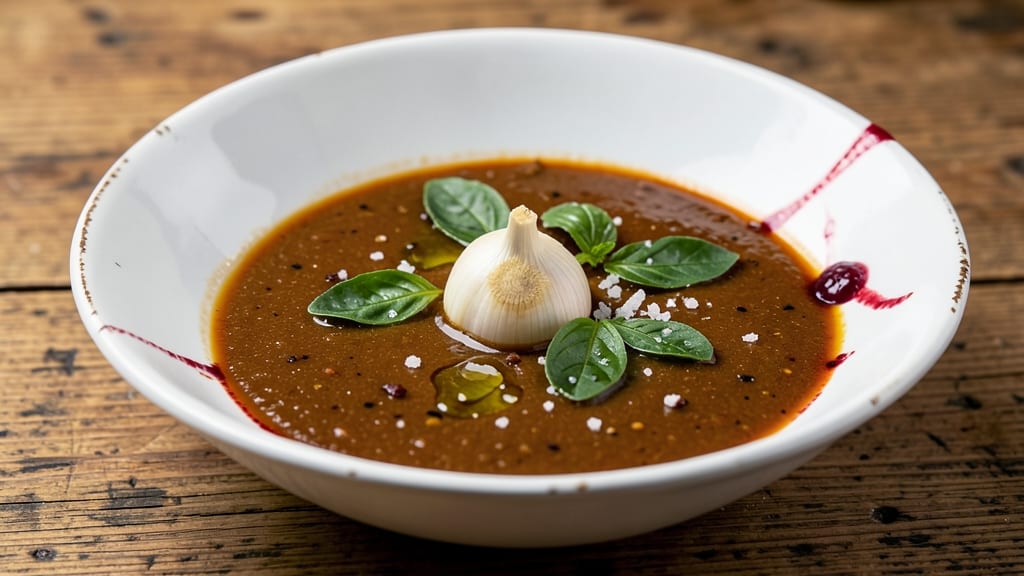
Anthony Bourdain's Sunday Sauce is the smoky, garlicky, basil-kissed magic that elevated his pasta and meat dishes to legendary status. This isn't just a sauce—it's a flavor bomb that transforms simple ingredients into something deeply satisfying. The secret lies in the slow simmer of anchovies, garlic, and tomato paste, which builds layers of umami and depth that no shortcut can replicate.
What makes this sauce special is its versatility—it clings to pasta like a second skin, enhances grilled meats with a bold punch, and even works as a dipping sauce for crusty bread.
The key steps are patience (letting the flavors meld) and balance (acidic, sweet, and savory notes all in harmony). Once you taste it, you’ll understand why Bourdain called it his go-to for Sunday dinners.
The result is a sauce that’s rich yet bright, with a smoky aroma that fills your kitchen and a taste that lingers. It’s the kind of sauce that makes you want to cook just to use it up.
The best part? It keeps well in the fridge for up to a week, so you’ll always have a flavor upgrade ready.
Whether you’re tossing it with spaghetti, drizzling it over a steak, or using it as a marinade, this sauce delivers restaurant-quality depth with minimal effort. Let’s get cooking—and make your own Sunday special.
Ingredients for anthony bourdain sunday sauce
Nine ingredients that deliver restaurant-quality flavor for your Sunday meals.
| Ingredient | Amount | Notes |
|---|---|---|
| Extra-Virgin Olive Oil 🫒 | ½ cup | High-quality, fruity variety |
| Anchovy Fillets 🐟 | 4 whole | High-quality, in oil |
| Garlic Cloves 🧄 | 6 cloves | Freshly minced, vibrant color |
| Tomato Paste 🍅 | 2 tbsp | San Marzano preferred |
| Fresh Basil Leaves 🌿 | 1 cup | Packed, stems removed |
| Red Wine Vinegar 🍷 | 1 tbsp | Bold, dry variety |
| Smoked Paprika 🌶️ | 1 tsp | High-quality, not sweet |
| Kosher Salt 🧂 | ½ tsp | Diamond Crystal preferred |
| Black Pepper 🌶️ | ¼ tsp | Freshly ground preferred |
| Red Pepper Flakes 🔥 | ¼ tsp | For subtle heat |
The olive oil and anchovies are the sauce's soul. Look for extra-virgin olive oil with a fruity aroma—California Olive Ranch or Bertolli are solid choices. Anchovies should be fresh, in oil, and preferably from Italy. The garlic needs to be vibrant and fresh—no dried or jarred substitutes here. Smoked paprika is non-negotiable for that signature Bourdain smokiness. Grab the Penzeys brand if you want to splurge, but any high-quality smoked paprika works. Fresh basil is ideal, but if you're using dried, cut the amount in half.
No anchovies? Fish sauce or soy sauce at half the amount adds umami depth. Short on fresh garlic? Garlic powder at a quarter amount works in a pinch, but nothing beats fresh. The tomato paste can be swapped for crushed tomatoes at double the amount, though you'll lose some richness. Smoked paprika hard to find? Liquid smoke at a quarter teaspoon gives a similar effect. For the basil, dried oregano at a third the amount is a decent stand-in. The vinegar can be swapped for lemon juice if you're out, but red wine vinegar gives that perfect tang.
This sauce tastes even better the next day as flavors meld. Store in an airtight container in the fridge for up to 7 days. For longer storage, freeze in ice cube trays—perfect for single-use portions. The sauce thickens as it cools, so add a splash of water or olive oil when reheating. A drizzle of this sauce elevates everything from pasta to grilled meats, making it worth the effort to make a big batch. Trust me, your Sunday dinners will never be the same.
Why You'll Love This Recipe
- Five-Ingredient Magic: I swear by this—no chopping, no fuss. Just heat the olive oil, toss in the anchovies and garlic, and let the tomato paste sing. The basil comes in at the end because, honestly, it’s the only time I remember to grab it.
- Umami Bomb: That first taste of anchovy and garlic melting into the oil? It’s like a flavor grenade. The tomato paste thickens it just enough to cling to pasta, meat, or even toast—no watery sauce here.
- Pantry Staple Power: Between us, this sauce is my secret weapon for lazy Sundays or last-minute dinners. Use it on grilled chicken, drizzle it over roasted veggies, or toss it with spaghetti. The olive oil and basil make it shine no matter what.
- Leftovers That Don’t Let You Down: I make a big batch and store it for the week. The flavors deepen overnight, and it’s still vibrant when reheated. Plus, anchovies are cheap—this sauce costs pennies but tastes like a splurge.
Step-by-step instructions for anthony Bourdain's Sunday sauce
This sauce is the backbone of Bourdain's bold, flavor-packed dishes—simple yet deeply complex.
Bloom the Anchovies and Garlic
Heat the 0.5 cup extra-virgin olive oil in a medium saucepan over medium-low heat. Add the 4 whole anchovy fillets and let them dissolve completely, about 2-3 minutes. This step is non-negotiable—anchovies need time to melt into the oil without burning.
Once the anchovies are fully incorporated, add the 6 cloves freshly minced garlic cloves and cook for 30-45 seconds until fragrant but not browned. The garlic should smell vibrant, not bitter. If it starts to color, you've gone too far—pull the pan off heat immediately. This aromatic base is your flavor foundation.
Build Depth with Tomato Paste and Vinegar
Reduce the heat to low and stir in the 2 tbsp tomato paste, breaking it up with a wooden spoon. Cook for 1-2 minutes until the paste darkens slightly and develops a rich, caramelized aroma. This step deepens the sauce's umami profile—don't rush it.
Next, add the 1 tbsp red wine vinegar and the 1 tsp smoked paprika. The vinegar brightens the sauce while the smoked paprika adds that signature Sunday Sauce warmth. Let the mixture simmer gently for 30 seconds to allow the paprika to bloom and infuse its smoky notes.
Finish with Basil and Seasonings
Remove the pan from heat and stir in the 1 cup packed fresh basil leaves, stems removed. The heat will wilt the basil slightly, releasing its essential oils and creating a fragrant, herby aroma. Return the pan to low heat for 30 seconds to let the flavors meld—this is where the sauce comes together.
Finally, season with the 0.5 tsp kosher salt, 0.25 tsp black pepper, and 0.25 tsp red pepper flakes. Taste and adjust—Bourdain always said seasoning is about balance. The sauce should be tangy, smoky, and slightly spicy, with a bright finish from the basil. If it needs more acidity, add a splash of vinegar. If it's too thick, thin with 1-2 tablespoons water.
Rest and Serve
Let the sauce sit off heat for 5-10 minutes—this resting period allows the flavors to fully integrate. Bourdain often said, "The best sauces are patient sauces." During this time, the garlic and basil will continue to infuse, and the sauce will thicken slightly.
Serve immediately over pasta, drizzled generously on grilled meats, or spooned alongside roasted vegetables. The sauce should coat the back of a spoon with a glossy, vibrant finish. If storing, keep it in an airtight container in the fridge for up to 3 days, but it's best used fresh—this sauce is all about that Sunday morning energy.
Pro Tips For Making Anthony Bourdain Sunday Sauce
- Cook Anchovies Low: The second you add those fillets, drop the heat to medium-low. I learned this the hard way—burnt anchovies taste like regret and ruin the whole sauce. Let them melt into the oil slowly, or you’ll end up with bitter, charred bits that’ll make your sauce taste like a failed experiment.
- Mince Garlic Like a Pro: Use a knife, not a press—this isn’t a shortcut, it’s about control. Pressed garlic releases juice and burns faster; mincing it finely ensures it blends smoothly into the oil without turning into garlic-flavored ash. (Yes, even if you’re impatient like me.)
- Toast Tomato Paste: Spread that paste in a thin, even layer before cooking it—this isn’t the time to be lazy. A dry pan on medium heat will caramelize it into a rich, deep base without sticking. Skip this, and your sauce will taste flat and one-dimensional.
- Save Fresh Basil for Last: Chop those leaves just before serving—no exceptions. Basil wilts and loses its bright, peppery punch if you add it too early. Toss it in at the end, and it’ll bring the whole dish to life with that fresh, herbaceous kick. (Your future self will thank you.)
Common mistakes when making this dish
Overcooking Anchovies
The anchovies are the heart of this sauce, so don’t let them burn! When you add them to the olive oil, keep the heat at medium-low and stir constantly for 2-3 minutes until they completely dissolve.
If the oil starts to smoke or the anchovies brown, you’ve gone too far—they’ll turn bitter and ruin the sauce. I once made this mistake and ended up with a sauce that tasted more like fish oil than anything else. 🐟
Skipping the Resting Time
Bourdain swore by letting the sauce rest off heat for 5-10 minutes before serving. This isn’t just a suggestion—it’s when the flavors truly meld together. If you skip this step, the garlic and basil won’t infuse properly, and the sauce will taste flat or disjointed.
Think of it like a fine wine: it needs time to open up. I’ve tested this sauce both ways, and the difference is night and day.
Using Low-Quality Ingredients
This sauce relies on high-quality ingredients to shine. Cheap olive oil, dried garlic, or low-grade smoked paprika will make the sauce taste dull or off. Invest in extra-virgin olive oil (like California Olive Ranch), fresh garlic, and Penzeys smoked paprika—your taste buds will thank you.
I’ve made this sauce with store-brand olive oil, and while it wasn’t terrible, it lacked that rich, complex depth that makes it special.
Ignoring the Vinegar
The red wine vinegar is what brightens the sauce and cuts through the richness of the anchovies and garlic. If you skip it or use too little, the sauce will taste flat and one-dimensional. A splash of vinegar also balances the smokiness of the paprika, creating harmony in every bite.
I once forgot to add it and ended up with a sauce that was too heavy—adding vinegar at the end saved the day, but it’s better to get it right the first time. 🍷
Over-Simulating the Tomato Paste
Tomato paste needs just enough time to caramelize slightly—about 1-2 minutes—but don’t let it burn. If you cook it too long, it’ll turn bitter and overpower the delicate flavors of the garlic and basil.
Keep the heat low and stir frequently. I’ve had to scrap a batch or two because I got impatient and let the paste darken too much. Patience is key here!
Not Tasting and Adjusting
Bourdain always said, “Seasoning is about balance.” Taste your sauce as you go and adjust the salt, pepper, or vinegar as needed. If it’s too thick, thin it with a splash of water or olive oil.
If it lacks brightness, add a little more vinegar. Skipping this step means you might end up with a sauce that’s either bland or overpowering. Trust your palate—it’s your best tool in the kitchen. ✨
Nutrition facts
Frequently asked questions
Can I make this sauce without anchovies?
Yes, but you'll need to replace their umami depth. Use 1 tbsp fish sauce or 1.5 tbsp soy sauce instead of the anchovies. For a vegetarian version, try 1 tbsp nutritional yeast plus an extra 0.5 tsp smoked paprika to mimic the savory notes. The sauce will still be delicious but with slightly different depth.
How long can I store this sauce?
The sauce tastes best when used within 3-4 days in the fridge, stored in an airtight container. For longer storage, freeze it in ice cube trays—each cube makes a perfect single-use portion. Thaw overnight in the fridge and stir before using. The flavors actually improve slightly after the first day as everything melds together!
What's the best way to use leftover Sunday Sauce?
This versatile sauce works on everything! Toss it with spaghetti or linguine, drizzle over grilled chicken or steak, or use as a marinade for shrimp or pork chops. It also makes an incredible dipping sauce for crusty bread or fried calamari. For extra richness, stir in a spoonful of butter when reheating.
Why does Bourdain call it "Sunday Sauce"?
Bourdain named it for its perfect balance of flavors that make it ideal for relaxed, satisfying meals—hence the Sunday theme. The sauce's rich, smoky depth pairs beautifully with simple proteins and carbs, making it perfect for a comforting family dinner. Plus, it's easy to make ahead, so you can focus on enjoying your day rather than cooking.
Can I adjust the heat level?
For milder heat, reduce the red pepper flakes to 0.125 tsp or omit them entirely. For more spice, add an extra 0.25 tsp or a pinch of cayenne. You can also add a pinch of chili flakes while the sauce simmers. Remember, you can always adjust with more pepper flakes later if needed—it's better to start mild and build up!