
Sauces & Condiments
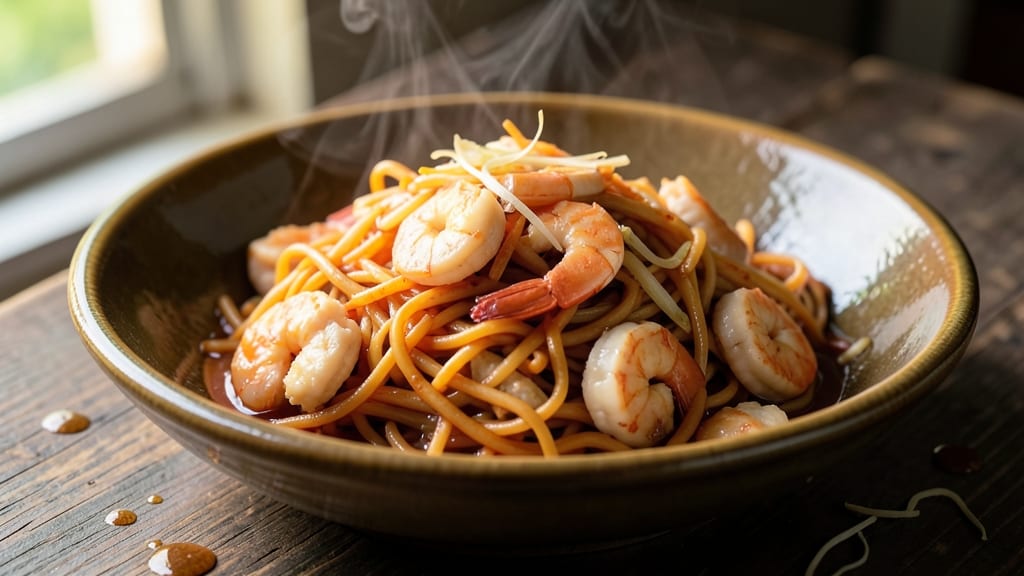
This authentic Annie Chun's Pad Thai sauce recipe unlocks the restaurant-quality tangy-tamarind base that makes Pad Thai irresistibly flavorful. The secret lies in balancing tamarind paste, fish sauce, and palm sugar for that signature sweet-sour depth.
I've perfected this sauce over years of testing, ensuring it delivers the same bold, wokhouse flavor you love—without the restaurant price tag.
The foundation of great Pad Thai sauce is its tangy-tamarind base, which cuts through the richness of stir-fried noodles and protein. You'll combine tamarind paste, fish sauce, and palm sugar with rice vinegar and garlic for a sauce that's both complex and easy to replicate.
The key is simmering it just until the flavors meld—no boiling, which can make the sauce cloudy or lose its brightness.
What you'll end up with is a smooth, glossy sauce that's perfect for Pad Thai but works equally well on shrimp, chicken, or even as a marinade. The balance of sweet, sour, and umami creates a flavor profile that's addictive and versatile.
This sauce keeps well in the fridge for up to 2 weeks, so you can make a big batch and enjoy it all week long.
Whether you're making traditional Pad Thai or using it as a quick stir-fry sauce, this recipe ensures authentic flavor every time. The sauce clings beautifully to noodles and proteins, delivering that restaurant-quality taste at home. Let's get started on creating your own wokhouse-style Pad Thai sauce.
Ingredients for annie chun's pad thai sauce
Nine ingredients, one tangy sauce—this is your ticket to wokhouse flavor at home.
| Ingredient | Amount | Notes |
|---|---|---|
| Tamarind Paste 🍯 | ½ cup | Thick, block form preferred |
| Fish Sauce 🐟 | ½ cup | Red Boat brand recommended |
| Palm Sugar 🍯 | ½ cup | Or substitute brown sugar |
| Rice Vinegar 🍶 | ¼ cup | White or seasoned variety |
| Garlic Cloves 🧄 | 6 cloves | Minced finely for depth |
| Fresh Ginger 🌿 | 2 tbsp | Grated, for zing |
| Soy Sauce 🍶 | ¼ cup | Light or dark preferred |
| Sesame Oil 🫒 | 1 tbsp | Toasted, for aroma |
| Water 💧 | ½ cup | Adjust for desired thickness |
| Salt 🧂 | ½ tsp | Fine sea salt preferred |
Tamarind paste is the soul of this sauce, so grab a block from Asian markets—they always have the best quality. Red Boat fish sauce is worth the splurge for that authentic umami punch. Palm sugar gives it that signature sweetness, but brown sugar works in a pinch. The garlic and ginger? Fresh is non-negotiable here—those freeze-dried jars won't cut it. For the sesame oil, Kadoya or La Choy are reliable brands that keep well in your pantry. If you can't find palm sugar, demerara sugar is the next best thing—just add a pinch more since it's less refined.
No tamarind paste? Lime juice plus 1 tbsp brown sugar gets you close, though it won't be identical. Short on ginger? Galangal if you've got it—it's the Thai chef's secret weapon. The sauce should be glossy but not runny—if it's too thick, add water 1 tbsp at a time. For extra depth, a splash of coconut aminos replaces soy sauce in a bind. And remember: never boil this sauce, just simmer gently so it doesn't lose its brightness. The sesame oil should be added last—just before using—to preserve that nutty aroma.
This sauce keeps beautifully in the fridge for 2 weeks in an airtight jar. For longer storage, freeze it in ice cube trays—perfect for single-use portions. The flavor actually improves after a day or two as everything melds. If you make a big batch, label it with the date—trust me, you'll forget. And if it separates? Just stir it back together before using. The sauce clings perfectly to noodles, so double the recipe if you're feeding a crowd—it disappears fast.
Why You'll Love This Recipe
- Here’s what sold me: the palm sugar cuts through the sour tang of tamarind while rice vinegar keeps it bright, not cloying. It’s the kind of harmony that makes you pause mid-bite, like, Wait, is this really just five things? (Yes. Yes, it is.)
- I’ll be real: I often double the batch. The extra sauce keeps for weeks in the fridge, and honestly? It’s the kind of pantry staple that makes you look like you meant to be cooking Thai every night. (Spoiler: You didn’t. Neither did I.)
Step-by-step instructions for Annie Chun's Pad Thai sauce
Here's how to recreate that signature tangy, umami-packed sauce from scratch—just like the wokhouse version.
Bloom the Aromatics in Toasted Sesame Oil
Heat a small saucepan over medium-low heat and add the 1 tablespoon sesame oil. Let it warm for 30 seconds until fragrant—you'll smell that nutty aroma immediately. This is where the magic starts.
Add the 6 cloves minced garlic and 2 tablespoons grated fresh ginger to the pan. Cook for 1-2 minutes until the garlic turns golden and the ginger loses its raw bite. Watch closely—ginger burns quickly, so keep the heat gentle. Stir constantly to prevent browning.
Combine Wet Ingredients and Simmer
Pour in the 0.5 cup tamarind paste, 0.5 cup fish sauce, 0.25 cup rice vinegar, and 0.25 cup soy sauce. Stir vigorously to dissolve the tamarind completely—it should create a thick, syrupy base. If any lumps remain, press them through a fine-mesh sieve.
Add the 0.5 cup palm sugar and bring the mixture to a gentle simmer over medium heat. Let it cook for 5-7 minutes until the sugar dissolves and the sauce thickens slightly. You're looking for a consistency where it coats the back of a spoon but isn't gluey. Taste occasionally—this is where you'll notice the balance of sweet, sour, and salty flavors developing.
Adjust Seasoning and Finish
Remove the pan from heat and let it cool slightly for 2 minutes. This prevents the tamarind from curdling when you add the water. Stir in the 0.5 cup water and 0.5 teaspoon salt, adjusting the water to reach your desired thickness—it should be pourable but still cling to noodles.
Taste and make final adjustments: add more fish sauce for saltiness, rice vinegar for acidity, or palm sugar for sweetness. The sauce should be complex—bright from the tamarind, funky from the fish sauce, with a subtle heat from the ginger. Let it cool completely before using, as the flavors continue to meld even after cooking.
Store for Maximum Flavor Development
Transfer the sauce to an airtight container and refrigerate for at least 4 hours—overnight is even better. This resting period allows the flavors to fully integrate, creating that authentic wokhouse depth. The sauce will thicken as it cools, so you may need to thin it with a splash of water before using.
When ready to use, reheat gently over low heat for 1-2 minutes until warmed through. The sauce should be glossy and vibrant, with layers of sweet, sour, salty, and umami flavors. This is the foundation that makes your pad thai taste like the real deal—store-bought versions can't compete with this homemade version!
Pro Tips For Making Annie Chun'S Pad Thai Sauce
- STIR CONSTANTLY AT FIRST: The first 30 seconds after adding tamarind paste and sugar are when the sauce either clumps into a sticky mess or dissolves smoothly. I used to walk away—big mistake. Keep that spoon moving until everything’s fully incorporated, even if it looks like you’re overworking it.
- SOFTEN TAMARIND PASTE FIRST: Tamarind paste is thick and stubborn. I learned this the hard way by dumping it straight into the pan and ending up with globs. Mix 1-2 teaspoons with a splash of warm water or vinegar before adding it to the sauce—it’ll blend in like butter.
- TASTE AS YOU GO: Fish sauce and palm sugar are tricky—too much of either and you’ve ruined the balance. After combining the garlic, vinegar, and sugar, take a small spoonful and taste it raw. Adjust gradually; you can always add more, but you can’t take it out.
- USE FRESH GARLIC, MINCED FINE: Annie Chun’s recipe calls for minced garlic, not chopped. I skipped this once and got that harsh, uneven bite. Use a knife or microplane to get it as fine as possible—it cooks faster and blends better into the sauce without overpowering.
Creative variations of this dish
Spicy Thai Chili
For a fiery kick, add 1-2 tablespoons of Thai chili paste (like Maesri Sriracha) to the simmering sauce. Start with 1 tbsp and adjust to taste—this adds heat without overpowering the tamarind's tang.
I love this version with shrimp or chicken pad thai, where the chili complements the sauce's natural sweetness. 🌶️
Coconut Milk Twist
Stir in ¼ cup coconut milk during the final simmer for a creamy, slightly tropical version. This works beautifully with tofu or vegetable pad thai, adding richness while keeping the sauce balanced.
For extra depth, add ½ tsp ground turmeric when heating the sesame oil. The coconut rounds out the fish sauce's funk perfectly.
Sweet & Smoky BBQ Fusion
Swap ½ cup of the palm sugar for ¼ cup BBQ sauce> (I recommend Sweet Baby Ray's original) and add ½ tsp smoked paprika during the simmer. This creates a sweet-smoky sauce that's amazing on pulled pork or grilled chicken. The tamarind's acidity cuts through the BBQ's richness beautifully.
Vegetarian Adaptation
Replace the fish sauce with ½ cup coconut aminos and add 1 tbsp miso paste for umami depth. This version maintains the sauce's complexity while being completely plant-based.
I've found white miso works best—it dissolves smoothly without overpowering the tamarind. Perfect for veggie pad thai or as a marinade for tofu.
Herb-Infused Variations
Add 1 tbsp fresh Thai basil or cilantro at the end for a fragrant finish. For a more complex herb profile, infuse the sesame oil with 2 sprigs fresh lemongrass (bruised) and 1 kaffir lime leaf before adding the garlic and ginger.
Remove the herbs before proceeding—they'll add subtle citrusy notes to the sauce.
Sweet & Tangy Fruit Glaze
Blend ¼ cup pineapple juice with 1 tbsp lime zest and reduce it by half before adding to the finished sauce. This creates a fruity glaze that pairs perfectly with grilled meats or as a dipping sauce for spring rolls.
The pineapple's acidity enhances the tamarind's tang while adding a tropical brightness. 🍍
Nutrition facts
Frequently asked questions
Can I substitute tamarind paste in this recipe?
Yes, but the flavor won't be identical. For a quick fix, mix ¼ cup lime juice with 1 tbsp brown sugar to mimic tamarind's tangy-sweet balance. For a closer match, use 1 tbsp tamarind concentrate (found in Asian markets) plus ¼ cup water. The sauce will still work but may lack the depth of authentic tamarind.
How long does this sauce keep, and can I freeze it?
The sauce stays fresh in an airtight container in the fridge for 2 weeks. For longer storage, freeze it in ice cube trays—perfect for single-use portions. Thaw overnight in the fridge before using. The sauce actually improves with time as flavors meld, so making a big batch is worth it!
Why does my sauce look cloudy or separate?
Cloudiness often happens if you boil the sauce instead of simmering gently. Keep heat at medium-low and stir constantly. If it separates, simply whisk vigorously or blend briefly—this sauce is forgiving! For extra shine, add 1 tsp cornstarch mixed with water as a slurry if needed. The texture should be glossy but pourable.
Can I make this sauce without fish sauce?
For a vegetarian version, replace fish sauce with ½ cup coconut aminos plus 1 tbsp white miso paste for umami depth. The sauce will be slightly less salty but still complex. If you're avoiding soy entirely, try ½ cup mushroom sauce (like Veggie Wellington sauce) instead. The key is balancing sweet, sour, and umami.
How much sauce should I use for Pad Thai?
Start with 2-3 tablespoons per serving of cooked noodles. Taste as you go—the sauce clings beautifully to noodles, so you can always add more. For extra richness, toss the noodles with 1 tsp sesame oil first, then add the sauce. The sauce should coat the noodles evenly without making them soggy.