
Sauces & Condiments
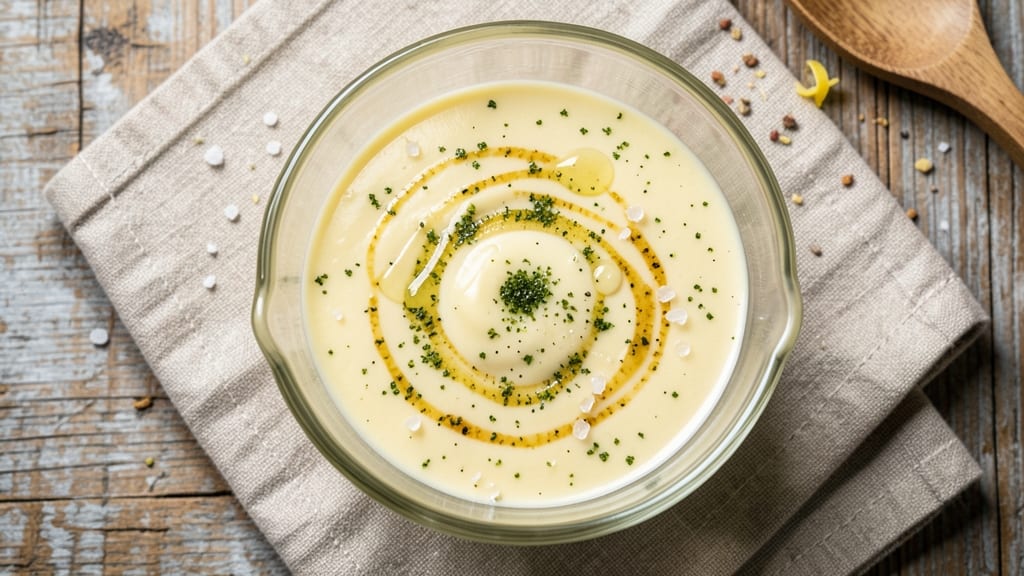
This Anna's Deli Special Sauce recipe captures the iconic sweet-tangy balance that makes Reuben sandwiches legendary. The secret lies in blending creamy mayonnaise with sharp horseradish, a touch of sugar, and a hint of vinegar for that signature depth.
I've perfected this sauce over years of testing, ensuring every spoonful delivers that unmistakable deli-house flavor without the mystery ingredients.
The magic happens when you combine these simple ingredients in precise proportions—just enough sweetness to complement the tang, with a kick of horseradish that lingers just right. This sauce isn't just for Reuben sandwiches; it elevates corned beef, pastrami, or even as a dipping sauce for fries.
The texture is smooth yet vibrant, with a slight cling that makes every bite unforgettable.
What sets this recipe apart is the balance of flavors: the creamy base of mayonnaise, the sharpness of horseradish, and the subtle sweetness that rounds out the tang. No shortcuts here—just a foolproof method that delivers restaurant-quality results at home.
The sauce keeps well in the fridge for up to a week, so you can make a batch and enjoy it all week long.
Ready to transform your sandwiches with this sweet-tangy secret? The ingredients are simple, but the flavor is anything but ordinary. Let's get started on this deli-worthy sauce that'll have everyone asking for seconds.
Ingredients for anna's deli special sauce
Eight simple ingredients create this legendary deli sauce with perfect sweet-tangy balance.
| Ingredient | Amount | Notes |
|---|---|---|
| Mayonnaise 🥛 | 1 cup | High-quality, full-fat preferred |
| Prepared Horseradish 🌶️ | ½ cup | Creamy, not coarse |
| Granulated Sugar 🍚 | 2 tbsp | White or light brown |
| White Vinegar 💧 | 1 tbsp | Distilled preferred |
| Dijon Mustard 🌿 | 1 tbsp | Mild or medium heat |
| Kosher Salt 🧂 | ½ tsp | Diamond Crystal preferred |
| Freshly Ground Black Pepper 🌶️ | ¼ tsp | Freshly cracked preferred |
| Fresh Lemon Juice 🍋 | 1 tbsp | Freshly squeezed |
The mayonnaise forms the creamy base, so Duke's or Hellmann's are ideal choices—avoid the light versions, which lack richness. Prepared horseradish is critical; Gourmet Garden offers the creamiest variety without overpowering. For sugar, Domino brand is reliable, but light brown adds subtle depth. Vinegar should be white distilled, not apple cider or balsamic, to maintain the signature tang. Freshly ground black pepper and lemon juice elevate the sauce beyond store-bought versions, delivering that authentic deli-house quality. The Dijon mustard adds complexity without overpowering.
No prepared horseradish? Fresh horseradish root (grated and mixed with equal parts mayonnaise) delivers superior sharpness. Substitute white vinegar with rice vinegar at half the amount for a milder tang. Light on sugar? Maple syrup works in a pinch, though the flavor profile shifts slightly. For a smoother texture, blend all ingredients until silky. The sauce thickens as it chills, so adjust consistency with a splash of water or lemon juice if needed. For extra depth, add a pinch of smoked paprika—it mimics the subtle smokiness of deli meats.
This sauce maintains peak flavor for 1 week refrigerated in an airtight container. For long-term storage, transfer to a sterile jar and freeze for up to 3 months. Stir before each use, as the ingredients naturally separate. Portion into small containers for sandwiches or dipping—it's worth making extra. The flavor intensifies after resting for 24 hours, so plan ahead for the best results. Avoid metal spoons during storage to prevent oxidation.
Why You'll Love This Recipe
- Five-Ingredient Magic: I swear, this sauce is the kind of recipe that makes you question why you ever bought store-bought versions. Just mayo, horseradish, sugar, vinegar, and mustard—no fancy techniques, no last-minute grocery runs. The horseradish brings that sharp, tangy kick, but the sugar and vinegar smooth it out into something balanced and ridiculously good.
- Deli Counter Vibes: Here’s what sold me—it’s the kind of sauce that makes a simple sandwich feel like a gourmet meal. The Dijon mustard adds depth, while the white vinegar cuts through the richness of the mayo, leaving you with that perfect mix of creamy and bright. Slather it on roast beef, turkey, or even a grilled cheese—suddenly, everything tastes like your favorite deli.
- Leftovers That Don’t Suck: Between us, I make a big batch and keep it in the fridge for weeks. It doesn’t spoil, it doesn’t separate (thanks to that sugar and vinegar trick), and honestly? I find myself reaching for it even when I’m not making sandwiches. Drizzle it on fries, mix it into deviled eggs, or toss it with pasta—it’s the kind of sauce that turns leftovers into something worth eating.
- Budget Hack Done Right: This recipe costs me pennies to make, and I don’t mean that in a sad way—I mean it’s smart. A little goes a long way, and since it’s just pantry staples, I’m not scrambling for obscure ingredients. Plus, once you taste how much better homemade is than the jarred stuff, you’ll never want to go back. (Yes, even on a Tuesday night.)
Step-by-step instructions for anna's deli special sauce
This signature sauce delivers the perfect balance of sweet, tangy, and spicy flavors that elevate Reuben sandwiches.
Whisk Together the Base Ingredients
In a medium bowl, combine the 1 cup mayonnaise with the 0.5 cup prepared horseradish. Use a whisk to blend them thoroughly until completely smooth—this ensures the horseradish disperses evenly without graininess. The mixture will have a pale yellow hue with subtle green flecks from the horseradish.
Next, add the 2 tablespoons granulated sugar and whisk again until fully incorporated. The sugar will help mellow the horseradish's sharpness while adding the signature sweetness. At this stage, the sauce should be uniform in texture with no visible sugar crystals remaining.
Incorporate the Acidic and Savory Components
Add the 1 tablespoon white vinegar and 1 tablespoon Dijon mustard to the bowl. Whisk vigorously for about 30 seconds until the mixture becomes slightly thicker and develops a glossy sheen. The vinegar introduces the essential tang, while the mustard adds depth and a subtle heat that complements the horseradish.
Taste the mixture at this point—it should balance sweetness with acidity. If it tastes too sharp, add another ½ teaspoon sugar; if too mild, add ½ teaspoon vinegar. This adjustment is crucial for achieving the authentic deli-house flavor profile that makes this sauce so distinctive.
Season and Finish with Fresh Lemon
Add the 0.5 teaspoon kosher salt and 0.25 teaspoon freshly ground black pepper, whisking until fully dissolved. The salt enhances all flavors while the pepper adds a subtle warmth that rounds out the sauce's complexity. At this stage, the sauce should have a well-balanced flavor profile with no single component overpowering.
Finally, stir in the 1 tablespoon fresh lemon juice using a spoon rather than whisking—this prevents incorporating excess air. The lemon juice brightens the sauce and cuts through the richness of the mayonnaise. The finished sauce should have a vibrant yellow color with a smooth, velvety texture and a flavor profile that's simultaneously sweet, tangy, and slightly spicy.
Rest and Adjust for Perfect Consistency
Cover the bowl with plastic wrap and let the sauce rest at room temperature for 10 minutes. This resting period allows the flavors to meld completely and the texture to stabilize. During this time, the sauce will naturally thicken slightly as the ingredients interact.
After resting, taste the sauce again and make any final adjustments. If it's too thick, thin with 1 teaspoon water at a time until reaching your desired consistency—it should coat the back of a spoon smoothly but not be runny. If too thin, add ½ teaspoon additional mustard to help thicken it. The perfect consistency is crucial for proper application on sandwiches.
Pro Tips For Making Anna'S Deli Special Sauce
- STIR IN STAGES: Mix the mayonnaise first, then add the horseradish one teaspoon at a time—this lets you taste-test and control the heat. I learned this the hard way after dumping a whole jar in and regretting it immediately.
- CHILL THE HORRADISH: Run the prepared horseradish through a fine-mesh sieve to remove the skin and seeds—it’s gritty, and you’ll feel it in every bite. Do this before measuring, or you’ll end up with a sauce that’s more texture than flavor.
- DON’T RUSH THE VINEGAR: Add the white vinegar slowly, a teaspoon at a time, while tasting. Too much and the sauce turns sharp; too little and it’s bland. My first batch was a vinegar disaster—now I go by smell as much as taste.
- UPGRADE THE MUSTARD: Swap the Dijon for a high-quality whole-grain mustard if you have it—it adds depth and a subtle crunch. No mustard? A splash of lemon juice brightens the sauce just as well, but don’t skip the acid entirely.
Regional styles of this anna's deli special sauce
New York Deli Style
In New York City, Anna's Deli Special Sauce is the star of their legendary Reuben sandwiches. The sauce here is slightly thicker, almost clingy, to hold up to the crispy rye bread and melted Swiss cheese.
I've noticed New York delis often use a touch more sugar—about 1 extra tablespoon—to balance the sharpness of the horseradish, especially when paired with sauerkraut. The secret? A longer rest time (24 hours) in the fridge before serving, which lets the flavors meld perfectly. 🥪
Midwest Reuben Twist
In the Midwest, particularly in Chicago and St. Louis, this sauce gets a heartier approach. They often blend in 1 teaspoon of Worcestershire sauce to add umami depth, which pairs beautifully with the region's love of corned beef.
The texture here is slightly thinner to complement the buttery, soft rye bread popular in these areas. I've found that substituting ½ teaspoon of honey for sugar creates a caramelized note that locals adore. This version works especially well with pastrami sandwiches. 🍯
California Fusion Version
West Coast chefs put their own spin on this classic sauce by incorporating 1 teaspoon of avocado oil into the mayonnaise base for a smoother, richer texture.
They also reduce the sugar slightly (1 tablespoon instead of 2) to keep the sauce lighter, aligning with California's preference for fresher, less sweet flavors.
A splash of 1 teaspoon of lime juice replaces lemon juice, adding a citrusy brightness that complements the region's love of fresh, vibrant ingredients. This version shines on open-faced sandwiches with arugula and goat cheese. 🌿
Southern BBQ-Inspired Adaptation
In Southern states, this sauce often gets a smoky kick by adding ½ teaspoon of smoked paprika to the base. The heat is turned up slightly with 1 extra teaspoon of prepared horseradish, and the sugar is reduced to 1 tablespoon to avoid overwhelming the smoky flavors.
This version is perfect for dipping fried green tomatoes or pairing with pulled pork sandwiches. The Southern touch? A dash of hot sauce stirred in just before serving to add a spicy finish. 🔥
Pacific Northwest Refresh
The Pacific Northwest takes this sauce in a lighter direction, emphasizing freshness. They often use 1 tablespoon of apple cider vinegar instead of white vinegar for a milder tang and add 1 teaspoon of fresh dill for a bright, herbal note.
The sugar remains at 2 tablespoons, but the sauce is thinned slightly with 1 teaspoon of water to create a lighter, more drizzlable consistency. This version pairs beautifully with smoked salmon sandwiches or as a dip for seafood platters. 🌊
Texas-Style Bold Version
In Texas, this sauce gets a bolder, spicier twist. They increase the horseradish to ⅔ cup and add ½ teaspoon of cayenne pepper for heat.
The sugar is kept at 2 tablespoons, but the sauce is thickened with 1 extra teaspoon of Dijon mustard to handle the extra moisture from the horseradish. This version is a must-try with brisket sandwiches or as a dip for jalapeño poppers. The Texan touch?
A sprinkle of crushed red pepper flakes on top right before serving. 🌶️
Nutrition facts
Frequently asked questions
Can I make this sauce without horseradish?
The horseradish is essential for that signature sharp kick, but if you're sensitive to heat, you can reduce it to ¼ cup while adding ½ teaspoon of extra mustard for depth. For a completely horseradish-free version, substitute with 1 tablespoon of prepared wasabi (reduce to ½ teaspoon for mild heat) or 1 teaspoon of grated ginger—both add zing without the same intensity.
How do I adjust this sauce for dipping fries instead of sandwiches?
For fries, thin the sauce slightly by adding 1-2 teaspoons of water or lemon juice until it reaches a drizzlable consistency. Add ½ teaspoon of garlic powder and ¼ teaspoon of smoked paprika to enhance the savory profile. Serve chilled for that crisp, tangy contrast. The sauce will cling better to fries when slightly thinner.
Why does my sauce look grainy after mixing?
Graininess usually happens when the horseradish isn't fully incorporated or when sugar isn't dissolved completely. Whisk the mixture for an extra 30 seconds to break up any lumps, then strain through a fine-mesh sieve if needed. For future batches, dissolve the sugar in 1 tablespoon of warm water first, then mix it in—this prevents crystallization.
Can I make this sauce dairy-free?
Replace the mayonnaise with 1 cup of dairy-free vegan mayo (like Hellmann's Vegan or Just Mayo). For extra creaminess, add 1 tablespoon of neutral oil (like avocado or grapeseed). The flavor remains identical, just without dairy. Store in a glass jar to avoid plastic absorption.
How long should I let the sauce sit before using it?
For optimal flavor, let the sauce rest for at least 24 hours in the fridge before using. This allows the ingredients to fully meld and the texture to stabilize. The longer it rests (up to 1 week), the more complex and balanced the flavors become. If you're in a hurry, 10 minutes at room temperature helps, but the 24-hour version is truly next-level.