
Sauces & Condiments
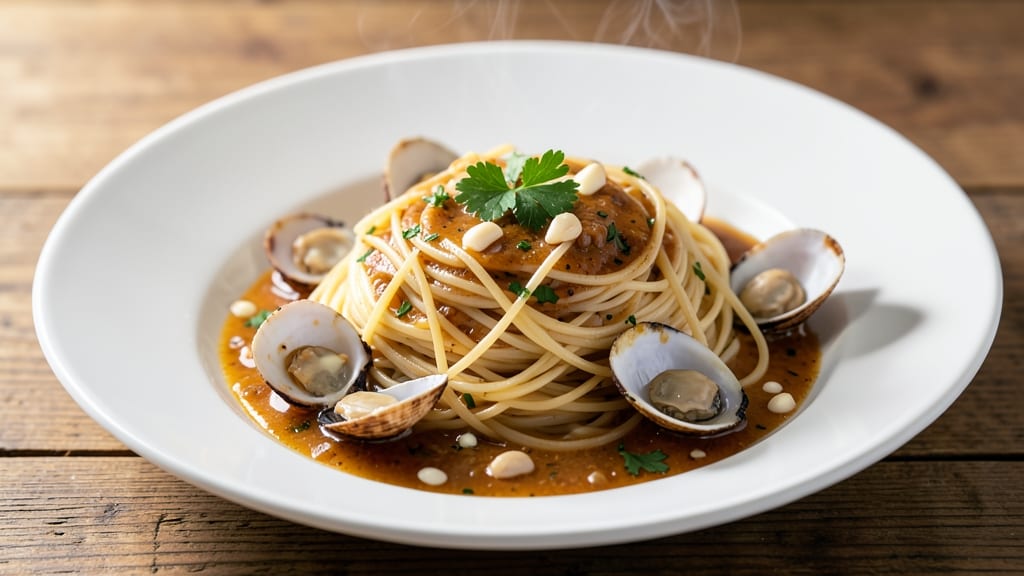
This angel hair pasta with clam sauce recipe delivers the perfect balance of briny seafood and rich garlic-butter harmony in every bite. The delicate strands of pasta pair beautifully with tender clams and a velvety sauce that's infused with white wine, garlic, and a touch of cream.
I developed this dish after years of perfecting Italian seafood pasta at home—it's restaurant-quality without the fuss.
The secret lies in the sauce: clams steamed in white wine until just opened, then finished with a touch of cream and butter for a luxurious texture. Meanwhile, the angel hair pasta cooks in just 5 minutes, maintaining its delicate texture while absorbing the briny, garlicky flavors.
This dish is quick yet feels special, making it ideal for weeknight dinners or weekend entertaining.
What you'll end up with is a plate of tender clams nestled among strands of al dente pasta, all coated in a sauce that's rich yet light. The aroma alone—garlic, white wine, and fresh clams—will have everyone gathering around the table.
Serve with a sprinkle of parsley, a squeeze of lemon, and crusty bread to soak up every last drop.
Perfect for pescatarians or anyone craving a taste of the Mediterranean, this recipe comes together in under 30 minutes with minimal effort. The key is fresh clams and high-quality ingredients—trust me, it makes all the difference. Let's get cooking!
Ingredients for angel hair with clam sauce
Fresh clams, delicate pasta, and aromatic garlic create this restaurant-quality seafood dish.
| Ingredient | Amount | Notes |
|---|---|---|
| Fresh Clams 🦪 | 1 ½ lb | Freshly shucked or whole, cleaned |
| Angel Hair Pasta 🍝 | 8 oz | High-quality, dried pasta |
| Garlic Cloves 🧄 | 6 cloves | Fresh, minced for sauce |
| Unsalted Butter 🧈 | ½ cup | European-style preferred |
| Heavy Cream 🥛 | ¼ cup | Full-fat for richness |
| Dry White Wine 🍷 | ½ cup | Sauvignon Blanc or Pinot Grigio |
| Fresh Parsley 🌿 | ¼ cup | Chopped, for garnish |
| Lemon Juice 🍋 | 1 tbsp | Freshly squeezed |
| Salt 🧂 | 1 tsp | Diamond Crystal preferred |
| Ground Black Pepper 🌶️ | ½ tsp | Freshly ground |
| Olive Oil 🫒 | 2 tbsp | Extra-virgin for cooking |
| Shallots 🧅 | 2 whole | Minced, for depth |
The clams are the star—look for freshly harvested ones at your seafood counter, ideally Littlenecks or Manilas. If they're still in the shell, clean them thoroughly by scrubbing under cold water. Whole Foods or high-end grocery stores like H-Mart often carry the best quality. For pre-shucked clams, check the refrigerated section—they should smell briny, not fishy. If using whole, steam them in a colander over boiling water for 4-5 minutes until they open. Discard any that don't open. The shallots add subtle sweetness—Trader Joe's sells pre-minced ones if you're short on time, but fresh is always better. For the garlic, Italian varieties have more flavor than standard grocery store cloves.
No fresh clams? Frozen clams work too—thaw and rinse well before using. Short on white wine? Dry vermouth or even clam juice can substitute, though the flavor will differ slightly. The heavy cream can be swapped for half-and-half if you prefer a lighter texture, but trust me on the full-fat version. If you don't have shallots, extra shallot-flavored onion powder (about 1 tsp) can mimic the taste. The olive oil matters here—use something with a fruity, peppery finish like California extra-virgin. For the pasta, De Cecco or Barilla brands cook perfectly every time. And if you're out of parsley, cilantro or basil will work in a pinch for garnish.
Clams should be used within 2 days of purchase for peak freshness—store them in the fridge, unshucked, in a bowl of ice. The pasta keeps indefinitely in a cool, dry place, but once cooked, it's best used within 2 days. The sauce reheats beautifully—simply warm on the stove with a splash of water or wine to loosen it. For meal prep, store components separately: cooked pasta, clams, and sauce in airtight containers. Reheat the sauce first, then toss with pasta and clams. The lemon juice should be added just before serving to keep it bright. This dish tastes even better the next day as the flavors meld.
Why You'll Love This Recipe
- Weeknight Magic: I swear by this when I’m too tired to think—just boil the pasta, steam the clams, and toss. No fancy techniques, no stress. The sauce comes together while you’re waiting for the water to boil.
- Clams Feel Luxe: That briny, tender clam meat in a velvety garlic-cream sauce? It’s restaurant-quality without the fuss. The butter and cream mellow the ocean sharpness into something so rich, I’ll eat it straight from the pot.
- Leftovers? Better: This dish actually improves the next day. The pasta soaks up the sauce, the clams get even more tender, and I’ve reheated it for lunch three times this week. (Yes, even on a Tuesday.)
- Budget Seafood Win: Fresh clams are cheaper than you’d think, and a pound stretches over two meals. Angel hair is dirt cheap, and the butter/cream combo makes it feel special. My wallet and my taste buds thank me.
Step-by-step instructions for angel hair pasta with clam sauce
Here's the method for creating a luxurious seafood dish with perfectly balanced flavors and tender pasta.
Prepare the Clams and Sauté the Aromatics
If using whole clams, carefully shuck them with a clam knife, discarding any that don't close tightly when tapped. For freshly shucked clams, reserve the liquid—you'll need about ½ cup for the sauce. Set the clams aside with their liquid.
Heat 2 tablespoons olive oil in a large skillet over medium heat. Add the 2 whole shallots (minced) and cook for 3-4 minutes until softened but not browned. Add the 6 cloves garlic cloves (minced) and cook for another 30 seconds until fragrant. This aromatic base forms the flavor foundation for your sauce.
Cook the Clams and Deglaze the Pan
Increase heat to medium-high and add the 1.5 lb fresh clams to the skillet. Cover and cook for 3-5 minutes, shaking occasionally, until the clams open. Discard any that remain closed. Remove the clams with a slotted spoon and set aside, reserving the clam liquid in the pan.
Pour in the 0.5 cup dry white wine and scrape up all the browned bits from the bottom of the pan. This deglazing step captures all the flavorful fond that would otherwise stick to your pan. Simmer for 2-3 minutes until the wine reduces by half, creating a rich base for your sauce.
Build the Garlic-Butter Sauce
Reduce heat to medium-low and add the 0.5 cup unsalted butter. Stir constantly for 2-3 minutes until the butter melts completely and the sauce begins to emulsify. Add the 0.25 cup heavy cream and stir for another 1-2 minutes until the sauce thickens slightly and coats the back of a spoon.
Season with the 1 tsp salt and 0.5 tsp ground black pepper. Stir in the 1 tablespoon lemon juice and cook for another 30 seconds. The sauce should be glossy with a velvety texture—this is your signature clam sauce. If it's too thick, add a splash of reserved clam liquid to reach your desired consistency.
Cook the Pasta and Combine
Bring a large pot of salted water to a rolling boil. Add the 8 oz angel hair pasta and cook for 1 minute less than package instructions (about 7-8 minutes for al dente). Reserve ½ cup pasta water before draining.
Add the cooked pasta to the clam sauce along with the reserved clam liquid. Toss gently to coat the pasta evenly. If needed, add a splash of pasta water to loosen the sauce. Stir in the clams and heat through for 1-2 minutes until everything is warmed through.
Finish and Serve
Remove from heat and stir in the 0.25 cup fresh parsley (chopped). Taste and adjust seasoning if needed. The dish should have a perfect balance of briny clams, rich butter sauce, and bright lemon notes.
Serve immediately, garnished with additional parsley if desired. The pasta should be al dente with a glossy sauce clinging to each strand, and the clams should be tender with their natural brininess complementing the rich garlic-butter sauce. Enjoy while warm for the best texture and flavor experience.
Pro Tips For Making Angel Hair With Clam Sauce
- STEAM CLAMS FAST: Don’t simmer clams in the sauce—steam them first in a separate pot with just a splash of water, a pinch of salt, and a lid clamped tight. They’ll open in 3-5 minutes, and the broth will be crystal clear for your sauce instead of murky.
- MINCE GARLIC FINE: Use a knife, not a press—slicing cloves lengthwise into paper-thin slivers before mincing gives you way more surface area for flavor. I learned this the hard way after burning garlic in a pan because it was too chunky.
- DON’T BOIL PASTA: Angel hair is delicate—cook it in the clam broth instead of plain water if you can. If not, reserve a cup of starchy pasta water and toss the drained noodles with a splash before adding the sauce. This keeps it silky, not gluey.
- WHISK CREAM COLD: Add heavy cream to the warm sauce off the heat, then whisk in just enough to coat the clams and garlic—about ¼ cup. The sauce will thicken as it sits; adding more later ruins the balance. (Yes, even if it looks thin at first.)
Regional styles of this angel hair with clam sauce
Italian Coastal Tradition
This dish traces its roots to Italy's coastal regions, particularly Liguria and Sicily, where fresh seafood and simple ingredients take center stage. The original version, Spaghetti alle Cozze, often features spaghetti instead of angel hair, but the delicate strands of angel hair became popular in later adaptations.
I first tried this dish in a tiny trattoria in Naples, where the clams were so fresh they opened on the spot in the sauce. 🦪
The classic version relies on white wine, garlic, and olive oil, but modern interpretations—like this one—add cream and butter for extra richness. Traditional recipes also include a splash of lemon juice at the end, which I've incorporated here for that bright, fresh finish.
The key is using freshly shucked clams—never frozen—to capture that authentic briny sweetness.
New England Clam Chowder Twist
Across the Atlantic, this dish morphed into a New England-inspired version where the clam sauce is thicker and often includes potatoes or corn for heartiness. In coastal towns like Maine or Massachusetts, you'll find this served as a clam chowder with angel hair pasta stirred in at the end.
The secret here is using clam broth instead of wine for a deeper, saltier flavor. I've made this version with heavy cream and a touch of smoked paprika for a smoky depth.
For a true New England twist, add diced potatoes to the sauce and simmer until tender, then stir in the pasta. Top with crumbled bacon and green onions for a dish that’s equal parts comforting and indulgent.
The texture is creamier, almost like a clam bisque, but still retains that signature briny clam flavor.
Spanish Paella Fusion
In Spain, a similar dish called Arroz con Almejas (clam rice) inspired a paella-style adaptation where angel hair pasta replaces rice. The sauce incorporates saffron, smoked paprika, and sometimes chorizo for a smoky, earthy kick.
I love adding roasted red peppers and calamari to this version for extra texture. The dish is often served with a side of alioli (garlic mayo) for dipping.
To make this fusion work, start by sautéing smoked paprika and garlic in olive oil, then add the clams and white wine. After the clams open, stir in saffron-infused broth and let it reduce before adding the pasta.
Finish with chopped parsley and a squeeze of lemon—the saffron gives the sauce a gorgeous golden hue that’s impossible to resist. 🌶️
Mediterranean Seafood Upgrade
For a lighter take, Mediterranean versions swap the cream for olive oil and a splash of pasta water, keeping the sauce bright and silky. In Greece and Turkey, this dish often includes calamari, shrimp, or mussels alongside clams, creating a true seafood medley.
The pasta is tossed with fresh dill, mint, and a drizzle of lemon for a refreshing contrast to the rich clam flavor.
To achieve this look, after cooking the clams, strain the sauce to remove any grit, then finish it with a generous glug of olive oil (about 2 tablespoons) to emulsify. Stir in chopped fresh herbs and a zest of lemon just before serving.
Serve with warm pita bread or grilled crusty bread for dipping. The result is a dish that’s light yet satisfying, perfect for warm weather.
Nutrition facts
Frequently asked questions
Can I substitute frozen clams for fresh?
Yes, but thaw them completely first and rinse thoroughly to remove any grit. Frozen clams work well, though fresh ones offer superior flavor. If using frozen, add them to the pan when the wine is deglazed but before adding butter—this helps prevent the sauce from breaking. For best results, use freshly shucked clams when possible.
How do I know when clams are done cooking?
Clams are done when their shells open fully and the edges pull away slightly. Discard any that remain closed after 5 minutes of cooking. If a clam opens but then closes again, it's a sign it's overcooked—remove it from the pan immediately. The cooking time should be quick (3-5 minutes) to maintain their tender texture.
Can I make this dish ahead of time?
Cook the pasta and sauce separately, then store them in airtight containers. Reheat the sauce first, then toss with pasta and clams. Add a splash of pasta water or wine to loosen the sauce. The flavors actually improve overnight as they meld together—just reheat gently to preserve the clams' tenderness.
What wine works best for the sauce?
A crisp, dry white wine like Sauvignon Blanc or Pinot Grigio is ideal—it complements the briny clams beautifully. Avoid sweet wines, as they'll overpower the dish. If you don't have wine, substitute with clam juice or dry vermouth, though the flavor will differ slightly. The key is using a wine with good acidity to balance the richness.
How do I prevent the sauce from breaking?
Never boil the sauce—keep the heat at medium-low when adding butter and cream. Stir constantly to prevent separation. If the sauce does break, whisk in a splash of pasta water or reserved clam liquid to re-emulsify. Adding the cream at the end (after butter is melted) also helps maintain a smooth texture.