
Sauces & Condiments
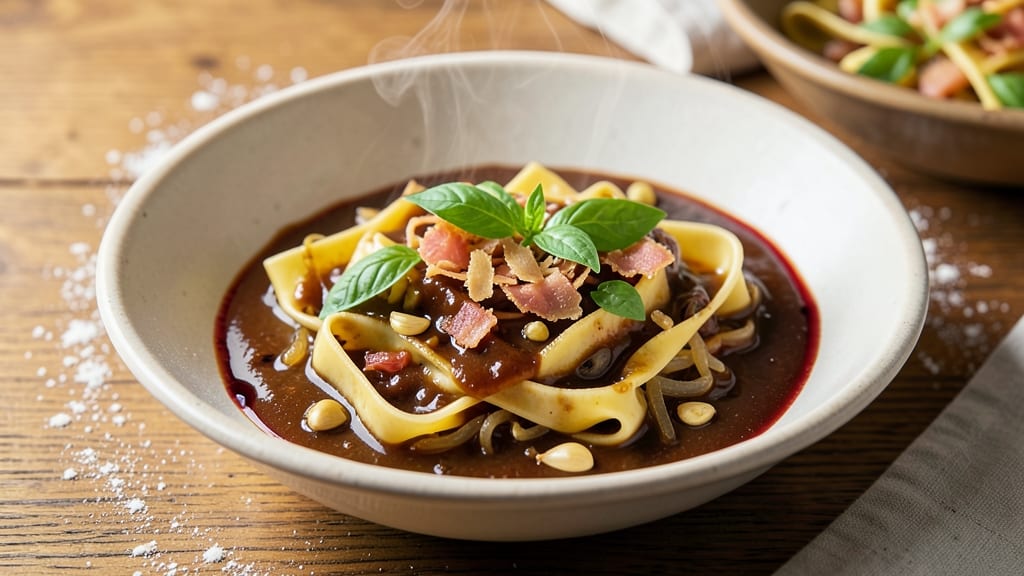
This Andiamo Bolognese sauce recipe delivers restaurant-quality depth without the wine splurge, using slow-simmered meat and layered aromatics for rich, velvety texture. The secret lies in browning ground beef thoroughly to develop deep umami flavors before combining it with tomatoes, herbs, and broth.
What sets this version apart is the 30-minute simmer that builds complexity without overcooking the meat—perfect for weeknight dinners that taste like a Sunday supper.
The foundation begins with ground beef and pork (traditional for fat content and flavor), seared until crispy before deglazing with onions and garlic. A touch of tomato paste forms the base, then simmered with crushed tomatoes and beef broth to create a sauce that thickens naturally over time.
The result? A meaty, savory sauce with just the right balance of acidity and richness—no wine required for authenticity.
What makes this sauce exceptional is its versatility—serve it over tagliatelle, fettuccine, or even polenta for a hearty meal. The slow-cooked method means flavors deepen overnight, making it ideal for meal prep.
Store leftovers in the fridge for up to 5 days or freeze for 3 months without losing texture. Each spoonful delivers that slow-simmered meatiness you crave, with no shortcuts.
For extra depth, stir in a splash of red wine at the end (optional) or add parmesan cheese while serving. The key is patience—letting the sauce work its magic on the stove transforms simple ingredients into something unexpectedly luxurious. Ready to elevate your pasta nights?
Ingredients for andiamo bolognese sauce
Eleven ingredients transform into a velvety, meaty sauce with restaurant-quality depth.
| Ingredient | Amount | Notes |
|---|---|---|
| Ground Beef and Pork Mix 🥩 | 1 ½ lb | 80/20 fat ratio for richness |
| Yellow Onion 🧅 | 1 whole | Medium size, finely chopped |
| Garlic Cloves 🧄 | 4 cloves | Fresh, minced for aromatic base |
| Tomato Paste 🍅 | 2 tbsp | High-quality, no sugar added |
| Crushed Tomatoes 🍅 | 28 oz | San Marzano preferred, no added salt |
| Beef Broth 💧 | 2 cups | Homemade or low-sodium store-bought |
| Extra-Virgin Olive Oil 🫒 | 2 tbsp | For initial searing and finishing |
| Dried Oregano 🌿 | 1 tsp | Italian variety preferred |
| Dried Thyme 🌿 | 1 tsp | Fresh if available, otherwise dried |
| Salt 🧂 | 1 ½ tsp | Diamond Crystal kosher preferred |
| Black Pepper 🌶️ | ½ tsp | Freshly ground for best flavor |
The meat blend is non-negotiable—80/20 ground beef and pork delivers the perfect fat-to-lean ratio for that signature Bolognese richness. Costco or local butchers often carry pre-mixed blends, but if you must separate them, use 1 lb beef and 0.5 lb pork. For the tomatoes, San Marzano canned crushed tomatoes are worth the splurge—none of that watery, salty nonsense. The broth should be rich but not overpowering; homemade or high-quality low-sodium store-bought works best. Fresh thyme and oregano elevate the sauce beyond basic Italian seasoning—Penzeys or bulk bins are ideal for quality dried herbs.
No San Marzano? Whole peeled tomatoes crushed by hand work surprisingly well, though you'll need about 1.5 lbs to match the canned equivalent. Substituting pork? Italian sausage or ground lamb at the same weight keeps the richness. The olive oil matters here—avoid light or refined oils that lack flavor. For a vegetarian version, swap the meat for mushrooms and lentils, but the texture will differ. The tomato paste can be reduced to 1 tbsp if you're tight on budget, though the extra depth is worth it. And if you're using dried herbs, toast them lightly in a dry pan before adding to release their oils.
This sauce improves overnight—make a double batch and store half for later. Keeps for 5 days refrigerated or 3 months frozen in airtight containers. For reheating, low heat only to prevent skin formation. The sauce thickens as it cools, so if it seems too stiff after chilling, add a splash of broth when reheating. Portion into meal-prep containers with a layer of olive oil on top to preserve freshness and prevent browning.
Why You'll Love This Recipe
- One-Pot Magic: I swear by this recipe—just brown the meat, toss in the onions and garlic, then let the tomato paste and crushed tomatoes do their thing. No extra pans, no fuss, and honestly? It feels like a hug in a skillet.
- Pork-Beef Powerhouse: That mix of ground pork and beef? Rich, deep, and chewy in the best way. The onions caramelize just enough to sweeten the sauce, while the garlic cloves (don’t skip the fresh ones!) add layers of warmth that linger.
- Weeknight to Dinner Party: Between us, this sauce works for everything—spaghetti on a Tuesday, lasagna for company, or even stuffed into baked potatoes when I’m lazy. (Yes, even on a Tuesday night.) It’s the kind of recipe that feels special without requiring effort.
- Budget-Friendly Pantry Hero: I make this all the time because it’s ridiculously cheap—ground meat, onions, and canned tomatoes? That’s it. Plus, it reheats like a dream, so I double the batch and freeze half. No wasted ingredients, no wasted money. Just pure satisfaction.
Step-by-step instructions for Andiamo Bolognese sauce
This method delivers deep, meaty flavor without wine—just pure, slow-simmered richness.
Build the Flavor Base with Aromatics
Heat the 2 tablespoons extra-virgin olive oil in a heavy Dutch oven over medium heat. Add the 1 whole yellow onion, chopped into even ¼-inch pieces, and cook for 8-10 minutes until translucent and just beginning to caramelize at the edges. This slow cook transforms the onion into sweet, flavorful bits that form the sauce's foundation.
Add the 4 cloves garlic, minced, and cook for 30 seconds until fragrant—don't let it brown, or it'll turn bitter. Immediately stir in the 2 tablespoons tomato paste and cook for another 2 minutes, stirring constantly. This step develops the sauce's deep umami flavor before adding any liquid, ensuring it doesn't break down prematurely.
Brown the Meat for Maximum Depth
Add the 1.5 pounds ground beef and pork mix to the Dutch oven, breaking it up with a wooden spoon. Cook over medium-high heat for 8-10 minutes, stirring occasionally, until the meat loses its raw color and begins to brown. The fat should render out and coat the bottom of the pan, creating a rich, caramelized crust.
Here's the key: don't rush this step. The meat should be fully browned but not crispy—this ensures maximum flavor extraction. If the pan gets too dry, add 1 tablespoon beef broth to deglaze, scraping up any browned bits from the bottom. These bits, called fond, are packed with flavor that will dissolve into the sauce.
Simmer with Tomatoes and Herbs
Pour in the 28 ounces crushed tomatoes and 2 cups beef broth, stirring to combine. Add the 1 teaspoon dried oregano, 1 teaspoon dried thyme, 1.5 teaspoons salt, and 0.5 teaspoon black pepper. Bring the mixture to a gentle simmer over medium-low heat, then reduce the heat to maintain a barely perceptible bubble at the surface.
This is where patience pays off. Let the sauce simmer uncovered for 1.5 hours, stirring occasionally to prevent sticking. The liquid will reduce significantly, and the sauce will thicken into a velvety consistency. The aroma will deepen as the flavors meld, and you'll see the sauce darken slightly—a sign of proper caramelization and development.
Finish and Rest for Perfect Texture
After 1.5 hours, taste the sauce and adjust the seasoning if needed. The sauce should be rich, meaty, and balanced—no added salt should be necessary if you used kosher salt as specified. If the sauce is too thick, add 1-2 tablespoons beef broth to reach your desired consistency.
Remove the sauce from heat and let it rest for 15 minutes. This resting period allows the flavors to fully integrate and the sauce to thicken slightly as it cools. Skim off any excess fat that has risen to the surface if desired, though a small amount adds richness. Serve immediately over al dente pasta or store in an airtight container in the refrigerator for up to 5 days or freeze for 3 months.
Pro Tips For Making Andiamo Bolognese Sauce
- CRACK THE MEAT FIRST: Brown the ground beef and pork mix in two batches—don’t overcrowd the pan. Use medium-high heat and break it up with a wooden spoon until it loses its raw color and starts sizzling. I learned this the hard way: a single crowded pan turns the meat into a greasy sludge instead of a flavor base.
- SWEEP THE PAN: After browning the meat, wipe out the pan with a paper towel to remove all the rendered fat before adding onions and garlic. That extra fat will burn and turn bitter—trust me, you’ll taste the difference when the sauce starts building.
- TOAST THE TOMATO PASTE: Cook the tomato paste in the same pan for 3-4 minutes before adding liquid—it deepens the flavor and thickens the sauce later. Stir constantly and resist the urge to rush; this step makes the difference between a basic ragù and something rich and complex.
- SAVE THE ONION WATER: When you dice the onion, soak the scraps in cold water for 10 minutes, then strain and add the liquid to the sauce. It’s a flavor booster I picked up from my nonna—it softens the acidity of the tomatoes and adds a subtle sweetness without extra effort.
Storing and reheating this recipe
Fridge Storage Secrets
Transfer your Bolognese sauce to airtight glass containers (I love Pyrex with snap-on lids) while still warm to prevent condensation buildup. Let it cool completely at room temperature for no more than 2 hours before refrigerating at 40°F or below.
The sauce actually tastes better the next day as flavors meld—just stir in 1-2 tablespoons beef broth if it thickens too much after chilling. 🥫
Freezer Magic
For long-term storage, portion sauce into quart-sized freezer bags (leave 1-inch headspace for expansion) or glass mason jars. Label with the date—this sauce stays perfect for up to 3 months.
When ready to use, thaw overnight in the fridge or reheat directly from frozen using the low-heat stovetop method below. Never microwave frozen Bolognese—it creates a skin and ruins the texture. ❄️
Stovetop Revival
My preferred reheating method: Pour sauce into a heavy-bottomed pot and heat over medium-low for 10-15 minutes, stirring occasionally. The gentle heat prevents curdling and maintains that silky, meaty consistency.
For extra richness, add 1 tablespoon olive oil during reheating. If the sauce seems dry, splash in 2-3 tablespoons beef broth while warming. 🔥
Microwave Shortcut
For quick meals, transfer 1-2 servings to a microwave-safe bowl, cover with a damp paper towel, and heat on 50% power in 1-minute intervals, stirring between each.
This prevents hot spots and keeps the sauce from separating. The damp towel creates a steam barrier that preserves moisture—trust me, it makes a difference. 💫
Fat Skimming Tip
After refrigerating, you'll notice a layer of fat solidifying on top. Simply spoon it off before reheating—this reduces calories while keeping the sauce rich. Save the fat for future cooking (it's perfect for searing or sautéing). The remaining sauce should still have enough fat to coat your pasta beautifully. 🧂
Meal Prep Hack
Double the recipe and store half for later—this sauce gets better with time. When ready to serve, reheat portions and toss with freshly cooked pasta (add sauce to the pasta water for extra flavor).
For a restaurant-style finish, top with grated Parmesan and fresh basil. The key is low-and-slow reheating—never rush it, or you'll lose that velvety texture. ✨
Nutrition facts
Frequently asked questions
Why does this Bolognese sauce need such a long simmer time?
The 1.5-hour simmer is key for developing deep, complex flavors through slow reduction. This method breaks down the meat fibers, intensifies the tomato base, and allows aromatics to meld completely. Rushing it results in a thinner, less flavorful sauce—think of it as the difference between a quick stir-fry and a slow-braised stew.
Can I substitute pork with chicken or turkey in this recipe?
While possible, it's not recommended for authentic texture. Chicken or turkey will make the sauce lighter and less rich. If you must substitute, use ground pork shoulder (not lean) at the same weight—it renders fat similarly to beef. For a vegetarian version, mushrooms and lentils work best but won't replicate the meaty depth.
How do I fix a sauce that's too thick after chilling?
Simply stir in 1-2 tablespoons beef broth while reheating. The sauce naturally thickens as it cools, so a splash of liquid restores its ideal consistency. Avoid adding water—it dilutes the flavor. For extra richness, add 1 tablespoon olive oil during reheating to compensate for the added liquid.
What's the best pasta to serve with this Bolognese?
Traditional choices are tagliatelle or fettuccine (their flat surfaces hold the sauce well), but rigatoni or pappardelle work beautifully too. For a heartier option, try polenta or creamy gnocchi. The key is al dente pasta—it absorbs sauce without becoming mushy.
Can I make this sauce in an Instant Pot?
Yes, but with adjustments: Sauté onions and garlic normally, then brown the meat. Add all remaining ingredients and cook on high pressure for 20 minutes, then natural release for 10 minutes. The texture will be slightly different (more tender meat), but still delicious. For extra depth, finish with a 10-minute simmer on the stovetop after pressure cooking.