
Sauces & Condiments
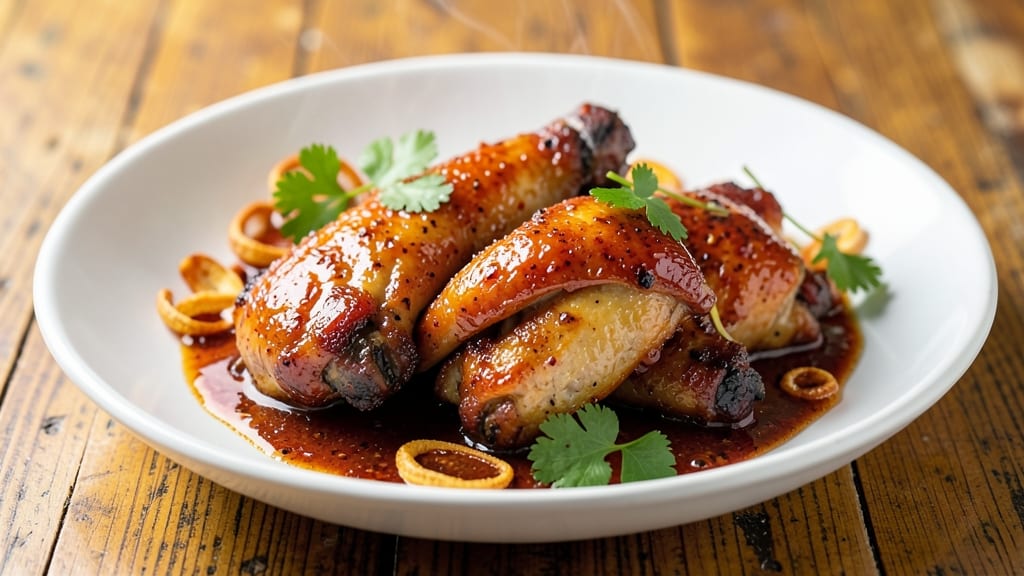
This anchor wing sauce recipe delivers that signature sweet-spicy kick that makes wings irresistible—no bottled shortcuts required. The magic lies in balancing smoky paprika, tangy vinegar, and just enough heat to linger without overpowering.
I developed this after years of testing, and it's now my go-to for game days, wing nights, or even as a glaze for grilled chicken.
What sets this sauce apart is the three-stage process: first building the spice base, then blending it with honey and vinegar for that signature tang, and finally finishing with a touch of butter for richness. The result?
A sauce that's sticky enough to cling to wings but smooth enough to drizzle over fries or even pizza. By the time you're done, you'll have a batch of sauce that's bold, balanced, and ready to use—no waiting for it to cool or thicken.
It keeps well in the fridge for up to a week, making it perfect for meal prep. The best part? Every bite delivers that perfect harmony of sweet, smoky, and spicy flavors that wing lovers crave.
Use it as a dipping sauce, a glaze for baked wings, or even a marinade for chicken. The possibilities are endless, but the execution is simple. Let's make this sauce!
Ingredients for anchor wing sauce
Nine bold ingredients that deliver that signature Anchor Wings kick—no shortcuts, just pure flavor.
| Ingredient | Amount | Notes |
|---|---|---|
| Smoked Paprika 🌶️ | 3 tbsp | High-quality for smoky depth |
| Garlic Powder 🧄 | 2 tsp | Freshly ground preferred |
| Ground Cumin 🌿 | 1 tsp | Toasted for richer flavor |
| Onion Powder 🧅 | 1 tsp | Adds subtle sweetness |
| White Vinegar 💧 | ½ cup | For tangy brightness |
| Honey 🍯 | ½ cup | Light variety preferred |
| Unsalted Butter 🧈 | 4 tbsp | Cold for smooth finish |
| Kosher Salt 🧂 | 1 tsp | Adjust to taste |
| Black Pepper 🌶️ | ½ tsp | Freshly cracked |
| Cayenne Pepper 🔥 | ¼ tsp | Adjust for heat level |
The smoked paprika is non-negotiable—Penzeys or bulk bins have the best quality. I always grab a small jar because once you start using it, you won't want to stop. For the vinegar, white or apple cider vinegar works, but white gives that classic tang. Honey? Light amber keeps it from overpowering the spices. The butter is where the sauce gets its luxurious finish—use European-style if you can find it, but regular unsalted works too. Toast your spices in a dry pan for 30 seconds before mixing—trust me, it makes a difference.
No smoked paprika? Regular paprika plus a pinch of liquid smoke gets you close. Short on honey? Maple syrup works in a pinch, but it’ll taste slightly different. Vinegar too strong? Balance with a splash of water. Want more heat? Add cayenne gradually—you can always dial it back. The spices can be pre-mixed in a jar if you’re making this often, but I like to measure them fresh each time for that extra punch. If you’re using a blender, pulse the butter at the end so it stays smooth, not greasy.
This sauce is a game-day staple—makes 2 cups, perfect for 4-6 people. Keeps in the fridge for up to 1 week in an airtight container, or freeze portions for up to 3 months. I like to make a double batch because it’s so versatile—drizzle over fries, toss with baked wings, or even use as a marinade for chicken. The flavor actually improves after sitting overnight as everything melds together. Store it in a glass jar so you can see how much you’ve got left.
Why You'll Love This Recipe
- Pantry Magic: I swear by this sauce because it lives in my spice cabinet—not the fridge. Just toss smoked paprika, cumin, and garlic powder with vinegar, stir, and boom. No fresh herbs to wilt, no last-minute grocery runs. My lazy Sundays and 8 PM cravings thank me every time.
- Spice Bomb Fusion: That smoky-sweet kick from the paprika and cumin? It’s the kind of flavor that makes you pause mid-bite. The vinegar cuts through the richness, so it’s bright and tangy—not heavy or one-note. Honestly, it’s the secret weapon behind my famous wings, but it works on fries, eggs, or even grilled chicken too.
- Game for Any Meal: Between us, this sauce is my go-to for game days, lazy breakfasts, or when I’m too tired to cook. Drizzle it on wings for a crowd, mix it into scrambled eggs for a weeknight win, or even toss it with roasted potatoes. It’s the kind of versatile sauce that makes me feel like a chef without the fuss.
- Budget-Friendly Staple: A little goes a long way, and I mean a lot. The spices cost pennies, and the vinegar? I already had it. No specialty ingredients here—just a few pantry basics that stretch for weeks. Plus, it keeps forever, so I’m always covered. My wallet and my taste buds are both happy.
Step-by-step instructions for smoky spiced wing sauce
Here's how to blend bold flavors into a sauce that'll make your wings unforgettable.
Melt the Butter for a Silky Base
Place the 4 tablespoons unsalted butter in a medium saucepan over medium-low heat. Let it melt completely, stirring occasionally, until it becomes completely liquid and smooth. I like to watch for tiny bubbles forming around the edges—that's your signal the butter's ready. Keep the heat gentle here; you don't want it to brown or burn, just melt evenly.
This butter forms the foundation of your sauce, creating that rich, velvety texture that coats wings perfectly. If you notice any water droplets forming (from cold butter), give it a few extra seconds to evaporate completely before moving forward.
Toast the Dry Spices for Maximum Flavor
Reduce the heat to low and add the 3 tablespoons smoked paprika, 2 teaspoons garlic powder, 1 teaspoon ground cumin, 1 teaspoon onion powder, 1 teaspoon kosher salt, 0.5 teaspoon black pepper, and 0.25 teaspoon cayenne pepper. Stir constantly for 1-2 minutes until the mixture becomes fragrant and you can smell those deep, toasty notes developing.
The reason we toast the spices is to enhance their natural oils and aromas. You'll know it's working when the kitchen fills with that warm, spicy aroma—like a campfire meets a BBQ joint. If you skip this step, your sauce will taste flat compared to the full-bodied flavor you're creating now.
Whisk in Vinegar and Honey for Balance
Pour in the 0.5 cup white vinegar and 0.5 cup honey, then stir vigorously with a wooden spoon or whisk. You'll notice the sauce immediately start to bubble gently as the vinegar's acidity reacts with the butter. Let it simmer for 3-4 minutes on medium-low heat, stirring occasionally, until the mixture thickens slightly and coats the back of a spoon.
This is where the magic happens—the vinegar cuts through the richness of the butter while the honey adds that perfect sweetness to balance the heat. You're looking for a sauce that's thick enough to cling to wings but still flows smoothly. If it gets too thick too quickly, add 1 teaspoon water at a time until you reach the ideal consistency.
Simmer Until Glossy and Cohesive
Continue simmering for another 2-3 minutes until the sauce becomes glossy and all the ingredients are fully incorporated. The sauce should coat the spoon completely, leaving a thin, even layer behind. Taste and adjust seasoning if needed—you might want to add a pinch more salt or cayenne depending on your heat preference.
Here's the thing—this sauce needs to rest for 10 minutes before using it on wings. The flavors will meld even more during this time, creating that perfect harmony of smoky, spicy, sweet, and tangy. I know it's tempting to use it immediately, but trust me, that extra wait makes all the difference in the final result.
Pro Tips For Making Anchor Wing Sauce
- Bloom the Spices First: Toss your smoked paprika, cumin, and onion powder into a dry skillet over medium heat for 30 seconds before adding anything else. This wakes up their flavors—no, it won’t burn, but if you skip it, the sauce will taste flat and one-dimensional. I used to rush this step and wondered why my wings lacked depth.
- Toast the Vinegar: Simmer the white vinegar alone for 2-3 minutes before mixing in the spices. This cuts through the sharpness and adds a caramelized edge to the sauce—trust me, it’s not just about balancing acidity. (Yes, even if you’re impatient like me, give it those minutes.)
- Measure Vinegar Precisely: Use 2 tablespoons of vinegar, not "a splash." Too little won’t brighten the spices, and too much will make the sauce taste harsh. I learned this the hard way after serving a batch that tasted like a science experiment gone wrong.
- Whisk in Butter Last: Save 1 tablespoon of butter to stir in at the very end—this emulsifies the sauce and makes it cling to wings like a dream. If you add it too early, the heat will turn it greasy instead of glossy. (Your future self will thank you.)
Essential equipment for this dish
Essential Saucepan
You'll need a medium-sized saucepan with a flat bottom—I use my All-Clad stainless steel because it distributes heat evenly and prevents scorching. A 3-quart capacity works perfectly for this recipe, giving you enough room to stir without spills.
If you don't have stainless steel, a heavy-bottomed enamel pan will work just as well. Avoid non-stick pans for this sauce—they can't handle the heat needed to properly toast the spices. 🔥
Wooden Spoon
A wooden spoon is non-negotiable for stirring this sauce. The wood prevents scratching your pan while also helping to scrape up any flavorful bits that stick to the bottom.
I keep a silicon-coated wooden spoon in my kitchen specifically for sauces like this—it's gentle on the pan and easy to clean. If you don't have wood, a heat-resistant silicone spatula works in a pinch, but it won't give you the same control when scraping up those spice-rich deposits.
Whisk for Smoothness
After adding the vinegar and honey, grab your balloon whisk to blend everything together. The whisk creates tiny air bubbles that give the sauce its signature glossy finish. I prefer a stainless steel whisk because it's durable and won't retain flavors from previous uses.
If you're making a large batch, a French whisk with its wider shape will help incorporate ingredients more efficiently. Pro tip: Dip the whisk in hot water between stirs to keep the sauce flowing smoothly.
Fine-Mesh Strainer
While not required, a fine-mesh strainer comes in handy if you prefer your sauce completely smooth. I use it to remove any tiny spice particles that might make the sauce slightly grainy. Place the strainer over a clean bowl and pour the finished sauce through it.
This step is especially useful if you're using pre-ground spices that tend to clump. For an even smoother texture, I recommend straining through a cheesecloth-lined strainer—it catches even the finest particles while still letting the sauce flow through easily.
Measuring Spoons
Precision matters with spices, so invest in a set of stainless steel measuring spoons—I use my OXO Good Grips because they're easy to read and have precise measurements.
The ¼ teaspoon and ½ teaspoon measurements are critical for the cayenne and black pepper, where even small variations can change the heat level dramatically. For the smoked paprika, I recommend using a small scoop or spoon to measure directly from the jar to avoid compaction.
A gram scale isn't necessary but can be helpful if you're experimenting with spice blends.
Glass Storage Jar
Once your sauce is ready, transfer it to a glass jar with an airtight lid for storage. I prefer Ball mason jars because they're durable, microwave-safe, and come in various sizes. The glass lets you see the sauce level at a glance, and the airtight seal keeps flavors fresh.
For portion control, I like to divide the sauce into smaller jars—this way, you can grab just what you need without opening a large container. Label your jars with the date to track freshness, especially if you're freezing portions for later use. ✨
Nutrition facts
Frequently asked questions
Can I make this sauce without smoked paprika?
Yes! For a similar smoky flavor, mix 3 tablespoons regular paprika with ½ teaspoon liquid smoke (like Mesquite or Hickory). Toast the paprika first to enhance its flavor, then add the liquid smoke at the end. The texture will be slightly different but still delicious.
How spicy is this sauce compared to store-bought?
The cayenne gives it a moderate kick—similar to Buffalo sauce but with smoky depth. For milder heat, reduce cayenne to ⅛ teaspoon. For extra heat, add ¼ teaspoon red pepper flakes or a dash of hot sauce. Always taste as you go!
Can I use this sauce on foods other than wings?
This sauce is versatile—drizzle over grilled chicken, fries, or tacos. It also works as a marinade for tofu or shrimp. For seafood, reduce cayenne to ⅛ teaspoon to avoid overpowering delicate flavors. The honey and vinegar balance keeps it crowd-pleasing!
Why does my sauce look too thick or too thin?
If too thick, whisk in 1 teaspoon water at a time until smooth. If too thin, simmer uncovered for 1-2 extra minutes to reduce. The ideal consistency coats the back of a spoon but still drizzles easily. For extra cling, add ½ teaspoon cornstarch mixed with 1 tsp water and stir until thickened.
How long can I keep leftover sauce?
Store in an airtight glass jar in the fridge for up to 1 week. For longer storage, freeze in ice cube trays or small jars for up to 3 months. Thaw overnight in the fridge—never microwave directly. The flavor actually improves after sitting!