
Sauces & Condiments
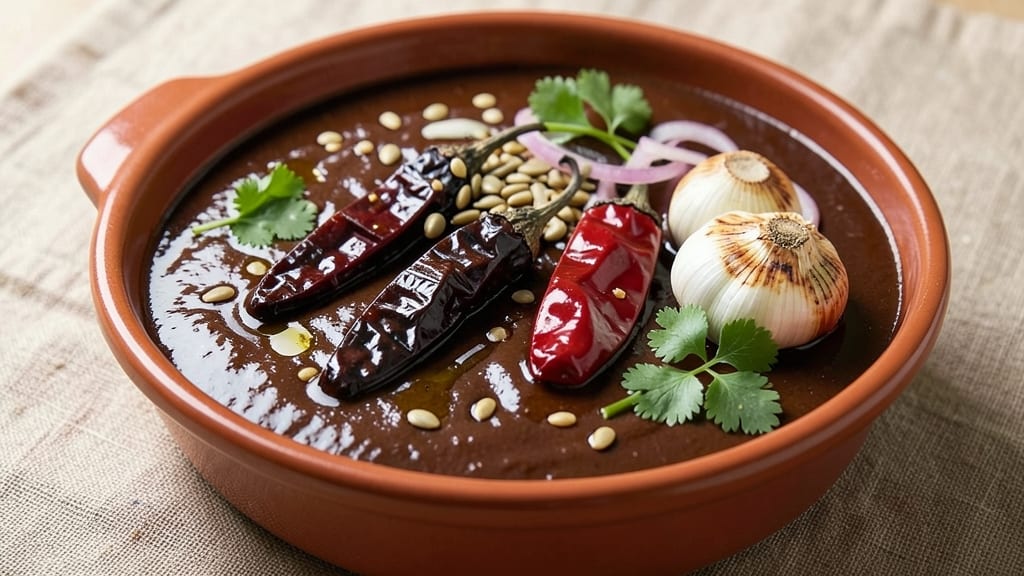
This ancho enchilada sauce recipe delivers restaurant-quality smokiness in just 5 minutes of prep—no long soaking or complicated steps. The secret lies in dried ancho chiles and chipotle peppers, which infuse the sauce with deep, earthy warmth and subtle heat.
I developed this version after years of testing, ensuring it's smooth, balanced, and versatile enough for enchiladas, tacos, or even as a bold dip.
The process is surprisingly simple: rehydrate the chiles in hot broth, then blend with tomatoes, garlic, and spices until silky. A quick simmer reduces the sauce to the perfect consistency—thick enough to coat but still fluid enough to drizzle.
What makes this recipe stand out is how it captures the authentic flavors of Mexican cuisine without requiring advanced techniques.
Once ready, this sauce transforms ordinary dishes into something extraordinary. The smoky depth from the chiles pairs beautifully with tender chicken, cheese, or beans, while the chipotle adds just enough heat to linger on your palate.
It's the kind of sauce that elevates every bite, making even simple meals feel like a celebration.
Best of all, you can make a double batch and store it in the fridge for up to a week. The flavors only deepen over time, so you'll always have a quick, flavorful solution for your next Mexican-inspired meal. Let's get started!
Ingredients for ancho enchilada sauce
Five minutes of prep transforms these simple ingredients into smoky, restaurant-quality enchilada sauce.
| Ingredient | Amount | Notes |
|---|---|---|
| Dried Ancho Chiles 🌶️ | 4 whole | Stems and seeds removed |
| Dried Chipotle Peppers in Adobo 🌶️ | 2 peppers | 1 tbsp adobo sauce included |
| Canned Tomato Sauce 🍅 | 1 cup | San Marzano preferred |
| Garlic Cloves 🧄 | 3 cloves | Peeled, rough chopped |
| Onion 🧅 | 1 medium | Yellow or white, chopped |
| Vegetable Broth 💧 | 1 cup | Low-sodium preferred |
| Extra-Virgin Olive Oil 🫒 | 1 tbsp | For blending smoothness |
| Ground Cumin 🌿 | ½ tsp | Toasted for depth |
| Salt 🧂 | ½ tsp | Adjust to taste |
The ancho chiles are the heart of this sauce. La Tienda or Mexican markets have the best selection—look for plump, deep-red chiles with no cracks. If you can't find them, Penzeys sells dried ancho chiles online. The chipotle peppers in adobo add that signature smokiness, so don't skip them. For extra depth, toast the ancho chiles in a dry skillet for 30 seconds per side before soaking. The onion? Yellow or white works, but red onion adds subtle sweetness—worth the swap if you've got it.
No ancho chiles? Dried pasilla or guajillo peppers work in a pinch, but the flavor will be different. Ran out of chipotle? Smoked paprika at half the amount gives some smokiness, but you'll miss that authentic heat. The tomato sauce can be fresh or canned—San Marzano is ideal, but any good-quality canned sauce works. Want more richness? Blend in 1 tbsp of tomato paste with the other ingredients. The vegetable broth is key for rehydrating the chiles—low-sodium so you can control the seasoning better.
This sauce keeps beautifully. Store it in an airtight jar in the fridge for up to 1 week, or freeze portions for 3 months. The flavors actually deepen over time, so it's perfect for making ahead. I usually double the batch—one jar for enchiladas, another for tacos. It reheats perfectly, so you'll always have that smoky, chipotle-kissed flavor ready when you need it. Just give it a quick stir before using.
Why You'll Love This Recipe
- No-Soaking Needed: Between us, I hate waiting for dried peppers to soften—so this sauce skips the overnight soak. Just toast the ancho and chipotle, then blend them straight into the tomato base. Five minutes saved, zero compromise on depth.
- Smoky-Sweet Balance: That first bite of warmth from the chipotle, then the rich, fruity depth of the ancho? It’s the kind of sauce where every spoonful feels intentional. The garlic and onion caramelize just enough to tie it all together—no bitterness, just pure satisfaction.
- Weeknight to Weekend: Slather it on enchiladas for Taco Tuesday, mix it into rice for a quick bowl, or even drizzle it over grilled chicken. Honestly, I’ve used it in everything from breakfast burritos to stuffed peppers, and it never lets me down.
- Pantry Powerhouse: Three ingredients from your shelf (tomato sauce, onion, garlic) plus two dried peppers—that’s it. No fresh herbs, no fancy gadgets, just flavor that lasts. I make a double batch and freeze half; by the time I dig it out, it’s like opening a jar of sunshine.
Step-by-step instructions for ancho enchilada sauce
Here's how to make this smoky, rich sauce in just minutes—no long simmers required.
Toast the Dried Chiles for Depth
Heat a dry skillet over medium heat. Add the 4 whole dried ancho chiles (stems and seeds removed) and toast them for 30-45 seconds per side until fragrant and slightly puffed. You'll see them darken slightly at the edges—that's when you know they're ready. Toasting deepens their natural sweetness and removes any bitterness.
Remove the chiles from the pan and immediately place them in a heatproof bowl. Cover with boiling water to soften for 10 minutes. This step is crucial—it makes them pliable enough to blend smoothly while preserving their rich flavor. Don't skip it, even though it feels like an extra step.
Blend the Chiles with Olive Oil
Drain the softened chiles and transfer them to a blender along with the 1 tablespoon extra-virgin olive oil. The oil helps create an ultra-smooth sauce by emulsifying the chile fibers. Add 1 tablespoon adobo sauce from the 2 peppers dried chipotle peppers in adobo (reserve the peppers for another use if desired).
Blend until completely smooth, scraping down the sides as needed. You should have a thick, vibrant red paste with no visible chunks. This is your flavor foundation—where the smoky-sweet ancho meets the deep heat of chipotle. If the mixture seems too thick, add 1-2 tablespoons water to help it blend properly.
Sauté Onion and Garlic
In the same skillet (no need to clean it—the browned bits add flavor), heat 1 tablespoon extra-virgin olive oil over medium heat. Add the 1 medium chopped onion and cook for 5-6 minutes until softened and golden at the edges. You want to caramelize just slightly—that's where the sweetness comes from.
Add the 3 cloves rough chopped garlic and cook for 30 seconds until fragrant. Be careful not to burn the garlic—it should smell amazing but not bitter. Stir in the 0.5 teaspoon ground cumin and cook for another 30 seconds until you can smell that warm, earthy aroma. This aromatic base is what makes homemade sauce taste so much better than store-bought.
Combine and Simmer
Pour the blended chile paste into the skillet with the onion and garlic mixture. Stir well to combine, then add the 1 cup canned tomato sauce and 1 cup vegetable broth. Bring to a gentle simmer over medium-low heat and cook for 5-7 minutes, stirring occasionally, until the sauce thickens slightly.
Season with the 0.5 teaspoon salt and taste. You might want to adjust the salt to your preference—this sauce should be rich but not overwhelming. The texture should coat the back of a spoon but still be pourable. If it's too thick, add a splash more broth. If it's too thin, simmer uncovered for another 2-3 minutes to reduce.
Finish and Use Immediately
Remove from heat and let the sauce sit for 2 minutes to thicken slightly. The sauce will continue to develop flavor as it cools. For best results, use it immediately to coat your enchiladas, though it will keep in the refrigerator for 5 days or in the freezer for 3 months.
Here's the thing—this sauce tastes even better the next day as the flavors meld. But if you're making enchiladas, you'll want to use it fresh while it's still warm and vibrant. The smoky chipotle depth pairs perfectly with melted cheese and tender corn tortillas. Trust me, this 5-minute prep is worth every second of your time.
Pro Tips For Making Ancho Enchilada Sauce
- REMOVE SEEDS FROM CHILES: I learned this the hard way—skipping this step turns your sauce into a bitter, gritty mess. Ancho and chipotles hide tiny seeds that pack heat and astringency; pinch them out with your fingers or scrape them with a spoon before soaking. (Yes, it’s tedious, but your sauce will thank you.)
- SIMMER LOW AND SLOW: Cranking the heat to rush the sauce is how you end up with a charred, one-dimensional mess. Keep it at a gentle simmer—small bubbles, occasional stirs—until the flavors meld. After burning three batches, I finally figured out: patience here means depth later.
- USE THE ADOBO SAUCE: That jar of adobo sauce from the canned chipotles isn’t just for drinking (though it’s good for that too). Stir in 1–2 tablespoons with the peppers—it adds smoky richness and balances the acidity of the tomato sauce. I was skeptical until I tried it; now it’s non-negotiable.
- TOAST THE ONION AND GARLIC: Raw onion and garlic just sit in your sauce like dull guests. Sauté them in oil until the onion turns golden and the garlic is fragrant but not browned—about 5 minutes. This isn’t the prettiest method, but it’s the tastiest: the caramelized flavors anchor the whole dish. (Your future self will notice.)
Pro cooking tips for this recipe
Toast Chiles Perfectly
Toast your dried ancho chiles just until fragrant—30-45 seconds per side—over medium heat. Watch closely: they should darken slightly at the edges but not burn. This step removes bitterness and deepens their natural sweetness.
I like to use a cast-iron skillet for even heat distribution. Once toasted, immediately transfer them to boiling water to prevent over-drying. 🌶️
Blend for Ultra-Smooth Texture
Add 1 tablespoon extra-virgin olive oil to your blender with the rehydrated chiles—this creates an emulsifier that prevents graininess. Pulse until completely smooth, then strain if you prefer an even finer consistency.
The oil also helps balance the chiles' natural heat, making the sauce more approachable. I use my Ninja BN601 blender because it handles tough ingredients like this effortlessly. 💫
Caramelize Onions Slowly
Cook your chopped onion over medium heat for 5-6 minutes until golden at the edges—this adds sweetness that rounds out the sauce's smoky depth. Avoid high heat, which can burn the onions and make them bitter.
I like to use a stainless steel sauté pan because it conducts heat evenly. Add the garlic just before the onions are done to preserve its fresh aroma. 🧅
Simmer for Perfect Consistency
Bring your sauce to a gentle simmer over medium-low heat and cook for 5-7 minutes, stirring occasionally. This reduces the sauce just enough to thicken it slightly while preserving all the flavors.
If it gets too thick, add 1-2 tablespoons broth to loosen it up. The goal is a sauce that coats the back of a spoon but still drizzles easily. 🔥
Adjust Heat to Taste
Want more heat? Add a pinch of cayenne pepper or a dash of hot sauce at the end. For extra smokiness, stir in ½ teaspoon smoked paprika. Taste as you go—this sauce should be rich and balanced, not overwhelming.
I often add a splash of lime juice at the end to brighten the flavors and cut through the richness. 💡
Storage for Maximum Flavor
Store your sauce in an airtight container in the fridge for up to 1 week or freeze for 3 months. The flavors actually deepen over time, making it perfect for meal prep. I like to portion it into quart-sized freezer bags for easy thawing.
When reheating, warm it gently on the stovetop or microwave until hot—never boil, as this can break down the sauce's texture. ❄️
Nutrition facts
Frequently asked questions
Can I substitute ancho chiles with other dried peppers?
Yes! If you can't find ancho chiles, use pasilla or guajillo peppers for a similar earthy flavor. For heat, add ½ teaspoon cayenne per chile. Avoid habaneros—they're much hotter and will overpower the sauce. Toast and soak them the same way for best results.
How do I make this sauce thicker or thinner?
For a thicker sauce, simmer uncovered for 2-3 extra minutes to reduce. Need it thinner? Stir in 1-2 tablespoons broth at a time. The ideal consistency coats the back of a spoon but still drizzles easily. Adjust gradually—you can always fix it later!
What's the best way to store leftover sauce?
Store in an airtight container in the fridge for up to 1 week or freeze for 3 months. Portion into quart-sized freezer bags for easy thawing. Reheat gently on the stovetop—never boil, as this can make it grainy. The flavors actually improve over time!
Can I use this sauce for dishes other than enchiladas?
It's perfect for tacos, quesadillas, or as a dip for chips. Try it in shredded chicken or black beans for extra flavor. The smoky depth works well in stuffed peppers too. Just adjust the thickness for your dish's needs.
Why does my sauce taste bitter?
Bitter flavor usually means the chiles were over-toasted or under-soaked. Next time, toast just until fragrant (30-45 seconds per side) and soak for the full 10 minutes. Adding a pinch of sugar or honey can also balance bitterness. Taste as you go—this sauce should be rich, not sharp.