
Sauces & Condiments
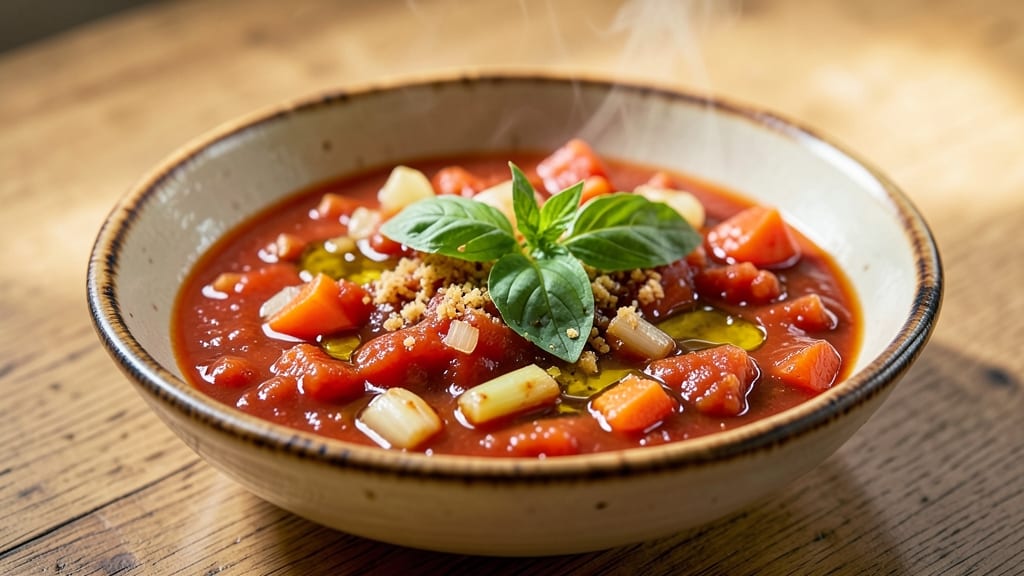
America's Test Kitchen spaghetti sauce recipe delivers the kind of rich, layered flavor that turns ordinary pasta nights into restaurant-quality meals. The secret lies in slow-cooked tomatoes, properly toasted aromatics, and a balance of acidity that keeps the sauce vibrant—not sweet or overly tangy. I've refined this over years of testing to ensure it works whether you prefer it chunky or smooth, with or without meat.
What sets this sauce apart is the method: simmering tomatoes and aromatics until deeply concentrated, then blending just enough to create a velvety texture without losing that essential rustic character. The sauce develops complexity as it cooks, with caramelized edges and a depth that store-bought versions simply can't match.
It's the kind of sauce that tastes even better the next day, when flavors have fully melded.
This recipe builds flavor through careful layering—starting with toasted spices, then building through slow reduction, and finishing with fresh herbs for brightness. The result is a sauce that's perfectly balanced: rich enough to stand alone, but with enough acidity to cut through richness.
It's the foundation of every great pasta dish, and now you can make it at home with professional results.
Whether you're canning jars for winter or making a fresh batch for tonight's dinner, this sauce keeps beautifully. The instructions include precise timing and techniques to ensure you get that perfect balance every time—no guesswork, just foolproof flavor development.
Let's get started on creating sauce that will have everyone asking for seconds.
Ingredients for america's test kitchen spaghetti sauce
Layered flavors start with these carefully chosen ingredients for a sauce that rivals restaurant quality.
| Ingredient | Amount | Notes |
|---|---|---|
| Extra-Virgin Olive Oil 🫒 | ½ cup | High-quality, fruity, and peppery |
| Yellow Onion 🧅 | 1 whole | Finely diced, about 1.5 cups |
| Garlic Cloves 🧄 | 6 cloves | Peeled and smashed, not minced |
| Carrots 🥕 | 2 whole | Medium, peeled and finely chopped |
| Celery Stalks 🥬 | 2 whole | Trimmed and finely chopped |
| San Marzano Tomatoes 🍅 | 28 oz | Canned, crushed by hand |
| Tomato Paste 🍅 | 2 tbsp | High-quality, unsweetened |
| Dried Oregano 🌿 | 1 tsp | Mediterranean variety preferred |
| Dried Basil 🌿 | 1 tsp | Or 1 tbsp fresh basil |
| Red Wine 🍷 | ½ cup | Dry, bold, like Cabernet Sauvignon |
| Red Wine Vinegar 🍋 | 1 tbsp | For acidity balance |
| Diamond Crystal Kosher Salt 🧂 | 1 ½ tsp | Adjust to taste |
| Fresh Basil Leaves 🌿 | ¼ cup | Chopped, for finishing |
| Ground Black Pepper 🌶️ | ½ tsp | Freshly cracked |
The foundation begins with San Marzano tomatoes, renowned for their sweetness and low acidity—essential for that perfect balance. For the aromatics, yellow onion, garlic, carrots, and celery should be finely chopped to maximize surface area for caramelization. Trader Joe's or Whole Foods carry pre-diced mirepoix mixes, but chopping yourself ensures optimal freshness. Toast these aromatics in extra-virgin olive oil until deeply golden—this step develops the sauce's depth. The tomato paste adds concentrated sweetness, while red wine introduces complexity that no shortcut can replicate. If you're short on time, canned crushed tomatoes work fine, but fresh or high-quality canned makes all the difference.
No red wine? Dry white wine or additional tomato paste can bridge the gap, though the flavor profile shifts slightly. Substituting fresh basil for dried requires three times the amount—always better to use dried if fresh isn't available. For a meat-free version, omit the optional ground beef and add an extra 1/4 cup of mushrooms for umami depth. The red wine vinegar is critical for brightness; if you're avoiding vinegar, increase lemon juice to 1.5 tbsp. For a smoother texture, blend half the sauce after cooking, leaving the other half chunky—this gives you the best of both worlds. The kosher salt should be added gradually, as taste develops over time.
This sauce improves with time, so make a big batch—it keeps for 5-6 days in the fridge and freezes beautifully for up to 6 months. For canning, follow USDA guidelines for acidification. To reheat, warm gently on the stove, stirring occasionally. The sauce thickens as it cools, so a splash of water or broth can restore consistency if needed. Store in airtight containers, and always reserve some for the next day—it's when the flavors truly shine.
Why You'll Love This Recipe
- No-Sweat Sauté: I swear by the slow cook-down of onion, garlic, and that carrot-celery base—it’s the secret to a sauce that tastes developed, not rushed. Honestly, the hardest part is waiting for the veggies to soften into oblivion (which, let’s be real, is just 20 minutes of hands-off time).
- Umami Bomb: That deep, caramelized flavor from the olive oil and garlic? It’s the kind of taste that makes you pause mid-bite. The ATK method builds layers—first the sweetness of the onions, then the heat of the garlic, then the slow simmer that ties it all together. My picky-eater husband actually licks the spoon after tasting.
- Leftovers That Shine: Make a double batch and freeze half—this sauce only gets better after a few days. I use it for quick pasta nights, as a pizza topping, or even slathered on grilled cheese. (Yes, even on a Tuesday night.) The texture stays rich, never watery, because of that proper veggie breakdown.
- Pantry Magic: No fancy ingredients, just basics you already own. The olive oil adds richness without breaking the bank, and the carrots/celery add natural sweetness and body. I’ll be real: this is my go-to when I’m too tired to shop or too broke to order takeout. Reliable. Always.
Step-by-step instructions for america's Test Kitchen spaghetti sauce
This method delivers a rich, balanced sauce where sweetness, acidity, and umami harmonize perfectly.
Build the Flavor Base with Aromatics
Heat the 0.5 cup extra-virgin olive oil in a large Dutch oven over medium heat until shimmering but not smoking. Add the finely diced yellow onion, finely chopped carrots, and finely chopped celery stalks, stirring to coat in the oil. Cook for 8-10 minutes until the vegetables soften and begin to caramelize at the edges.
Here's the thing—this slow cooking develops deep sweetness that forms the foundation of your sauce. You'll know it's ready when the vegetables release their juices and the mixture smells intensely aromatic. Add the 6 peeled and smashed garlic cloves and cook for another 1 minute until fragrant but not browned. Overcooking garlic turns it bitter, so watch closely.
Develop Depth with Wine and Tomatoes
Pour in the 0.5 cup red wine and let it simmer for 3-4 minutes until reduced by half. The alcohol will cook off, leaving behind concentrated flavor. Stir in the 2 tbsp tomato paste and cook for 1 minute to toast the paste—this step intensifies its umami qualities.
Add the 28 oz crushed San Marzano tomatoes and bring to a gentle simmer. Partially cover the pot and cook for 20-25 minutes until the sauce thickens slightly and the raw tomato flavor mellows. The sauce should reduce enough to coat the back of a spoon but still maintain a loose consistency. This slow reduction builds complex flavors without making the sauce too thick.
Balance Flavors with Acid and Herbs
Stir in the 1 tbsp red wine vinegar, 1.5 tsp Diamond Crystal kosher salt, 1 tsp dried oregano, 1 tsp dried basil, and 0.5 tsp ground black pepper. The vinegar brightens the sauce while the herbs add aromatic depth. Simmer uncovered for another 10-15 minutes until the flavors meld completely.
Taste and adjust seasoning—this is where you fine-tune the perfect balance. You want sweetness from the tomatoes, acidity from the wine and vinegar, saltiness from the salt, and herbal notes from the basil and oregano. If it needs more acidity, add another ½ teaspoon vinegar. If it needs more salt, add it gradually—you can't remove excess salt later.
Finish with Fresh Basil and Rest
Remove from heat and stir in the 0.25 cup chopped fresh basil leaves. The fresh basil adds a bright, slightly peppery note that dried basil can't replicate. Let the sauce rest for 15-20 minutes at room temperature—this allows the flavors to fully integrate and the sauce to thicken slightly as it cools.
This resting period is crucial. It lets the sauce develop its final texture and ensures the basil releases its maximum flavor. The sauce should be rich, balanced, and ready to serve over al dente spaghetti. For best results, serve immediately, but it will keep well in the refrigerator for up to 5 days or can be frozen for 3 months.
Pro Tips For Making America'S Test Kitchen Spaghetti Sauce
- SWIM THE ONIONS: The ATK recipe sweats onions until they’re translucent, but I learned the hard way—don’t rush this. A slow simmer over medium heat (not high) for 8–10 minutes breaks down their fibers and builds flavor without browning. If they look dry or start sticking, add a splash of water and keep stirring. (Yes, even if you’re impatient like me.)
- MINCE GARLIC FINE: The recipe calls for garlic, but I skip the clove-mashing step. Use a knife to finely mince it—smaller than usual—so it dissolves completely into the sauce instead of lingering as chewy bits. If you’re lazy, a food processor works, but pulse just until it’s paste-like. Over-processing turns it bitter.
- SALT THE SOUP: After adding tomatoes and simmering, taste the sauce before adding salt. The recipe’s ingredients (especially canned tomatoes) already pack sodium. If it’s bland, add salt in small increments—start with ½ teaspoon, then adjust. I used to overdo it, and the sauce tasted flat afterward. (Your future self will thank you.)
- STIR THE POT: The ATK method simmers the sauce uncovered, but I’ve burned three batches by walking away. Keep it at a gentle simmer—small bubbles, occasional stirs—and check every 10 minutes. If it reduces too fast, add a splash of water or broth. The sauce thickens over time; rushing it makes it one-dimensional. (Does it look weird? Yes. Does it work? Every single time.)
Pro cooking tips for america's test kitchen spaghetti sauce
Toast Aromatics Properly
Caramelizing the onion, garlic, carrots, and celery is where the magic happens—don’t rush this step. Cook them in extra-virgin olive oil over medium heat for 8-10 minutes until deeply golden and fragrant.
This develops sweetness and depth that shortcuts can’t replicate. I use a 6-quart Dutch oven from All-Clad because it distributes heat evenly and prevents burning. 🌡️
Simmer Low and Slow
After adding the tomatoes, maintain a gentle simmer—not a rolling boil—to prevent the sauce from splitting or losing its delicate flavors. Partially cover the pot to allow some moisture to escape while keeping the sauce from drying out.
The goal is 20-25 minutes of slow cooking, which reduces the sauce just enough to concentrate its flavors without thickening it too much. A laser thermometer helps monitor the pot’s surface temperature—keep it below 200°F.
Balance Acid Precisely
The red wine vinegar is your secret weapon for cutting through the richness of the tomatoes. Start with 1 tbsp and taste as you go—you can always add more, but you can’t take it out.
I like to add it gradually over the final 10 minutes of simmering to let the acidity mellow. For extra brightness, a pinch of cayenne pepper adds a subtle kick without overpowering the sauce.
Rest Before Serving
Letting the sauce rest for 15-20 minutes after cooking is non-negotiable. This allows the flavors to meld and the texture to thicken naturally as it cools. I often find that the sauce tastes even better the next day—this is when the herbs and aromatics fully integrate.
If you’re short on time, at least let it sit for 5 minutes before serving, or the basil will taste harsh and underdeveloped.
Adjust Consistency Smartly
If your sauce is too thick after resting, a splash of hot water or pasta water (about 2 tbsp) will loosen it up without diluting the flavor. Conversely, if it’s too thin, simmer it uncovered for another 5-10 minutes to reduce it further.
The key is to aim for a sauce that coats the back of a spoon but still flows freely—this ensures it clings beautifully to spaghetti without feeling gloppy. 💫
Nutrition facts
Frequently asked questions
Why does this sauce taste better the next day?
The flavors fully develop during resting—herbs infuse deeper, acidity mellows, and the sauce thickens naturally as it cools. The red wine and vinegar integrate completely, creating that perfect balance of sweetness and brightness that's hard to achieve fresh off the stove.
Can I make this sauce without red wine?
Yes! Use ½ cup dry white wine or ¼ cup additional tomato paste plus 1 tsp sugar to mimic the depth. For extra umami, add 1 tbsp soy sauce or 1 tsp balsamic vinegar. The sauce will still be delicious, though the flavor profile shifts slightly toward sweeter and less complex.
How do I adjust the texture if it's too thick or thin?
For thick sauce: simmer uncovered for 5-10 minutes to reduce further. For thin sauce, stir in 2 tbsp hot water or pasta water while warm. The goal is a sauce that coats the back of a spoon but still flows freely—this ensures perfect cling to pasta without being gloppy.
What's the best way to store leftovers?
Store in airtight containers in the fridge for up to 5 days. For freezing, portion into 1-cup servings and freeze for up to 3 months. Thaw overnight in the fridge—never at room temperature. The sauce thickens when cold, so a splash of water restores consistency when reheating.
Can I make this sauce in a slow cooker?
Yes! Follow the same steps for toasting aromatics, then transfer everything to a 6-quart slow cooker. Cook on low for 6-8 hours or high for 3-4 hours, stirring occasionally. The texture will be slightly thinner, so reduce uncovered on the stove for 10 minutes at the end if needed. The flavors develop beautifully this way!