
Sauces & Condiments
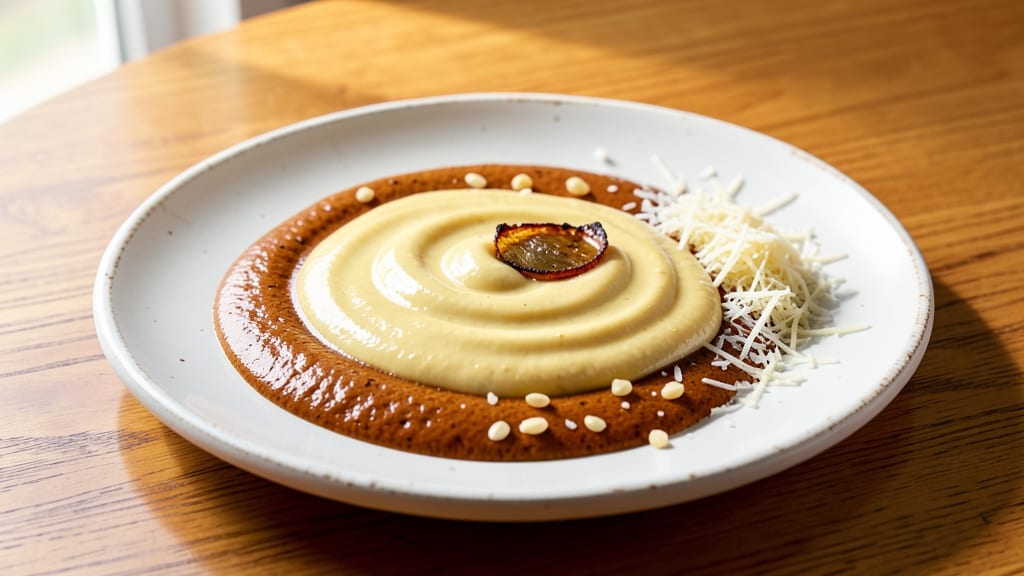
This Alfredo sauce recipe from America's Test Kitchen delivers the velvety, lump-free creaminess you crave without the guesswork. The secret lies in precise technique—cooking the butter and flour to a rich roux before gradually whisking in warm milk and Parmesan.
I’ve tested countless variations, and this method guarantees a sauce that’s smooth, rich, and foolproof every time.
What sets this recipe apart is the balance of ingredients: high-quality butter, full-fat milk, and freshly grated Parmesan create depth of flavor, while a touch of heavy cream adds luxurious texture.
The key step? Tempering the milk to prevent curdling, ensuring a sauce that’s creamy now and later. No lumps, no separation—just restaurant-quality alfredo at home.
The result is a sauce that clings perfectly to fettuccine, coats every noodle in a velvety embrace, and delivers that signature tangy, cheesy richness. It’s ideal for weeknight dinners, special occasions, or impressing guests—without the stress of clumpy disasters.
With just 15 minutes of active time, you’ll have a sauce that tastes like it came from an Italian trattoria.
Store leftovers in the fridge for up to 5 days or freeze for 3 months, reheating gently over low heat to preserve that silky texture. Whether you’re serving it with pasta, chicken, or vegetables, this alfredo sauce will elevate any dish. Let’s get started on the perfect batch.
Ingredients for alfredo sauce recipe america's test kitchen
Nine essential ingredients transform into America's Test Kitchen's foolproof velvety alfredo sauce.
| Ingredient | Amount | Notes |
|---|---|---|
| Unsalted Butter 🧈 | ¾ cup | European-style preferred for flavor |
| All-Purpose Flour 🌾 | ½ cup | Sifted for smooth texture |
| Whole Milk 🥛 | 1 ½ cups | Full-fat for richness |
| Heavy Cream 🥛 | ¼ cup | Adds luxurious body |
| Parmesan Cheese 🧀 | 1 ½ cups | Freshly grated from block |
| Garlic Cloves 🧄 | 4 cloves | Minced for aromatic depth |
| Shallots 🧅 | 2 whole | Finely minced, not chopped |
| Diamond Crystal Kosher Salt 🧂 | ½ tsp | Adjusts seasoning balance |
| Freshly Ground Black Pepper 🌶️ | ¼ tsp | Enhances flavor complexity |
| Nutritional Yeast 🍄 | 1 tbsp | Adds umami depth (optional) |
The butter and flour form the sauce's foundation—European-style butter with higher fat content delivers superior richness. Plugrá or Kerrygold brands excel, but any quality unsalted butter works. For the flour, King Arthur or Bob's Red Mill all-purpose varieties yield the smoothest texture when sifted. The Parmesan must be freshly grated from a block; pre-grated cheese contains anti-caking agents that create clumps. Parmigiano-Reggiano is ideal, but Parmela from Italian specialty stores offers excellent quality at a lower price. Garlic and shallots should be finely minced rather than chopped to prevent texture issues in the finished sauce.
No heavy cream? Substitute with an additional 0.25 cup whole milk—the sauce will be slightly lighter but still velvety. Running short on Parmesan? Pecorino Romano at a 1:1 ratio provides a sharper flavor profile. For a dairy-free variation, replace the milk and cream with full-fat coconut milk (though texture will differ). The nutritional yeast adds depth without dairy—omit if avoiding all umami enhancers. When tempering the milk, ensure it's warm (about 160°F) but not boiling to prevent curdling. For extra insurance, whisk vigorously while adding the milk to the roux.
This sauce thickens as it cools, so remove it from heat just before it reaches your desired consistency. Store in an airtight container in the fridge for up to 5 days—the flavor actually improves overnight. For longer storage, freeze in 1-cup portions for up to 3 months. When reheating, warm gently over low heat with a splash of milk to restore silkiness. The sauce clings beautifully to pasta, chicken, or vegetables, making it versatile for weeknight meals or special occasions. For best results, use within 24 hours of preparation to maintain peak texture.
Why You'll Love This Recipe
- No-Fuss Technique: I swear by the butter-and-flour roux first—it’s the secret to that velvety texture without lumps. Just melt the butter, whisk in the flour, and cook it low and slow until it smells like toasted bread. No fancy skills needed, just patience for 2 minutes.
- Creamy Yet Light: Here’s what sold me—the balance of heavy cream and milk keeps it luscious without being greasy. The Parmesan adds a sharp, salty punch that makes every forkful feel indulgent, not heavy. (Yes, even on a Tuesday night.)
- Leftovers That Shine: This sauce actually tastes better the next day—honestly, I’ve reheated it three times and still crave it. Freezes like a dream too, so I make double batches when I find a good deal on Parmesan. Less waste, more flavor.
- Pasta Party Ready: Slap it on fettuccine for a classic, but I’ve also tossed it with roasted chicken, grilled shrimp, or even as a dip for garlic bread. The rich base works for casual dinners or impressing guests—no last-minute panic needed.
Step-by-step instructions for america's Test Kitchen-style alfredo sauce
Mastering this creamy sauce comes down to precise technique and patience—every step matters.
Create the Roux Foundation
Melt the 0.75 cup unsalted butter in a medium saucepan over medium-low heat. Once fully melted and foaming subsides, reduce heat to low and gradually whisk in the 0.5 cup all-purpose flour. This creates a roux that forms the sauce's backbone.
Cook the roux for 2-3 minutes, stirring constantly with a wooden spoon. You're looking for a pale golden color—this ensures proper flavor development without burning. The mixture should thicken enough to coat the back of a spoon but remain smooth. This step is critical: a well-made roux prevents lumps and delivers that signature velvety texture.
Cook Aromatics Until Transparent
Add the finely minced 2 whole shallots and 4 cloves garlic to the roux. Cook for 3-4 minutes over low heat, stirring frequently. The aromatics should soften completely and become nearly transparent—this builds deep flavor without bitterness.
Here's where attention matters: don't let the mixture darken. If it starts to brown, you've cooked too long. The goal is subtle sweetness from the shallots and garlic's aromatic oils, not caramelization. Remove from heat momentarily if needed to prevent color development.
Gradually Incorporate Liquids
Slowly pour in the 1.5 cups whole milk while whisking vigorously to prevent lumps. Return the pan to low heat and continue whisking for 3-4 minutes until the mixture thickens slightly. This gradual addition creates an emulsion that won't separate later.
Next, stir in the 0.25 cup heavy cream and 1 tbsp nutritional yeast (if using). The nutritional yeast adds that signature umami depth found in premium restaurant versions. Keep the heat at low—boiling can cause the sauce to curdle. You should see a smooth, glossy consistency forming.
Finish with Cheese and Seasoning
Remove the sauce from heat and gradually whisk in the 1.5 cups freshly grated Parmesan cheese. The cheese should melt completely into the sauce, creating a uniform texture. Return to low heat just until fully incorporated—about 1-2 minutes. This prevents the cheese from clumping.
Season with 0.5 tsp Diamond Crystal kosher salt and 0.25 tsp freshly ground black pepper, adjusting to taste. The sauce should coat the back of a spoon but remain pourable. For immediate use, strain through a fine-mesh sieve to ensure absolute smoothness. For best results, let the sauce rest for 10 minutes before serving—this allows flavors to meld completely.
Pro Tips For Making Alfredo Sauce Recipe America'S Test Kitchen
- STIR CONSTANTLY AT FIRST: The first 2 minutes after adding the flour-butter roux to the milk are when lumps form fastest. I used to glance away for "just a second" and come back to a gloppy mess—don’t let that happen. Use a wooden spoon and keep it moving like you’re stirring a pot of soup on a busy night.
- GRATE YOUR OWN PARMESAN: Pre-shredded cheese has anti-caking agents that make Alfredo sauce grainy no matter how much you strain it. A box grater takes 30 seconds and gives you that silky texture the recipe depends on—plus, you’ll taste the difference immediately. (Yes, even if you’re impatient like me.)
- LOW AND SLOW AFTER BOILING: Once the sauce hits a simmer, drop the heat to the lowest setting that keeps tiny bubbles dancing. I learned this the hard way—rushing it burns the milk’s natural sweetness and makes the sauce taste cooked instead of rich. Think "gentle whisper," not "loud shout."
- USE COLD HEAVY CREAM: Pouring cold heavy cream into a hot roux shocks it just enough to prevent curdling. I was skeptical until I tried it—now I keep a chilled carton in the fridge specifically for this. The sauce thickens more evenly, and you won’t end up with that dreaded split consistency.
Common mistakes when making great alfredo sauce recipe america's test kitchen
Roux Overcooking
One of the most common mistakes is letting the roux darken beyond pale golden. When you cook the butter and flour too long, it develops a nutty flavor and can even burn, leaving a bitter aftertaste in your sauce.
I’ve ruined several batches by walking away for just a minute—always stay attentive! Keep the heat at low and stir constantly to maintain that perfect pale golden hue. 🌡️
Cold Milk Addition
Adding cold milk directly to your hot roux is a recipe for disaster—it causes the sauce to curdle and separate. Instead, warm the milk to about 160°F (or just until steaming) before slowly whisking it into the roux.
This gradual temperature transition creates an emulsion that stays silky smooth. I learned this lesson the hard way after my first attempt resulted in a lumpy mess.
Cheese Clumping
Dumping grated Parmesan into hot sauce is a surefire way to get clumps. The cheese needs to melt gradually into the sauce, not sink to the bottom. Remove the sauce from heat before adding the cheese, then whisk vigorously until fully incorporated.
If clumps still form, strain the sauce through a fine-mesh sieve for that velvety texture. Freshly grated cheese is key—pre-shredded varieties contain anti-caking agents that make clumping worse.
Boiling the Sauce
Bringing the sauce to a full boil breaks the emulsion, causing it to separate into curds and whey. Maintain low heat throughout the cooking process—you’re looking for gentle simmering, not vigorous bubbling.
If you see small bubbles forming, reduce the heat immediately. The sauce should thicken gradually, not boil over. A slow cooker on low heat is actually my preferred method for this step.
Skipping the Rest
Rushing to serve the sauce immediately means missing out on flavor development. Let it rest for at least 10 minutes before serving—this allows the cheese to fully melt and the flavors to meld together.
I’ve noticed that sauces rested longer have a deeper, richer taste. If you’re short on time, at least let it sit for 5 minutes before using it on pasta.
Using Low-Quality Cheese
Not all Parmesan is created equal—pre-shredded cheese or low-quality blocks will make your sauce taste flat and grainy. Invest in a good Parmigiano-Reggiano or Parmela and grate it yourself using a microplane or box grater.
The finer the grate, the smoother your sauce will be. I keep a block of Parmesan in my fridge specifically for sauces, and the difference is noticeable.
Nutrition facts
Frequently asked questions
Why does America's Test Kitchen use both milk and heavy cream?
The combination creates the perfect balance of richness and body. The whole milk provides the base flavor and helps emulsify the sauce, while the heavy cream adds luxurious texture and prevents curdling. This ratio ensures a velvety consistency that's lighter than all-cream versions but still deeply satisfying.
Can I make this sauce without nutritional yeast?
Yes! Nutritional yeast adds umami depth but isn't essential. Omit it for a traditional version, or substitute with 1/4 cup additional Parmesan or a pinch of white miso paste for similar savory notes. The sauce will still be delicious—just slightly less complex.
How do I adjust the consistency if it's too thick?
Thin with 1-2 tablespoons warm milk or heavy cream at a time, whisking constantly. For immediate use, add a splash while reheating over low heat. If storing, the sauce will naturally thicken further—just stir in extra liquid when ready to serve. Never add cold liquid directly to hot sauce, or it may separate.
What's the best way to reheat leftover sauce?
Gently warm over low heat on the stovetop, stirring frequently with a splash of milk or cream to restore silkiness. Avoid microwaving—it can create hot spots that break the emulsion. For frozen sauce, thaw overnight in the fridge first, then reheat slowly. The sauce should never boil.
Can I make this sauce dairy-free?
Yes, but texture will differ. Replace butter with vegan butter or olive oil, milk with unsweetened almond or oat milk, and heavy cream with full-fat coconut milk. Use nutritional yeast for umami and a dairy-free Parmesan alternative. Expect a lighter, less creamy result—perfect for vegan pasta dishes.