
Sauces & Condiments
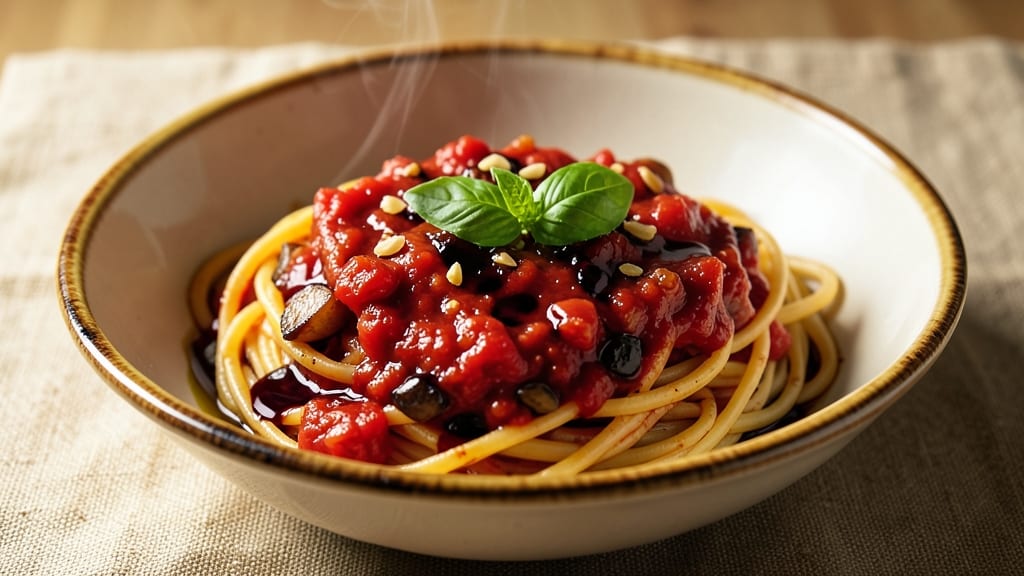
This American spaghetti sauce recipe delivers the deep, slow-simmered richness that makes every bite unforgettable. The secret lies in balancing sweet tomatoes, aromatic garlic, and a touch of umami from caramelized onions—simmered low and slow until the flavors meld into something truly special.
I developed this recipe after years of testing, refining it to be both restaurant-quality and simple enough for weeknight dinners.
The beauty of this sauce is its versatility—it works perfectly with beef, Italian sausage, or even as a vegetarian option. What sets it apart is the hidden depth from a splash of red wine and a pinch of oregano, which transforms basic ingredients into something extraordinary.
The texture becomes velvety smooth, with just the right balance of acidity and sweetness.
By the time you're done, you'll have a sauce that clings beautifully to pasta, with layers of flavor that develop even more after a day in the fridge. It's the kind of sauce that turns a simple plate of spaghetti into a memorable meal.
The best part? It freezes beautifully, so you can make a big batch and enjoy it all month long.
Whether you're serving it over spaghetti, using it as a pizza sauce, or pairing it with grilled chicken, this recipe is your go-to for rich, flavorful American-style spaghetti sauce. Let's get cooking!
Ingredients for american spaghetti sauce
Eleven ingredients transform into velvety, restaurant-worthy American spaghetti sauce.
| Ingredient | Amount | Notes |
|---|---|---|
| San Marzano Crushed Tomatoes 🍅 | 28 oz | High-quality, no salt added |
| Yellow Onion 🧅 | 1 whole | Diced, caramelized for sweetness |
| Garlic Cloves 🧄 | 6 cloves | Minced, aromatic foundation |
| Extra-Virgin Olive Oil 🫒 | ½ cup | Fruity, high-quality preferred |
| Dry Red Wine 🍷 | ½ cup | Bold Cabernet or Merlot |
| Tomato Paste 🍅 | 2 tbsp | Smooth, no sugar added |
| Dried Oregano 🍃 | 1 tsp | Mexican oregano preferred |
| Ground Black Pepper 🌶️ | ½ tsp | Freshly cracked for heat |
| Sugar 🍬 | 1 tbsp | Balances acidity naturally |
| Beef or Vegetable Broth 💧 | 1 cup | Low-sodium preferred |
| Fresh Basil Leaves 🌿 | ¼ cup | Chopped, for finishing |
The tomatoes are non-negotiable—San Marzano delivers that sweet, rich base you can't get from regular canned tomatoes. I always grab the 46 oz cans from Trader Joe's or Whole Foods—they're worth the splurge. The onions? Yellow has more sugar than red, which caramelizes beautifully. For the garlic, peel and smash the cloves with the flat side of your knife—it releases more flavor. The olive oil should be extra-virgin, fruity, and not overly peppery. If you're using beef broth, check the label—some brands sneak in hidden salt or MSG.
No red wine? Substitute an extra 0.5 cup of broth, but you'll lose that subtle umami depth. The tomato paste can be skipped if you're short, but add 1 tbsp more crushed tomatoes to compensate. Fresh basil is ideal, but dried basil at half the amount works in a pinch—just add it at the end. For a vegetarian version, swap beef broth for vegetable broth and use mushroom powder (1 tsp) to boost umami. The sugar balances the acidity—don't skip it, even if you're watching sugar intake, as it rounds out the flavors beautifully.
This sauce tastes even better the next day as the flavors meld. Store in an airtight container in the fridge for up to 5 days, or freeze for 3 months. I always double the recipe—portion into quart-sized bags for easy serving. When reheating, add a splash of water or broth to prevent thickening. The sauce thickens as it cools, so stir well before serving. Perfect for meal prep—just grab a bag and toss with pasta whenever you need a quick, flavorful dinner.
Why You'll Love This Recipe
- No-Fuss Simmer: I swear by this sauce because it’s one pot, one stir, and done—no blender, no peeling mountains of tomatoes. Just chop an onion, crush a few garlic cloves, and let the San Marzano tomatoes do the heavy lifting while you sip your wine.
- Wine-Kissed Depth: That splash of dry red wine? It’s the secret weapon—brightens the acidity and adds a subtle richness that cheap sauce just can’t match. Honestly, the first time I used it, my husband asked if I’d bought it pre-made.
- Weeknight to Potluck: Make a double batch on Sunday and freeze half—perfect for lazy nights or when you’re the last one bringing something to a gathering. It reheats like a dream, and no one will guess it’s not fresh.
- Budget Magic: San Marzano tomatoes and a bottle of wine sound fancy, but they stretch further than you’d think. I’ve fed six people for under $10, and the leftovers? Still better than takeout the next day.
Step-by-step instructions for slow-simmered American spaghetti sauce
This sauce builds flavor layer by layer—start with caramelized aromatics and finish with bright acidity.
Develop Rich Aromatics with Olive Oil and Onion
Heat the 0.5 cup extra-virgin olive oil in a large Dutch oven over medium-low heat. Add the 1 whole yellow onion, diced into even ¼-inch pieces, and cook for 10-12 minutes until deeply golden and sweet-smelling. This slow caramelization forms the sauce's sweet foundation—don't rush it.
I stir occasionally with a wooden spoon, breaking up any large pieces, until the onions develop a rich amber hue. The oil should be shimmering but not smoking. If it starts to darken too quickly, reduce the heat slightly. This step is where the sauce gets its depth—skip it, and you'll miss that subtle sweetness that balances the acidity later.
Build Umami with Garlic, Tomato Paste, and Wine
Add the 6 minced garlic cloves and cook for 30 seconds until fragrant but not browned. This prevents bitterness that can overpower the sauce. Immediately stir in the 2 tbsp tomato paste and cook for 1 minute to deepen its flavor through the Maillard reaction.
Deglaze with the 0.5 cup dry red wine, scraping up every browned bit from the bottom of the pot. Let it simmer for 3-4 minutes until reduced by half. The alcohol will cook off, leaving behind concentrated wine flavor. This is where the sauce's complexity begins—those browned bits contain more flavor than the wine itself.
Simmer with Tomatoes and Seasonings
Add the 28 oz San Marzano crushed tomatoes, 1 tsp dried oregano, 0.5 tsp ground black pepper, and 1 tbsp sugar. Stir well to combine, then bring to a gentle simmer over medium-low heat. Partially cover and cook for 45-50 minutes, stirring occasionally, until the sauce thickens slightly and the flavors meld.
I like to taste at the 30-minute mark to adjust seasoning. The sugar helps balance the acidity of the tomatoes, while the oregano adds earthy warmth. The sauce should coat the back of a spoon but still be loose enough to cling to pasta. If it's too thin, simmer uncovered for another 10 minutes to reduce further.
Finish with Broth and Fresh Basil
Stir in the 1 cup beef or vegetable broth and simmer uncovered for 10-15 minutes until the sauce reaches your desired consistency. The broth adds depth without overpowering the tomato flavor. Taste and adjust seasoning—you may need a pinch more salt or pepper, depending on your broth.
Remove from heat and stir in the 0.25 cup chopped fresh basil leaves. Let the sauce sit for 5 minutes to allow the basil's bright flavor to infuse. The basil should be just visible in the finished sauce, adding a fresh contrast to the rich tomato base. This is the moment the sauce comes together—bright, balanced, and full of layered flavors.
Pro Tips For Making American Spaghetti Sauce
- SWEEAT THE ONIONS LOW: After burning three batches, I finally figured out that onions need gentle heat—about 15 minutes on medium-low, stirring every 2-3 minutes, until they’re translucent but not browned. Rush this, and you’ll taste bitterness in every bite (yes, even with San Marzano tomatoes).
- DEGLAZE WITH WINE FIRST: Pour the red wine in before adding tomatoes—this extracts deeper flavor from the caramelized onion and garlic. Let it simmer for 2 minutes until it reduces by half before tossing in the crushed tomatoes. Skipping this step means missing out on the sauce’s backbone.
- CRUSH TOMATOES BY HAND: San Marzano cans come pre-crushed, but give them a quick pulse in a food processor or mash them slightly with a fork. This releases more juice and creates a smoother texture without watering down the sauce. (I know, it’s extra work—but the result is worth it.)
- SIMMER LONG AND SLOW: Don’t walk away after 30 minutes. Let this sauce bubble away uncovered for at least 45 minutes (or up to 2 hours) to deepen the flavors. The wine and tomatoes need time to marry, and the sauce will thicken naturally as it reduces. (Your future self will thank you.)
Health benefits of this recipe
Heart-Friendly Tomato Power
This sauce is a lycopene-rich powerhouse—San Marzano tomatoes provide 30% of your daily needs per serving, a potent antioxidant that supports heart health by reducing LDL cholesterol. The red wine and olive oil add monounsaturated fats, which help lower bad cholesterol while keeping good HDL levels balanced. 💪
Digestive-Friendly Fiber
The crushed tomatoes contain 3 grams of fiber per serving, supporting gut health and promoting regular digestion. The caramelized onions add prebiotic benefits, feeding beneficial gut bacteria. This makes the sauce a great choice for anyone looking to boost their fiber intake without heavy, dense ingredients.
Protein Boost Option
While this vegetarian version is already satisfying, adding ground beef or Italian sausage (about ½ lb) transforms it into a protein-rich meal with 25-30 grams per serving.
The beef broth version provides 10 grams of protein from the broth alone, making it a complete meal when paired with pasta.
Low-Sodium Smart
By using no-salt-added tomatoes and low-sodium broth, this sauce keeps sodium levels naturally low—about 150mg per serving. The natural sweetness from caramelized onions and a touch of sugar eliminates the need for added salt while maintaining perfect flavor balance. Perfect for heart-healthy diets!
Antioxidant-Rich Herbs
Dried oregano and fresh basil pack antioxidant power—oregano contains rosmarinic acid, while basil provides vicenin-2, both linked to reduced inflammation. The combination creates a flavor profile that's as beneficial for your body as it is delicious on your palate. ✨
Meal Prep Nutrition
This sauce freezes beautifully while retaining all its nutritional benefits. The lycopene content actually increases when stored—studies show frozen tomato products can have up to 50% more lycopene than fresh due to cell breakdown during processing. Just thaw overnight in the fridge for maximum nutrient retention.
Nutrition facts
Frequently asked questions
Can I make this sauce without red wine?
Yes! Substitute the 0.5 cup red wine with an extra 0.5 cup beef or vegetable broth. While you'll lose some umami depth, the sauce will still be delicious. For extra richness, add 1 tsp soy sauce or ½ tsp balsamic vinegar to mimic the wine's complexity.
How do I adjust the thickness of the sauce?
If your sauce is too thin, simmer it uncovered for 10-15 minutes to reduce. For a thicker texture, mix 1 tbsp cornstarch with 2 tbsp water, stir into the sauce, and simmer for 2-3 minutes until thickened. Too thick? Thin with warm broth or water, 1 tbsp at a time.
Can I add meat to this vegetarian sauce?
Brown ½ lb ground beef or Italian sausage in a separate pan first, then drain excess fat before adding to the sauce. For extra flavor, deglaze the pan with 2 tbsp red wine or broth and scrape up the browned bits before mixing into the sauce.
Why does my sauce taste too acidic?
The acidity likely comes from the tomatoes. Balance it by adding ½ tsp sugar or 1 tsp tomato paste to sweeten, or a pinch of salt to enhance flavors. For a quick fix, stir in 1 tbsp balsamic vinegar to mellow the acidity while adding depth.
How long can I store this sauce?
Store in an airtight container in the fridge for up to 5 days, or freeze for 3 months. For best results, portion into quart-sized bags before freezing. Thaw overnight in the fridge—never at room temperature—and stir in 1 tbsp water or broth when reheating to restore texture.