
Sauces & Condiments
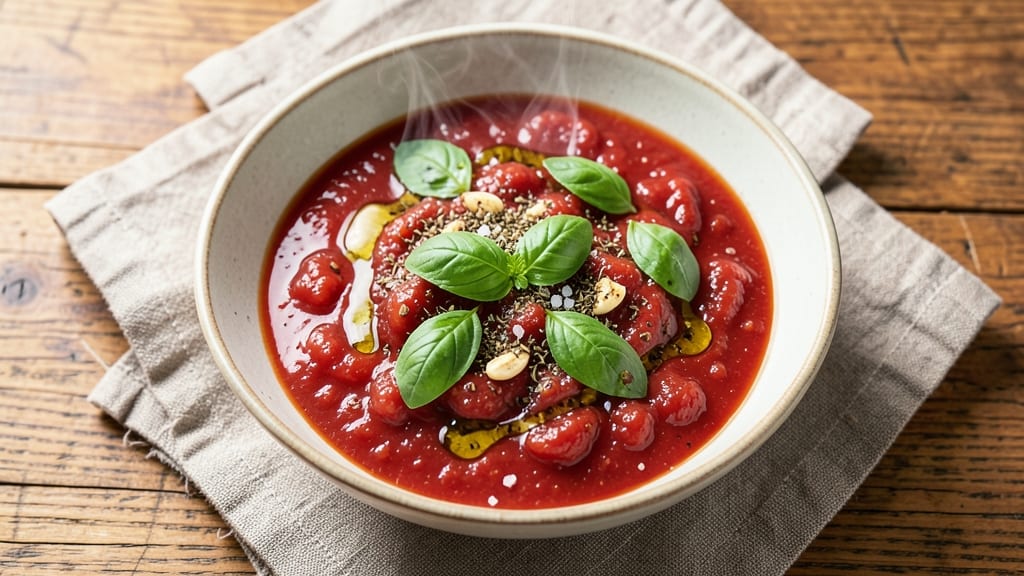
This amazing pizza sauce recipe transforms simple canned tomatoes into a rich, flavorful base that’ll make your homemade pizza taste like it came from a New York slice shop. The secret?
San Marzano tomatoes simmered just long enough to concentrate their natural sweetness without losing that bright acidity—plus a touch of garlic and herbs that elevate everything. I’ve perfected this over years of testing, and it’s become my go-to for both classic red sauce and creative twists like white pizza sauce.
What makes this sauce truly special is how it balances simplicity with depth. You’ll start with crushed tomatoes, olive oil, and fresh garlic, then let it simmer until thick and fragrant—no blender required.
The key is patience: letting the flavors meld for 15 minutes (or less if you’re short on time) creates a sauce that’s smooth, vibrant, and packed with umami. No lumps, no aftertaste, just pure, restaurant-quality flavor that clings to every bite of your pizza.
The best part? This sauce keeps its magic for days. Store it in the fridge for up to a week, or freeze it in portions for future pizza nights. It’s versatile enough to work with any cheese—mozzarella, ricotta, or even vegan alternatives—and pairs perfectly with your favorite toppings.
Whether you’re making a classic Margherita or experimenting with a white sauce version, this recipe is your foundation for amazing pizza every time.
Ready to level up your homemade pizza game? The ingredients are simple, the process is foolproof, and the results will have you reaching for this sauce again and again. Let’s get cooking!
Ingredients for amazing pizza sauce
Nine simple ingredients transform canned tomatoes into restaurant-quality pizza sauce.
| Ingredient | Amount | Notes |
|---|---|---|
| San Marzano Crushed Tomatoes 🍅 | 28 oz | High-quality canned tomatoes |
| Extra-Virgin Olive Oil 🫒 | ½ cup | Fruity, high-quality preferred |
| Garlic Cloves 🧄 | 4 cloves | Fresh, minced or finely chopped |
| Fresh Basil Leaves 🌿 | ½ cup | Packed, stems removed |
| Dried Oregano 🍃 | 1 tsp | Mexican oregano if available |
| Salt 🧂 | 1 tsp | Kosher or sea salt |
| Black Pepper 🌶️ | ½ tsp | Freshly ground preferred |
| Sugar 🍚 | 1 tsp | Balances acidity |
| Red Wine Vinegar 🍷 | 1 tbsp | Brightens flavor |
San Marzano tomatoes are the secret weapon here—their natural sweetness and low acidity make all the difference. Grab the 400g (14 oz) cans from Italian markets or specialty stores for the best flavor. If you can't find them, whole peeled tomatoes work too—just crush them by hand. Fresh basil is ideal, but dried oregano at half the amount gets you close if you're short on time. The olive oil should be fruity and high-quality—Trader Joe's or Whole Foods have great options. Don't skimp on garlic either; it's the flavor backbone of this sauce.
No fresh basil? Dried basil at one-third the amount works, but fresh is worth the extra minute. Running low on red wine vinegar? Lemon juice or balsamic vinegar both work in a pinch. The sugar balances the acidity—skip it if your tomatoes are already sweet. For a white pizza sauce twist, swap the tomatoes for cashew cream or ricotta and add a splash of pasta water. This sauce is endlessly adaptable—experiment with chili flakes or smoked paprika for extra depth. The key is patience—simmering lets all those flavors meld together beautifully.
This sauce keeps its magic for up to 1 week in the fridge or 3 months in the freezer. Portion it into ice cube trays for perfect single-use servings—just pop one out when you're ready to use it. The sauce thickens as it cools, so you can always thin it with a splash of water or pasta water when reheating. Leftovers? Toss them into pasta, use as a marinara, or freeze for future pizza nights. It's that versatile.
Why You'll Love This Recipe
- I’ll be real: San Marzano tomatoes cost more than store-brand cans, but one jar stretches across three pizzas, a batch of lasagna, and still leaves enough for sandwiches. The olive oil and herbs are cheap upgrades that make everything taste like you spent hours in the kitchen—when you didn’t.
- No-Fuss Simplicity: I swear, this sauce takes less effort than ordering takeout. Just crush the tomatoes, simmer with garlic and olive oil—no blenders, no peeling mountains of cloves—and you’re done. The basil and oregano finish it while you’re still wiping your hands.
- Sunshine in a Jar: That first taste of San Marzano tomatoes caramelized with garlic? It’s like summer in a spoonful. The olive oil keeps it rich without being heavy, and the basil—fresh, not dried—adds that bright, herby punch that makes every bite feel like a little celebration.
- Weeknight Superstar: Between us, this sauce is my lazy night hero. Use it on pizza, toss it with pasta, or slather it on grilled chicken—it never lets me down. And honestly? The leftovers taste just as good reheated as they do fresh, which means less stress for me.
Step-by-step instructions for San Marzano tomato sauce
This sauce delivers restaurant-quality depth in just 15 minutes—no tricks, just smart technique.
Bloom the Aromatics in Olive Oil
Heat the 0.5 cup extra-virgin olive oil in a medium saucepan over medium-low heat. Add the 4 cloves minced garlic and cook for 30-45 seconds until fragrant but not browned—this prevents bitterness. Here's the thing: garlic burns fast, so keep your eye on the pan. You want that sweet, nutty aroma without any dark spots.
Next, stir in the 1 tsp dried oregano and let it toast for 10 seconds. This releases the oregano's earthy notes and deepens the sauce's flavor profile. The oil should shimmer gently but not smoke—if it does, reduce the heat immediately. This step builds the sauce's aromatic foundation that will shine through every bite.
Simmer the Tomatoes and Balance Flavors
Pour in the 28 oz San Marzano crushed tomatoes and stir to combine. Add the 1 tsp salt, 0.5 tsp black pepper, 1 tsp sugar, and 1 tbsp red wine vinegar. Bring to a gentle simmer over medium heat, then reduce to low heat and let it cook uncovered for 8-10 minutes. This slow simmer allows the flavors to meld without breaking down the tomatoes' natural sweetness.
Here's where the magic happens: the sugar balances the tomatoes' acidity while the vinegar brightens everything. Taste after 5 minutes—you should notice the flavors coming together. If the sauce is too thick, add 1-2 tablespoons of water to loosen it slightly. The texture should be smooth but still cling to the back of a spoon.
Finish with Fresh Basil and Adjust Seasoning
Remove the pan from heat and stir in the 0.5 cup fresh basil leaves. Let the sauce sit for 2-3 minutes—this allows the basil's bright, peppery notes to infuse without turning bitter. I like to mash the basil slightly with a wooden spoon to release more flavor into the sauce. The basil should be just visible in the finished sauce, adding that fresh, vibrant touch.
Taste and adjust seasoning if needed. You might need a pinch more salt or a splash of vinegar to balance the flavors. The sauce should be tangy, slightly sweet, and deeply tomato-forward. If you're using this for pizza, you'll want it thick enough to cling to the cheese but still spreadable. Let it cool slightly before using—this helps the flavors settle and intensify.
Rest and Use for Maximum Flavor
Transfer the sauce to a clean jar or bowl and let it rest at room temperature for 10-15 minutes. This resting period allows all the flavors to fully integrate. The sauce will thicken slightly as it cools, which is perfect for pizza—it won't pool underneath your toppings. If you're making pizza right away, just give it a quick stir to redistribute any settled basil.
Use the sauce immediately for the best results, but it will keep in the refrigerator for up to 5 days. The flavors actually deepen over time, making it even more amazing the next day. This sauce is the secret weapon behind any great pizza—simple ingredients, but the technique makes all the difference.
Pro Tips For Making Amazing Pizza Sauce
- CRUSH GARLIC FIRST: I learned this the hard way—mincing garlic into hot oil burns it fast. Instead, crush the cloves with the flat side of your knife (or a garlic press) right in the pot before adding oil. This releases more flavor without the bitterness.
- SIMMER LOW AND LONG: Your future self will thank you for this: after adding tomatoes, reduce heat to a bare simmer and let it cook uncovered for 20-25 minutes. The sauce thickens naturally, and the flavors meld—no need to stir constantly.
- SALT THE TOMATOES: San Marzano tomatoes are sweet but need seasoning early. Sprinkle ½ teaspoon salt directly over the crushed tomatoes while they simmer—it draws out excess water and balances acidity before the basil goes in.
- ADD BASIL LATE: Fresh basil wilts and turns bitter if cooked too long. Tear the leaves by hand (not chopping) and stir in just 30 seconds before removing from heat. The heat shock keeps them vibrant and aromatic.
Serving suggestions for leftovers
Classic Margherita Pairing
This sauce shines brightest with a classic Margherita pizza—fresh mozzarella di bufala, San Marzano tomatoes, and fresh basil. The sauce's bright acidity cuts through the creamy cheese, while the basil ties everything together.
I like to add a drizzle of extra-virgin olive oil after baking for that authentic Italian touch. 🍕
Spicy Pepperoni Kick
For a bold flavor combo, layer this sauce with spicy pepperoni slices and a sprinkle of red pepper flakes. The sauce's natural sweetness balances the heat perfectly. I recommend Calabrese pepperoni for extra depth. Add a pinch of smoked paprika to the sauce before using for a smoky twist.
White Pizza Twist
Want to try a white pizza? Mix this sauce with ricotta cheese and garlic-infused olive oil for a creamy base. Top with caramelized onions, prosciutto, and mozzarella. The sauce's umami still shines through while adding a rich, velvety texture. 🌟
Breakfast Pizza Hack
This sauce works surprisingly well for breakfast pizzas! Spread it on a pre-baked crust, then top with ricotta, sun-dried tomatoes, fresh mozzarella, and a sprinkle of fresh basil. Add a fried egg on top for that restaurant-quality breakfast pizza experience.
Sauce for Pasta
Don't limit this sauce to pizza—it's fantastic over spaghetti or linguine. Toss with al dente pasta, fresh basil, and a sprinkle of Pecorino Romano. The sauce's bright acidity pairs beautifully with garlic bread on the side. It's like a cross between marinara and pizza sauce!
Garnish Game-Changers
Elevate your pizza night with these simple garnishes: a sprinkle of freshly grated Parmesan, a drizzle of balsamic glaze, or a handful of arugula after baking.
For extra flair, add toasted pine nuts or crispy fried shallots. These finishing touches turn a great sauce into an unforgettable pizza experience. ✨
Nutrition facts
Frequently asked questions
Can I substitute regular canned tomatoes for San Marzano?
Regular canned tomatoes work in a pinch, but they lack the natural sweetness and lower acidity of San Marzano. For a similar result, choose high-quality crushed tomatoes with no added salt or sugar. If you're using regular tomatoes, you may need ½ tsp more sugar and ½ tsp less salt to balance the flavors. The texture will be slightly thinner, but it'll still taste delicious!
How do I adjust this sauce for a white pizza?
For a creamy white pizza sauce, blend ½ cup ricotta with 1 tbsp garlic-infused olive oil and a pinch of salt until smooth. Mix in 1-2 tbsp of your tomato sauce (just enough for flavor) or use this recipe's base without tomatoes. The result is a tangy, velvety sauce perfect for toppings like prosciutto or caramelized onions.
Why did my sauce turn out too acidic?
Too much red wine vinegar or underripe tomatoes can make sauce overly acidic. Balance it by adding ½ tsp sugar or 1 tbsp tomato paste to deepen the flavor. If the acidity persists, stir in 1 tsp honey or maple syrup. Always taste as you go—simmering longer can also help mellow the acidity slightly.
Can I make this sauce ahead of time?
This sauce tastes even better after resting. Store it in an airtight container in the fridge for up to 5 days or freeze for 3 months. The flavors deepen over time, making it perfect for meal prep. When reheating, warm gently on low heat—never boil—to preserve its rich texture.
What’s the secret to preventing lumps in the sauce?
Stir frequently while simmering and avoid boiling. For extra smoothness, blend the crushed tomatoes briefly before adding them to the pan. If lumps appear, use an immersion blender or mash them with a wooden spoon. The key is patience—low and slow heat keeps everything silky.