
Sauces & Condiments
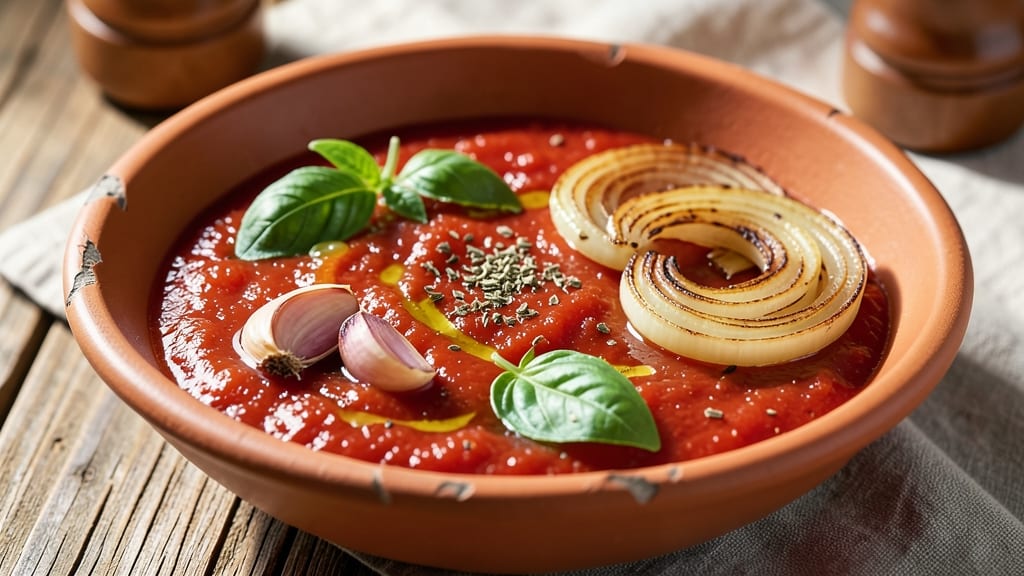
This amazing marinara sauce transforms simple canned tomatoes into a rich, slow-simmered masterpiece with layers of umami and depth you won't find in stores. 💛 The secret? A long, gentle simmer that caramelizes natural sugars and lets flavors meld—no shortcuts, just pure, restaurant-quality taste in one pot.
What makes this sauce truly special is the balance of acidity and sweetness, achieved through a mix of fresh garlic, aromatic herbs, and a touch of honey.
We're talking about a sauce that clings to pasta like a second skin, enhances pizza with its vibrant flavor, and even stands up to hearty meat dishes. It's the kind of sauce that makes you reach for the jar again and again.
By the time you're done, you'll have a velvety, slightly sweet, and deeply savory sauce that's perfect for tossing with al dente pasta, drizzling over grilled meats, or using as a dip.
The best part? It tastes even better the next day as the flavors continue to develop. This isn't just marinara—it's a flavor bomb that will change how you think about homemade sauce.
Whether you're feeding a family or prepping for meal prep, this sauce scales beautifully and keeps for weeks in the fridge. Ready to elevate your cooking? Let's make this sauce that will have everyone asking for seconds.
Ingredients for amazing marinara sauce
Nine simple ingredients transform canned tomatoes into restaurant-quality sauce magic.
| Ingredient | Amount | Notes |
|---|---|---|
| San Marzano Tomato Cans 🍅 | 2 cans | 28 oz each, crushed by hand |
| Extra-Virgin Olive Oil 🫒 | ½ cup | High-quality, fruity variety |
| Garlic Cloves 🧄 | 5 cloves | Freshly peeled, minced fine |
| Yellow Onion 🧅 | 1 whole | Medium, finely diced |
| Fresh Basil Leaves 🌿 | ½ cup | Packed, stems removed |
| Dried Oregano 🍃 | 1 tsp | Mexican oregano preferred |
| Honey 🍯 | 1 tbsp | Light amber for balance |
| Red Wine Vinegar 🍷 | 1 tbsp | For bright acidity |
| Salt 🧂 | 1 ½ tsp | Diamond Crystal kosher |
| Black Pepper 🌶️ | ½ tsp | Freshly cracked |
San Marzano tomatoes are the secret weapon here. Trader Joe's and Whole Foods carry them year-round, but if you're in a pinch, any high-quality canned tomatoes work. I always grab the 28 oz cans—they give you more sauce with less water. The olive oil matters too: California avocado oil or Italian extra-virgin adds that fruity depth. Fresh garlic and basil are non-negotiable for that authentic flavor, but if you're using dried basil, cut the amount to one-third of what's listed. For the onion, I usually grab a yellow onion from the store's produce section—it's sweet and mild, perfect for simmering.
No fresh basil? Dried oregano at double the amount works in a pinch, but you'll miss that fresh herb brightness. Honey and vinegar might seem odd together, but they balance the acidity and sweetness perfectly—agave nectar can swap for honey if you're avoiding it. The red wine vinegar adds a subtle tang that cuts through the richness. For extra umami depth, I sometimes add a dash of fish sauce or soy sauce (just ½ tsp), but it's optional. If you're making this for a crowd, double the batch—it reheats beautifully and tastes even better the next day.
This sauce keeps for up to 5 days in the fridge, but honestly, it gets better with time. For longer storage, freeze it in 1-cup portions—perfect for meal prep. I like to label my containers with the date because it's so versatile. Use it on pasta, as a pizza sauce, or even as a dip for garlic bread. The flavor develops more after the first day, so if you can wait, do it. Trust me, the patience pays off with every velvety spoonful.
Why You'll Love This Recipe
- The secret’s in the slow simmer: garlic and onion caramelizing in olive oil before the tomatoes hit, then fresh basil folded in at the end. It’s that crisp, bright, real taste—like a proper Italian nonna would make, but with half the effort.
- No-Sweat Simplicity: I swear by this recipe because it’s the kind of sauce I can make while scrolling through my phone—just toss chopped onion and garlic into olive oil, let them soften, then dump in those San Marzano tomatoes. No peeling cans, no seedless straining, just pure, effortless flavor.
- Umami Bomb: The secret’s in the slow simmer: garlic and onion caramelizing in olive oil before the tomatoes hit, then fresh basil folded in at the end. It’s that crisp, bright, real taste—like a proper Italian nonna would make, but with half the effort.
- Pantry Powerhouse: This sauce is my weeknight savior—toss it with pasta for dinner, freeze half for lazy Mondays, or use it as a pizza base when I’m too tired to bake. The San Marzano tomatoes keep it rich, and the olive oil makes it silky, so it works everywhere.
Step-by-step instructions for slow-simmered umami marinara
Here's how to build a sauce that tastes homemade, never canned—rich, balanced, and full of flavor.
🍳 Step 1: Sauté Aromatics Until Fragrant
Heat the 0.5 cup extra-virgin olive oil in a large, heavy pot over medium heat. Add the finely diced yellow onion and cook for 5-6 minutes until soft and translucent, stirring occasionally. You'll see the onion turn from pale to golden—this is your signal it's ready for the next step.
Add the 5 minced garlic cloves and cook for another 30-60 seconds until fragrant but not browned. Garlic burns fast, so keep an eye on it. The moment you smell that sweet, nutty aroma, it's time to move on. This aromatic base is the flavor foundation of your sauce—don't rush it.
🍳 Step 2: Build Depth with Vinegar and Honey
Pour in the 1 tablespoon red wine vinegar and 1 tablespoon honey, stirring constantly. The vinegar will brighten the sauce while the honey adds subtle sweetness that balances the acidity. Let this mixture simmer together for 1-2 minutes until it thickens slightly and the vinegar smell mellows out.
This is where the magic happens—the acid and sweetener create a perfect balance that enhances the tomatoes' natural sweetness. If you taste it now, you'll notice it's already more complex than store-bought sauce. The key is patience—don't walk away; stir occasionally to prevent sticking.
🍳 Step 3: Add Tomatoes and Simmer Low
Pour in the 2 cans San Marzano tomato cans (crushed by hand) and add 1 teaspoon dried oregano, 1.5 teaspoons salt, and 0.5 teaspoon black pepper. Stir well to combine, then reduce heat to low. Let the sauce bubble gently for 45-60 minutes, stirring occasionally to prevent skin from forming on top.
This slow simmer is crucial—it allows the flavors to meld and develop that deep, complex taste. You'll see the sauce gradually thicken as moisture evaporates. The longer you simmer, the more intense the flavor becomes, but don't exceed 1 hour or it may become too concentrated.
🥘 Step 4: Finish with Fresh Basil
When the sauce has thickened to your desired consistency (it should coat the back of a spoon), remove it from heat. Stir in the 0.5 cup fresh basil leaves and let them steep for 5 minutes. This infuses the sauce with bright, fresh flavor that you can't get from dried basil.
Taste and adjust seasoning if needed—this is your chance to perfect the balance. The sauce should be rich but not overly salty, with bright acidity from the vinegar and subtle sweetness from the honey. If it's too thick, add a splash of water or pasta water to reach your preferred consistency.
⏰ Step 5: Rest and Serve
Let the sauce rest for 10-15 minutes before serving. This allows the flavors to fully meld and the sauce to thicken slightly more. The resting period is often overlooked but makes a noticeable difference in the final product.
Serve warm over pasta, with crusty bread, or as a dipping sauce. The sauce will keep in the refrigerator for up to 5 days, and the flavor actually improves with time. This isn't just marinara—it's a restaurant-quality sauce that will elevate any dish.
Pro Tips For Making Amazing Marinara Sauce
- Sweat, Don’t Burn: DESCRIPTION: Your onion and garlic should be soft and translucent, not browned—this isn’t caramelizing. Cook them over medium-low heat with a splash of water if they stick, stirring often. I learned this the hard way when my sauce ended up tasting bitter from overcooked garlic.
- Crush Those Garlic Cloves: DESCRIPTION: Minced garlic burns fast, but whole cloves release flavor gradually. Lightly smash 4-5 cloves with the flat side of your knife before adding them to the pot. They’ll soften without turning bitter, and you’ll taste that sweet, mellow garlic in every bite.
- Simmer, Don’t Boil: DESCRIPTION: Let your sauce bubble gently—no vigorous boiling. High heat breaks down the tomatoes too fast, making it watery and dull. Keep it at a steady simmer (tiny bubbles, occasional stir) for at least 20 minutes. Patience here makes the difference between good and great.
- Tear, Don’t Chop Basil: DESCRIPTION: Fresh basil leaves hold their shape better when torn by hand, and they release aroma more evenly than chopped pieces. Add them at the very end—just before serving—so they stay bright and fragrant. (Yes, even if you’re impatient like me.)
Serving suggestions for this amazing marinara sauce
Pasta Perfection
This marinara sauce is a dream come true for pasta lovers—it clings beautifully to al dente noodles like fettuccine or spaghetti. I like to toss 8 oz of pasta with ½ cup of sauce (plus a splash of pasta water) and finish with 1 tablespoon grated Parmesan.
For extra decadence, add a sprinkle of freshly cracked black pepper right before serving. 🍝
Pizza Sauce Base
Use this sauce as your pizza foundation by spreading ¼ cup per 12-inch pizza crust. Top with mozzarella cheese (about 1 cup shredded) and your favorite toppings like pepperoni or grilled chicken.
The sauce's balanced sweetness and acidity prevent soggy crusts while adding vibrant flavor. Bake at 475°F for 12-15 minutes until bubbly and golden.
Dipping Sauce
Serve warm marinara as a dipping sauce for garlic bread, mozzarella sticks, or crispy chicken tenders. I like to drizzle it over toasted baguette slices with a sprinkle of flaky sea salt and red pepper flakes. The sauce's rich depth makes even simple bread taste gourmet. 🥖
Meat Pairings
This sauce pairs beautifully with grilled meats like chicken, shrimp, or steak. Toss 8 oz cooked chicken breast with ½ cup sauce and a pinch of Italian seasoning for a quick weeknight dinner. The sauce's umami depth complements the natural flavors of the meat without overpowering them.
Breakfast Twist
Yes, you read that right! Use this marinara as a breakfast sauce by drizzling it over scrambled eggs or breakfast potatoes. The sweet and tangy flavors add unexpected depth to morning meals.
I like to top my eggs with a sprinkle of fresh basil and a dash of hot sauce for extra kick.
Storage Tips
Store leftover sauce in an airtight container in the fridge for up to 5 days. For longer storage, freeze in 1-cup portions—perfect for meal prep. When reheating, warm over low heat on the stovetop, stirring occasionally, until bubbly.
The sauce thickens as it cools, so add a splash of water or broth if needed. 💡
Nutrition facts
Frequently asked questions
Can I use regular canned tomatoes instead of San Marzano?
Yes, but expect a slightly different flavor profile. San Marzano tomatoes are prized for their sweetness and low acidity, which creates that perfect balance in the sauce. If you're using regular canned tomatoes, add an extra ½ teaspoon of salt and ½ teaspoon of sugar to compensate for their higher acidity and less sweetness. The sauce will still be delicious, just with a slightly more tangy kick.
Why does my homemade marinara turn out too acidic?
Too much acidity usually comes from overdoing the vinegar or using overly acidic tomatoes. To fix it, balance the flavor by adding a pinch of sugar or honey (about ½ teaspoon) while the sauce simmers. If the problem persists, stir in a small piece of butter or a splash of heavy cream at the end to mellow the acidity. The key is patience—simmering longer helps mellow the acidity naturally.
How can I make this sauce thicker for pasta?
Simmer the sauce uncovered for an extra 10-15 minutes to let the moisture evaporate naturally. If it's still too thin, remove the pot from heat and stir in 1 tablespoon of cornstarch mixed with 2 tablespoons of water, then return it to low heat until thickened. For a smoother texture, blend the sauce briefly with an immersion blender. Avoid over-thickening—you want it to coat the back of a spoon but still flow easily.
Can I make this sauce in a slow cooker or Instant Pot?
For a slow cooker, combine all ingredients (except fresh basil) and cook on low for 4-5 hours, stirring occasionally. For an Instant Pot, sauté the onions and garlic first, then add everything else and cook on high pressure for 10 minutes, followed by a 10-minute natural release. Finish by stirring in fresh basil. The slow cooker version will be slightly thicker, while the Instant Pot version stays more liquidy—adjust as needed.
What's the best way to store and reheat leftovers?
Store in an airtight container in the fridge for up to 5 days, or freeze in 1-cup portions for up to 3 months. To reheat, warm over low heat on the stovetop, stirring frequently to prevent sticking. For frozen sauce, thaw overnight in the fridge first, then reheat. Never microwave directly from frozen—this can make the sauce watery. The sauce actually tastes better after resting for 24 hours as flavors deepen.