
Sauces & Condiments
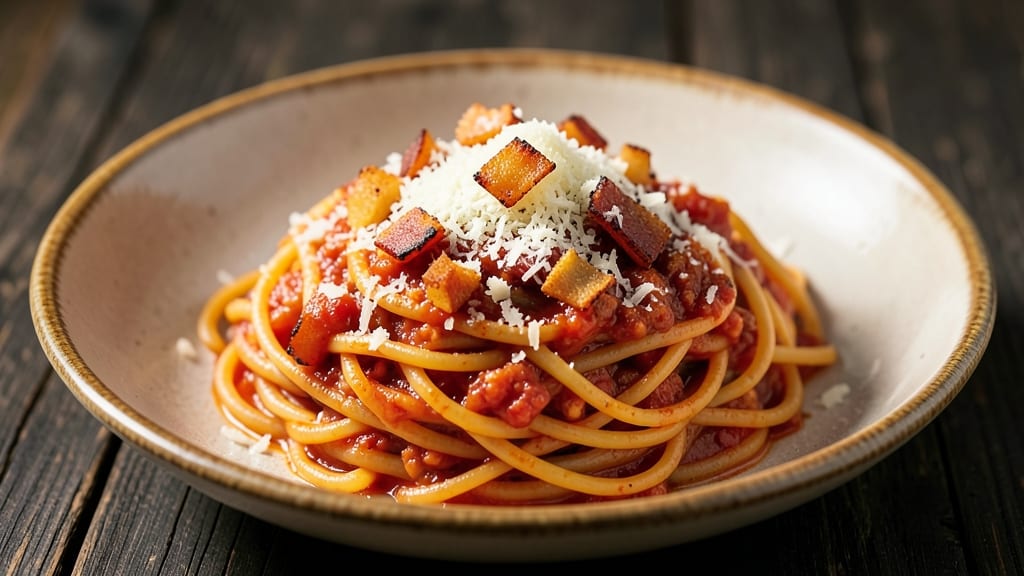
Jamie Oliver’s amatriciana sauce recipe transforms simple ingredients into a bold, peppery masterpiece that clings to pasta like a dream. The secret lies in guanciale—Italy’s prized cured pork cheek—that delivers smoky depth when rendered slowly, while pecorino’s sharp bite cuts through the richness.
This isn’t just sauce; it’s a flavor explosion that turns weeknight dinners into Roman trattoria memories.
The magic happens in layers: first, guanciale sizzles until crisp, releasing its fat to caramelize garlic and chili, then tomatoes simmer until thick and glossy. Pecorino, grated at the end, adds that signature sharpness that makes every bite unforgettable.
No shortcuts here—just patient cooking that rewards with sauce so good, you’ll want to drizzle it on everything.
What you’ll end up with is a sauce that’s rich yet balanced, with just the right kick of chili and umami from the cured meat. It clings perfectly to spaghetti, creating strands of golden, peppery goodness in every forkful.
The aroma alone will have your kitchen smelling like Rome, and the taste? That’s the real magic—deep, complex, and impossible to resist.
This sauce keeps beautifully in the fridge for up to 5 days, so make a double batch. It’s the kind of recipe that proves you don’t need fancy techniques—just quality ingredients and a little time. Let’s make it.
Ingredients for amatriciana sauce recipe jamie oliver
Four key ingredients create Jamie Oliver's signature Roman sauce: guanciale, garlic, tomatoes, and pecorino.
| Ingredient | Amount | Notes |
|---|---|---|
| Guanciale 🥓 | 6 oz | Cured pork cheek, diced small |
| Garlic Cloves 🧄 | 4 cloves | Peeled and thinly sliced |
| Chili Flakes 🌶️ | 1 tsp | Adjust for heat preference |
| Canned San Marzano Tomatoes 🍅 | 28 oz | Crushed by hand or blender |
| Extra-Virgin Olive Oil 🫒 | ¼ cup | High quality, fruity |
| Pecorino Romano Cheese 🧀 | ½ cup | Freshly grated, coarse |
| Salt 🧂 | ½ tsp | Diamond Crystal preferred |
| Black Pepper 🌶️ | ¼ tsp | Freshly cracked |
| White Wine 🍷 | ¼ cup | Dry, medium-bodied |
Guanciale is non-negotiable here—it's the soul of amatriciana. Look for guanciale at Italian specialty stores or high-end butchers; it's worth tracking down. If you can't find it, guanciale substitutes like pancetta or thick-cut bacon work in a pinch, but the flavor won't be identical. The San Marzano tomatoes should be plump and firm—avoid dented cans. For the wine, any dry white like Pinot Grigio or Sauvignon Blanc works; skip the oaky Chardonnays. The olive oil matters too—use something fruity and peppery, not the bland stuff in plastic bottles.
No guanciale? Pancetta or thick-cut bacon are the closest substitutes, but render them longer to compensate for less fat. Short on pecorino? Parmigiano-Reggiano works too, though it's less salty. The wine can be omitted entirely if you're avoiding alcohol—just add 0.25 cup extra white wine vinegar for acidity. For the tomatoes, fresh San Marzano canned is ideal, but any good-quality crushed tomatoes will do. If you're using fresh tomatoes, roast them first for deeper flavor. The chili flakes are optional but recommended—they add that signature kick.
This sauce tastes even better the next day as flavors meld. Store in an airtight container in the fridge for up to 5 days. For longer storage, freeze in ice cube trays—perfect for single servings. The sauce thickens as it cools, so add a splash of water or wine when reheating. Always grate the pecorino fresh at the end—it makes all the difference.
Why You'll Love This Recipe
- I’ll be real: I always make extra. The flavor actually deepens the next day, so reheated amatriciana? Still ridiculous. And since guanciale is pricey, stretching it over two meals means I’m not breaking the bank every time I crave it. (Yes, even on a Tuesday night.)
- One-Pan Magic: That guanciale—crispy, salty, and so worth the effort—cooks right in the same pot with the tomatoes. Honestly, I’ve made pasta sauces that needed three pans and a degree in chemistry. This? Just a skillet, a few minutes of attention, and you’re golden.
- Umami Bomb: The moment the garlic and chili hit that melted guanciale? My mouth waters just thinking about it. Jamie’s version nails that perfect balance—sweet from the San Marzano tomatoes, smoky from the olive oil, and a whisper of heat that lingers. It’s the kind of sauce that makes you want to lick the spoon.
- Pasta Party Ready: Between us, this sauce is my secret weapon for lazy Sundays or when friends drop by unannounced. Toss it with spaghetti for a classic, or slather it on toast with a fried egg—suddenly, you’re hosting a dinner that feels fancy without the stress.
Step-by-step instructions for amatriciana sauce
Here's how to craft Jamie Oliver's signature Amatriciana—rich, peppery, and brimming with guanciale flavor.
Render the Guanciale Until Crispy
Heat the 0.25 cup extra-virgin olive oil in a large, heavy-bottomed skillet over medium-low heat. Add the 6 oz diced guanciale and cook, stirring occasionally, for 8-10 minutes until the fat renders out and the meat becomes golden and crispy.
This slow rendering ensures the guanciale develops deep flavor without burning. You'll see the fat pool at the bottom of the pan—this is pure liquid gold. If the guanciale releases easily from the pan and the fat shimmers but doesn't smoke, you're ready for the next step. Don't rush this; patience here builds the sauce's foundation.
Sauté Garlic and Add Chili Flakes
Once the guanciale is crispy, add the 4 cloves sliced garlic and 1 tsp chili flakes to the pan. Cook for 1-2 minutes until the garlic turns golden and fragrant—just shy of burning, or it will make the sauce bitter.
Stir constantly during this time to prevent burning. The garlic should smell sweet and nutty, and the chili flakes will infuse the oil with subtle heat. This aromatic base is what gives Amatriciana its signature depth. Remove the pan from heat momentarily if it starts to smoke.
Deglaze with White Wine
Pour in the 0.25 cup white wine and scrape up any browned bits from the bottom of the pan with a wooden spoon. These bits, called fond, are packed with flavor. Let the wine simmer for 2-3 minutes until it reduces by half and the alcohol smell dissipates.
This deglazing step transforms the crispy guanciale and garlic into a flavorful liquid that will form the sauce's backbone. You'll notice the wine's sharpness mellows as it cooks down, leaving behind a subtle acidity that balances the richness of the guanciale and cheese.
Simmer with Tomatoes and Season
Add the 28 oz crushed San Marzano tomatoes, 0.5 tsp salt, and 0.25 tsp black pepper to the pan. Stir well to combine, then reduce the heat to low and let the sauce simmer uncovered for 20-25 minutes.
During this time, the sauce will thicken slightly as the tomatoes break down and release their juices. Stir occasionally to prevent sticking, but don't over-stir—this can make the sauce too smooth. You're looking for a sauce that coats the back of a spoon but still has some body. Taste and adjust seasoning if needed; the tomatoes' natural sweetness should shine through.
Finish with Pecorino and Rest
Remove the pan from heat and stir in the 0.5 cup freshly grated Pecorino Romano cheese until fully melted and smooth. The sauce should be glossy and rich, with a vibrant red hue from the tomatoes and a creamy texture from the cheese.
Let the sauce rest for 5-10 minutes off the heat before serving. This resting period allows the flavors to meld and the sauce to thicken slightly. Serve immediately over spaghetti or bucatini, ensuring each strand is well-coated in the sauce. The cheese should melt into the pasta, creating a perfect balance of tangy, salty, and umami flavors.
Pro Tips For Making Amatriciana Sauce Recipe Jamie Oliver
- CRISP THE GUANCIALE FIRST: I learned this the hard way—don’t skip rendering the guanciale fat until it’s actually crispy. Those little cracklings add texture, and if you rush it, you’ll end up with greasy sauce instead of that perfect balance. Work in batches if needed, but get every piece golden-brown before moving on.
- SAUTÉ GARLIC LOW AND SLOW: After burning three batches, I finally figured out: garlic should sizzle, not smoke. Once the guanciale’s out, turn the heat down to medium and add the garlic whole—no chopping—so it browns evenly without turning bitter. Remove it just before it’s fully cooked; you’ll strain it out later.
- STIR THE TOMATOES VIGOROUSLY: This isn’t the prettiest method, but it’s the tastiest. Once the tomatoes hit the pan, stir like you’re angry—especially at first. The goal is to break up the pulp and blend it into the guanciale oil immediately. If you let it sit, you’ll get a chunky, uneven sauce.
- USE PEPPER AND PECORINO LAST: I skip this when I’m lazy, but the dish is noticeably better when I don’t. Add black pepper and grated pecorino after the sauce has reduced and the tomatoes have melded. This keeps the sauce from curdling and lets the cheese shine at the end, where it’ll melt into a creamy finish.
Best sauces and condiments for this dish
Classic Pairings
Serve this amatriciana sauce over bucatini or spaghetti for the traditional Roman experience—the wide noodles soak up the sauce beautifully. I love tossing it with tonnarelli for added texture. For a heartier dish, try it with grilled chicken or pan-seared scallops on the side. 🍝
Bread and Cheese
A crusty Italian bread like focaccia or ciabatta is perfect for mopping up every last drop of sauce. I keep a loaf of Rosemary Focaccia from Trader Joe's on hand for this exact purpose. For extra indulgence, serve with provolone or mozzarella on the side to melt into the sauce.
Wine Pairings
A dry white wine like Frascati or Pinot Grigio complements the sauce's acidity and richness. I reach for Frascati Superiore from Lazio—it's crisp, citrusy, and lets the sauce's flavors shine. For red lovers, a light Chianti works, but avoid heavy reds that overpower the dish. 🍷
Unexpected Uses
This sauce isn’t just for pasta! Use it as a dipping sauce for garlic bread or fried calamari. I’ve even drizzled it over roasted Brussels sprouts for a bold, savory twist.
The umami depth makes it versatile enough for grilled vegetables or as a marinade for meats like chicken thighs.
Cheese Boost
For extra richness, stir in 1 tbsp unsalted butter at the end or add a splash of heavy cream to balance the sauce’s acidity. I also love finishing with fresh basil or parsley for brightness.
If you’re feeling adventurous, try a pinch of nutmeg—it adds warmth that pairs surprisingly well with the pecorino. 🧀
Storage Secrets
Store leftover sauce in an airtight container in the fridge for up to 5 days. The flavors deepen overnight, making it even better the next day. For freezing, portion into ice cube trays—thaw and reheat gently on the stovetop with a splash of water to restore texture.
Never freeze with cheese added; stir it in fresh when ready to use. ❄️
Nutrition facts
Frequently asked questions
Can I substitute pancetta for guanciale in this recipe?
Yes, you can use pancetta or even thick-cut bacon as a substitute, but expect a slightly different flavor. Pancetta has a milder, sweeter taste compared to guanciale's deep umami richness. For best results, render the pancetta longer (12-15 minutes) to compensate for its lower fat content. The sauce will still be delicious but won't have that authentic Roman depth.
Why does my amatriciana sauce taste too acidic?
Too much acidity usually comes from overcooking the tomatoes or using too much wine. To fix it, stir in 1 tbsp unsalted butter or 1 tbsp heavy cream to balance the acid. If the sauce is still too sharp, add a pinch of sugar or a splash of water to dilute it. For prevention, reduce the wine to 2 tbsp and simmer tomatoes for 20 minutes max—they should break down but not over-reduce.
Can I make this sauce ahead of time? This sauce tastes even better the next day as flavors meld. Store it in an airtight container in the fridge for up to 5 days. When reheating, warm gently on low heat and add a splash of water or wine to restore texture. Just
What's the secret to getting crispy guanciale?
The key is low and slow heat and patience. Cook the guanciale over medium-low heat for 8-10 minutes, stirring occasionally, until it releases fat and becomes golden. If it starts to smoke, reduce heat immediately. The fat should pool at the bottom—this is what creates the sauce's rich texture. Never rush this step!
How do I know when the sauce is done?
The sauce is ready when it coats the back of a spoon with a glossy sheen and has thickened slightly. It should be vibrant red with small bubbles forming at the edges. Taste it—you should detect sweet tomatoes, salty pecorino, and smoky guanciale, but not raw garlic or wine. If it's too thin, simmer uncovered for 5 more minutes.